In Silico Predictions Driving the Development of 3D-Printed Drug Delivery Systems
Pooja Todke, Robertas Lazauskas, Jurga Bernatoniene

TL;DR
This paper shows how computer predictions can help design better 3D-printed drug delivery systems by reducing trial-and-error in excipient selection and improving printability and drug release.
Contribution
The study introduces a framework using in silico predictions of excipient miscibility and molecular dynamics simulations to optimize 3D-printed drug formulations.
Findings
Miscibility parameters predicted drug-excipient printability with strong correlation to experimental results.
Molecular dynamics simulations accurately predicted dissolution behavior based on cohesive energy density.
Hydrophilic carriers showed faster drug release, while hydrophobic carriers enabled sustained release.
Abstract
Background: Three-dimensional printing (3DP) is a promising technology for advancing pharmaceutical research by enabling the production of personalized drug products. However, its progress has been hindered by the conventional trial-and-error approach to excipient selection and optimization. Methods: In this study, the blend module was employed to determine the miscibility parameters—mixing energy (Emix) and Flory–Huggins interaction parameter (χ) to find the right excipients and drug–excipient ratio and examine the incorporation of plasticizers and lipids to enhance printability. Furthermore, molecular dynamics (MD) simulations were employed to calculate the cohesive energy density (CED) for predicting the dissolution behavior of 3DP formulations. Results: Data from 51 formulations were analyzed, enabling correlation and experimental validation of the in silico predictions. The…
Genes, proteins, chemicals, diseases, species, mutations and cell lines named across the full text — each resolved to its canonical identifier and authoritative record.
Click any figure to enlarge with its caption.
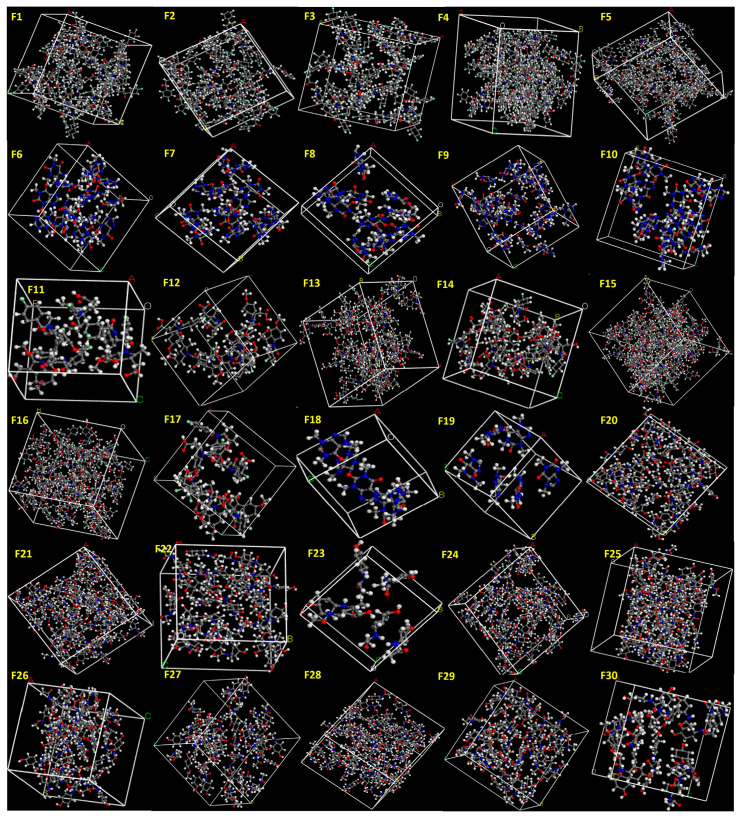 Figure 1
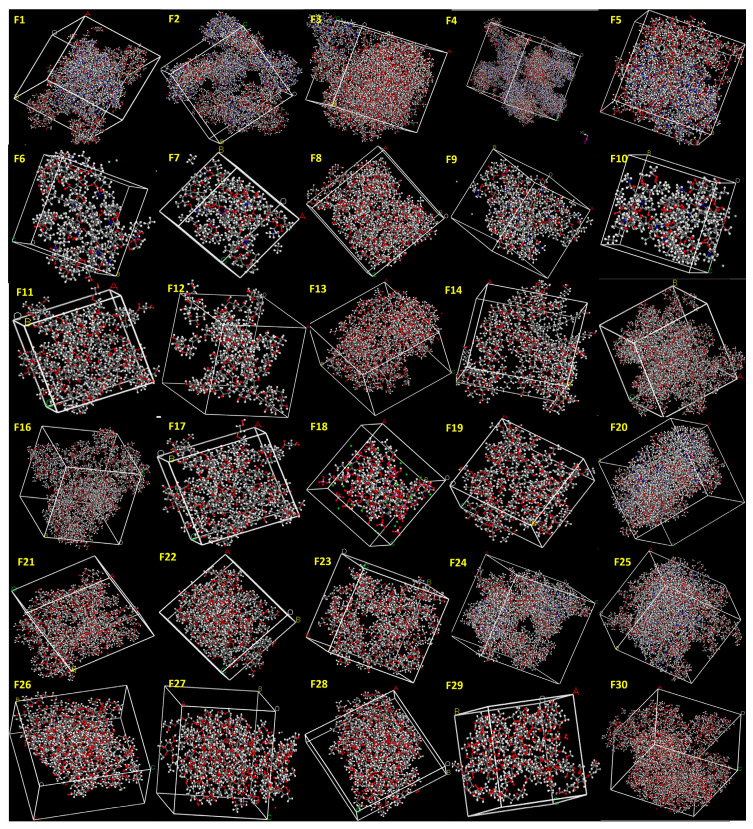 Figure 2
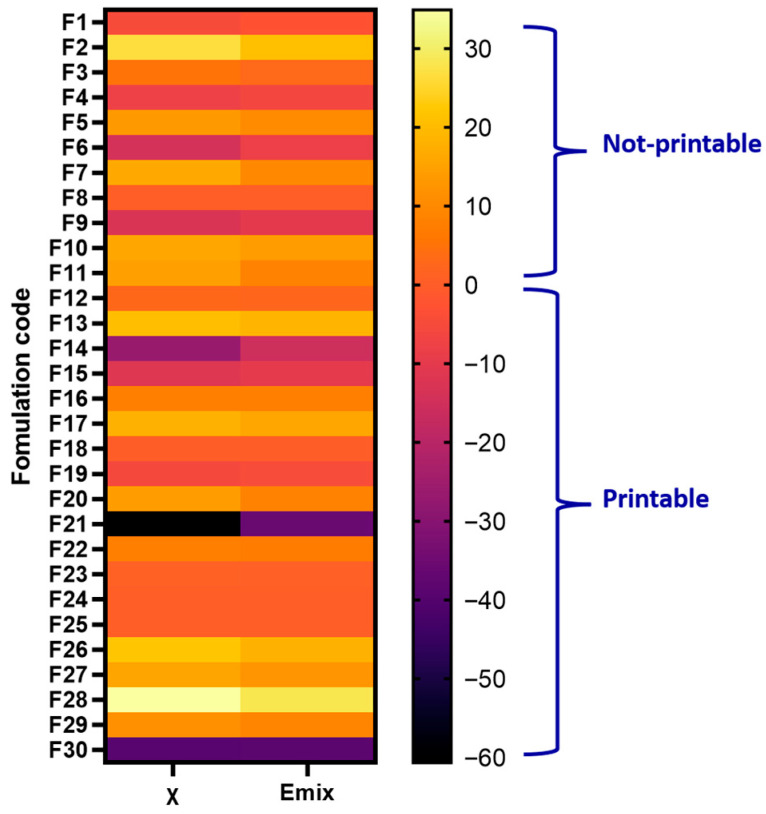 Figure 3
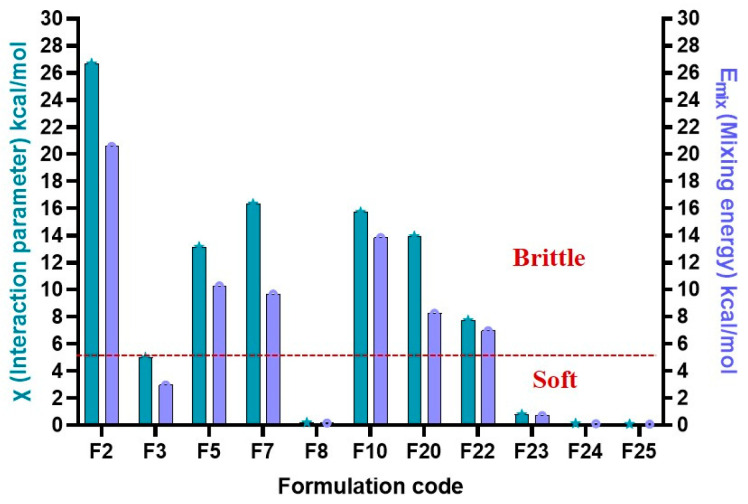 Figure 4
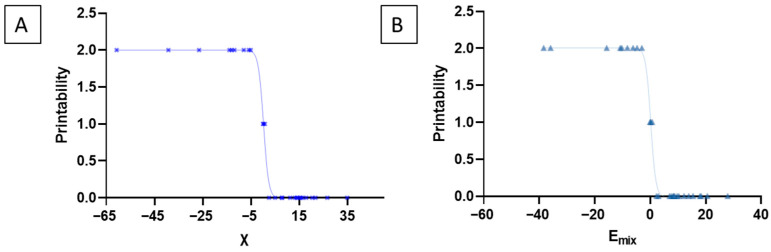 Figure 5
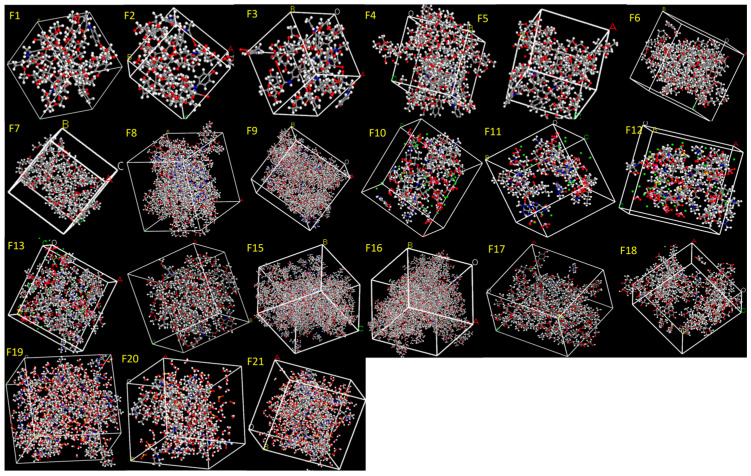 Figure 6
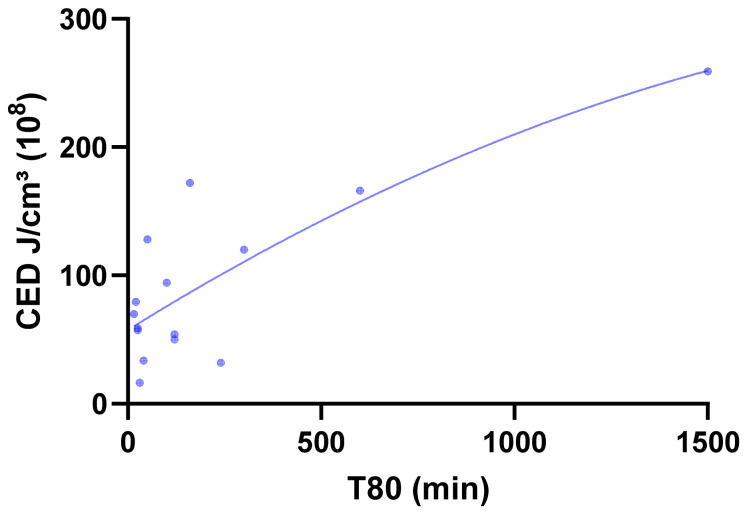 Figure 7
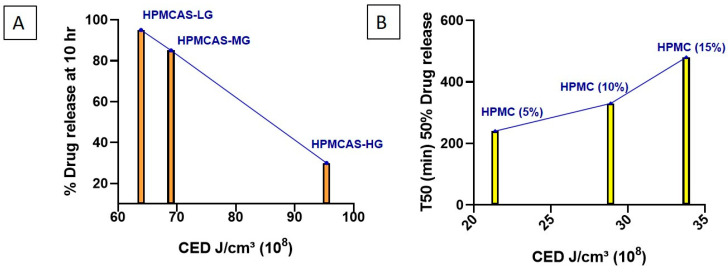 Figure 8
Peer Reviews
No public reviews on file for this paper yet. If you reviewed it on a platform where reviews are public (OpenReview, ICLR, NeurIPS, ICML), you can paste yours below so the community can read it here.
Videos
No videos yet. Explain this paper in a talk, walkthrough, or lecture? Add one.
Taxonomy
Topics3D Printing in Biomedical Research · Additive Manufacturing and 3D Printing Technologies · Drug Solubulity and Delivery Systems