Transcriptomic Analysis Provides Insights into Flowering in Precocious-Fruiting Amomum villosum Lour
Yating Zhu, Shuang Li, Hongyou Zhao, Qianxia Li, Yanfang Wang, Chunyong Yang, Ge Li, Wenlin Zhang, Zhibin Guan, Lin Xiao, Yanqian Wang, Lixia Zhang

TL;DR
This study uses transcriptomic analysis to explore the flowering mechanism in precocious-fruiting Amomum villosum, identifying key genes and pathways involved in its early fruiting process.
Contribution
The study provides novel insights into the molecular mechanisms of flowering in precocious-fruiting A. villosum through comprehensive transcriptomic profiling.
Findings
3061 differentially expressed genes were identified, enriched in processes related to development and reproduction.
Alternative splicing events were analyzed, with skipped exons being the most common type.
43 key differentially expressed genes were predicted and validated using RT-qPCR.
Abstract
Precocious-fruiting Amomum villosum Lour. is characterized by early fruit set, rapid yield formation, and shortened economic return cycles, indicating strong cultivation potential. However, the molecular mechanisms underlying its flowering transition remain unclear. To elucidate the flowering mechanism of A. villosum, we used the Illumina NovaSeq X Plus platform to compare gene expression profiles in three tissues (Rhizomes, R; Stems, S; Leaves, L) during the vegetative stage and three tissues (Rhizomes and Inflorescences, R&I; Stems, S; Leaves, L) during the flowering stage of individual plants: VS-R vs. FS-R&I, VS-S vs. FS-S, and VS-L vs. FS-L. We obtained 52.5 Gb clean data and 789 million reads, and identified 2963 novel genes. The 3061 differentially expressed genes (DEGs, FDR ≤ 0.05 and |log2FC| ≥ 1) identified in the three comparison groups included six overlapping genes. The…
Genes, proteins, chemicals, diseases, species, mutations and cell lines named across the full text — each resolved to its canonical identifier and authoritative record.
Click any figure to enlarge with its caption.
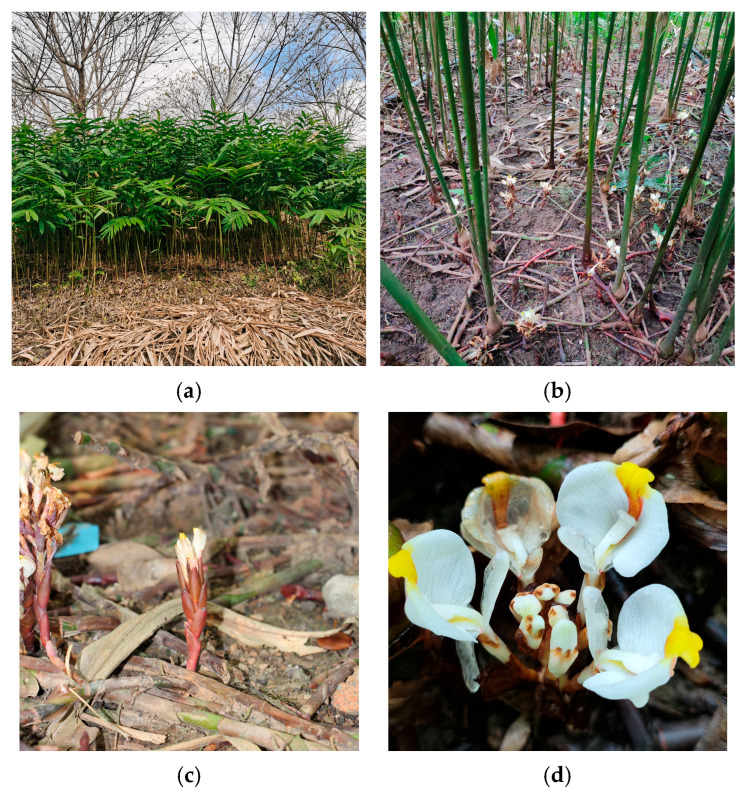 Figure 1
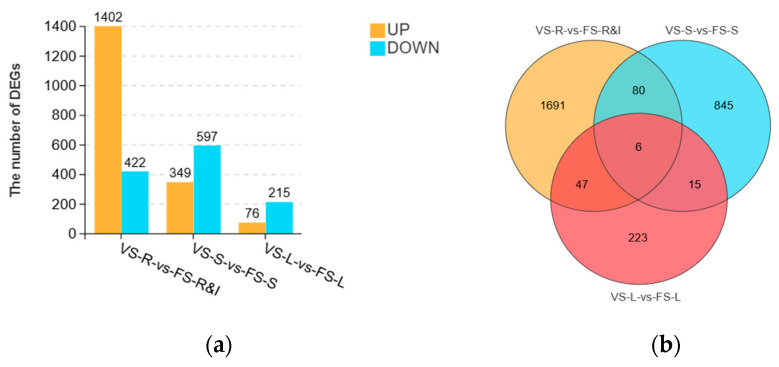 Figure 2
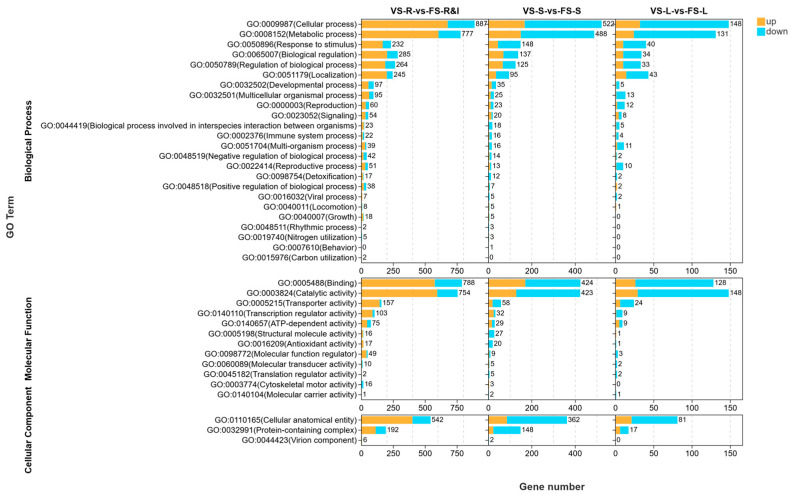 Figure 3
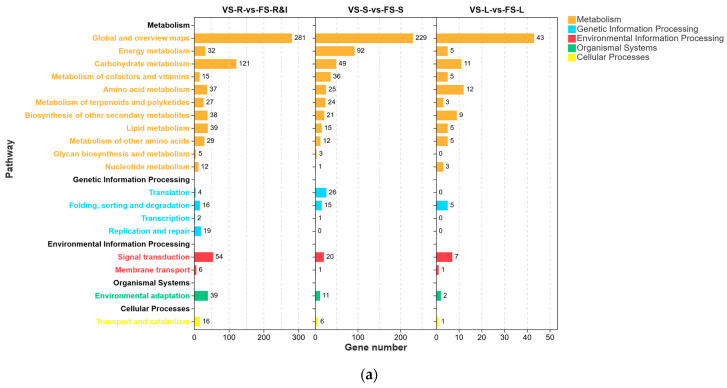 Figure 4
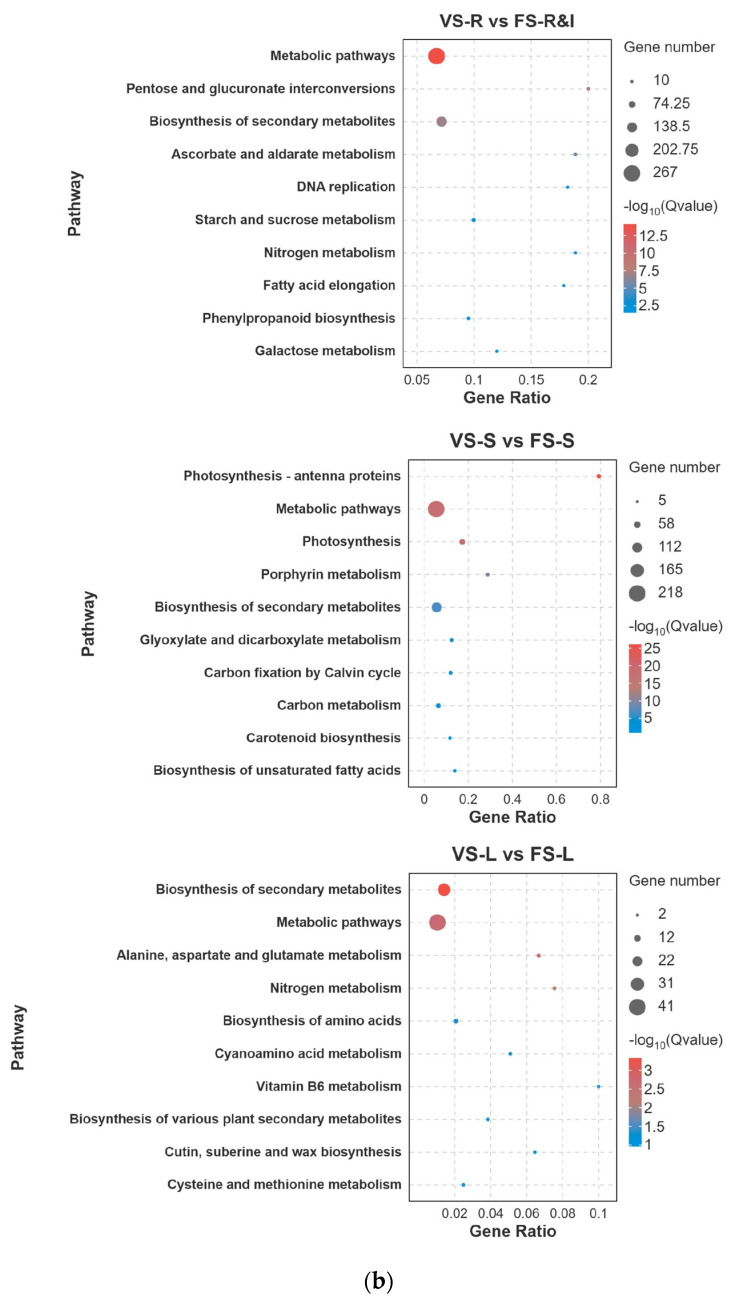 Figure 5
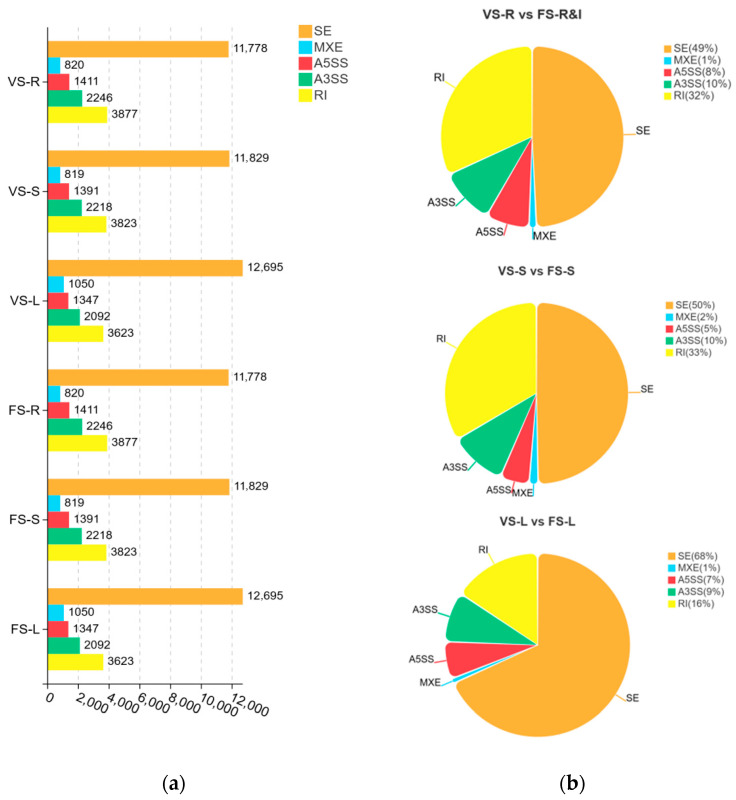 Figure 6
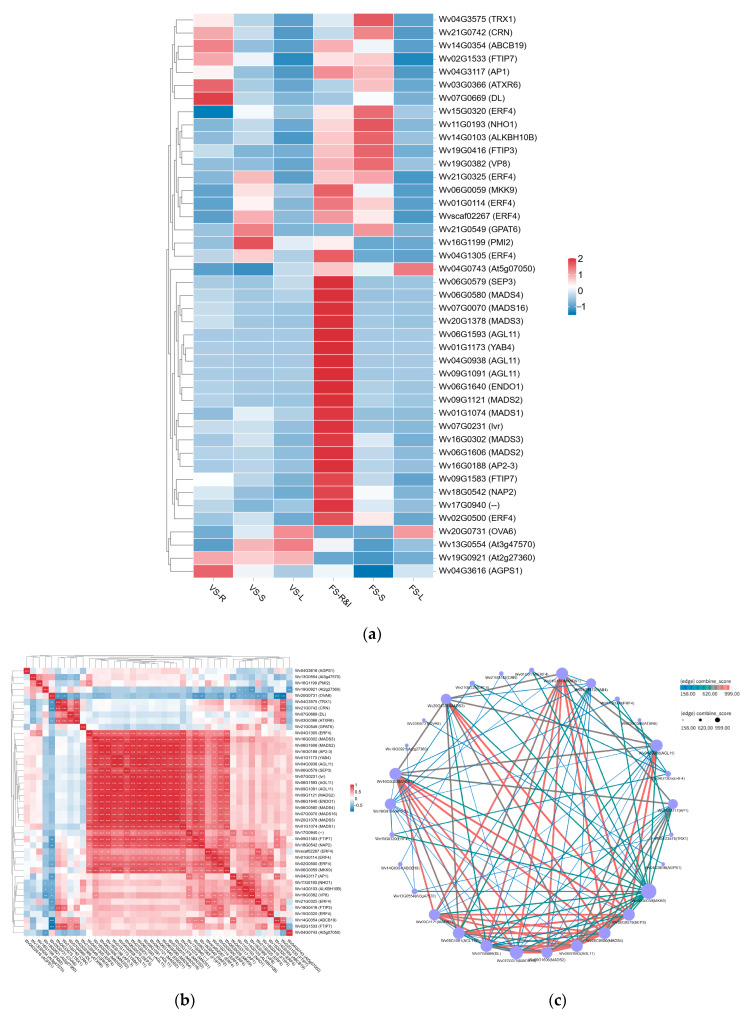 Figure 7
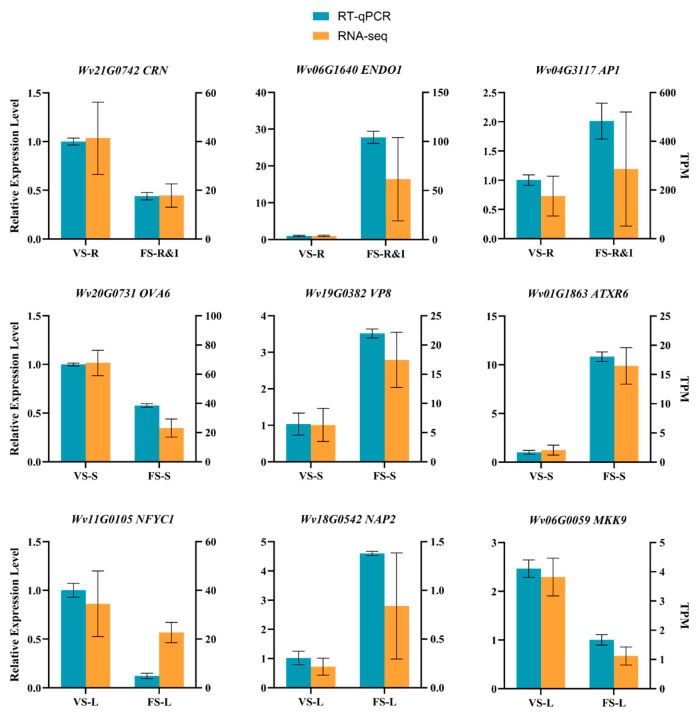 Figure 8
Peer Reviews
No public reviews on file for this paper yet. If you reviewed it on a platform where reviews are public (OpenReview, ICLR, NeurIPS, ICML), you can paste yours below so the community can read it here.
Videos
No videos yet. Explain this paper in a talk, walkthrough, or lecture? Add one.
Taxonomy
TopicsGinger and Zingiberaceae research · Plant Molecular Biology Research · Plant Reproductive Biology