Integrated In Vitro and In Silico Profiling of Piperazinyl Thiosemicarbazone Derivatives Against Trypanosoma cruzi: Stage-Specific Activity and Enzyme Inhibition
Héctor A. Baldoni, María L. Sbaraglini, Darío E. Balcazar, Diego G. Arias, Sergio A. Guerrero, Catalina D. Alba Soto, Wioleta Cieslik, Marta Rogalska, Jaroslaw Polański, Ricardo D. Enriz, Josef Jampilek, Robert Musiol

TL;DR
This study explores new thiosemicarbazone compounds that show promise as treatments for Chagas disease by targeting the parasite Trypanosoma cruzi in different life stages.
Contribution
The study introduces new thiosemicarbazone derivatives with stage-specific antiparasitic activity and identifies structure–activity relationships through integrated in vitro and in silico methods.
Findings
A nitro-methoxy-substituted TSC showed potent cysteine protease inhibition but limited trypomastigote efficacy.
Brominated analogues displayed dual-stage activity without relying on cysteine protease inhibition.
Structure–activity clusters were identified, linking specific substitutions to antiparasitic profiles and enzyme interactions.
Abstract
Background: Trypanosoma cruzi, the causative agent of Chagas disease, remains a major public health concern, and there is a continued need for new antitrypanosomal agents. Thiosemicarbazone (TSC) derivatives have emerged as a promising class of compounds with potential antiparasitic activity. Objectives: This study aimed to report the synthesis, characterization, and biological profiling of a novel series of thiosemicarbazone derivatives as antitrypanosomal agents against Trypanosoma cruzi. Methods: Fourteen new compounds and six previously described analogues were prepared and characterized by 1H/13C nuclear magnetic resonance (NMR) spectroscopy and mass spectrometry (MS). As a preliminary in vitro screen, activity was assessed by direct parasite counting in epimastigote and bloodstream trypomastigote forms, as tractable models of replicative and infective stages sharing core metabolic…
Genes, proteins, chemicals, diseases, species, mutations and cell lines named across the full text — each resolved to its canonical identifier and authoritative record.
Click any figure to enlarge with its caption.
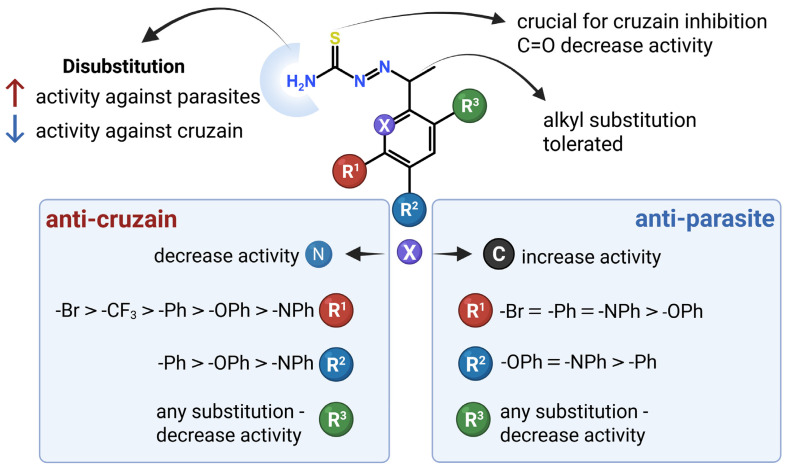 Figure 1
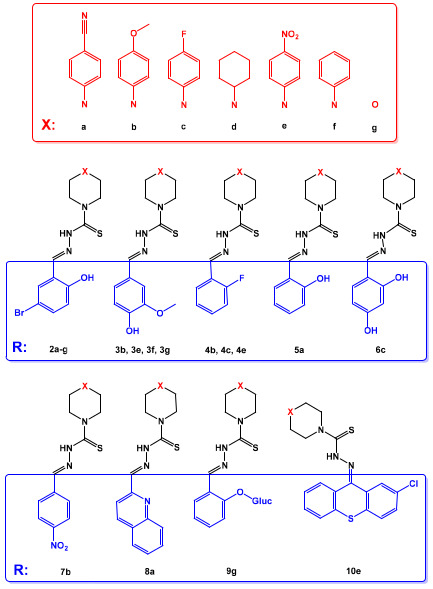 Figure 2
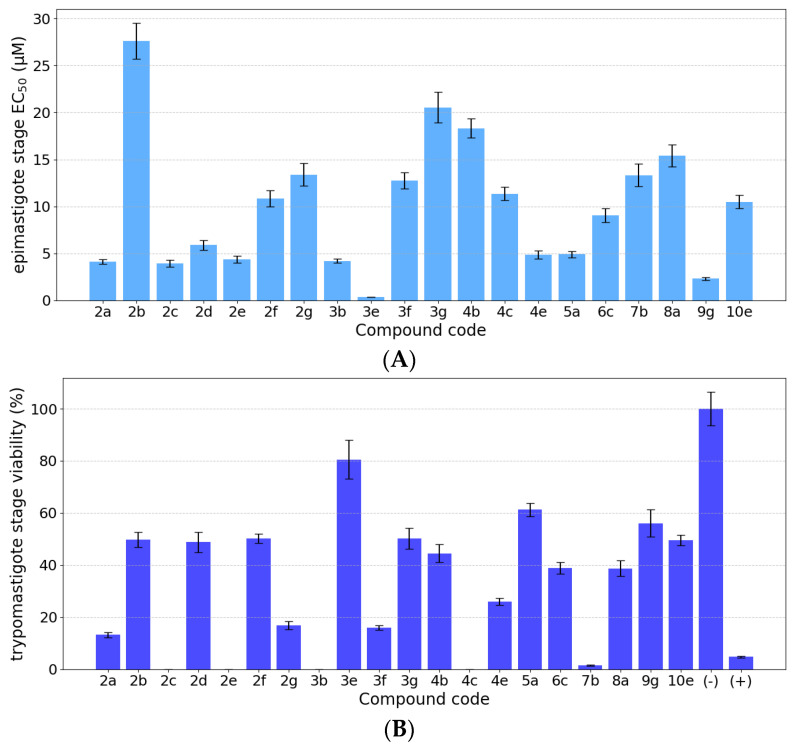 Figure 3
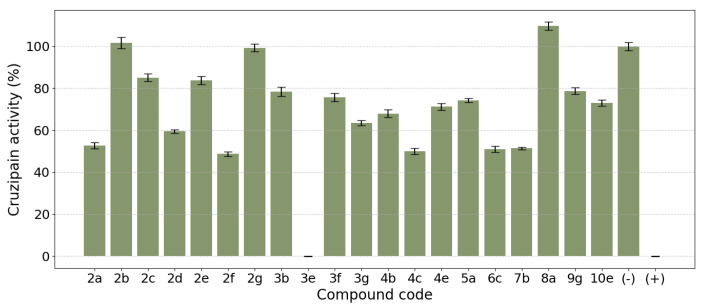 Figure 4
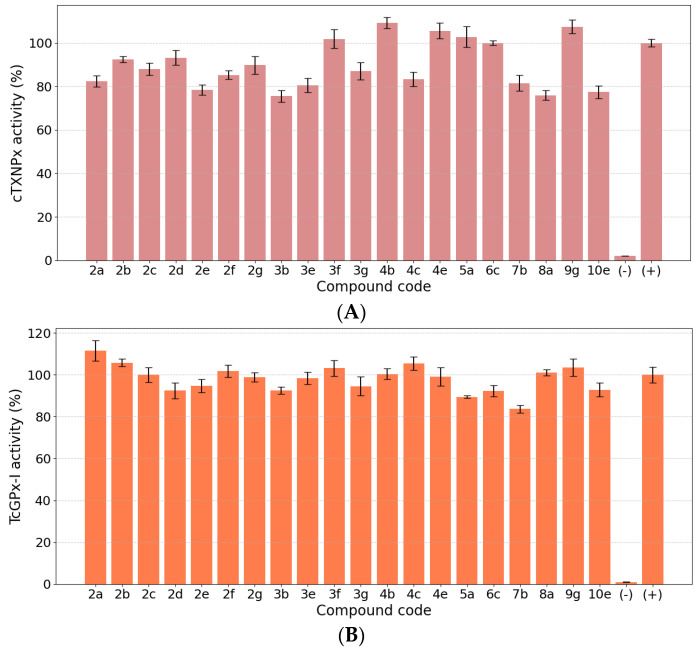 Figure 5
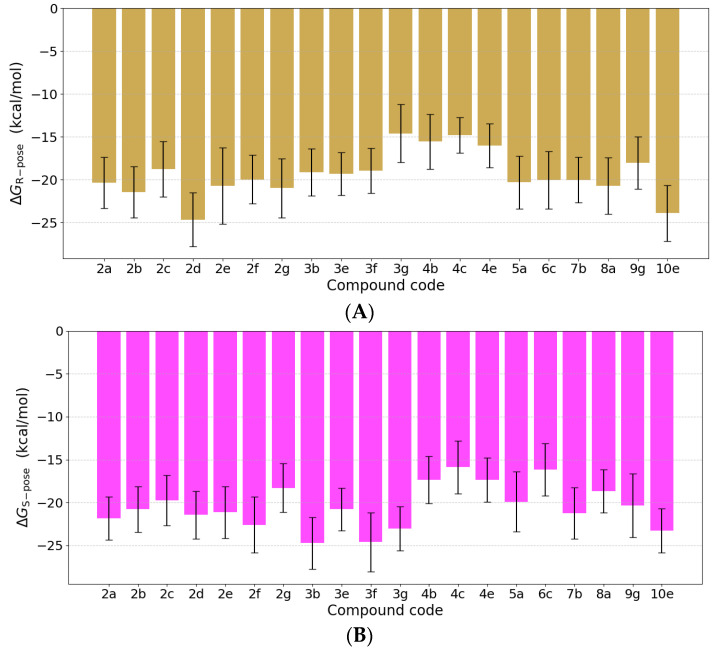 Figure 6
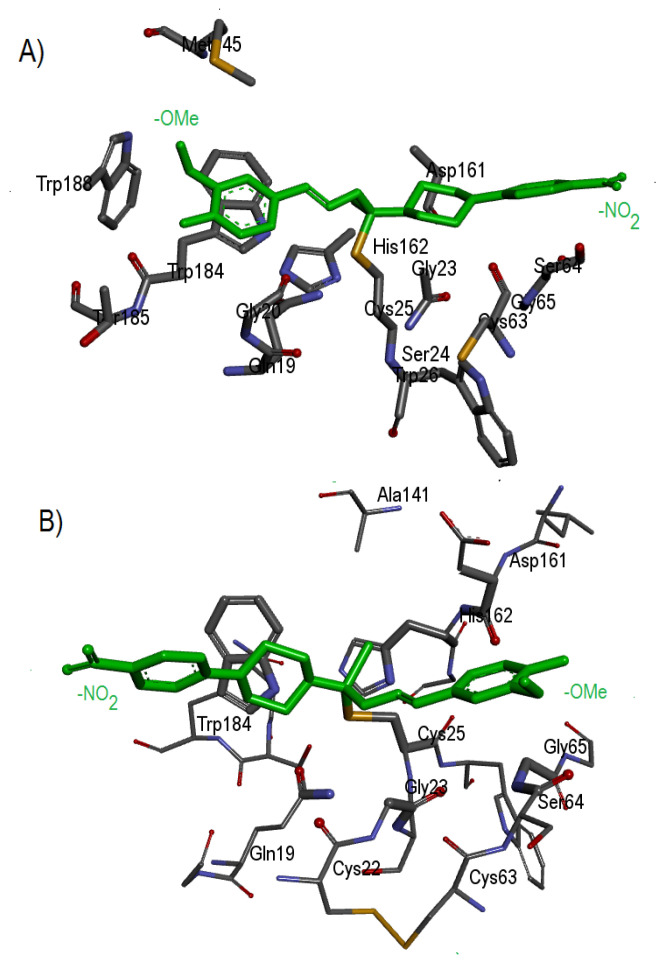 Figure 7
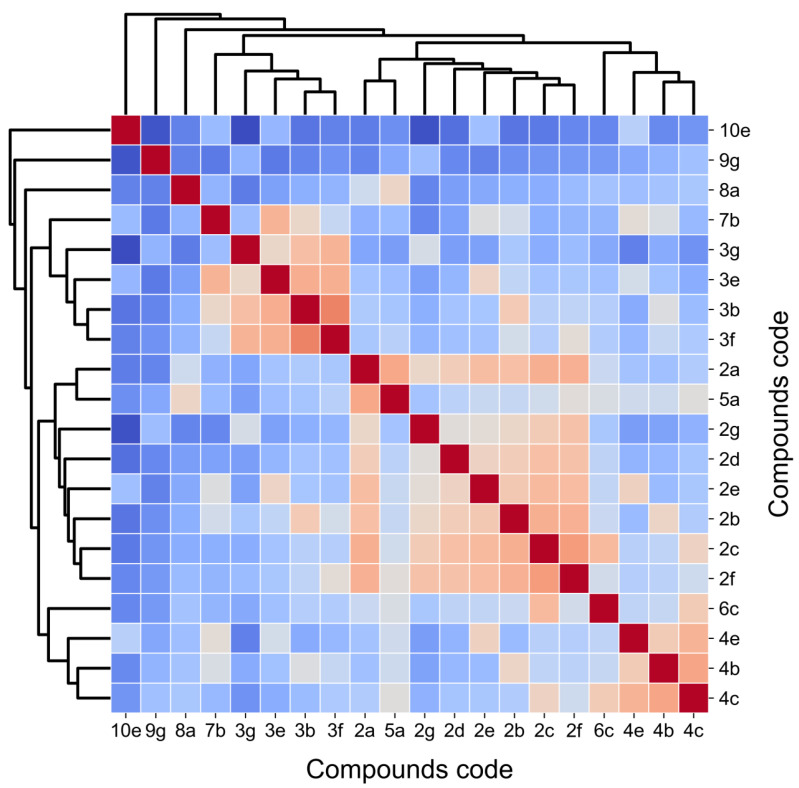 Figure 8
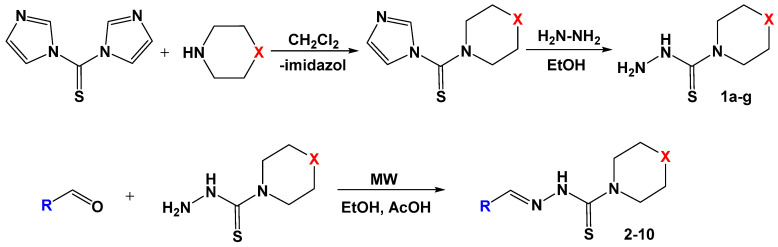 Figure 9
Peer Reviews
No public reviews on file for this paper yet. If you reviewed it on a platform where reviews are public (OpenReview, ICLR, NeurIPS, ICML), you can paste yours below so the community can read it here.
Videos
No videos yet. Explain this paper in a talk, walkthrough, or lecture? Add one.
Taxonomy
TopicsTrypanosoma species research and implications · Research on Leishmaniasis Studies · Synthesis and biological activity