A Review of Major Compounds in Bilberry (Vaccinium myrtillus L.) Fruits and Leaves: Isolation, Purification, and Their Antiaging Effects
Jayanta Kumar Patra, Han-Seung Shin, Gitishree Das

TL;DR
This review explores bilberry fruits and leaves as sources of bioactive compounds with potential antiaging and health benefits.
Contribution
The paper provides a comprehensive review of bilberry's bioactive compounds and their antiaging effects, including clinical trial outcomes.
Findings
Bilberry is rich in polyphenolic compounds with antioxidant properties.
Both fruits and leaves of bilberry contain bioactive compounds with antiaging, anti-inflammatory, and antimicrobial effects.
Clinical trials suggest bilberry may lower oxidative stress and improve age-related health.
Abstract
The bilberry is a low-growing plant native to northern Europe. It belongs to the genus Vaccinium. Bilberry is essential in the local diets of some countries and is used as an herbal medicine to manage several ailments. Still, it is not used for commercial farming in many countries. It has recently been known as a great source of naturally available bioactive compounds and colorants. Bilberry is a therapeutic fruit acknowledged for its rich flavonoids, anthocyanins, carotenoids, ascorbic acid, phenolic acid, tocopherols, and vitamin content. It is one of the richest sources of natural anthocyanins. The polyphenolic compounds in bilberry provide abundant antioxidant content, which are supposed to be the vital bioactive compounds accountable for various health benefits. Even though bilberry is mostly promoted for eye care or vision improvement. It is also stated to promote antioxidant…
Genes, proteins, chemicals, diseases, species, mutations and cell lines named across the full text — each resolved to its canonical identifier and authoritative record.
Click any figure to enlarge with its caption.
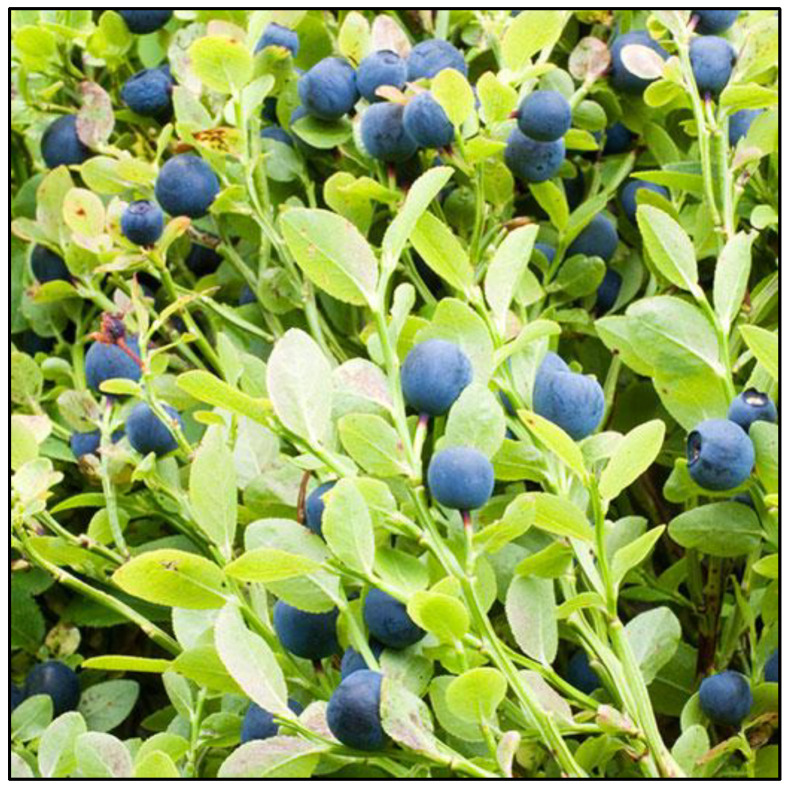 Figure 1
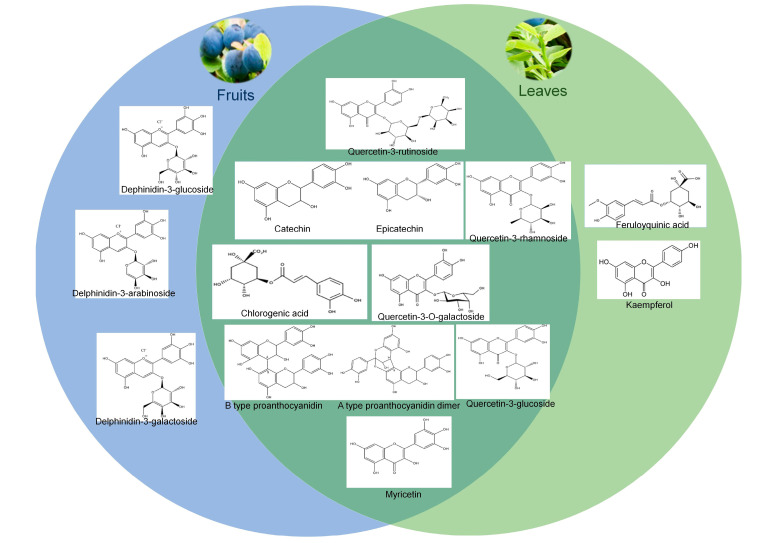 Figure 2
Peer Reviews
No public reviews on file for this paper yet. If you reviewed it on a platform where reviews are public (OpenReview, ICLR, NeurIPS, ICML), you can paste yours below so the community can read it here.
Videos
No videos yet. Explain this paper in a talk, walkthrough, or lecture? Add one.
Taxonomy
TopicsPhytochemicals and Antioxidant Activities · Hibiscus Plant Research Studies · Psidium guajava Extracts and Applications