UHPLC–Q–Orbitrap–HRMS-Based Multilayer Mapping of the Pharmacodynamic Substance Basis and Mechanistic Landscape of Maizibizi Wan in Chronic Nonbacterial Prostatitis Therapy
Maimaitiming Maihemuti, Muaitaer Nuermaimaiti, Wuermaitihan Maimaitiming, Alimujiang Paierhati, Hailong Ji, Muhammatjan Abduwaki, Xinzhou Yang, Nabijan Mohammadtursun

TL;DR
This study identifies the active compounds and mechanisms of Maizibizi Wan in treating chronic nonbacterial prostatitis using advanced analytical and computational methods.
Contribution
The study provides a multilayer pharmacodynamic and mechanistic analysis of Maizibizi Wan using UHPLC-Q-Orbitrap-HRMS and network pharmacology.
Findings
188 chemical constituents were identified in Maizibizi Wan, including flavonoids, organic acids, and alkaloids.
35 blood-absorbable components were found, mainly undergoing oxidation and glucuronidation/sulfation.
MZBZ reduced inflammation and modulated key pathways like NF-κB and PI3K/AKT in a rat model of chronic nonbacterial prostatitis.
Abstract
Background: Chronic nonbacterial prostatitis (CNP), the major subset of chronic prostatitis/chronic pelvic pain syndrome (CP/CPPS), imposes a substantial global burden yet lacks satisfactory therapies. Maizibizi Wan (MZBZ) has long been used clinically for prostatitis, but its pharmacodynamic substance basis and mechanisms remain unclear. Methods: Ultra-high-performance liquid chromatography–Q-Orbitrap high-resolution mass spectrometry (UHPLC-Q-Orbitrap-HRMS) coupled with Global Natural Products Social Molecular Networking (GNPS) molecular networking profiled MZBZ constituents and rat plasma–exposed prototype components and metabolites was used. Based on blood-absorbable components, network pharmacology predicted core targets/pathways; representative interactions were validated by molecular docking. A λ-carrageenan–induced CNBP rat model underwent histopathology (H&E), serum cytokine…
Genes, proteins, chemicals, diseases, species, mutations and cell lines named across the full text — each resolved to its canonical identifier and authoritative record.
Click any figure to enlarge with its caption.
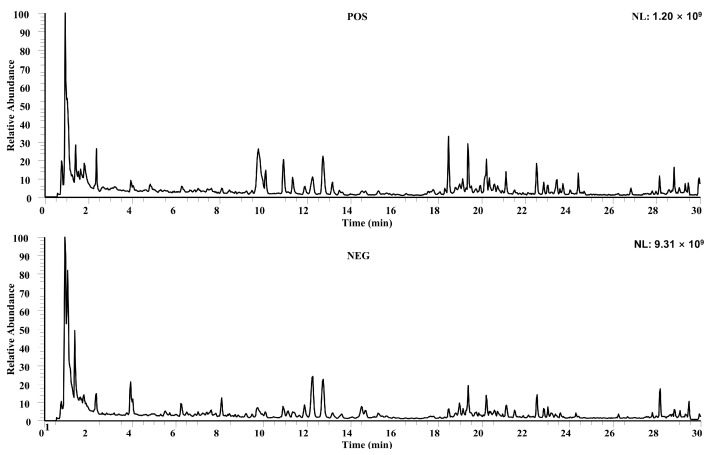 Figure 1
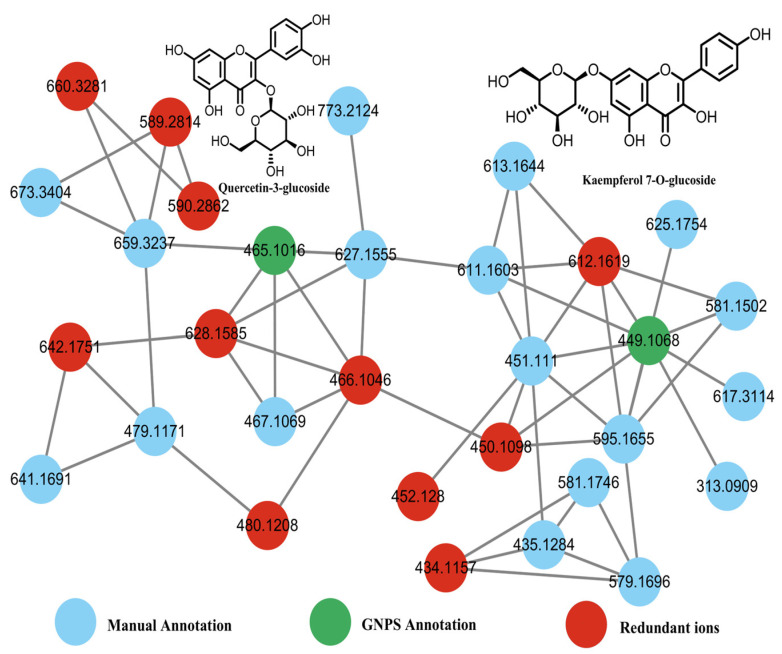 Figure 2
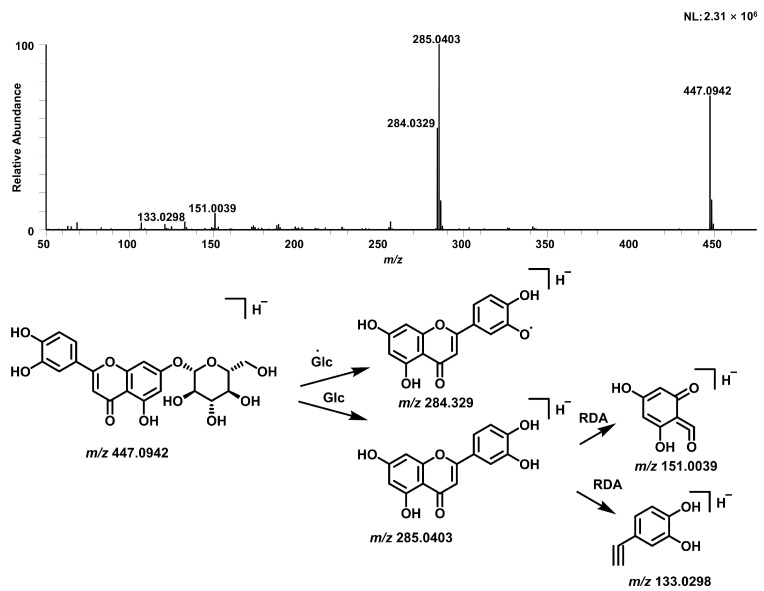 Figure 3
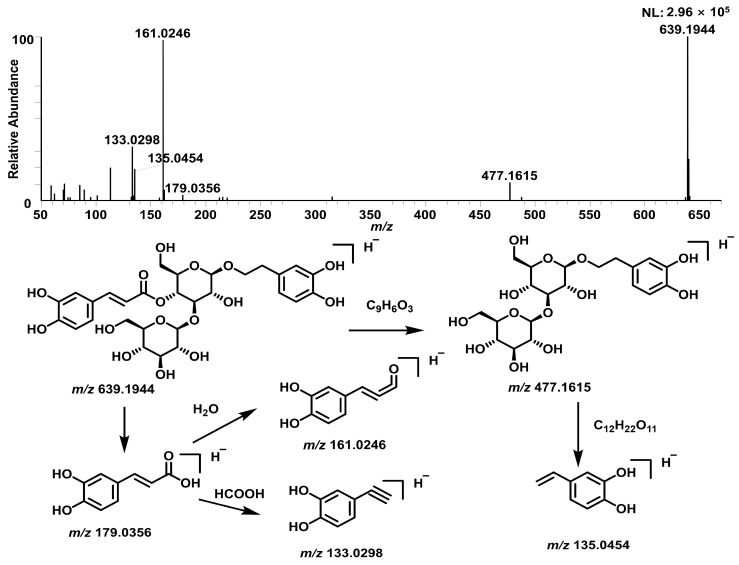 Figure 4
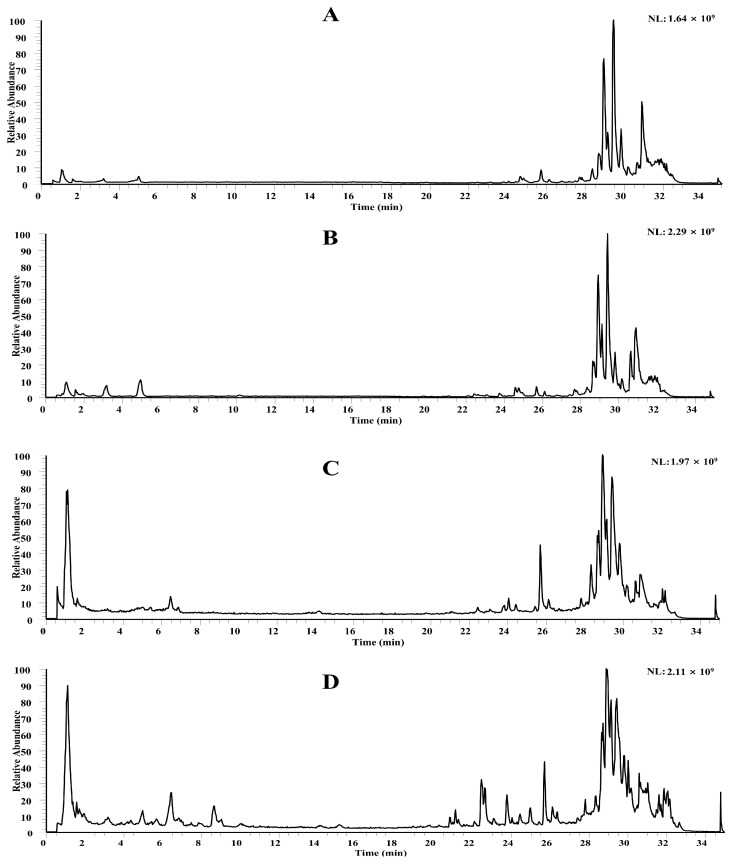 Figure 5
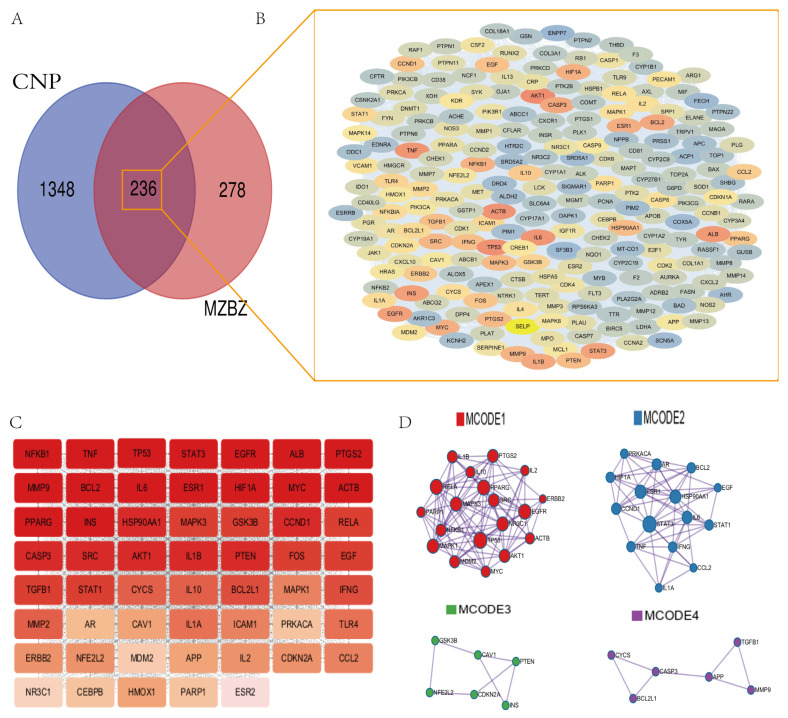 Figure 6
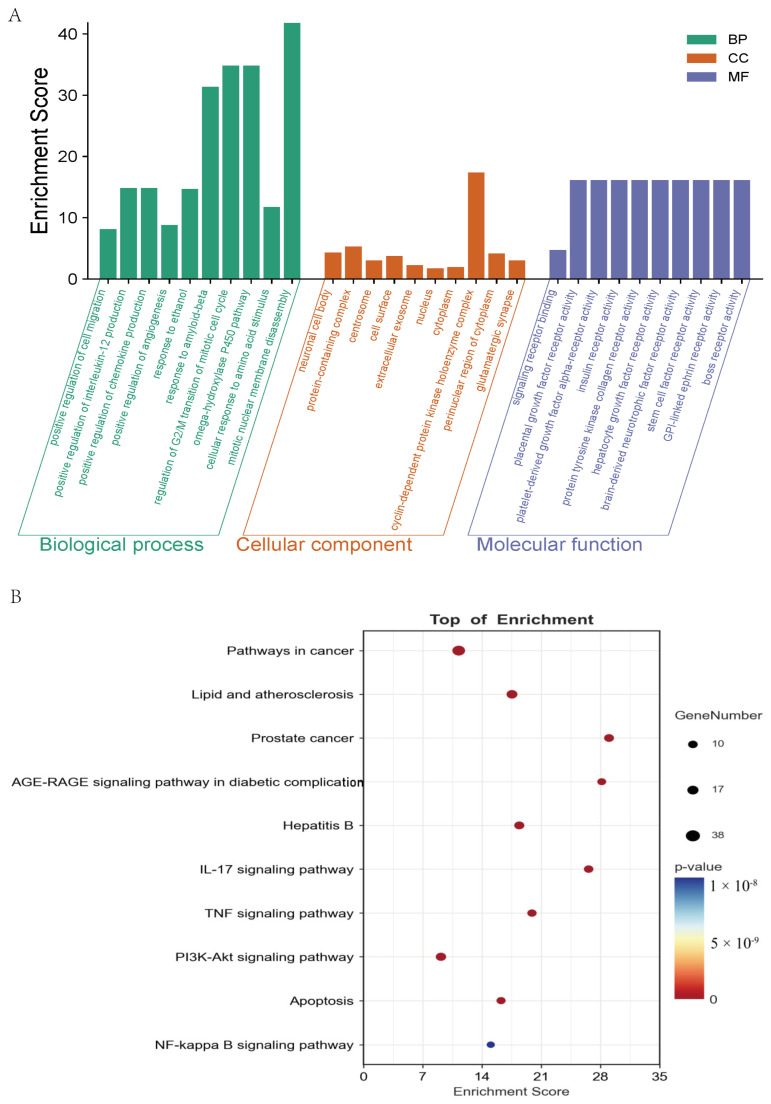 Figure 7
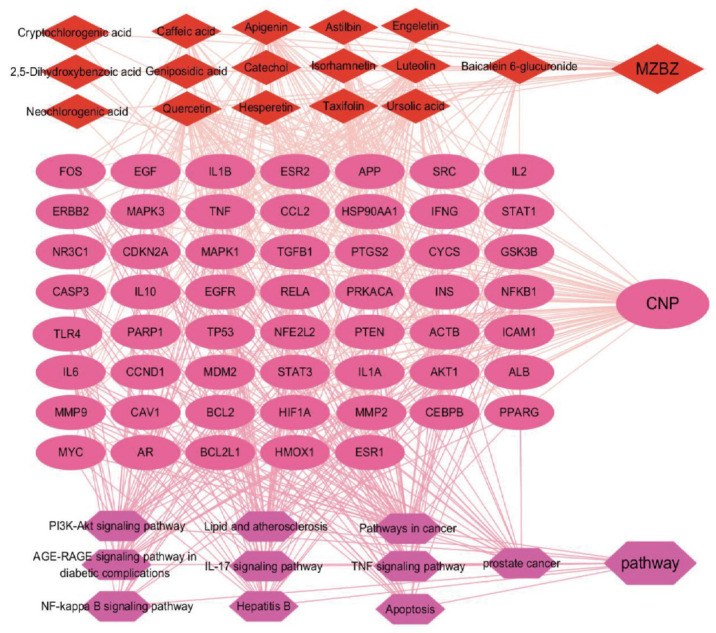 Figure 8
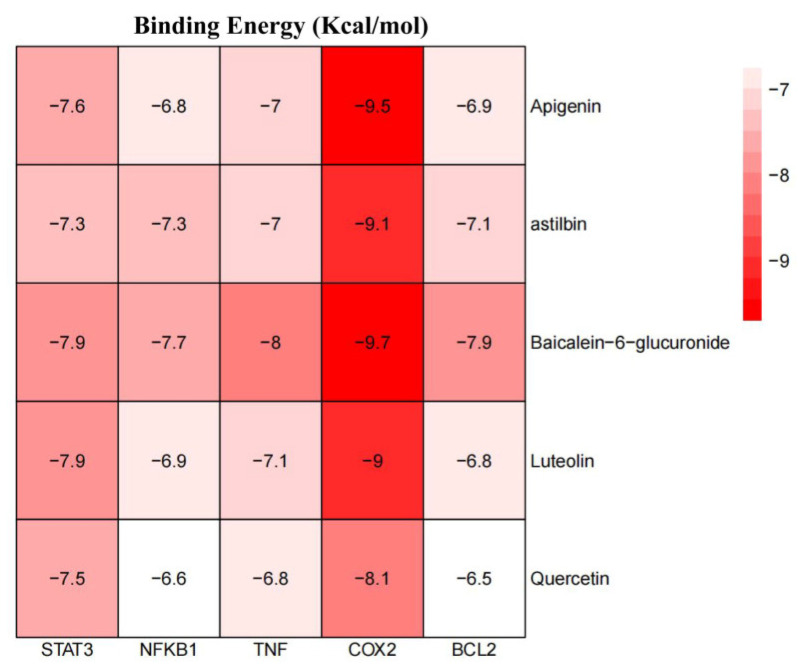 Figure 9
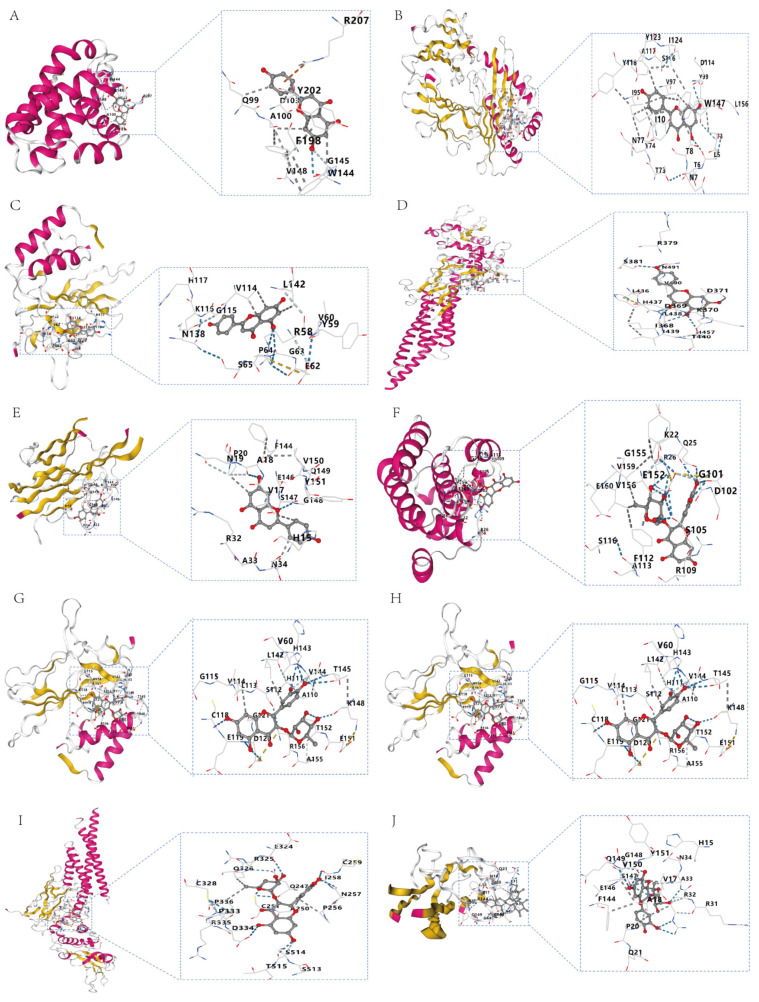 Figure 10
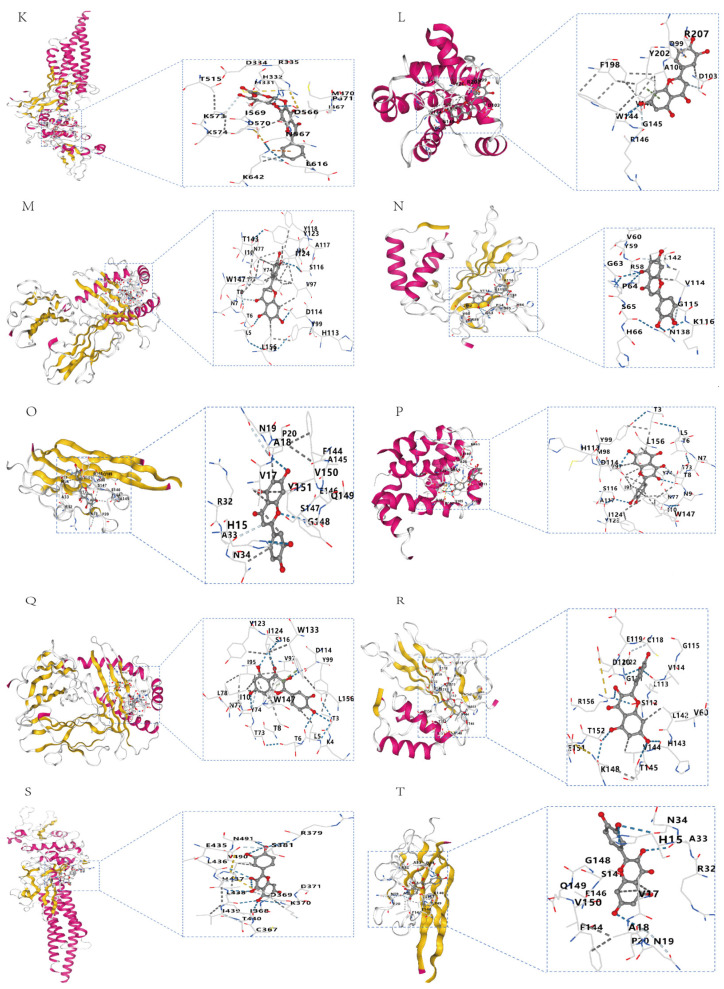 Figure 11
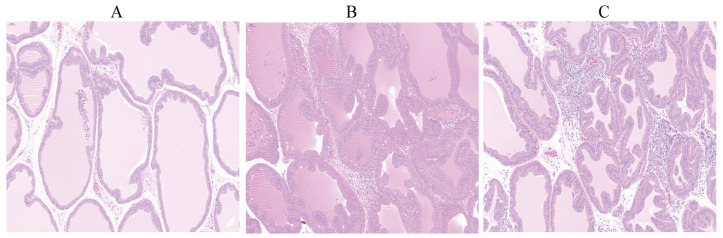 Figure 12
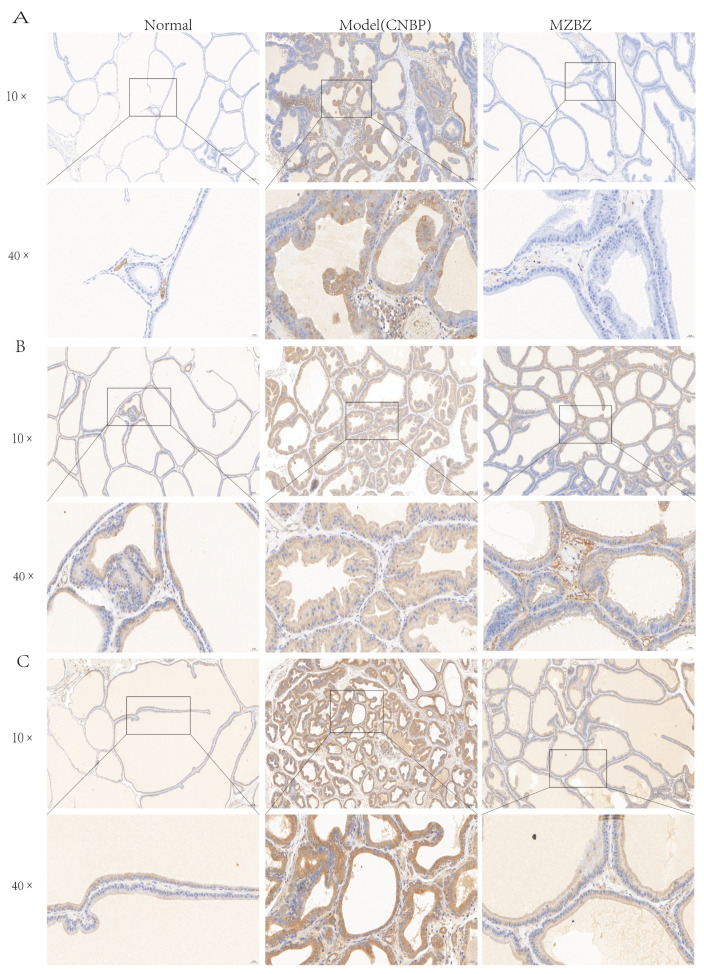 Figure 13
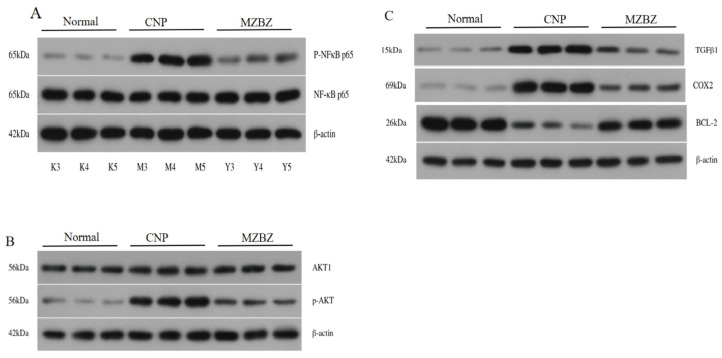 Figure 14
Peer Reviews
No public reviews on file for this paper yet. If you reviewed it on a platform where reviews are public (OpenReview, ICLR, NeurIPS, ICML), you can paste yours below so the community can read it here.
Videos
No videos yet. Explain this paper in a talk, walkthrough, or lecture? Add one.
Taxonomy
TopicsTraditional Chinese Medicine Analysis · Plant-based Medicinal Research · Metabolomics and Mass Spectrometry Studies