Functional Analysis Identifies Multiple Effectors of Candidatus Liberibacter Asiaticus Suppressing Plant Pattern-Triggered Immunity
Zhuoyuan He, Hongyan Li, Zonghui Zhao, Desen Wang, Hong Wu, Mei Bai, Xiangxiu Liang, Jian-Bin Yu

TL;DR
The study identifies several effectors from Candidatus Liberibacter asiaticus that suppress plant immunity, helping the pathogen cause citrus disease.
Contribution
The paper identifies multiple CLas-specific effectors that suppress plant pattern-triggered immunity, including one that interacts with a key ROS-producing enzyme.
Findings
Ten candidate effectors were found to suppress plant immunity, including INF-induced cell death and ROS bursts.
Stable expression of some effectors in Arabidopsis increased plant susceptibility to Pst DC3000 and inhibited flg22-induced ROS and MAPK activation.
Effector E3 (CLIBASIA_03085) interacts with RbohD, a key enzyme in ROS production, suggesting a direct mechanism of immune suppression.
Abstract
Candidatus Liberibacter spp. can infect most citrus plants and rely entirely on phloem sieve tube cells of the host plant for survival. Candidatus Liberibacter primarily contains Ca. L. asiaticus (CLas), Ca. L. africanus (CLaf), and Ca. L. americanus (CLam). Among these, CLas is the most harmful and widely distributed and is the primary pathogen of the devastating citrus disease Huanglongbing (HLB). Effectors are among the core weapons secreted by pathogens into plant cells to attack the plant immune system. In this study, we focused on CLas-specific effectors and those that are highly expressed during the infection stage to identify essential virulence effectors. Using secretion signal peptide prediction analysis, 40 candidate effectors with potential secretory capabilities were identified. Transient expression of these candidate effectors in Nicotiana benthamiana revealed their impact…
Genes, proteins, chemicals, diseases, species, mutations and cell lines named across the full text — each resolved to its canonical identifier and authoritative record.
Click any figure to enlarge with its caption.
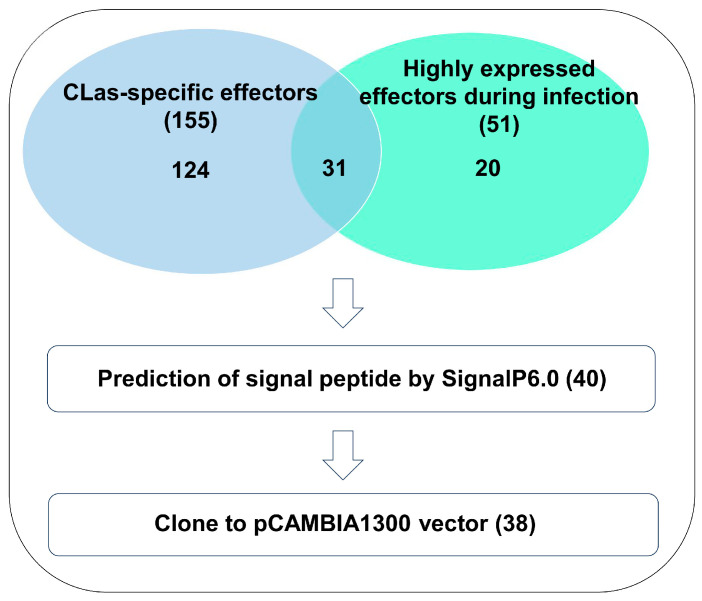 Figure 1
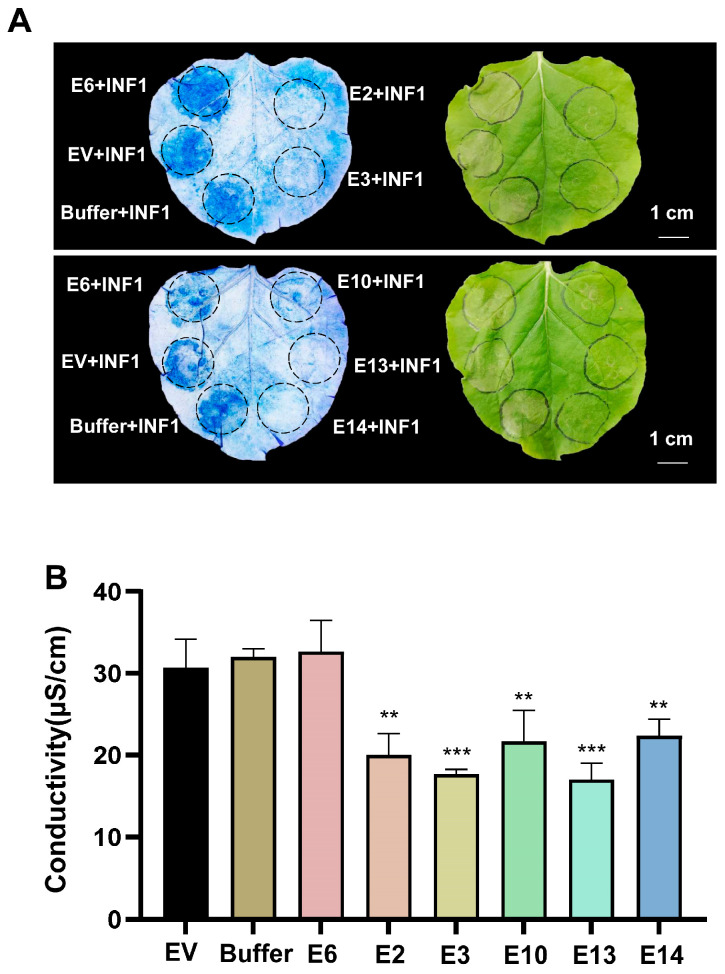 Figure 2
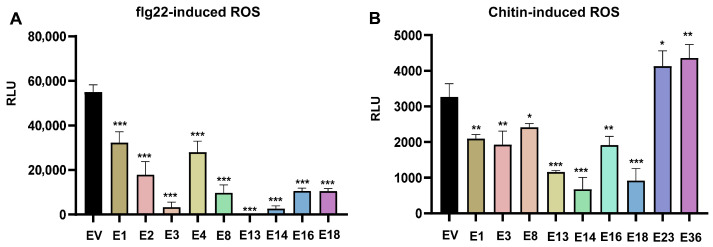 Figure 3
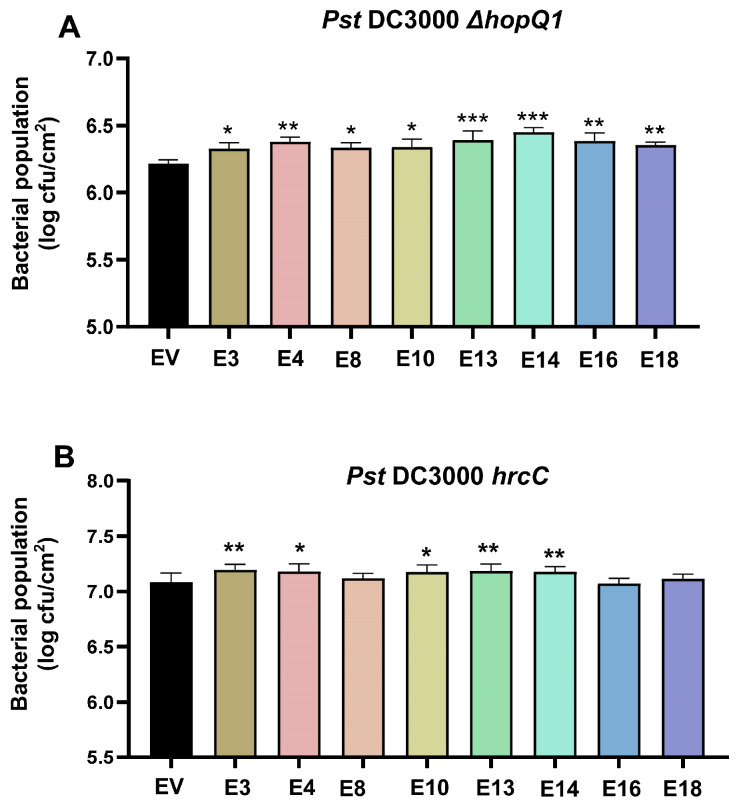 Figure 4
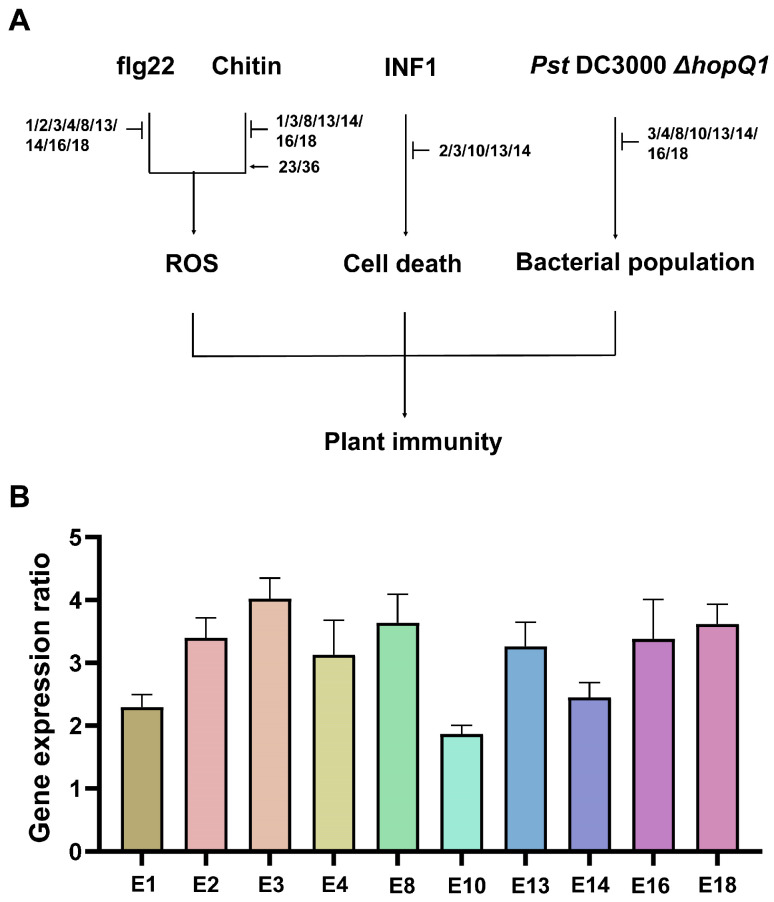 Figure 5
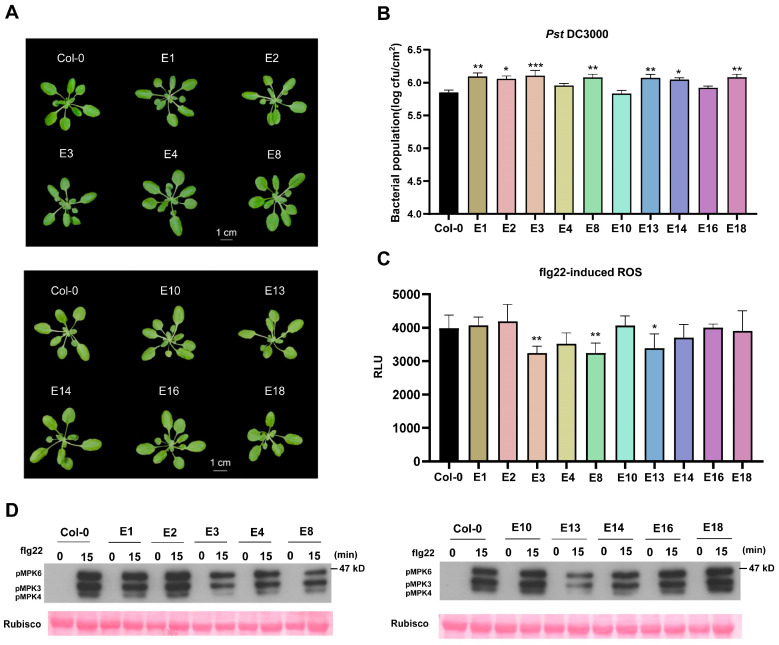 Figure 6
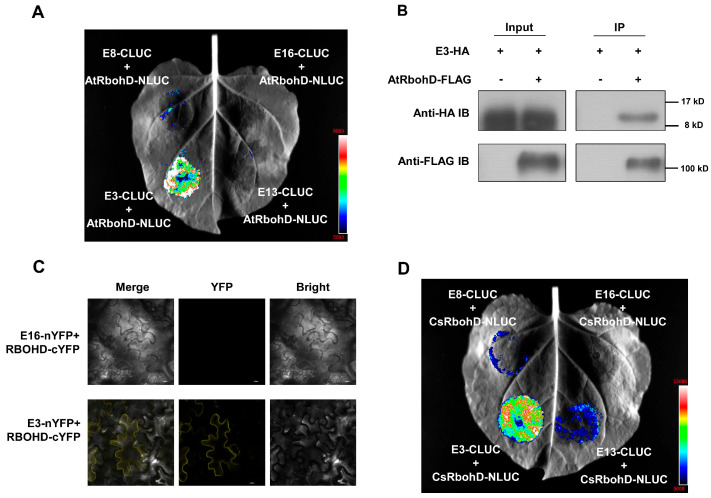 Figure 7
Peer Reviews
No public reviews on file for this paper yet. If you reviewed it on a platform where reviews are public (OpenReview, ICLR, NeurIPS, ICML), you can paste yours below so the community can read it here.
Videos
No videos yet. Explain this paper in a talk, walkthrough, or lecture? Add one.
Taxonomy
TopicsPhytoplasmas and Hemiptera pathogens · Plant Pathogenic Bacteria Studies · Plant-Microbe Interactions and Immunity