Neuroprotective Potential of SGLT2 Inhibitors in Animal Models of Alzheimer’s Disease and Type 2 Diabetes Mellitus: A Systematic Review
Azim Haikal Md Roslan, Tengku Marsya Hadaina Tengku Muhazan Shah, Shamin Mohd Saffian, Lisha Jenny John, Muhammad Danial Che Ramli, Che Mohd Nasril Che Mohd Nassir, Mohd Kaisan Mahadi, Zaw Myo Hein

TL;DR
This review finds that SGLT2 inhibitors may protect the brain in animal models of Alzheimer's and type 2 diabetes by improving memory and reducing harmful proteins and inflammation.
Contribution
The study systematically reviews and meta-analyzes the neuroprotective effects of SGLT2 inhibitors in animal models of Alzheimer’s and T2DM.
Findings
SGLT2 inhibitors significantly improved spatial memory in both T2DM and Alzheimer’s disease animal models.
Treatment reduced amyloid-beta accumulation, oxidative stress, and inflammation in brain regions like the hippocampus and cortex.
Escape latency and target quadrant time in the Morris Water Maze test improved with SGLT2 inhibitor use.
Abstract
Background: Alzheimer’s disease (AD) features progressive cognitive decline and amyloid-beta (Aβ) accumulation. Insulin resistance in type 2 diabetes mellitus (T2DM) is increasingly recognised as a mechanistic link between metabolic dysfunction and neurodegeneration. Although sodium–glucose cotransporter-2 inhibitors (SGLT2is) have established glycaemic and cardioprotective benefits, their neuroprotective role remains less well defined. Objectives: This systematic review examines animal studies on the neuroprotective effects of SGLT2i in T2DM and AD models. Methods: A literature search was conducted across the Web of Science, Scopus, and PubMed databases, covering January 2014 to November 2024. Heterogeneity was assessed with I2, and data were pooled using fixed-effects models, reported as standardised mean differences with 95% confidence intervals. We focus on spatial memory…
Genes, proteins, chemicals, diseases, species, mutations and cell lines named across the full text — each resolved to its canonical identifier and authoritative record.
Click any figure to enlarge with its caption.
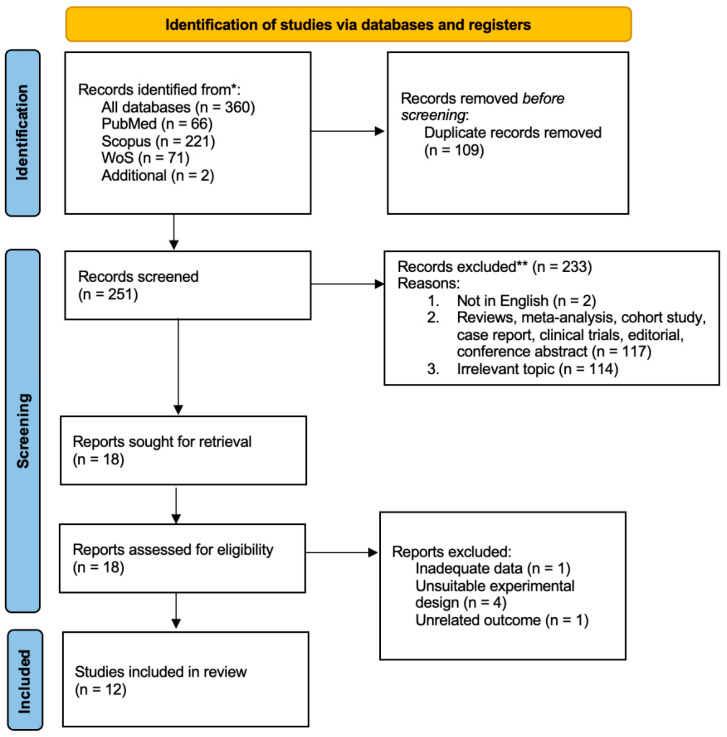 Figure 1
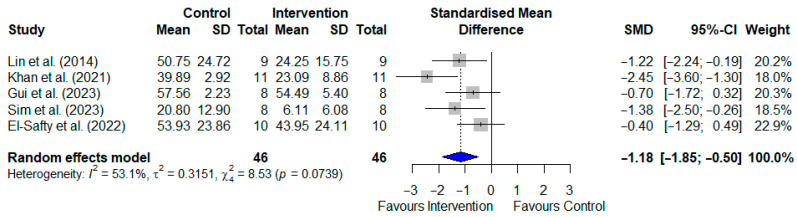 Figure 2
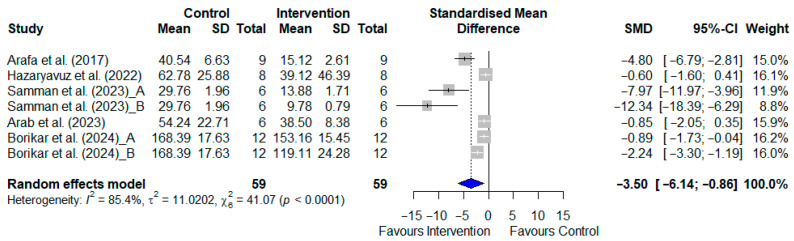 Figure 3
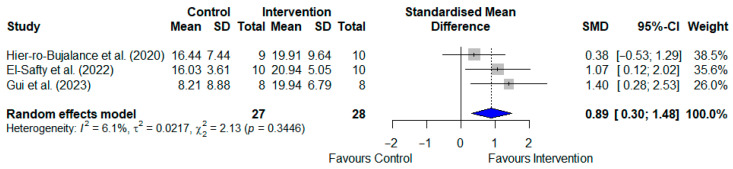 Figure 4
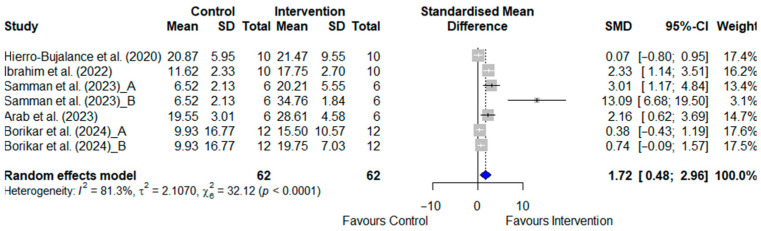 Figure 5
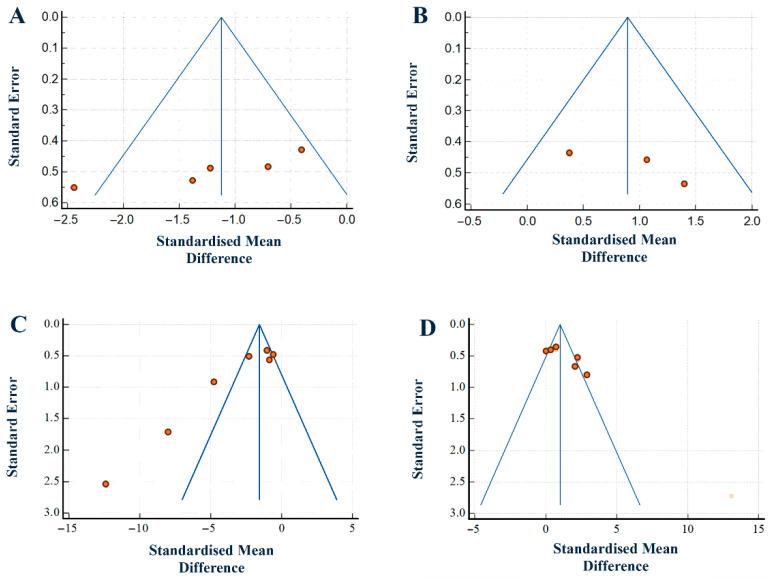 Figure 6
Peer Reviews
No public reviews on file for this paper yet. If you reviewed it on a platform where reviews are public (OpenReview, ICLR, NeurIPS, ICML), you can paste yours below so the community can read it here.
Videos
No videos yet. Explain this paper in a talk, walkthrough, or lecture? Add one.
Taxonomy
TopicsDiabetes Treatment and Management · Alzheimer's disease research and treatments · Neurological Disease Mechanisms and Treatments