Resequencing and De Novo Assembly of Leishmania (Viannia) guyanensis from Amazon Region: Genome Assessment, Phylogenetic Insights and Therapeutic Targets
Lucas George Assunção Costa, Edivaldo Costa Sousa Junior, Camila Cristina Cardoso, Millena Arnaud Franco da Igreja, Franklyn Samudio Acosta, Fabiano Reis da Silva, Lourdes Maria Garcez

TL;DR
This paper presents a genomic analysis of Leishmania guyanensis, identifying genetic variations and potential drug targets to improve treatment outcomes.
Contribution
The study provides a new genome assembly and identifies novel candidate genes for therapeutic development in L. guyanensis.
Findings
The assembled genome of L. guyanensis is 31 Mb with an N50 of 4743 bp and 40.85× coverage.
Ten candidate genes, including calpain and GSK3 family members, were identified as potential therapeutic targets.
Phylogenetic analysis using polA1 gene showed L. guyanensis clusters closely, with L. martiniquensis being the most divergent.
Abstract
Leishmania guyanensis is one of 15 American human-pathogenic species, frequently linked to therapeutic failure due to its marked genetic plasticity and adaptability under drug pressure. To broaden the genomic understanding of this species, its biological traits, and potential therapeutic alternatives, we sequenced the L. guyanensis strain MHOM/BR/75/M4147. Raw reads underwent quality-filtering and assembly. Taxonomic classification utilized BLASTn and Kraken2, confirming that 99.95% of contigs matched Leishmania. The assembled genome size was 31 Mb, with an N50 of 4743 bp and 40.85× coverage. Variant calling subsequently identified 36,665 SNPs, 8210 indels, and chromosomal aneuploidies. Genomic annotation identified 3119 proteins with known molecular functions in L. guyanensis, alongside 6371 orthologous genes shared with L. major and L. panamensis. The search for pharmacological…
Genes, proteins, chemicals, diseases, species, mutations and cell lines named across the full text — each resolved to its canonical identifier and authoritative record.
Click any figure to enlarge with its caption.
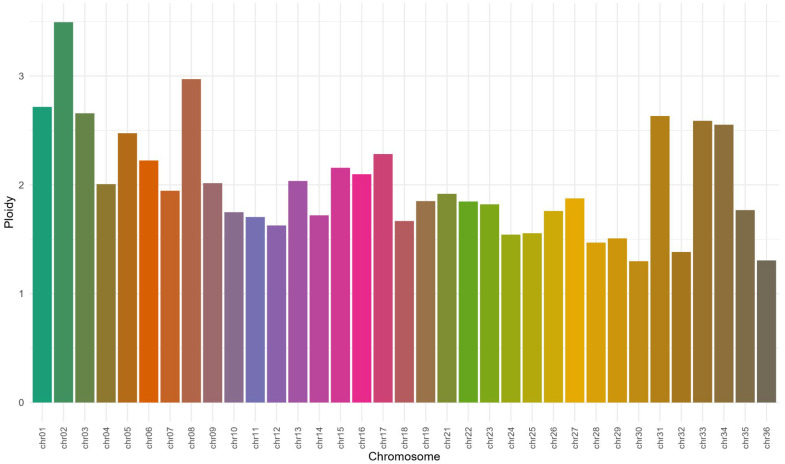 Figure 1
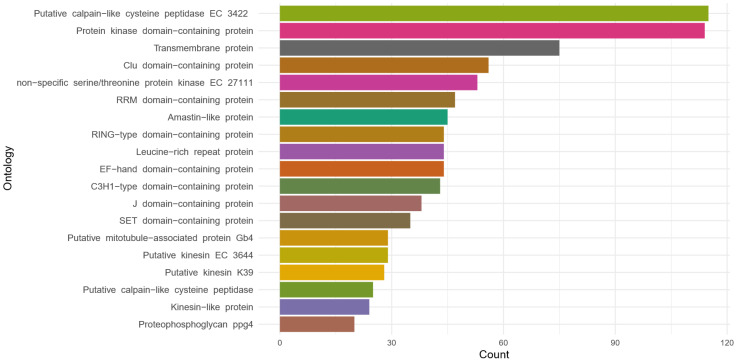 Figure 2
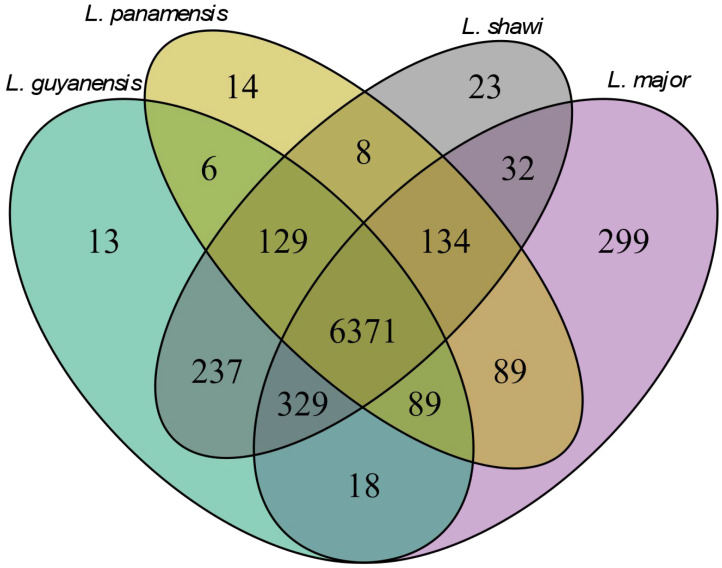 Figure 3
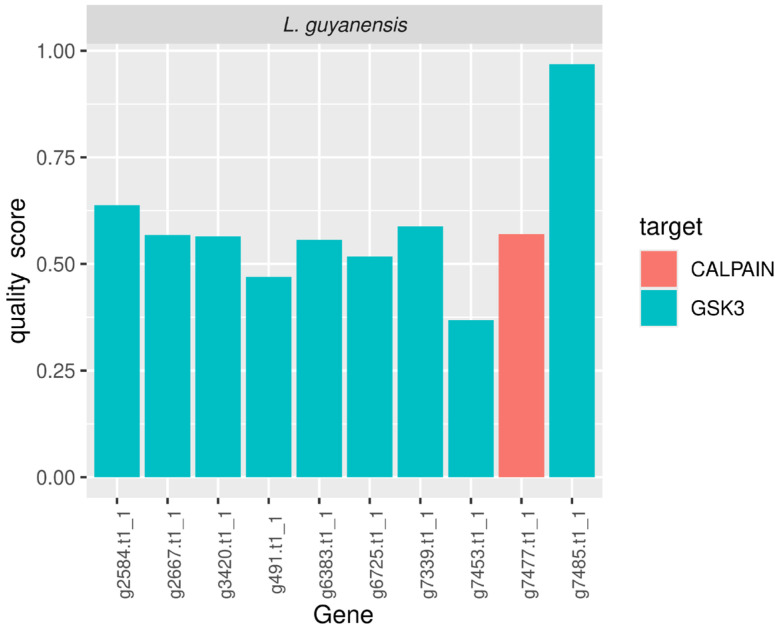 Figure 4
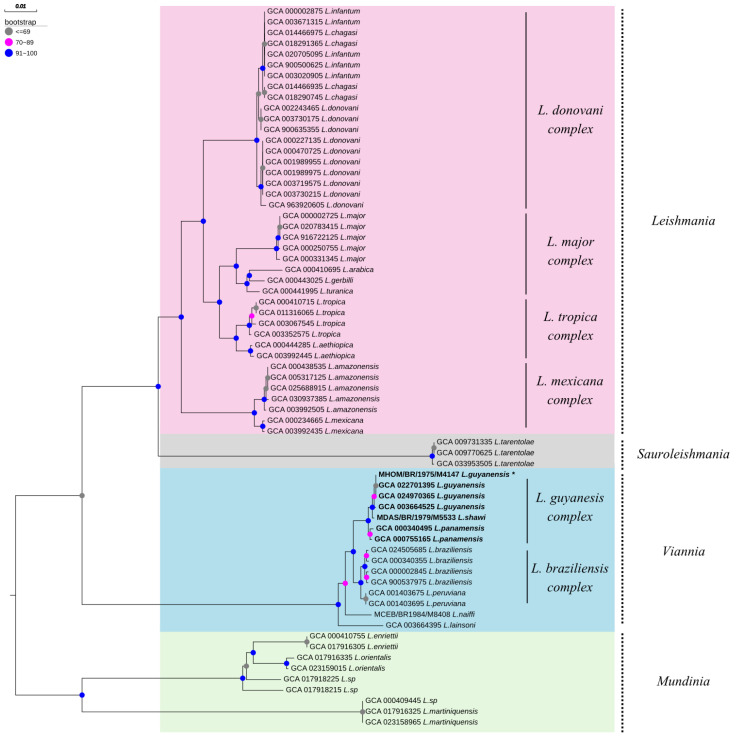 Figure 5
Peer Reviews
No public reviews on file for this paper yet. If you reviewed it on a platform where reviews are public (OpenReview, ICLR, NeurIPS, ICML), you can paste yours below so the community can read it here.
Videos
No videos yet. Explain this paper in a talk, walkthrough, or lecture? Add one.
Taxonomy
TopicsResearch on Leishmaniasis Studies · Trypanosoma species research and implications · Protease and Inhibitor Mechanisms