Unveiling the Phytochemical Diversity of Pereskia aculeata Mill. and Pereskia grandifolia Haw.: An Antioxidant Investigation with a Comprehensive Phytochemical Analysis by Liquid Chromatography with High-Resolution Mass Spectrometry
Eduarda C. Amaral, Alan de A. Veiga, Juliana C. Atherino, Wesley M. de Souza, Diogo H. Kita, Francislaine A. Lívero, Gustavo da Silva Ratti, Simony R. B. Rosa, Ezilda Jacomassi, Lauro M. de Souza

TL;DR
This study compares the phytochemical and antioxidant properties of two Pereskia species, finding differences in their chemical composition and health benefits.
Contribution
The study identifies novel saponins in P. grandifolia and highlights distinct antioxidant profiles between the two species.
Findings
P. aculeata has higher phenolic and flavonoid content with stronger chemical antioxidant effects.
P. grandifolia contains novel saponins and shows greater cellular antioxidant activity.
Both species contain tryptophan-derived alkaloids, but hypaphorine is unique to P. aculeata.
Abstract
Background/Objectives:Pereskia aculeata and Pereskia grandifolia belong to the Cactaceae family, despite their foliar and woody stem characteristics. Both species are commonly known as Ora-pro-nóbis (derived from Latin, meaning “pray for us”), a name rooted in their historical use in colonial Brazil due to their nutritional value, particularly P. aculeata, which is frequently described as a high-protein food source. The goal of the present study was to compare these species based on phytochemical composition and antioxidant capacity. Methods: Both species were investigated for their chemical antioxidant properties (DPPH and phosphomolybdenum complex) and cellular anti-ROS activity using the CACO-2 cell line. A comprehensive phytochemical analysis was performed using LC-MS and GC-MS. Results: P. aculeata exhibited a more abundant content of phenolics and flavonoids, with greater…
Genes, proteins, chemicals, diseases, species, mutations and cell lines named across the full text — each resolved to its canonical identifier and authoritative record.
Click any figure to enlarge with its caption.
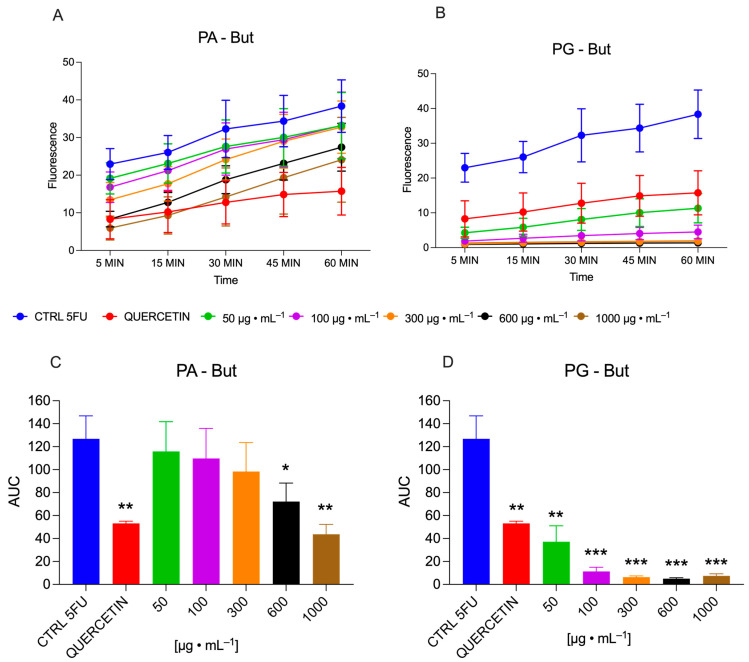 Figure 1
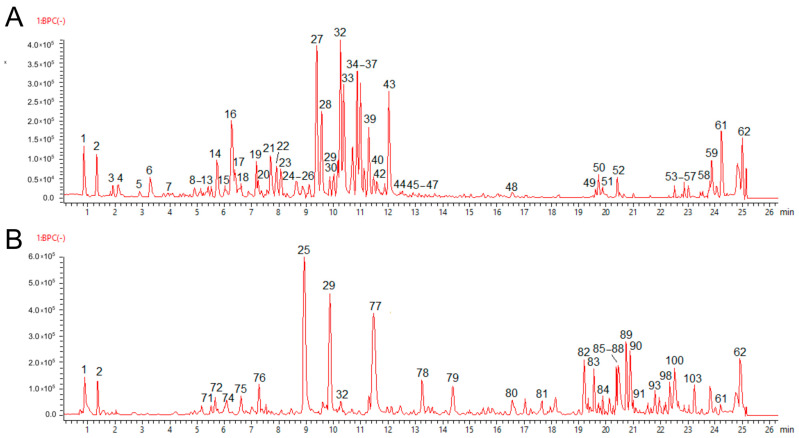 Figure 2
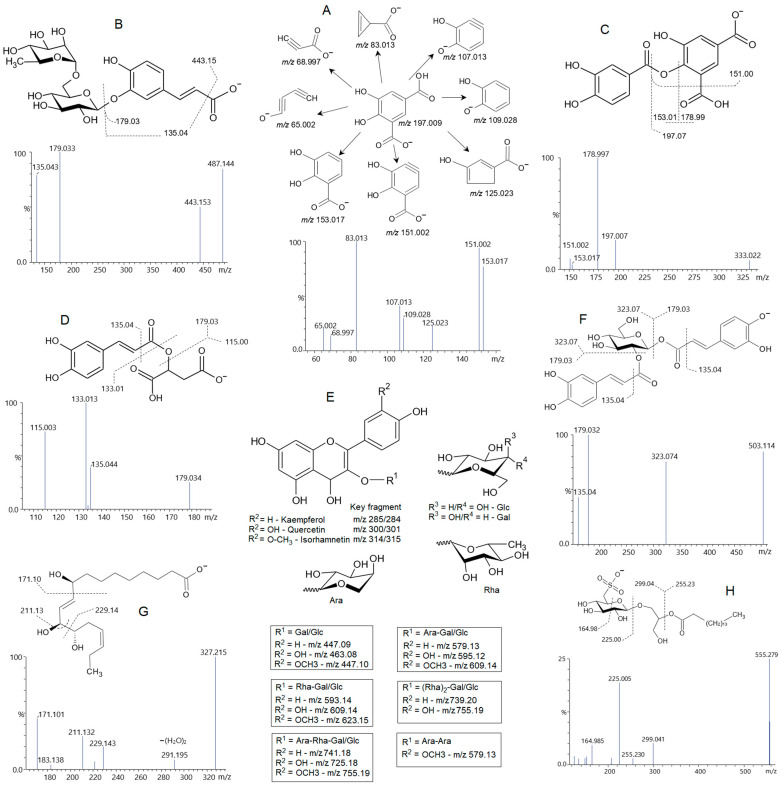 Figure 3
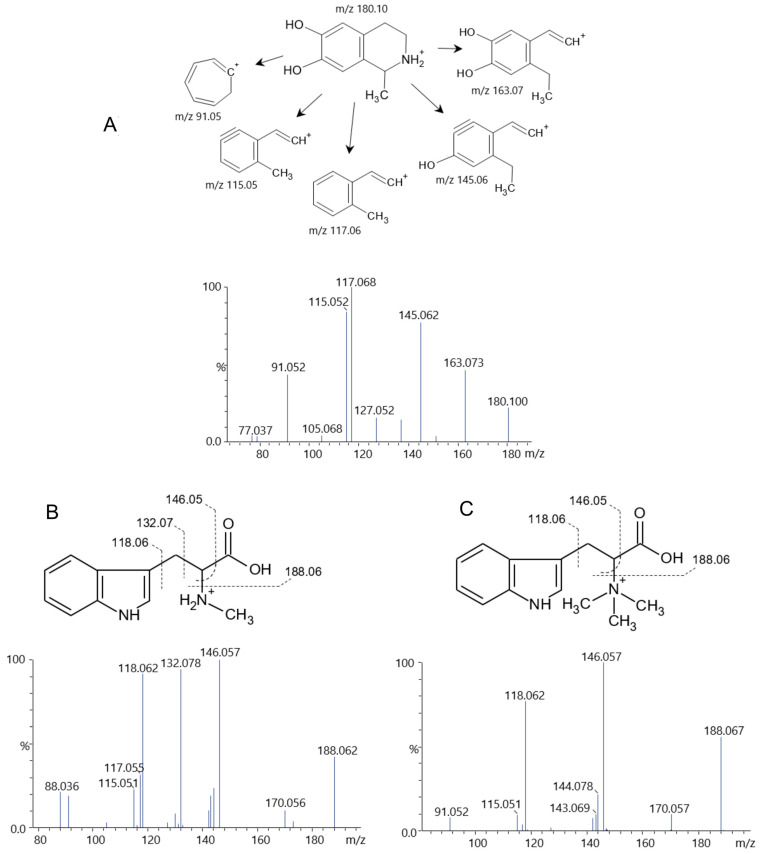 Figure 4
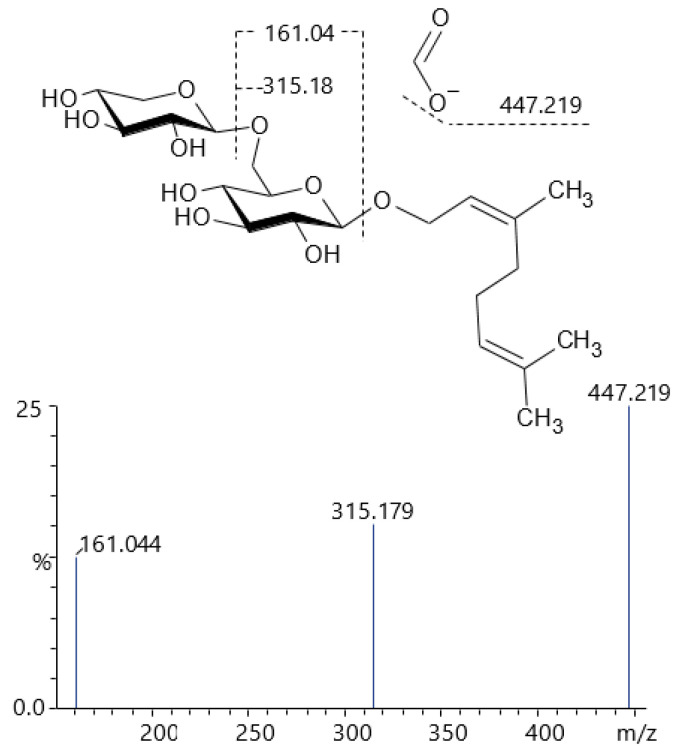 Figure 5
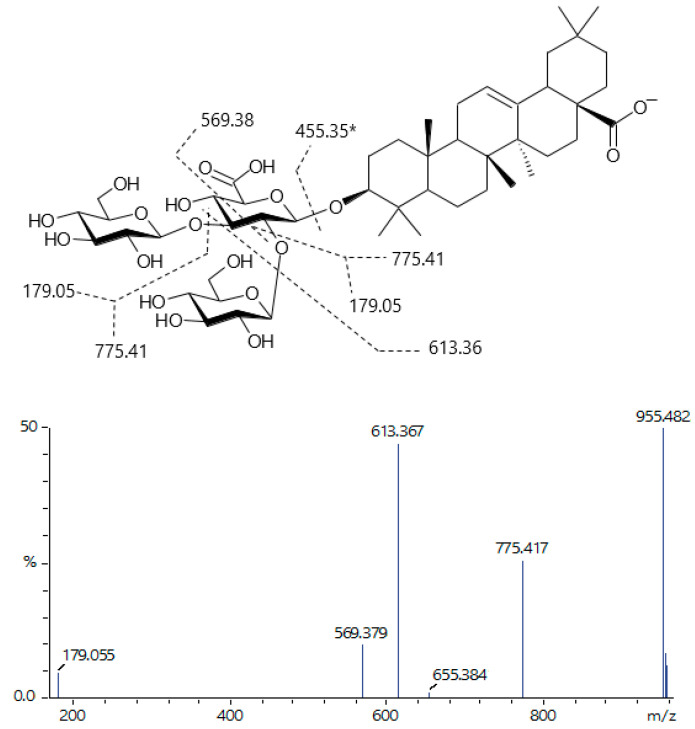 Figure 6
Peer Reviews
No public reviews on file for this paper yet. If you reviewed it on a platform where reviews are public (OpenReview, ICLR, NeurIPS, ICML), you can paste yours below so the community can read it here.
Videos
No videos yet. Explain this paper in a talk, walkthrough, or lecture? Add one.
Taxonomy
TopicsBotanical Research and Applications · Phytochemistry Medicinal Plant Applications · Cassava research and cyanide