In Silico Studies and Biological Evaluation of Thiosemicarbazones as Cruzain-Targeting Trypanocidal Agents for Chagas Disease
Lidiane Meier, Milena F. C. V. de Melo, Heitor R. Abreu, Isabella M. e Oliveira, Larissa Sens, Thiago H. Doring, Renata Krogh, Adilson Beatriz, Adriano D. Andricopulo, Sumbal Saba, Aldo S. de Oliveira, Jamal Rafique

TL;DR
Scientists tested new compounds that inhibit a key enzyme in Chagas disease parasites, showing strong effectiveness and low toxicity.
Contribution
The study identifies thiosemicarbazone derivatives as potent cruzain inhibitors with favorable drug properties for treating Chagas disease.
Findings
Compounds H7, H10, and H11 inhibited cruzain with IC50 values below 0.5 µM.
These compounds showed low cytotoxicity in human fibroblasts with CC50 > 64 µM.
Structure–activity analysis revealed that aromatic systems and electron-donating groups enhance cruzain binding.
Abstract
Background/Objectives: Chagas disease remains a major unmet medical need due to the limited efficacy and safety of current therapies. Here, we investigated sixteen thiosemicarbazone (TSC) derivatives as cruzain inhibitors using an integrated in silico/in vitro workflow. Methods: Docking against cruzain (PDB 3KKU) guided hit prioritization and correlated with enzyme inhibition; validation by redocking supported the protocol’s reliability. Results: The top compounds—H7, H10 and H11—showed potent cruzain inhibition (IC50 = 0.306, 0.512 and 0.412 µM, respectively) and low-micromolar trypanocidal activity, with negligible cytotoxicity in human fibroblasts (CC50 > 64 µM) and favorable selectivity. Structure–activity insights highlighted the role of expanded aromatic systems and electron-donating groups in enhancing binding within S2/S1′ subsites, while nitro substituents were associated with…
Genes, proteins, chemicals, diseases, species, mutations and cell lines named across the full text — each resolved to its canonical identifier and authoritative record.
Click any figure to enlarge with its caption.
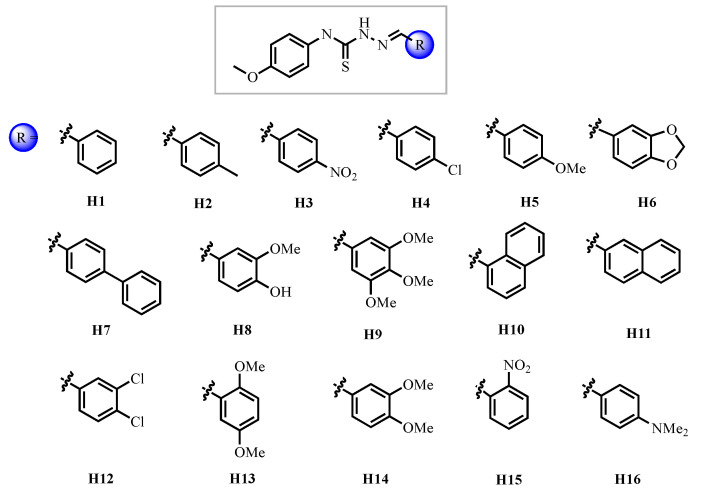 Figure 1
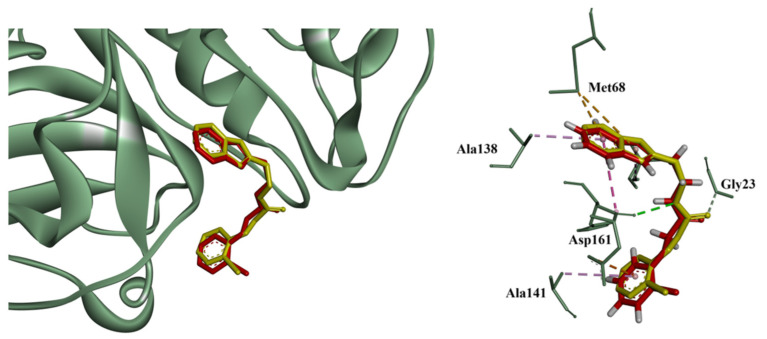 Figure 2
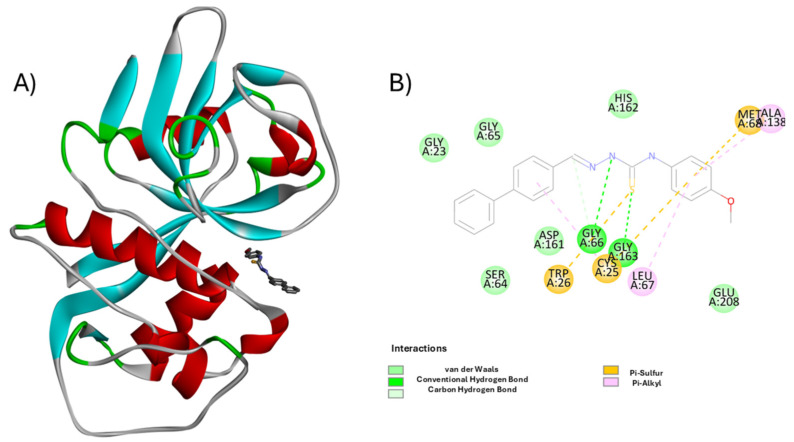 Figure 3
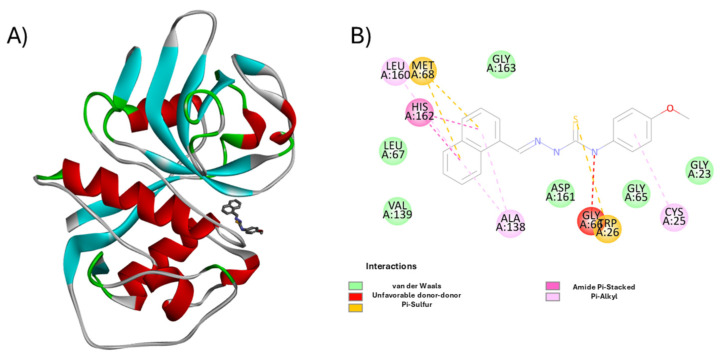 Figure 4
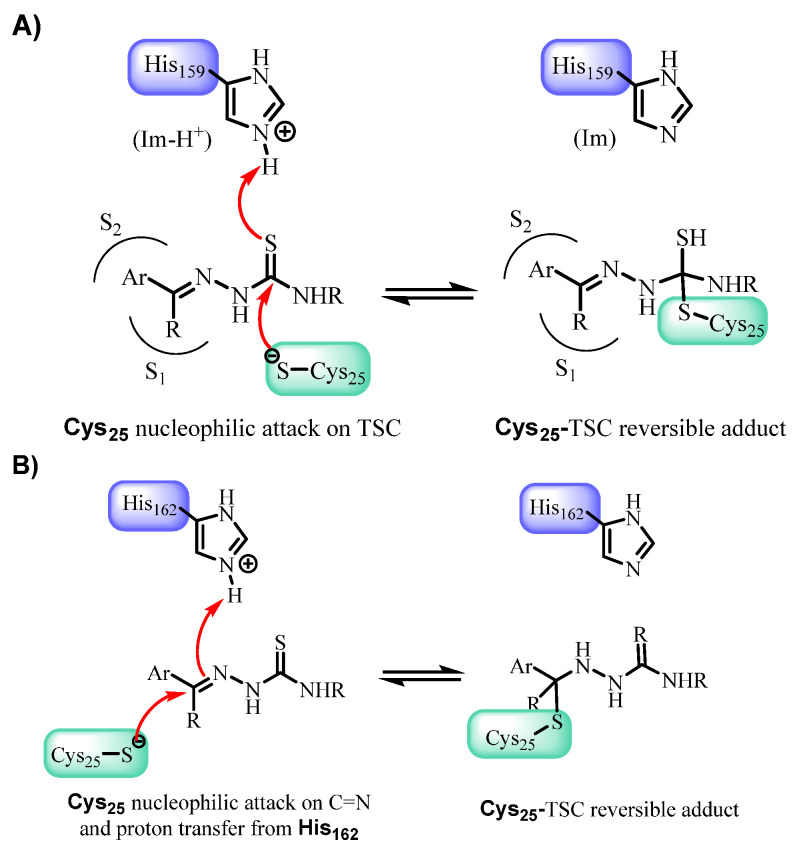 Figure 5
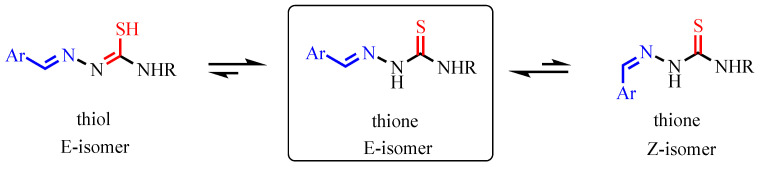 Figure 6
Peer Reviews
No public reviews on file for this paper yet. If you reviewed it on a platform where reviews are public (OpenReview, ICLR, NeurIPS, ICML), you can paste yours below so the community can read it here.
Videos
No videos yet. Explain this paper in a talk, walkthrough, or lecture? Add one.
Taxonomy
TopicsTrypanosoma species research and implications · Protein Structure and Dynamics · Research on Leishmaniasis Studies