The Controversial Link Between Human Papillomavirus Infection and Esophageal Health: An Exploratory Translational Study
Maximilian Egg, Markus Wiesmüller, Bertram Aschenbrenner, Lili Kazemi-Shirazi, Werner Dolak, Behrang Mozayani, Reinhard Kirnbauer, Michael Trauner, Bettina Huber, Alessandra Handisurya

TL;DR
This study explores whether human papillomavirus (HPV) contributes to esophageal papillomas, finding evidence that HPV6 may be involved in a rare condition called esophageal papillomatosis.
Contribution
The study provides new evidence linking HPV6 to esophageal papillomatosis and highlights differences between this condition and other esophageal papillomas.
Findings
HPV6 DNA was detected in esophageal papillomatous tissues, including those from esophageal papillomatosis.
HPV6-specific E1^E4 transcripts were found in esophageal papillomatosis tissue, indicating productive viral infection.
HPV6-specific antibodies were absent during natural infection but appeared after HPV vaccination.
Abstract
Evidence on the contribution of human papillomaviruses (HPVs) to the development of esophageal papillomas is still controversial. Esophageal papillomatosis (EP) is considered an exceedingly rare, but distinct entity within esophageal proliferations, with about 57 cases published so far. Tissues derived from an EP case and from non-EP esophageal papillomas were investigated for the presence of HPVs and virus-positive specimens were subsequently analyzed for transcriptional activity and surrogate markers of infection. Low-risk type HPV6 DNA was detected in a subset of the esophageal papillomatous tissues, including EP, and a variant isolate belonging to lineage A. In the EP tissue, the abundant expression of the viral E6/E7 mRNA and the presence of HPV6-specific E1^E4 transcripts, the latter indicative of productive viral infection, were detected. An analysis of HPV-specific neutralizing…
Genes, proteins, chemicals, diseases, species, mutations and cell lines named across the full text — each resolved to its canonical identifier and authoritative record.
Click any figure to enlarge with its caption.
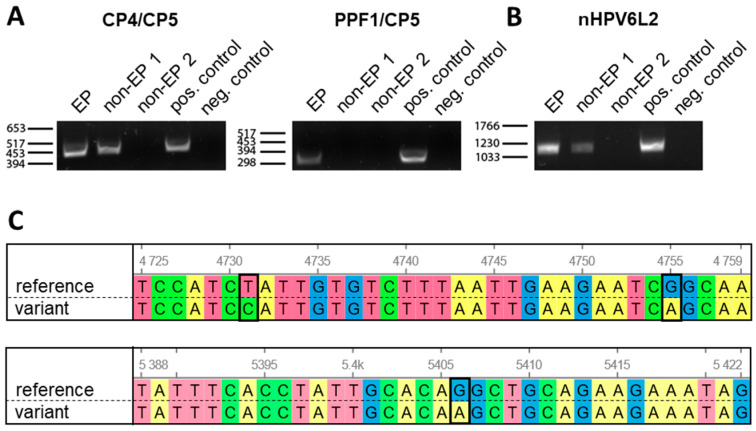 Figure 1
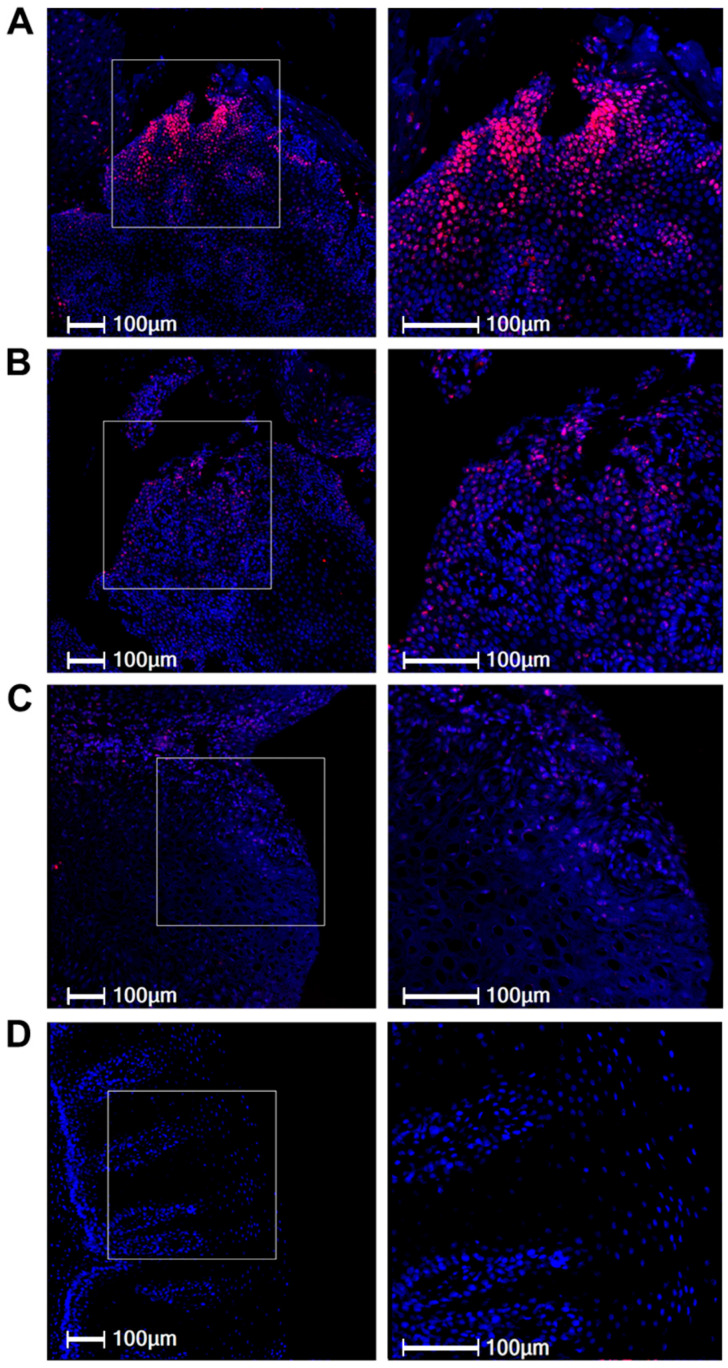 Figure 2
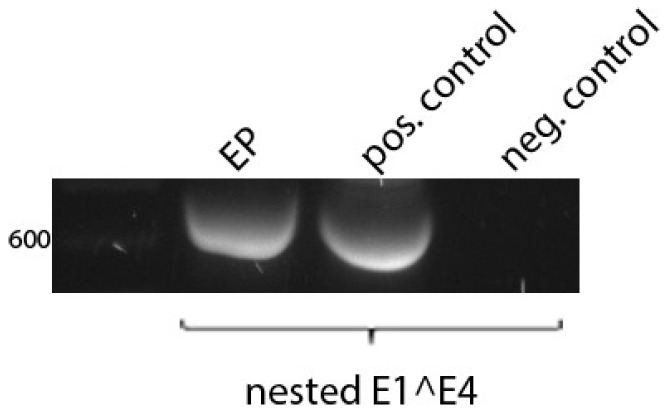 Figure 3
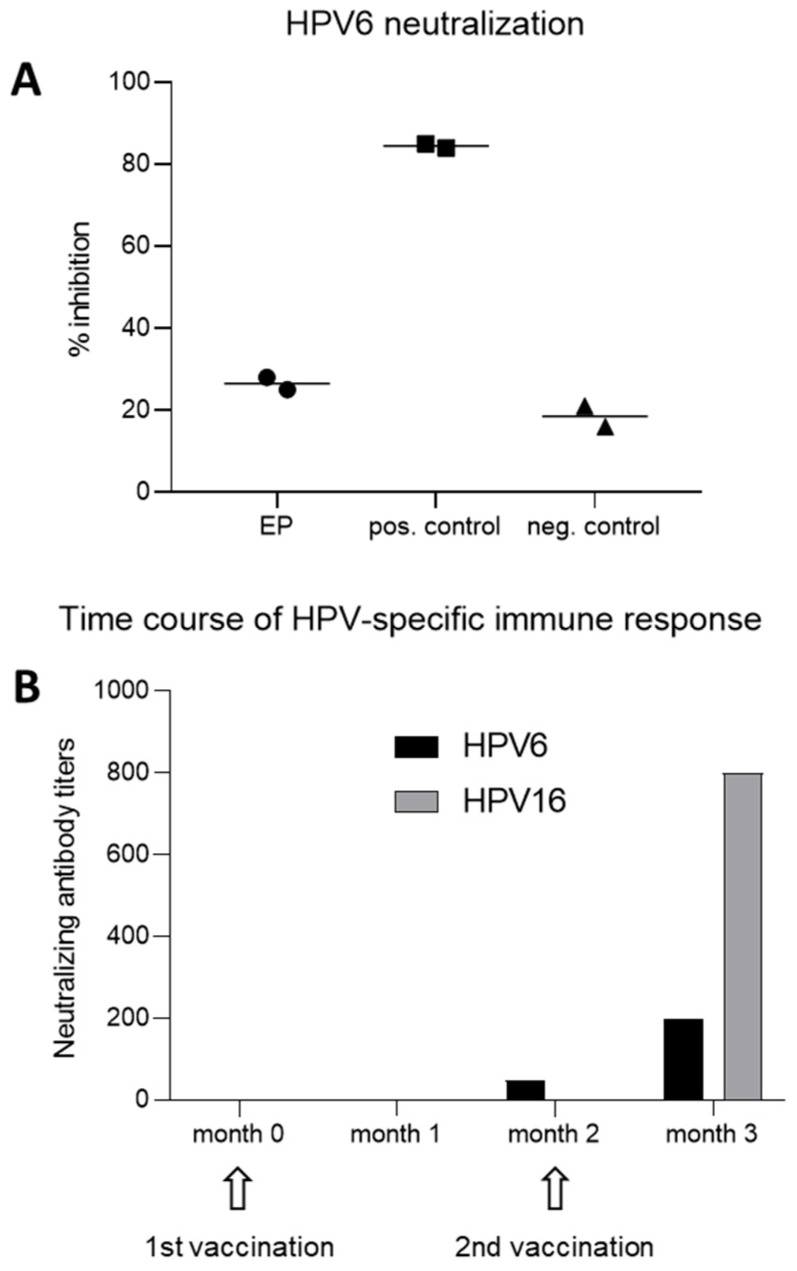 Figure 4
Peer Reviews
No public reviews on file for this paper yet. If you reviewed it on a platform where reviews are public (OpenReview, ICLR, NeurIPS, ICML), you can paste yours below so the community can read it here.
Videos
No videos yet. Explain this paper in a talk, walkthrough, or lecture? Add one.
Taxonomy
TopicsCervical Cancer and HPV Research · Esophageal Cancer Research and Treatment · Cancer-related Molecular Pathways