Harnessing Phytochemicals and Nanotechnology Synergy for Molecular, Epigenetic, and Microbiota-Driven Regulation in Type 2 Diabetes Mellitus
Gagan Prakash, Anis Ahmad Chaudhary, Ruchita Tanu, Mohamed A. M. Ali, Fehmi Boufahja, Pushpender K. Sharma, Sudarshan Singh Lakhawat, Tejpal Yadav, Navneet Kumar Upadhyay, Vikram Kumar

TL;DR
This review explores how combining plant-based compounds and nanotechnology can improve diabetes treatment by targeting molecular, epigenetic, and gut microbiota pathways.
Contribution
The paper introduces a novel integration of phytochemicals, nanotechnology, and microbiota modulation for precision diabetes therapy.
Findings
Phytochemicals like curcumin and berberine modulate key pathways such as AMPK and PI3K/AKT to improve insulin sensitivity.
Nanotechnology enhances the bioavailability and targeted delivery of phytochemicals, overcoming their solubility and stability issues.
Combining phytochemicals with microbiota modulation shows promise in improving glycemic control and reducing inflammation in T2DM.
Abstract
Type 2 diabetes mellitus (T2DM) is a multifaceted metabolic disorder marked by impaired insulin action, pancreatic β-cell dysfunction, and the involvement of several interconnected mechanisms, including inflammation, oxidative stress, and epigenetic alterations. Despite progress in conventional therapies, achieving durable glycemic control and minimizing complications remain major challenges. This review discusses the emerging role of bioactive phytochemicals—such as curcumin, berberine, resveratrol, flavonoids, and polysaccharides—in modulating essential molecular pathways including AMPK, PI3K/AKT, and cAMP/PKA, which contribute to enhanced insulin sensitivity, glucose regulation, and β-cell protection. These natural compounds also influence gut microbiota modulation and epigenetic mechanisms, offering additional metabolic and anti-inflammatory benefits. This review synthesizes…
Genes, proteins, chemicals, diseases, species, mutations and cell lines named across the full text — each resolved to its canonical identifier and authoritative record.
Click any figure to enlarge with its caption.
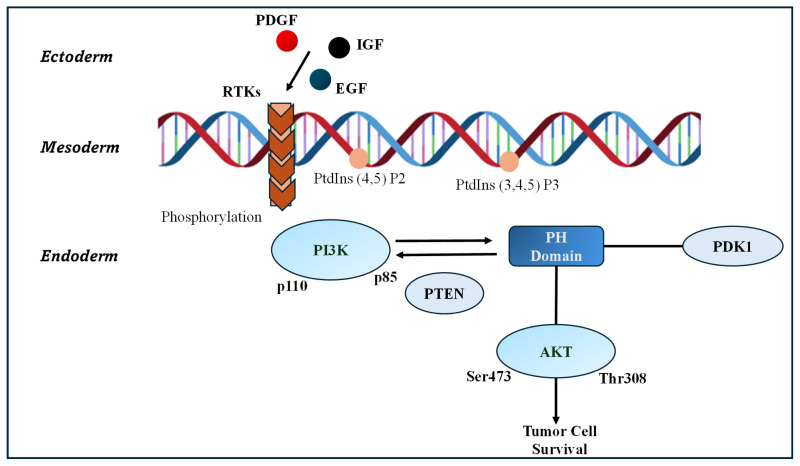 Figure 1
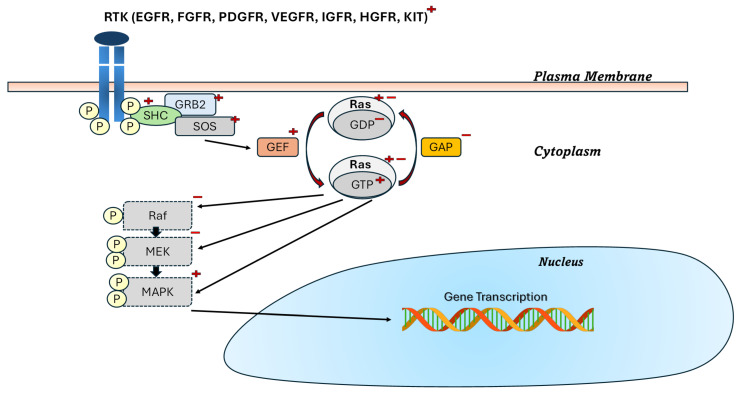 Figure 2
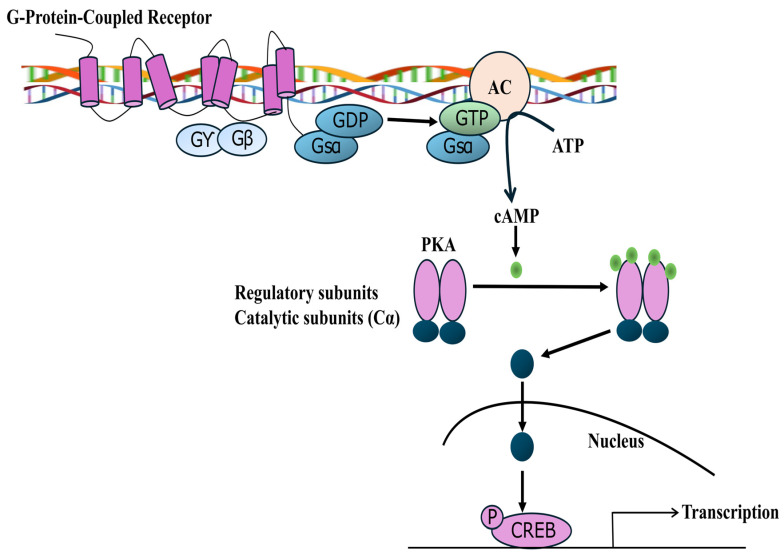 Figure 3
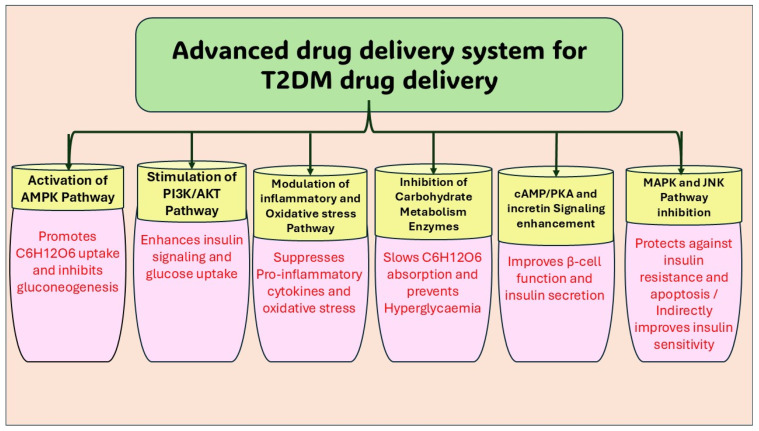 Figure 4
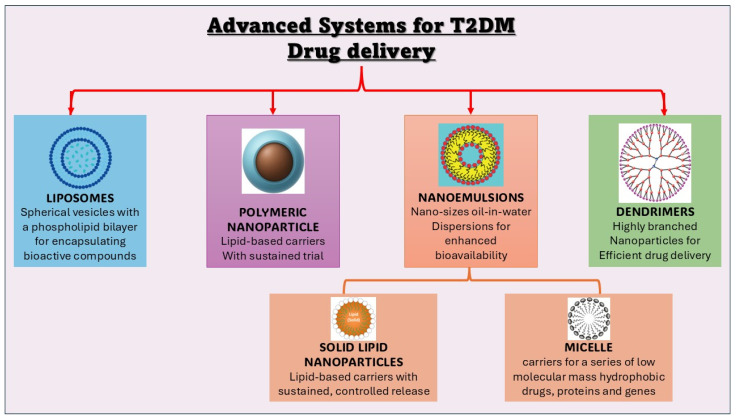 Figure 5
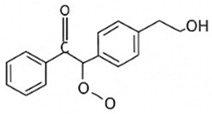 Figure 6
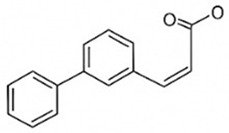 Figure 7
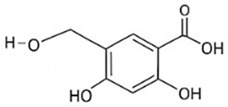 Figure 8
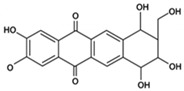 Figure 9
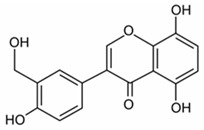 Figure 10
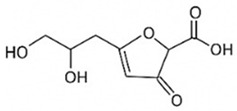 Figure 11
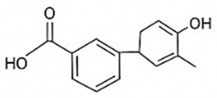 Figure 12
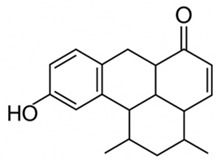 Figure 13
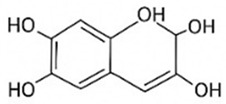 Figure 14
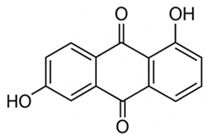 Figure 15
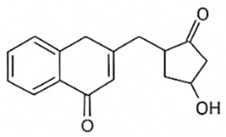 Figure 16
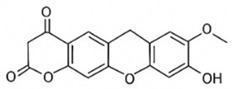 Figure 17
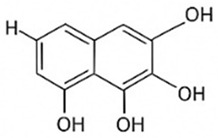 Figure 18
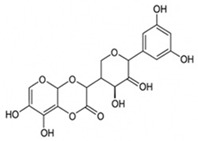 Figure 19
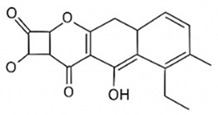 Figure 20
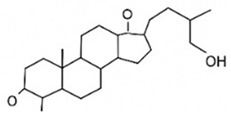 Figure 21
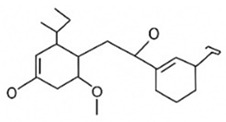 Figure 22
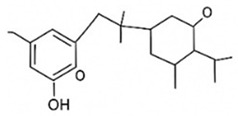 Figure 23
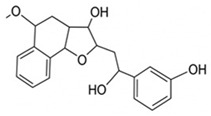 Figure 24
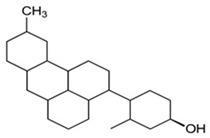 Figure 25
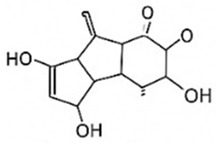 Figure 26
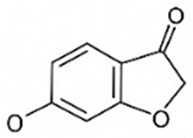 Figure 27
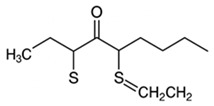 Figure 28
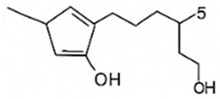 Figure 29
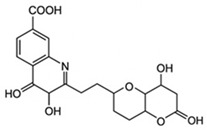 Figure 30
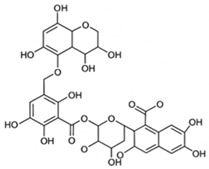 Figure 31
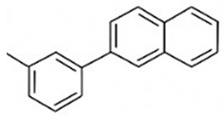 Figure 32
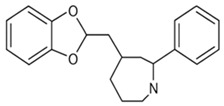 Figure 33
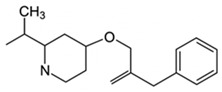 Figure 34
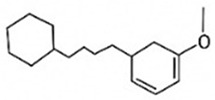 Figure 35
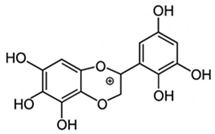 Figure 36
Peer Reviews
No public reviews on file for this paper yet. If you reviewed it on a platform where reviews are public (OpenReview, ICLR, NeurIPS, ICML), you can paste yours below so the community can read it here.
Videos
No videos yet. Explain this paper in a talk, walkthrough, or lecture? Add one.
Taxonomy
TopicsBerberine and alkaloids research · Gut microbiota and health · Natural Antidiabetic Agents Studies