2-Aminothiophene Derivative SB-83 Inhibits Trypanothione Reductase and Modulates Cytokine Production in Trypanosoma cruzi-Infected Cells
Airton Lucas Sousa dos Santos, Vanessa Maria Rodrigues de Souza, Julyanne Maria Saraiva de Sousa, Raiza Raianne Luz Rodrigues, Mércya Lopes Braga, Maria Gabrielly Gonçalves Da Silva Sousa, Douglas Soares de Oliveira, Mirely Vitória Farias da Silva

TL;DR
A new compound, SB-83, shows strong anti-parasitic effects against Trypanosoma cruzi, the cause of Chagas disease, and could be a promising treatment.
Contribution
SB-83 is a novel 2-aminothiophene derivative with potent trypanocidal activity and immune-modulating properties.
Findings
SB-83 effectively inhibits T. cruzi at low concentrations with high selectivity for host cells.
The compound modulates cytokine production and induces apoptosis in the parasite.
SB-83 binds to trypanothione reductase and disrupts the parasite's redox balance.
Abstract
Chagas disease remains a significant neglected tropical disease that predominantly affects vulnerable populations in rural, low-income areas of Latin America. The management of this condition is severely hindered by the limitations of current therapies, which are characterized by substantial toxicity, diminished efficacy during the chronic phase, and the emergence of parasitic resistance. Given the promising activity of SB-83 (a 2-aminothiophenic derivative) against Leishmania spp., the present study sought to evaluate its trypanocidal activity against Trypanosoma cruzi. The results showed that SB-83 exhibited potent inhibitory effects on the epimastigote forms of T. cruzi (IC50 = 6.23 ± 0.84 μM), trypomastigotes (EC50 = 7.31 ± 0.52 μM) and intracellular amastigotes (EC50 = 5.12 ± 0.49 μM). Furthermore, the cellular proliferation assay results indicated CC50 values of 77.80 ± 2.05 µM…
Genes, proteins, chemicals, diseases, species, mutations and cell lines named across the full text — each resolved to its canonical identifier and authoritative record.
Click any figure to enlarge with its caption.
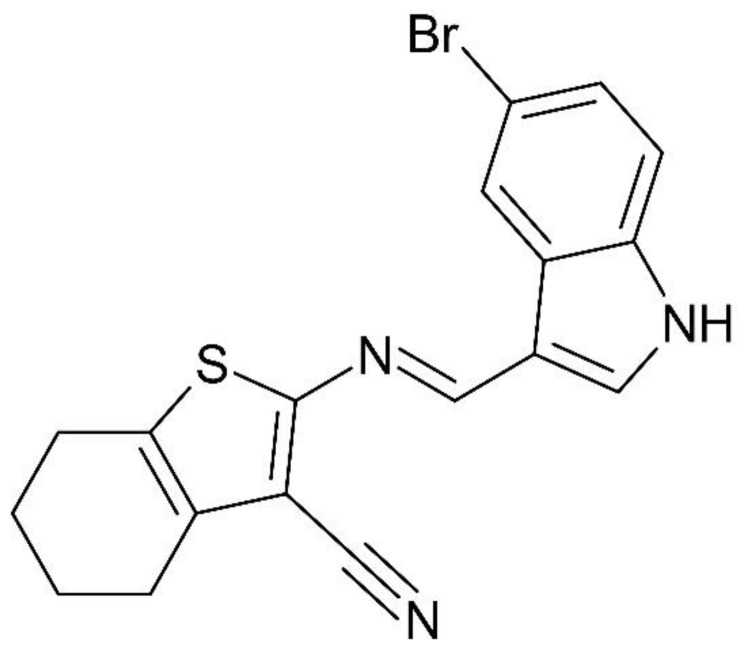 Figure 1
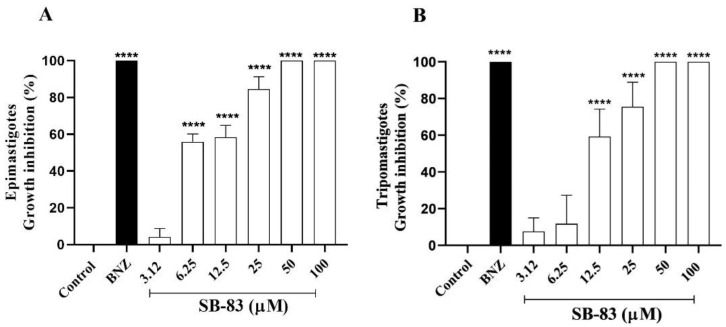 Figure 2
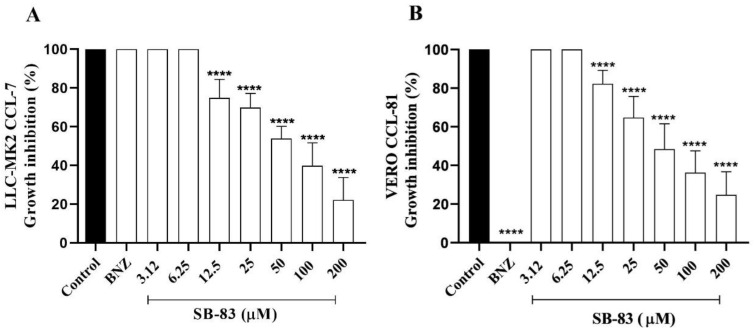 Figure 3
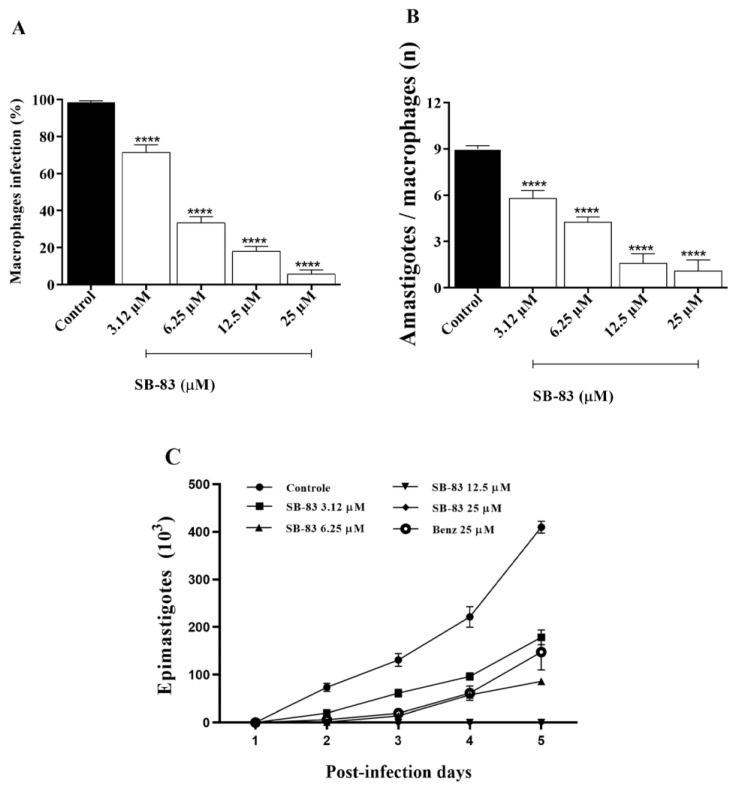 Figure 4
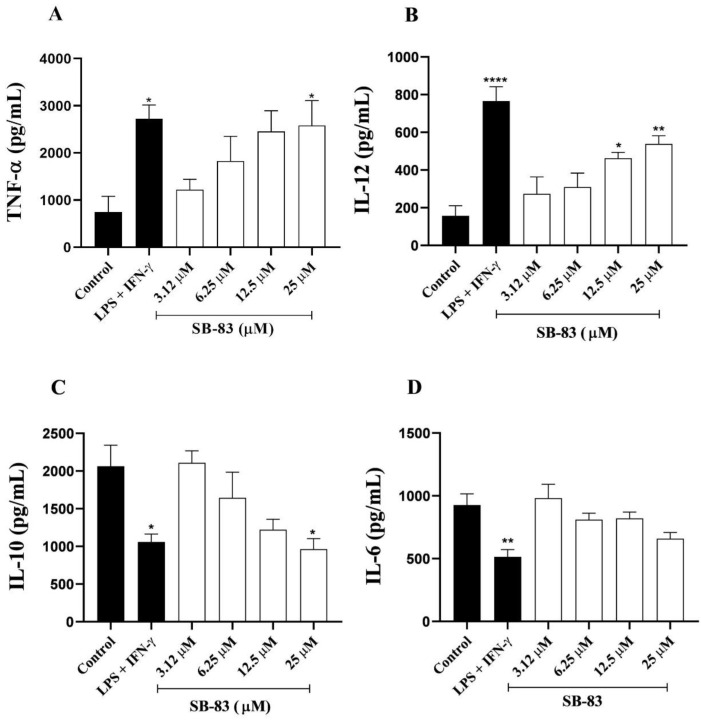 Figure 5
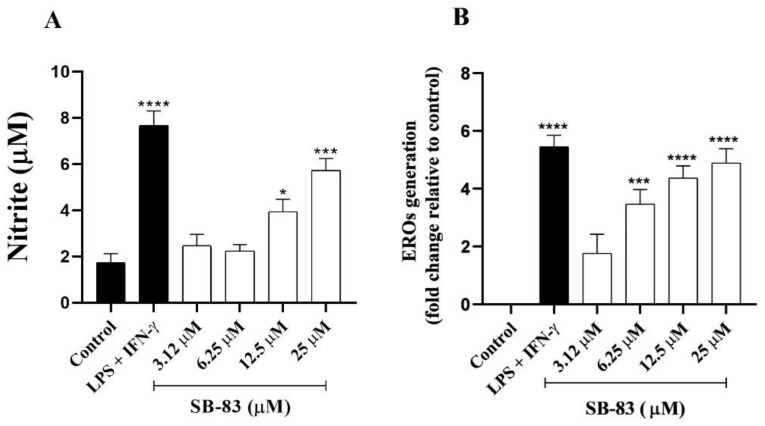 Figure 6
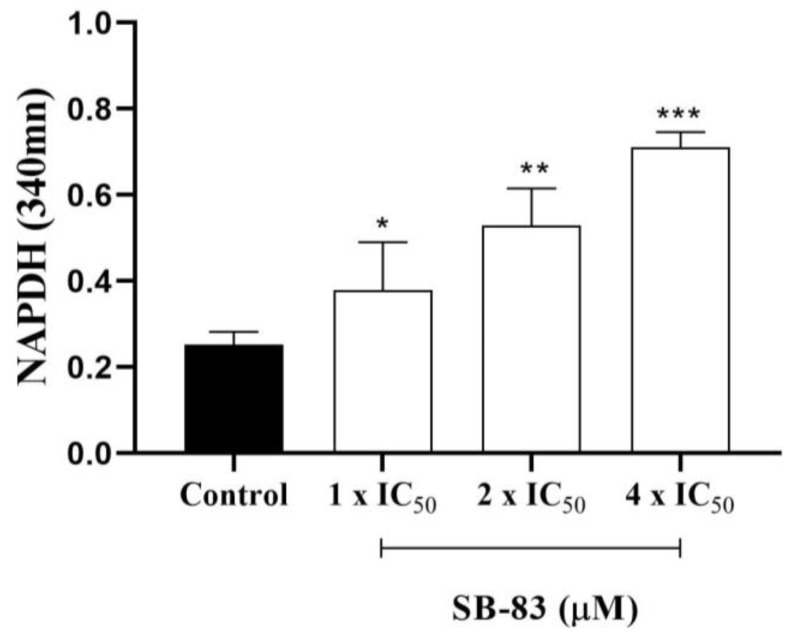 Figure 7
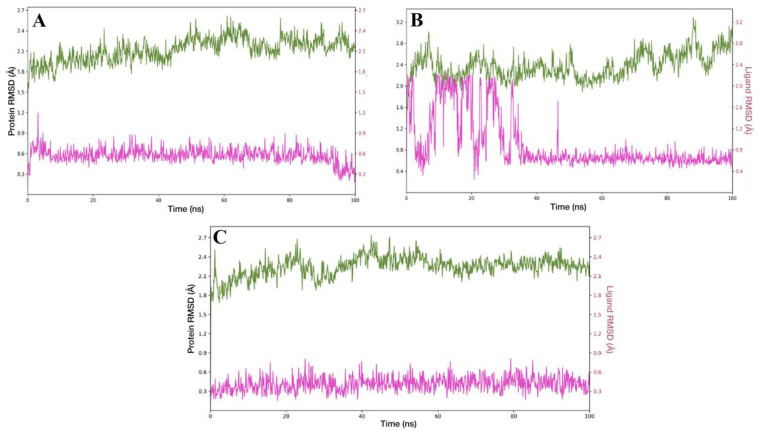 Figure 8
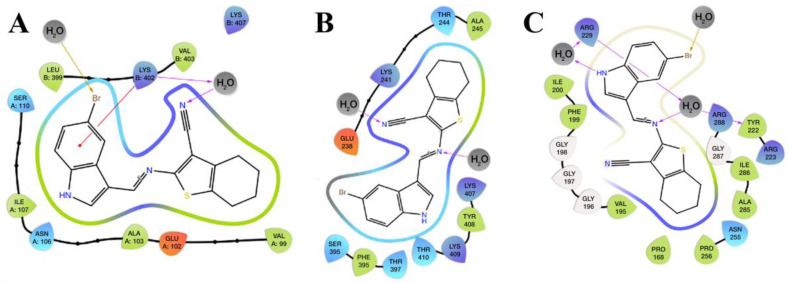 Figure 9
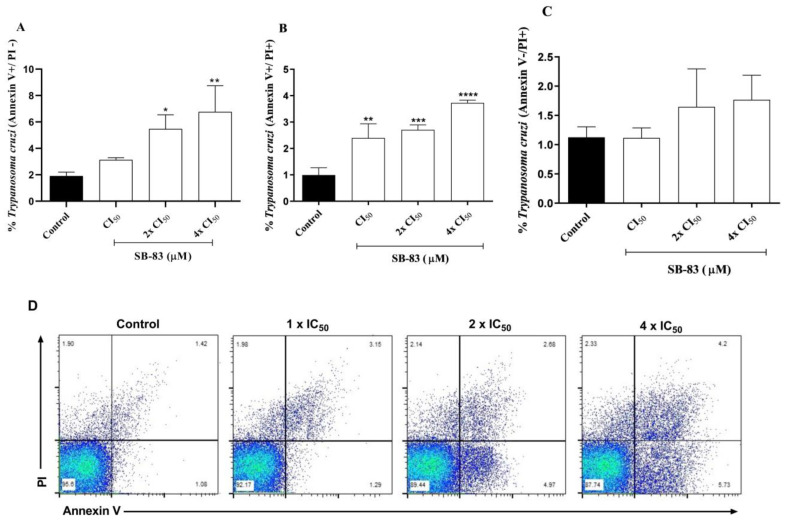 Figure 10
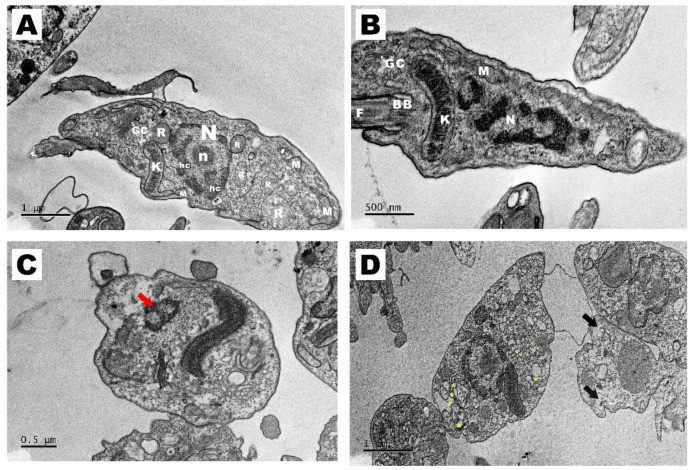 Figure 11
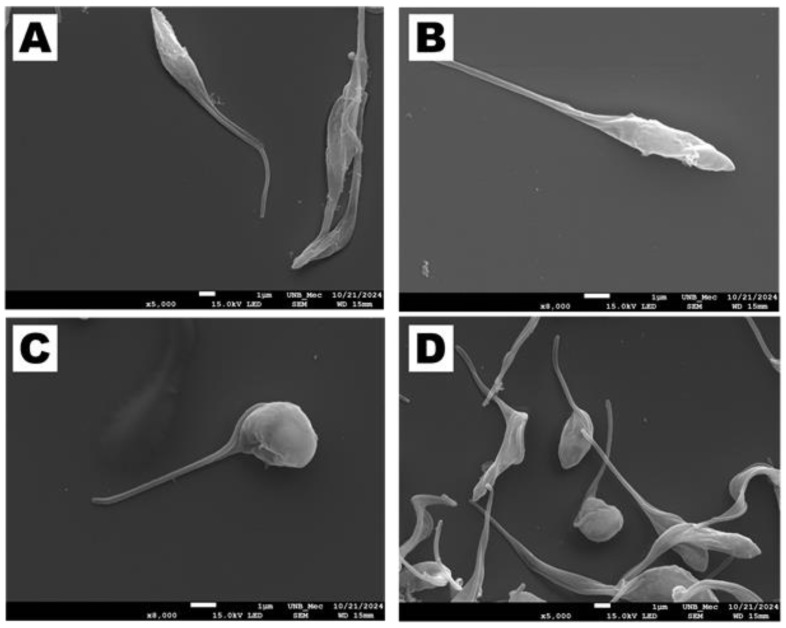 Figure 12
Peer Reviews
No public reviews on file for this paper yet. If you reviewed it on a platform where reviews are public (OpenReview, ICLR, NeurIPS, ICML), you can paste yours below so the community can read it here.
Videos
No videos yet. Explain this paper in a talk, walkthrough, or lecture? Add one.
Taxonomy
TopicsTrypanosoma species research and implications · Research on Leishmaniasis Studies · Macrophage Migration Inhibitory Factor