Exploring the Anti-Inflammatory Effects of Aloe vera Flower (AVF) and Its Active Ingredients in a Skin Inflammation Model Induced by Glyoxal-Derived Advanced Glycation End Products (GO-AGEs)
Eun Yoo Lee, Seong-Min Hong, Sun Yeou Kim, Razia Sultana

TL;DR
This study explores how Aloe vera flower and its compounds reduce skin inflammation caused by glycation end products.
Contribution
The study identifies vitexin and isovitexin as potent anti-inflammatory agents with potential for managing skin inflammaging.
Findings
AVF, vitexin, and isovitexin significantly reduced inflammatory markers like IL-6 and IL-8 in skin cells.
Isovitexin showed higher binding affinity to COX-2 than a known anti-inflammatory compound at lower concentrations.
Treatment upregulated SIRT1, suggesting a protective effect against inflammation.
Abstract
Objective: Advanced glycation end-products (AGEs) contribute to oxidative stress and inflammation, leading to various disorders, including skin inflammation. Here, we investigated the anti-inflammatory effects of Aloe vera flower (AVF) extract and its active constituents, vitexin (V) and isovitexin (IV), in a glyoxal-derived AGE (GO-AGE)-induced skin inflammaging model. Methods: We evaluated the effects of AVF, V, and IV in epidermal keratinocytes (HaCaT cells) using enzyme-linked immunosorbent assay, Western blotting, quantitative real-time polymerase chain reaction, and in silico molecular docking. Results: Treatment of HaCaT cells with AVF, V, or IV significantly suppressed the secretion and expression of interleukins (IL-6 and IL-8) at both the mRNA and protein level, and reduced the expression of key inflammatory proteins, including kappa-light-chain-enhancer of activated B cells…
Genes, proteins, chemicals, diseases, species, mutations and cell lines named across the full text — each resolved to its canonical identifier and authoritative record.
Click any figure to enlarge with its caption.
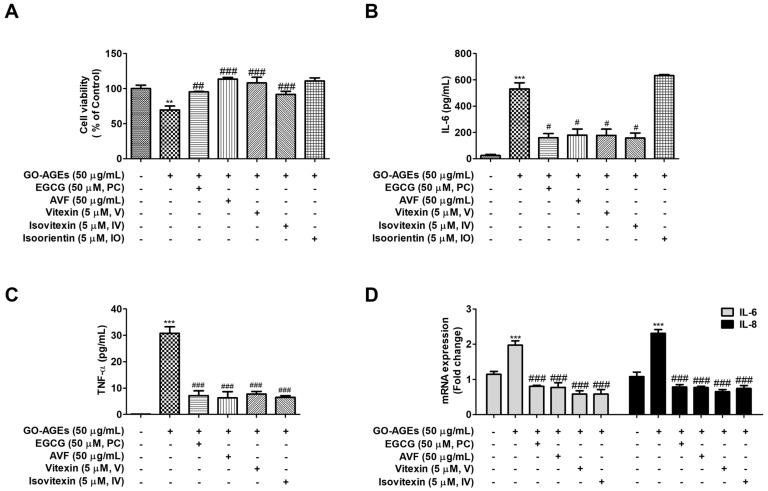 Figure 1
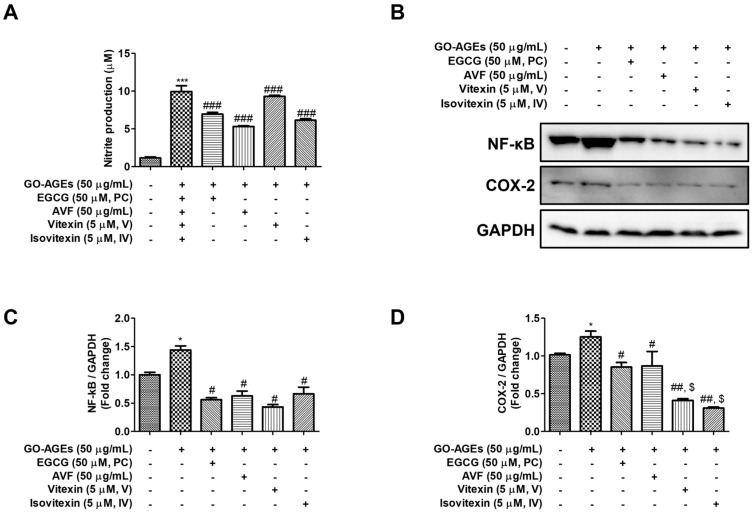 Figure 2
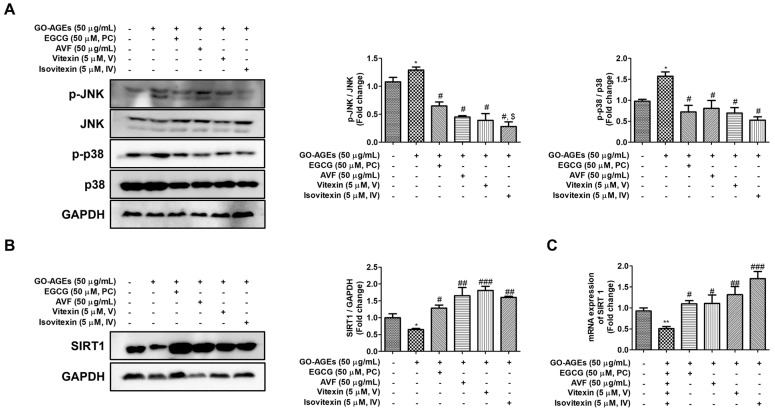 Figure 3
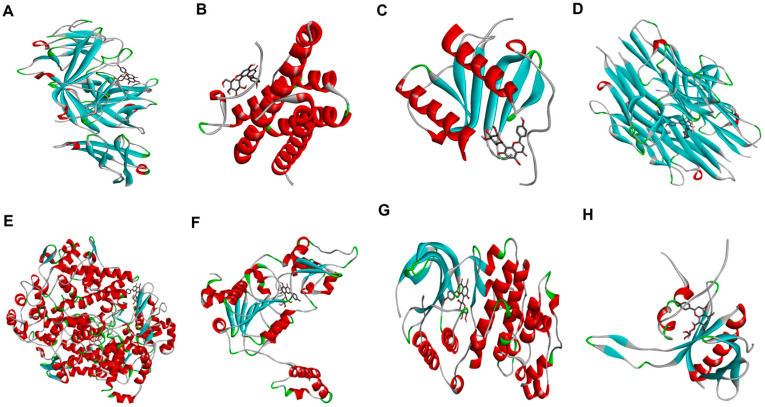 Figure 4
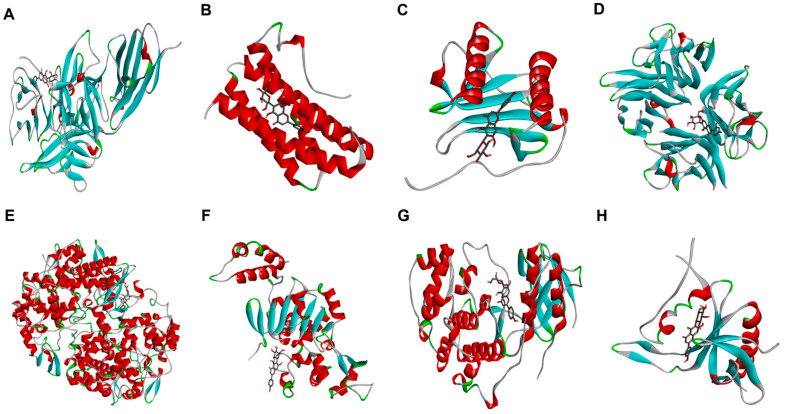 Figure 5
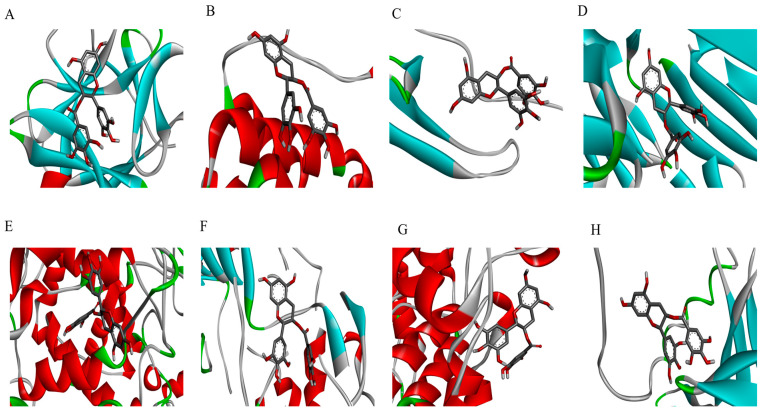 Figure 6
Peer Reviews
No public reviews on file for this paper yet. If you reviewed it on a platform where reviews are public (OpenReview, ICLR, NeurIPS, ICML), you can paste yours below so the community can read it here.
Videos
No videos yet. Explain this paper in a talk, walkthrough, or lecture? Add one.
Taxonomy
TopicsAdvanced Glycation End Products research · Phytochemistry and biological activity of medicinal plants · Ginger and Zingiberaceae research