TAT-PBX1 Reverses Hyperglycemia Through β-Cell Regeneration and Functional Restoration in an STZ-Induced Diabetic Model
Xiangyuan Meng, Zhenhu Zhao, Xin Zhang, Ruihan Guo, Shuran Yang, Shuhua Mao, Ziyu Zong, Jinyu Liu

TL;DR
This study shows that TAT-PBX1 can reverse high blood sugar in diabetic mice by protecting and regenerating insulin-producing beta cells.
Contribution
The study introduces TAT-PBX1 as a novel therapeutic strategy for restoring beta-cell function in diabetes.
Findings
TAT-PBX1 reduced DNA damage and apoptosis in beta cells exposed to STZ.
TAT-PBX1 improved glucose-stimulated insulin secretion and glucose tolerance in diabetic mice.
TAT-PBX1 enhanced beta-cell proliferation and preserved islet structure in vivo.
Abstract
Objective: β-cell dysfunction and loss are major pathological determinants of impaired islet function and hyperglycemia in diabetes. Given the inability of current therapies to restore β-cell viability or glucose-responsive insulin secretion, this study aimed to investigate whether a cell-permeable PBX1 fusion protein (TAT-PBX1) could rescue streptozotocin (STZ)-induced β-cell injury and restore β-cell functional integrity. Methods: A TAT-PBX1 recombinant fusion protein was produced using a prokaryotic expression system. Its protective effects were assessed in STZ-treated MIN6 β cells and in a mouse model of STZ-induced diabetes, with the glucokinase (GK) activator dorzagliatin included as a positive control. We evaluated β-cell apoptosis, DNA damage, ATP and NAD+/NADH levels, insulin signaling (IRS1/PI3K/Akt), and the expression of PDX1 and GK. Glucose-stimulated insulin secretion…
Genes, proteins, chemicals, diseases, species, mutations and cell lines named across the full text — each resolved to its canonical identifier and authoritative record.
Click any figure to enlarge with its caption.
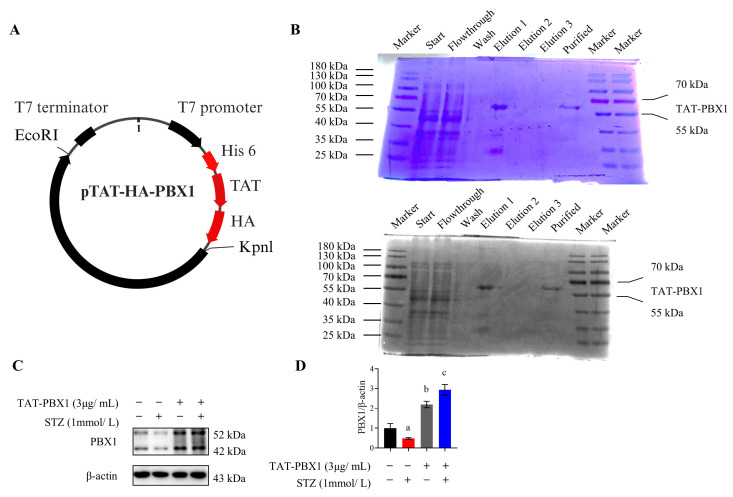 Figure 1
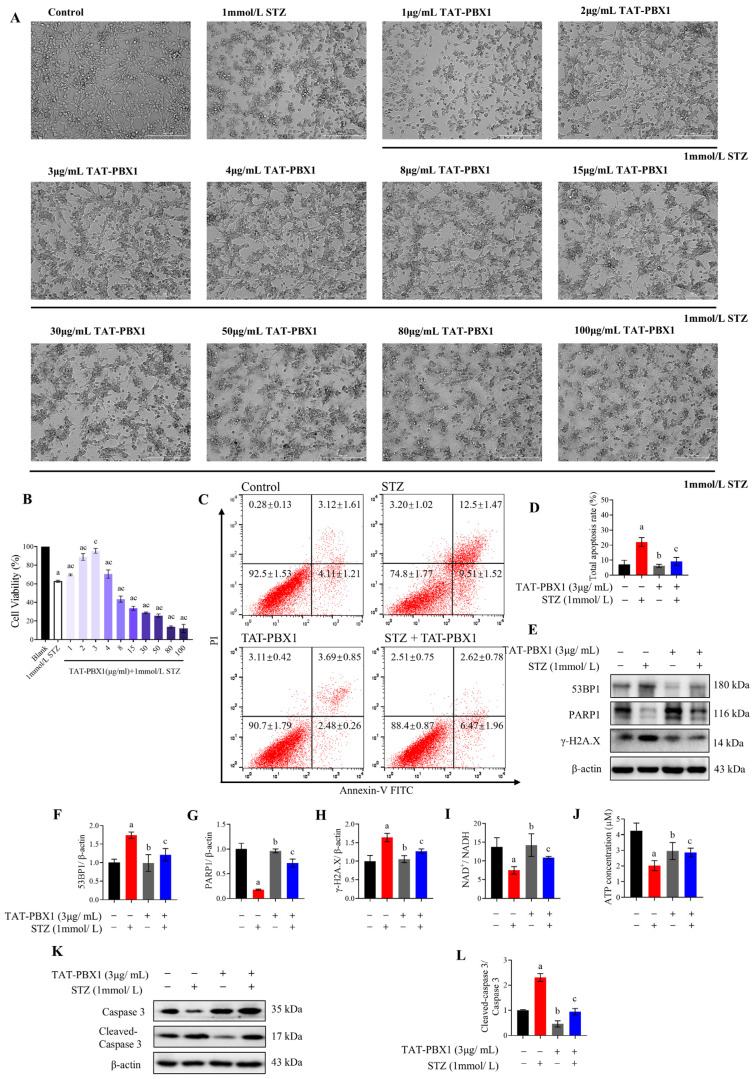 Figure 2
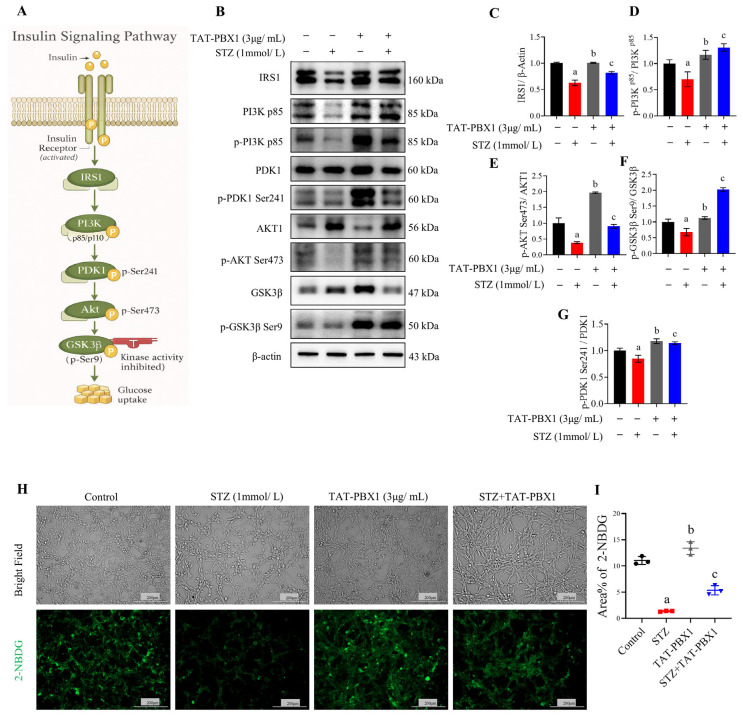 Figure 3
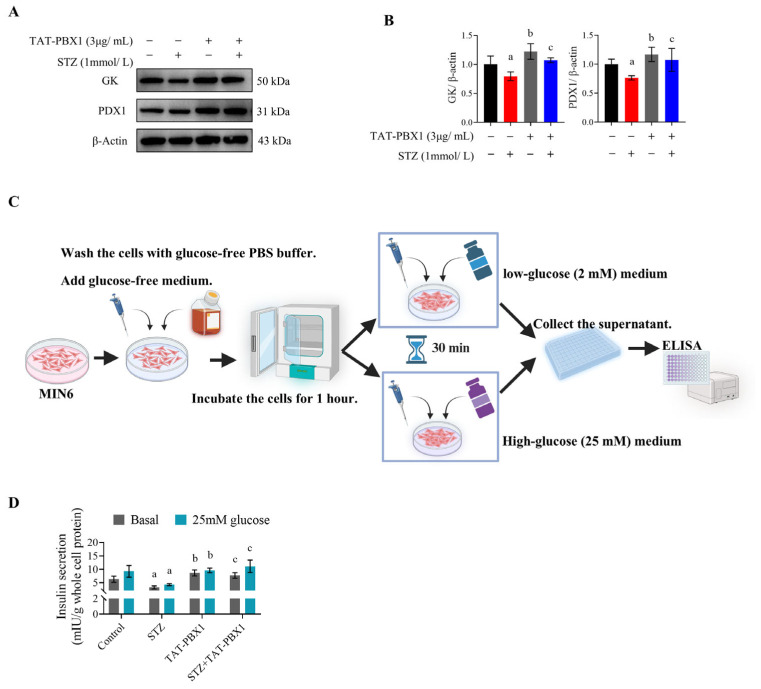 Figure 4
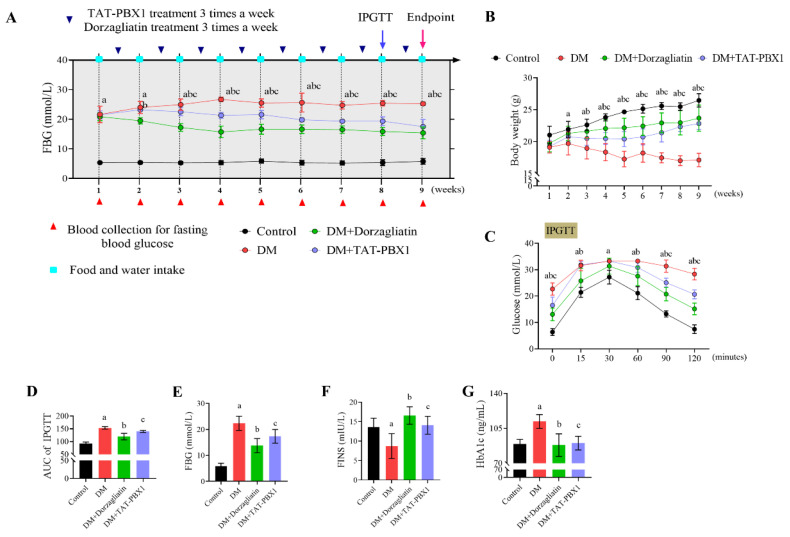 Figure 5
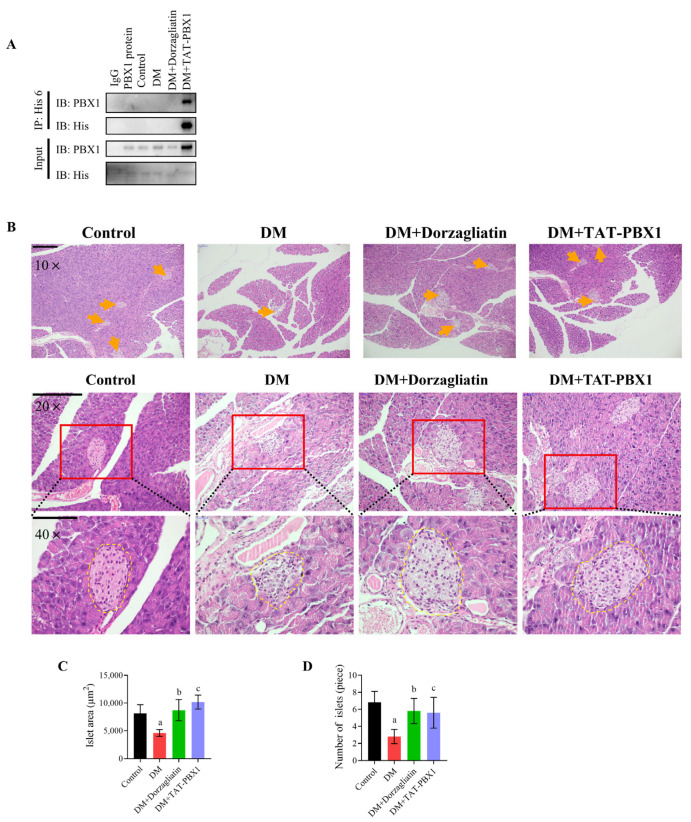 Figure 6
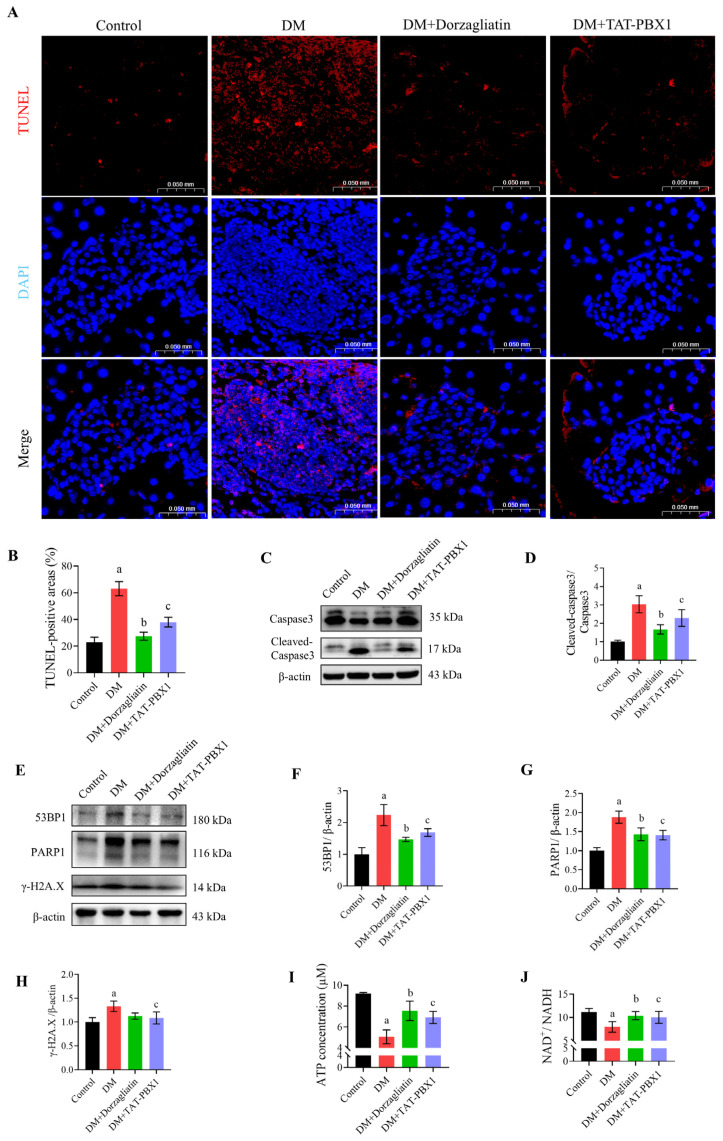 Figure 7
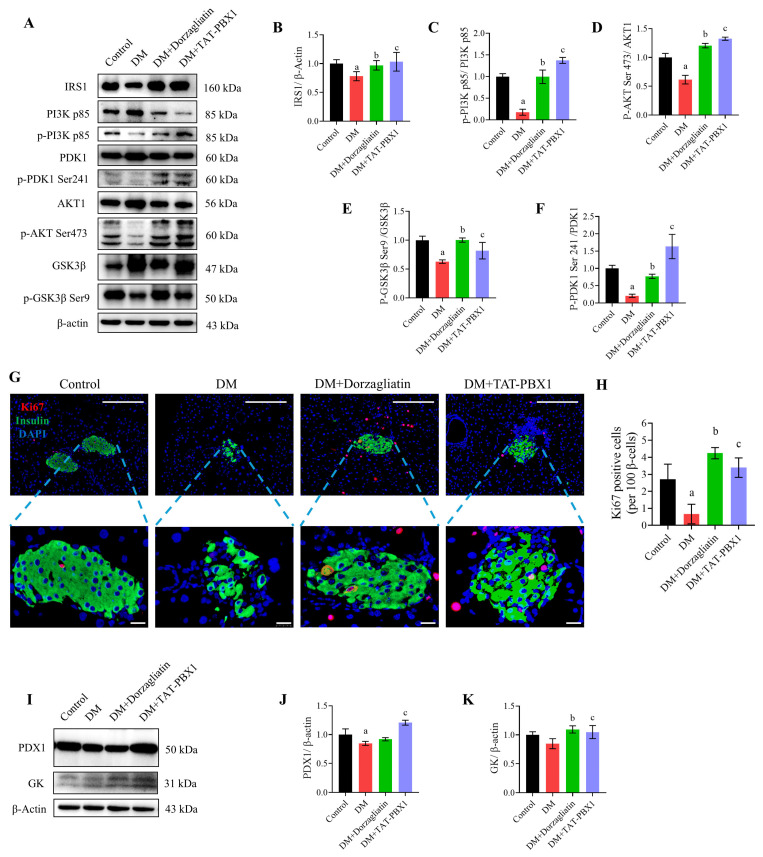 Figure 8
Peer Reviews
No public reviews on file for this paper yet. If you reviewed it on a platform where reviews are public (OpenReview, ICLR, NeurIPS, ICML), you can paste yours below so the community can read it here.
Videos
No videos yet. Explain this paper in a talk, walkthrough, or lecture? Add one.
Taxonomy
TopicsPancreatic function and diabetes · Endoplasmic Reticulum Stress and Disease · Diabetes and associated disorders