Improved Biological Control of Bacterial Leaf Blight Using a Surfactant Complex of CO2 Micro-Nanobubbles Coated with Crude Ethyl Acetate Extract of Trichoderma polyalthiae UBZSN2-1
Wasan Seemakram, Thanapat Suebrasri, Saranya Chantawong, Sornamol Traiphop, Sriprajak Krongsuk, Jirawat Sanitchon, Thanawan Gateta, Sophon Boonlue

TL;DR
This study explores using CO2 micro-nanobubbles coated with a Trichoderma extract to control bacterial leaf blight in rice, offering an eco-friendly solution.
Contribution
A novel surfactant complex using CO2 nanobubbles and Trichoderma extract is introduced for biological control of rice leaf blight.
Findings
CO2 nanobubbles coated with Sp60 and Trichoderma extract remained stable in water for up to 14 days.
The treatment inhibited bacterial leaf blight with over 50% disease reduction in greenhouse tests.
MIC and MBC values of 64 µg/mL and 128 µg/mL were observed for the treatment.
Abstract
The bacterium Xanthomonas oryzae pv. oryzae is an important pathogen that causes wilt leaf blight disease in rice (Oryza sativa L.), leading to a reduction in rice yield. Therefore, this study aimed to investigate the potential of a surfactant complex composed of CO2 nanobubbles (CO2-NBs) coated with sorbitan monostearate (Sp60) and a crude extract of Trichoderma polyalthiae as active ingredient delivery agents for controlling leaf blight under both laboratory and greenhouse conditions. The addition of Sp60 and crude extract as surfactants significantly influenced the size uniformity and stability of CO2-NBs at the nano level, with the nanobubbles remaining intact in water for up to 14 days. In addition, CO2-NBs with crude extract and Sp60 reduced the severity of wilt, with an minimum inhibitory concentration (MIC) value of 64 µg/mL and an minimum bactericidal concentration (MBC) value…
Genes, proteins, chemicals, diseases, species, mutations and cell lines named across the full text — each resolved to its canonical identifier and authoritative record.
Click any figure to enlarge with its caption.
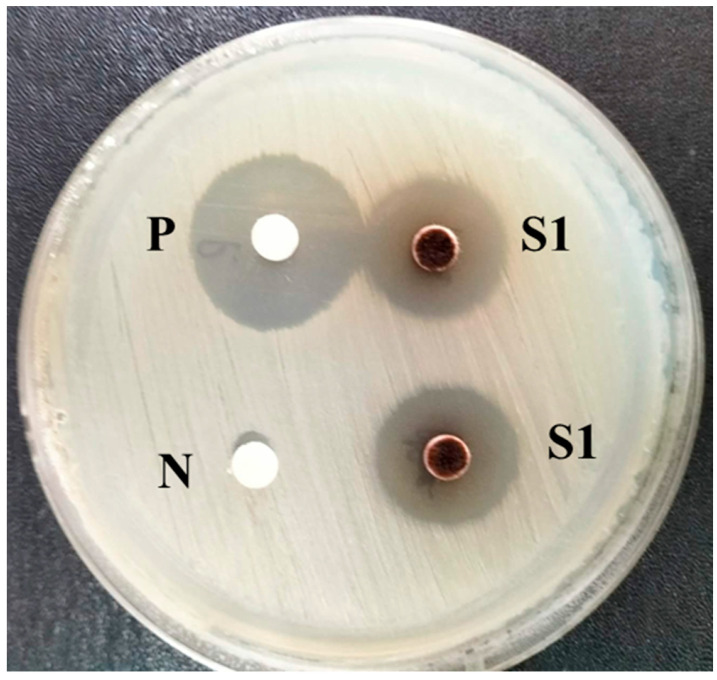 Figure 1
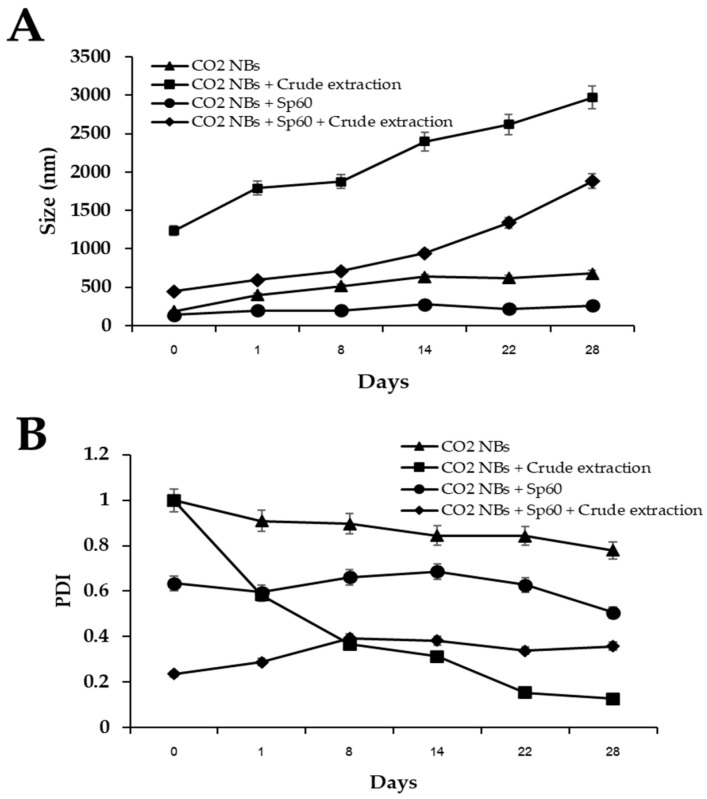 Figure 2
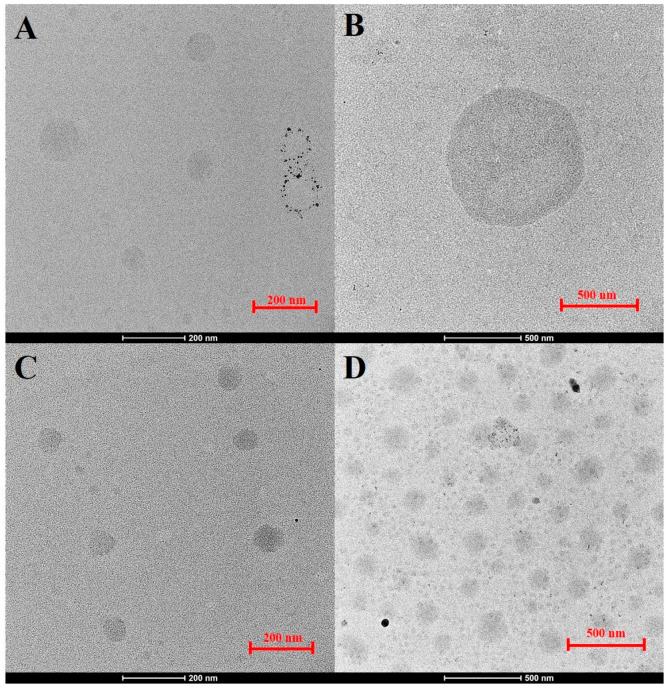 Figure 3
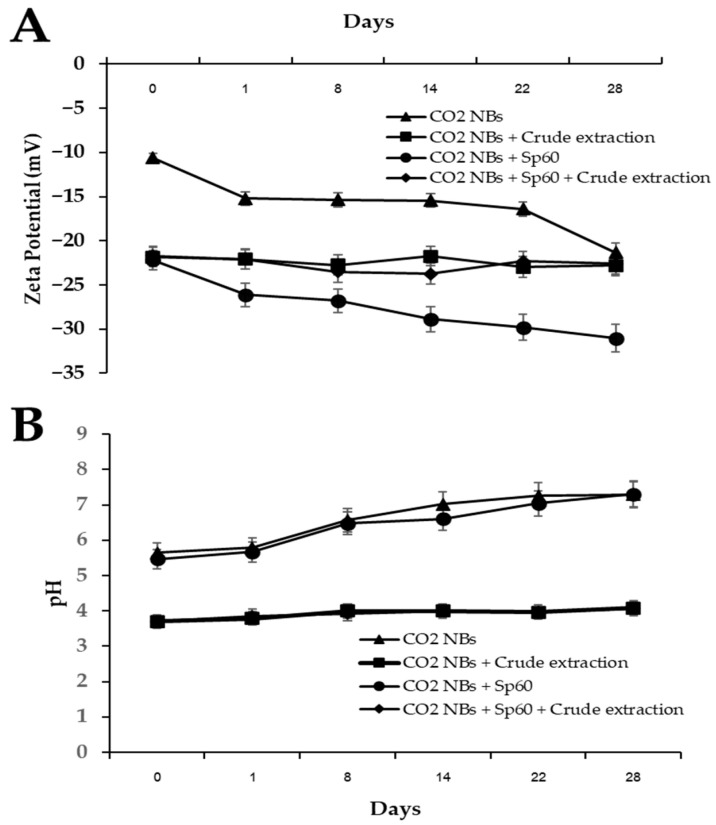 Figure 4
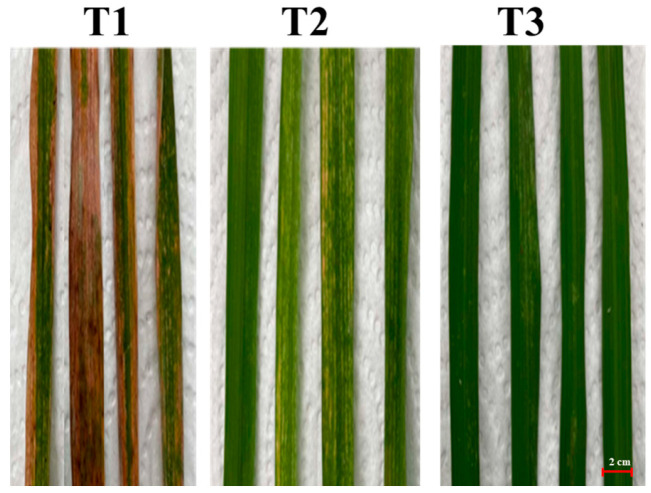 Figure 5
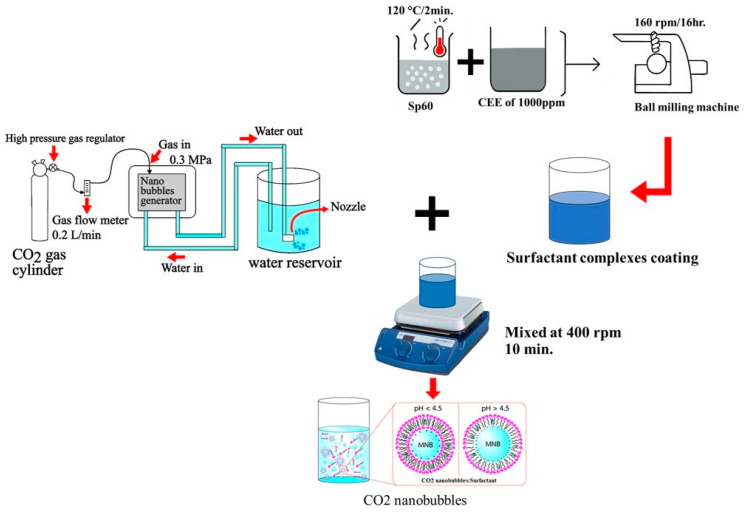 Figure 6
Peer Reviews
No public reviews on file for this paper yet. If you reviewed it on a platform where reviews are public (OpenReview, ICLR, NeurIPS, ICML), you can paste yours below so the community can read it here.
Videos
No videos yet. Explain this paper in a talk, walkthrough, or lecture? Add one.
Taxonomy
TopicsPolymer-Based Agricultural Enhancements · Plant-Microbe Interactions and Immunity · Plant Surface Properties and Treatments