Discontinued BACE1 Inhibitors in Phase II/III Clinical Trials and AM-6494 (Preclinical) Towards Alzheimer’s Disease Therapy: Repurposing Through Network Pharmacology and Molecular Docking Approach
Samuel Chima Ugbaja, Hezekiel Matambo Kumalo, Nceba Gqaleni

TL;DR
This study explores how failed BACE1 inhibitors for Alzheimer's disease interact with multiple proteins, suggesting potential repurposing through multitarget mechanisms.
Contribution
The study introduces a network pharmacology and molecular docking approach to uncover multitarget mechanisms of failed BACE1 inhibitors for Alzheimer's.
Findings
Network analysis identified 10 hub proteins central to Alzheimer's disease pathogenesis.
Molecular docking showed strong multitarget binding affinities for the compounds tested.
Failed BACE1 inhibitors interact with proteins involved in autophagy, apoptosis, and inflammation.
Abstract
Background: β-site amyloid precursor protein cleaving enzyme 1 (BACE1) inhibitors demonstrated amyloid-lowering efficacy but failed in phase II/III clinical trials due to adverse effects and limited disease-modifying outcomes. This study employed an integrated network pharmacology and molecular docking approach to quantitatively elucidate the multitarget mechanisms of 4 (phase II/III) discontinued BACE1 inhibitors (Verubecestat, Lanabecestat, Elenbecestat, and Umibecestat) and the preclinical compound AM-6494 in Alzheimer’s disease (AD). Methods: Drug-associated targets were intersected with AD-related genes to construct a protein–protein interaction (PPI) network, followed by topological analysis to identify hub proteins. Gene Ontology (GO) and KEGG pathway enrichment analyses were performed using statistically significant thresholds (p < 0.05, FDR-adjusted). Molecular docking was…
Genes, proteins, chemicals, diseases, species, mutations and cell lines named across the full text — each resolved to its canonical identifier and authoritative record.
Click any figure to enlarge with its caption.
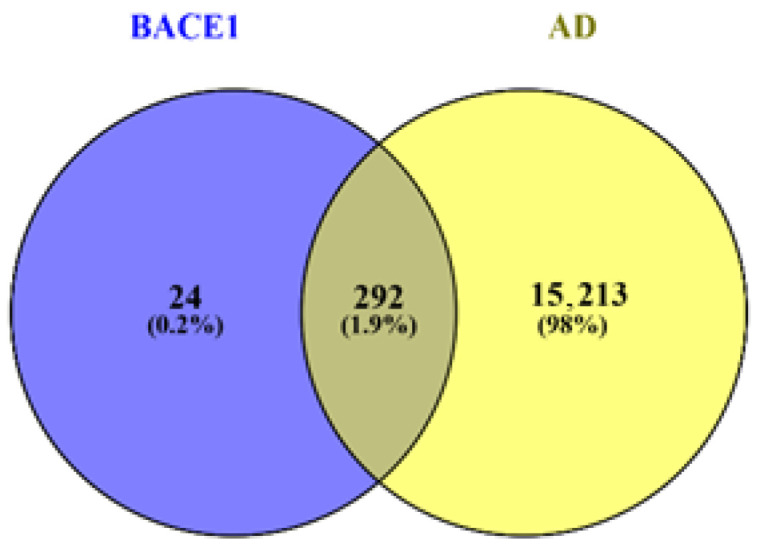 Figure 1
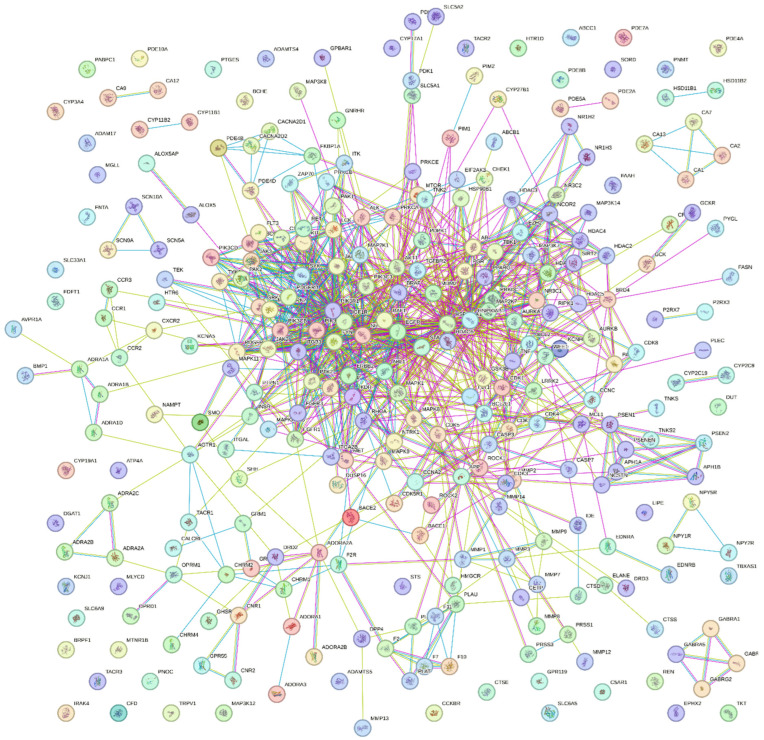 Figure 2
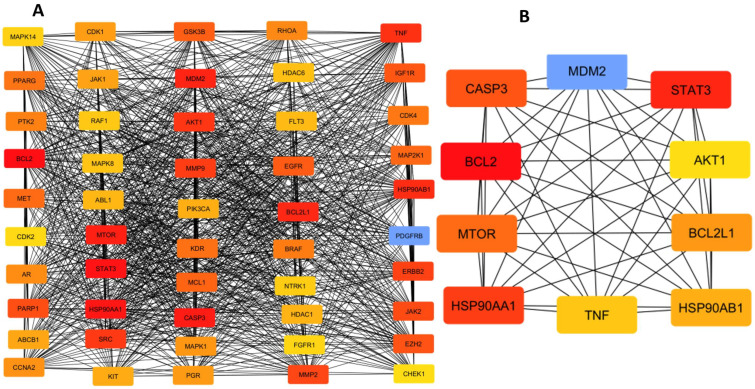 Figure 3
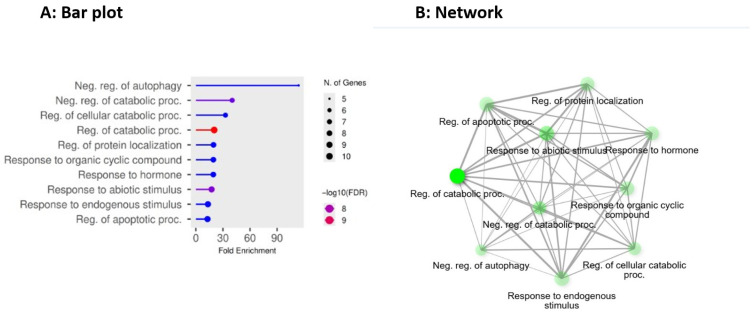 Figure 4
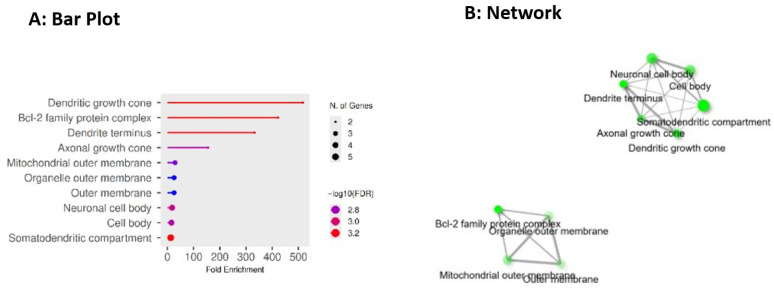 Figure 5
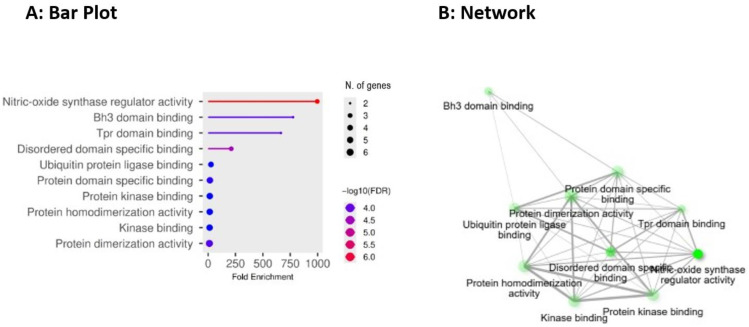 Figure 6
Peer Reviews
No public reviews on file for this paper yet. If you reviewed it on a platform where reviews are public (OpenReview, ICLR, NeurIPS, ICML), you can paste yours below so the community can read it here.
Videos
No videos yet. Explain this paper in a talk, walkthrough, or lecture? Add one.
Taxonomy
TopicsAlzheimer's disease research and treatments · Cholinesterase and Neurodegenerative Diseases · Computational Drug Discovery Methods