Prevalence of Rickettsia spp. Infection in Ticks Collected from Shelter Dogs in Tulcea County, Romania
Bianca-Lavinia Andronic, Larisa-Maria Ivănescu, Gabriela-Victoria Martinescu, Raluca Mîndru, Liviu Miron

TL;DR
This study found high rates of Rickettsia infection in ticks collected from shelter dogs in Romania, indicating a significant zoonotic risk.
Contribution
The study provides new data on Rickettsia prevalence in ticks from shelter dogs in Tulcea County, Romania.
Findings
93.2% of tick pools tested positive for Rickettsia spp. DNA.
Dermacentor reticulatus ticks showed 100% pool positivity for Rickettsia.
Shelter dogs are identified as sentinel hosts for Rickettsia circulation.
Abstract
Ticks are one of the most important vectors of zoonotic pathogens in Europe, including Rickettsia spp. In Romania, several pathogenic species belonging to the Spotted Fever Group (SFG) transmitted primarily through tick bites have been identified. The aim of the present study was to determine the prevalence of Rickettsia spp. infection in ticks collected from public shelter dogs in Tulcea County, Romania, as an indicator of pathogen circulation within shelter environments and their potential epidemiological relevance. A total of 730 ticks collected between March 2023 and September 2024 from 216 public shelter dogs, belonging to four species (Rhipicephalus sanguineus s.l., Ixodes ricinus, Dermacentor marginatus, and Dermacentor reticulatus), were morphologically identified and pooled by species, sex, and developmental stage resulting in 132 pools. DNA extracted from pools was tested by…
Genes, proteins, chemicals, diseases, species, mutations and cell lines named across the full text — each resolved to its canonical identifier and authoritative record.
Click any figure to enlarge with its caption.
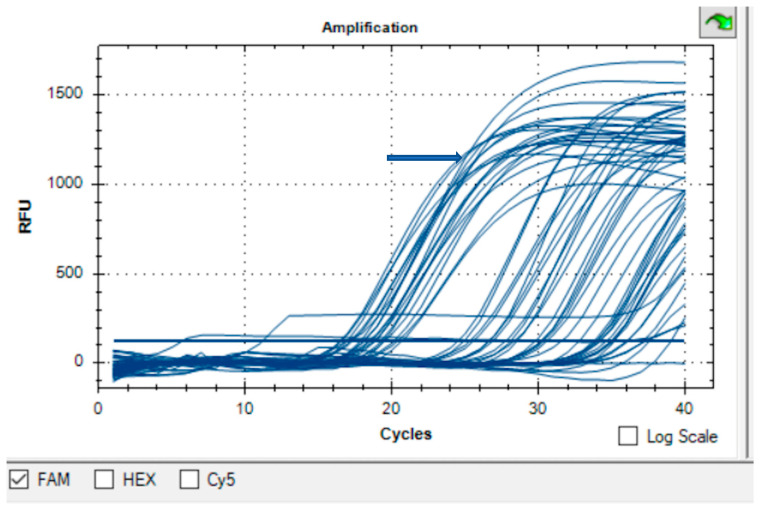 Figure 1
Peer Reviews
No public reviews on file for this paper yet. If you reviewed it on a platform where reviews are public (OpenReview, ICLR, NeurIPS, ICML), you can paste yours below so the community can read it here.
Videos
No videos yet. Explain this paper in a talk, walkthrough, or lecture? Add one.
Taxonomy
TopicsVector-borne infectious diseases · Bartonella species infections research · Rabies epidemiology and control