Colchicine Suppresses Adipogenic Differentiation of Mesenchymal Stem Cells: Implications for Bone Adiposity Control
Miriam López-Fagúndez, María Piñeiro-Ramil, Andrés Pazos-Pérez, María Guillán-Fresco, Verónica López, Djedjiga Ait Eldjoudi, Susana Belén Bravo, Alberto Jorge-Mora, Ana Alonso-Pérez, Rodolfo Gómez

TL;DR
Colchicine, a gout medication, reduces fat cell formation in bone marrow stem cells, potentially offering a new way to control bone fat and improve bone health.
Contribution
This study reveals that colchicine suppresses fat cell differentiation in mesenchymal stem cells, possibly through microtubule destabilization.
Findings
Colchicine inhibits adipogenesis and promotes osteoblastogenesis in mesenchymal stem cells.
Both continuous and transient colchicine exposure reduced adipogenic marker gene expression.
STMN1 silencing mimicked colchicine's anti-adipogenic effects, suggesting cytoskeletal involvement.
Abstract
Background: Gout is an inflammatory arthritis associated with increased bone anabolism and a higher risk of ectopic bone formation. Colchicine, used to prevent and treat acute gouty flares, inhibits microtubule polymerization and has been described to promote osteoblastogenesis. In bone disorders such as osteoporosis, disruption of the osteoblast–adipocyte balance contributes to pathology, yet no therapies directly target bone marrow adiposity. Thus, we decided to investigate the impact of colchicine on the osteoblast-adipocyte balance. Methods: C3H10T1/2 mesenchymal stem cells were differentiated to both cell fates in the presence or absence of colchicine. Differentiation was assessed by studying differentiation phenotypes as well as adipocytic and osteoblastic marker genes. Disrupting microtubule homeostasis through stathmin (STMN1) silencing was employed to mimic colchicine effects…
Genes, proteins, chemicals, diseases, species, mutations and cell lines named across the full text — each resolved to its canonical identifier and authoritative record.
Click any figure to enlarge with its caption.
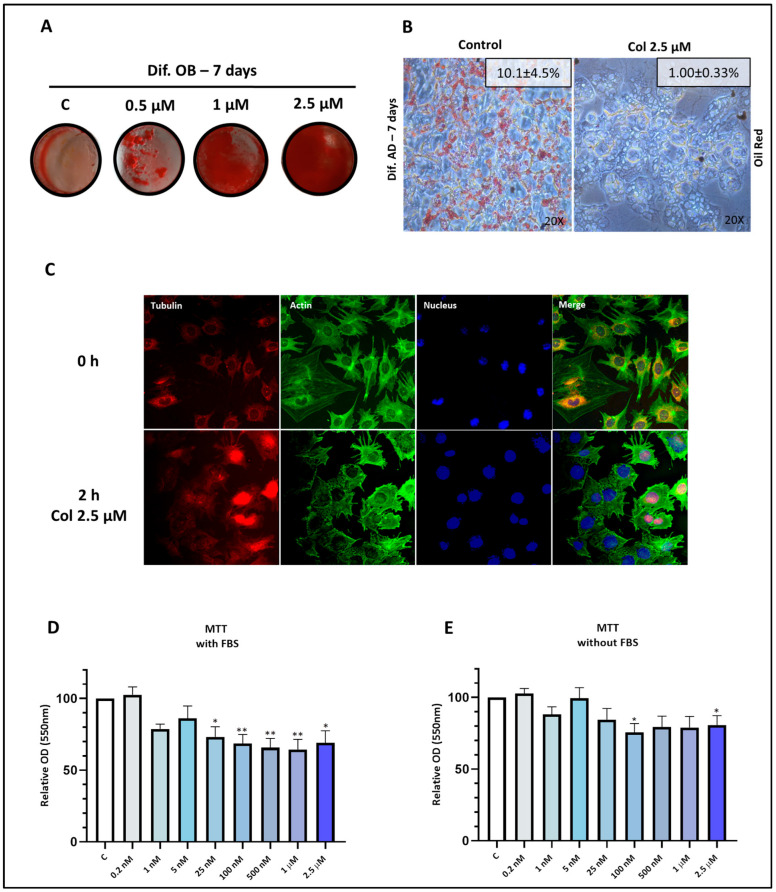 Figure 1
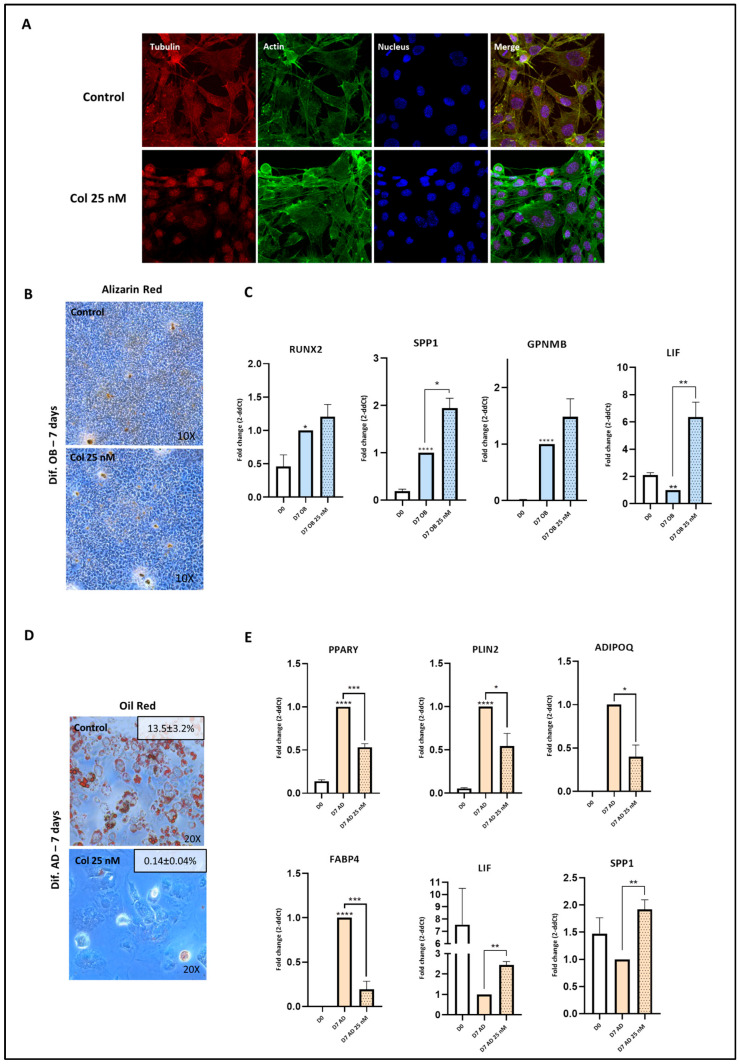 Figure 2
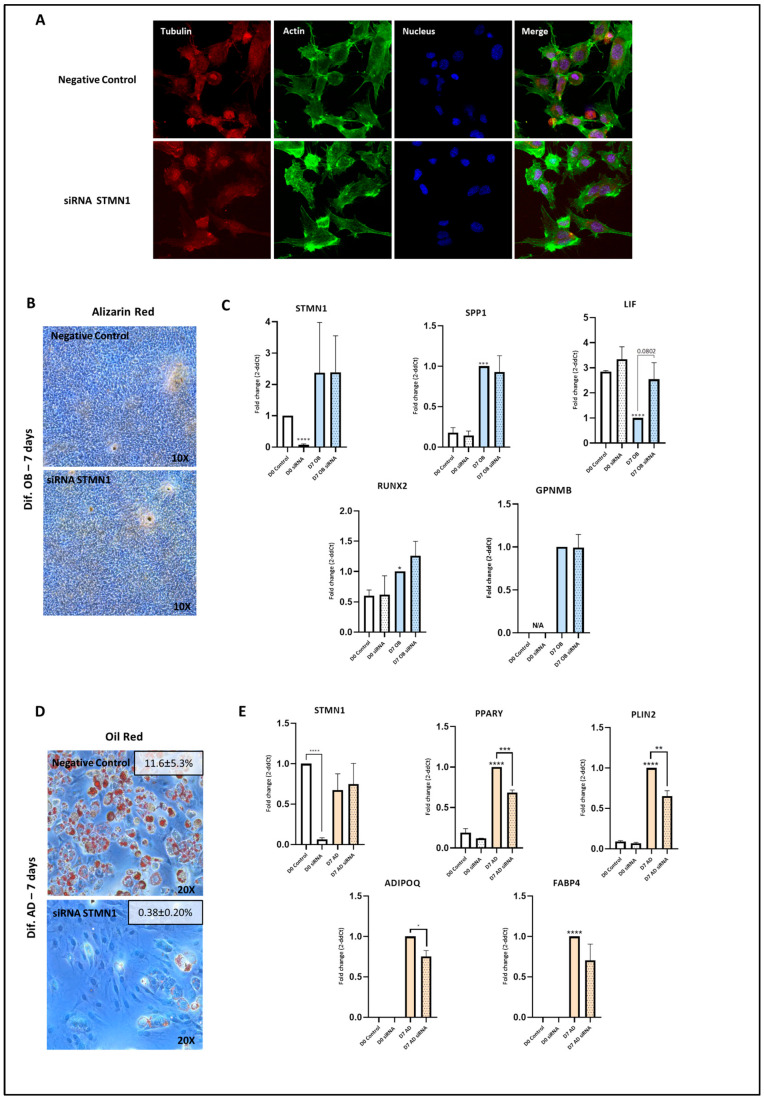 Figure 3
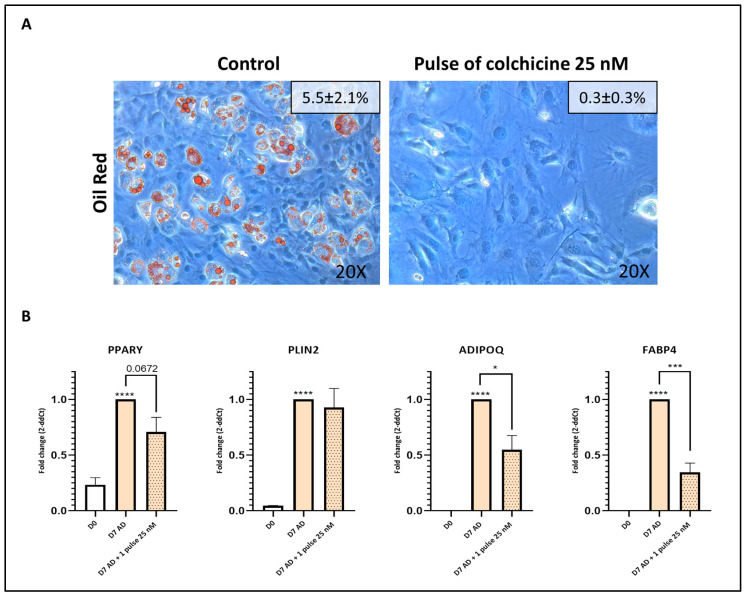 Figure 4
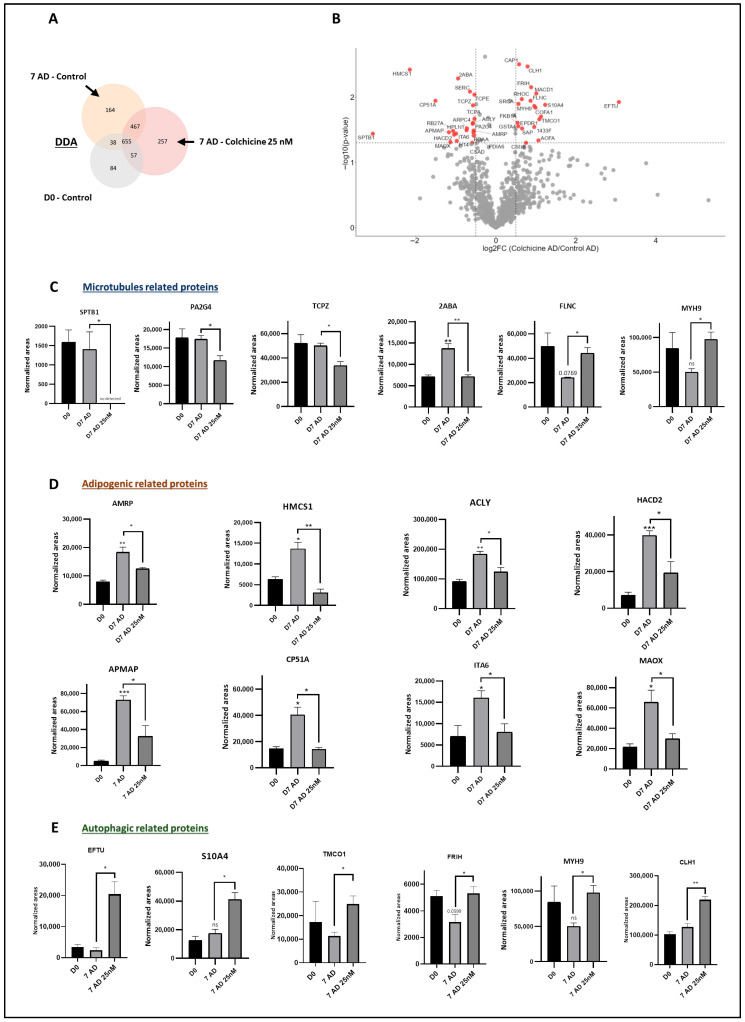 Figure 5
Peer Reviews
No public reviews on file for this paper yet. If you reviewed it on a platform where reviews are public (OpenReview, ICLR, NeurIPS, ICML), you can paste yours below so the community can read it here.
Videos
No videos yet. Explain this paper in a talk, walkthrough, or lecture? Add one.
Taxonomy
TopicsGout, Hyperuricemia, Uric Acid · Bone and Joint Diseases · Bone Metabolism and Diseases