Zinc as a Biomarker of Nutritional Status and Clinical Burden in Recessive Dystrophic Epidermolysis Bullosa: Implications for Preventive Monitoring
Lucía Quintana-Castanedo, Rocío Maseda, Silvia Sánchez-Ramón, Nora Butta, Marta Molero-Luis, María G. Crespo, Antonio Buño, Sara Herráiz-Gil, Carlos León, Alberto Varas, Lidia M. Fernández-Sevilla, Pilar Zuluaga, Raúl de Lucas, Marcela del Río, Ángeles Vicente, María J. Escámez

TL;DR
This study shows that low zinc levels are common in RDEB patients and linked to complications like anemia and inflammation, suggesting the need for regular zinc monitoring.
Contribution
The study proposes a revised zinc cutoff for identifying RDEB patients at risk of complications and highlights zinc as a potential target for preventive care.
Findings
Zinc deficiency was found in 35% of RDEB patients and increased with age and disease severity.
Low zinc levels were strongly associated with anemia, inflammation, and growth impairment.
Serum albumin was identified as the strongest determinant of zinc levels in RDEB patients.
Abstract
Background/Objectives: Recessive dystrophic epidermolysis bullosa (RDEB) is a severe congenital genodermatosis characterized by skin and mucosa fragility, chronic inflammation, recurrent infections and high nutritional demands due to increased metabolism and epithelial barrier-related losses, placing patients at risk of zinc deficiency. We aimed to investigate the clinical relevance and biochemical determinants of zinc deficiency as a potentially modifiable contributor to disease burden in RDEB. Methods: In this cross-sectional study (n = 84), serum zinc levels were analyzed in association with sex, age, disease severity, percentage of body surface area (BSA) affected, inflammatory markers, infection burden, and common clinical complications including anemia and growth impairment. Results: Zinc deficiency, defined as levels below 670 µg/L, was identified in 35% of patients and became…
Genes, proteins, chemicals, diseases, species, mutations and cell lines named across the full text — each resolved to its canonical identifier and authoritative record.
Click any figure to enlarge with its caption.
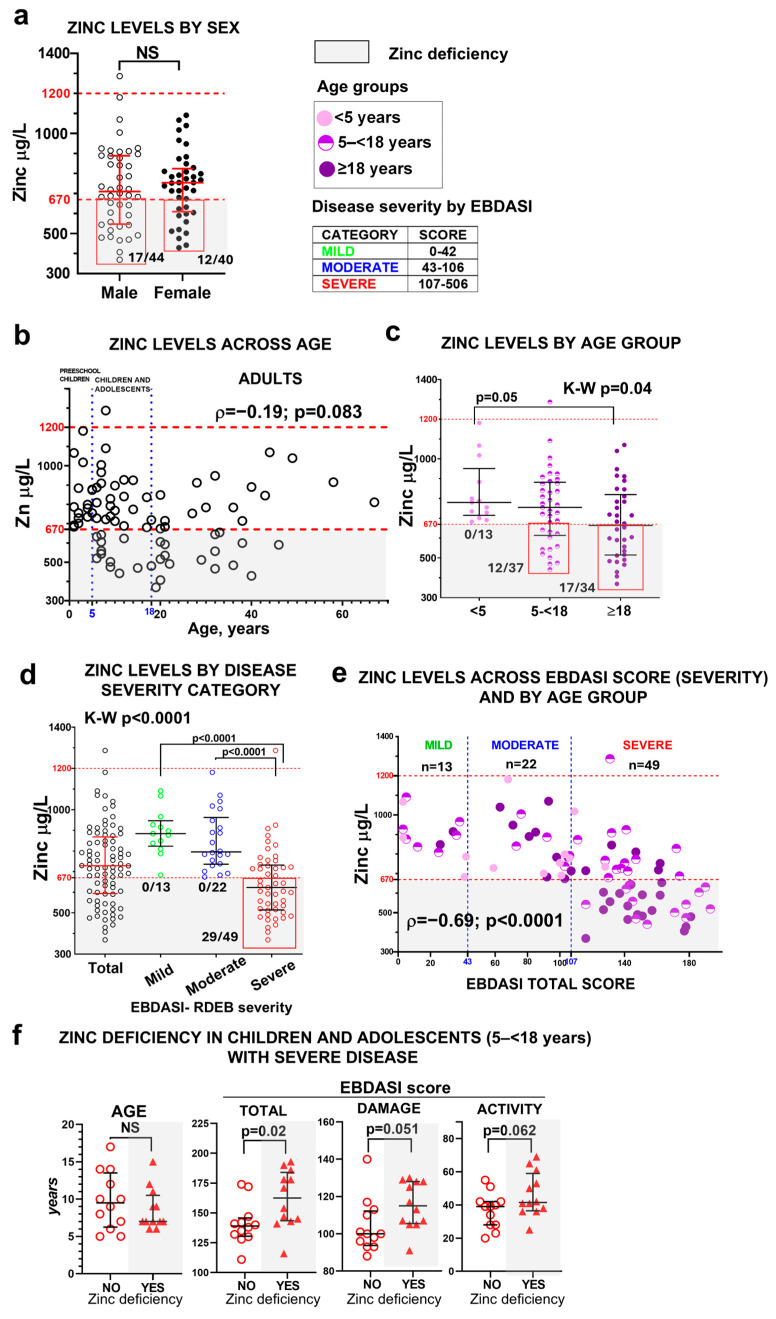 Figure 1
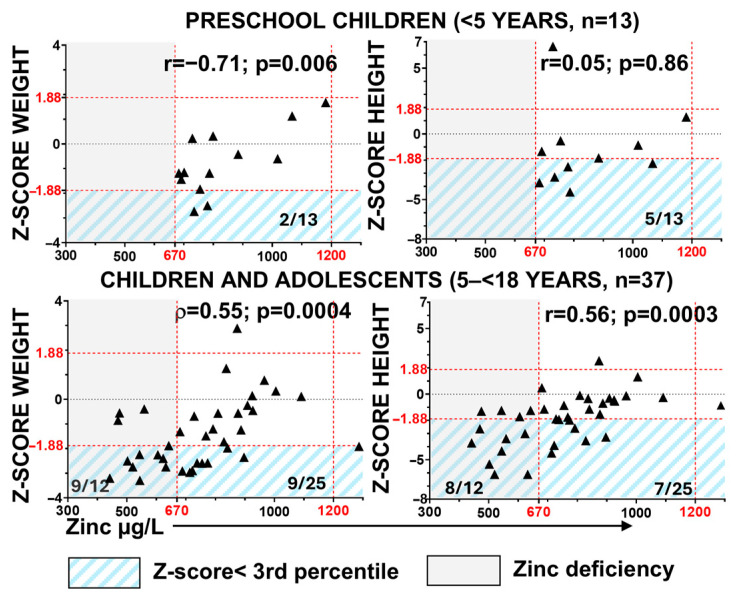 Figure 2
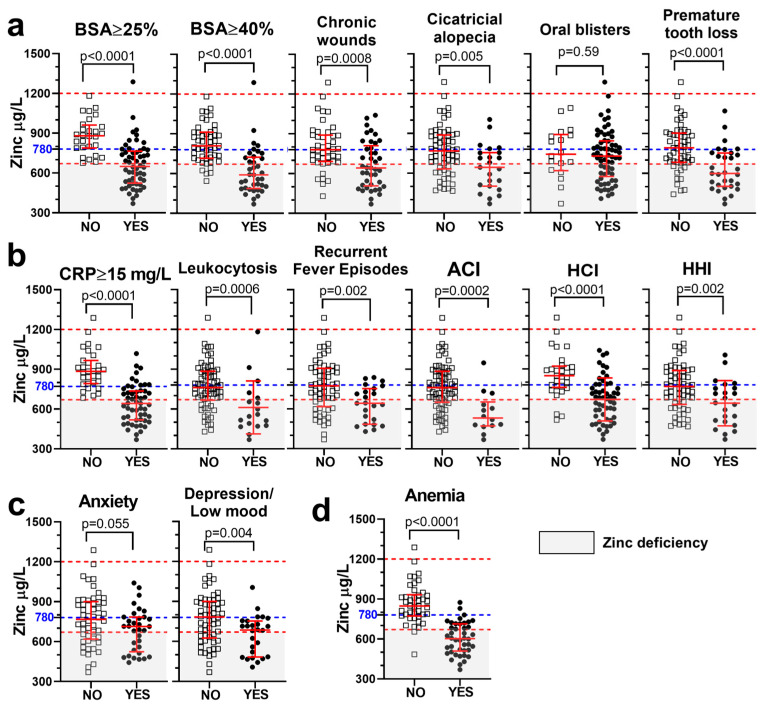 Figure 3
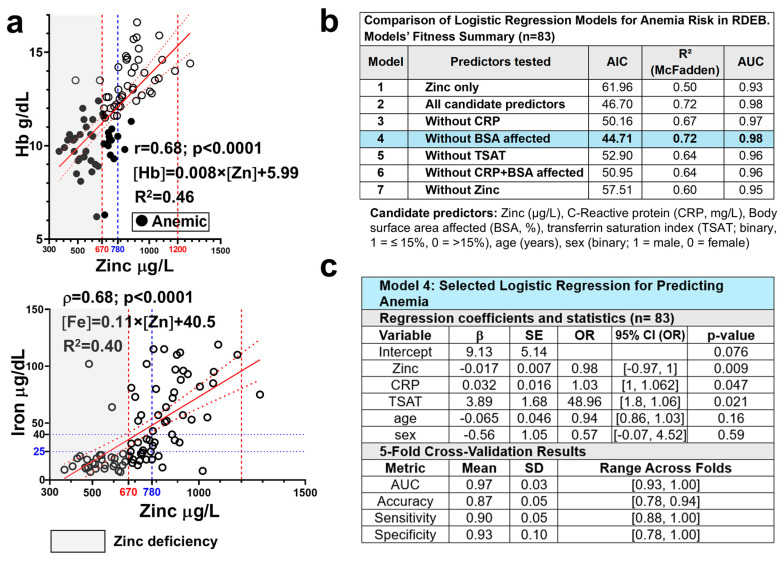 Figure 4
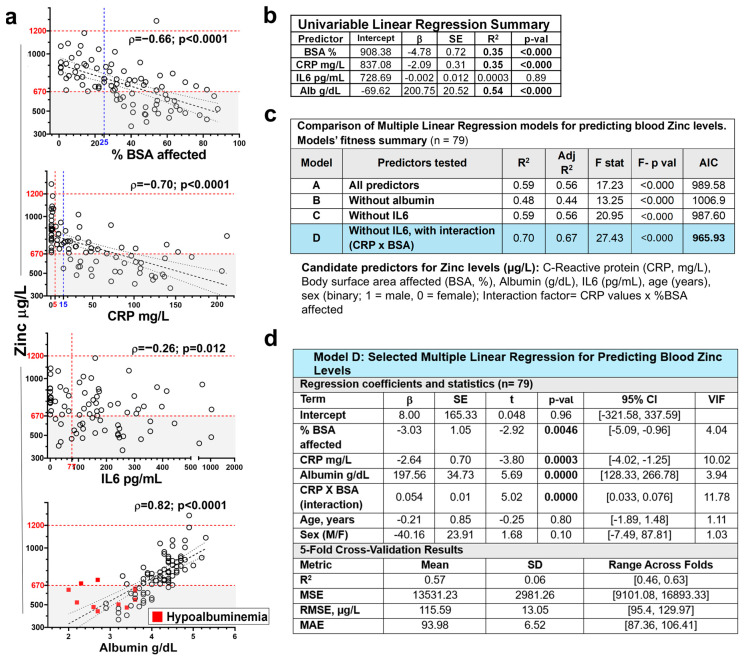 Figure 5
Peer Reviews
No public reviews on file for this paper yet. If you reviewed it on a platform where reviews are public (OpenReview, ICLR, NeurIPS, ICML), you can paste yours below so the community can read it here.
Videos
No videos yet. Explain this paper in a talk, walkthrough, or lecture? Add one.
Taxonomy
TopicsSkin and Cellular Biology Research · Dermatological and Skeletal Disorders · Genetic and rare skin diseases.