Current Evidence from Animal Models on Molecular Changes Underlying Antidepressant Effects of Psychobiotics
Nevena Todorović Vukotić, Neda Đorđević, Andrijana Stanisavljević Ilić, Svetlana Soković Bajić, Ivana Perić

TL;DR
This paper reviews how psychobiotics, a type of probiotic, may help reduce depression and anxiety by changing molecular processes in animal models.
Contribution
The paper provides a comprehensive review of molecular mechanisms through which psychobiotics exert antidepressant effects in animal models.
Findings
Psychobiotics normalize the hypothalamic-pituitary-adrenal (HPA) axis activity in depression models.
They reduce inflammatory mediators in the gut, blood, and brain, and regulate neurotransmitter levels.
Psychobiotics influence tryptophan metabolism and show potential as supportive therapies for depression.
Abstract
The treatment of depression is an uphill battle due to the low efficiency and delayed clinical response of antidepressants and the fact that most of them cause numerous side effects. Psychobiotics, probiotics that affect brain function and confer mental health benefits, emerged as a promising ally showing protective effects against depressive- and anxiety-like behaviors in various animal models of depression. There is rapidly accumulating evidence that psychobiotics show protective effects at the molecular level as well, affecting several pathophysiological processes implicated in depression. This narrative review summarizes preclinical insights into molecular changes related to the hypothalamic-pituitary-adrenal (HPA) axis, peripheral inflammation, neuroinflammation, neurotransmission and tryptophan metabolism underlying psychobiotic-driven mitigation of depressive and anxiety symptoms…
Genes, proteins, chemicals, diseases, species, mutations and cell lines named across the full text — each resolved to its canonical identifier and authoritative record.
Click any figure to enlarge with its caption.
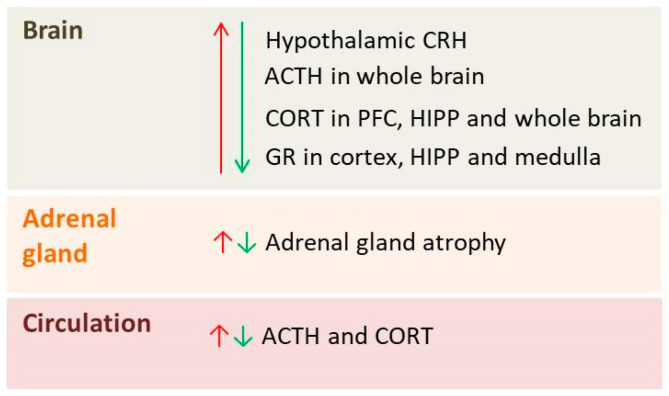 Figure 1
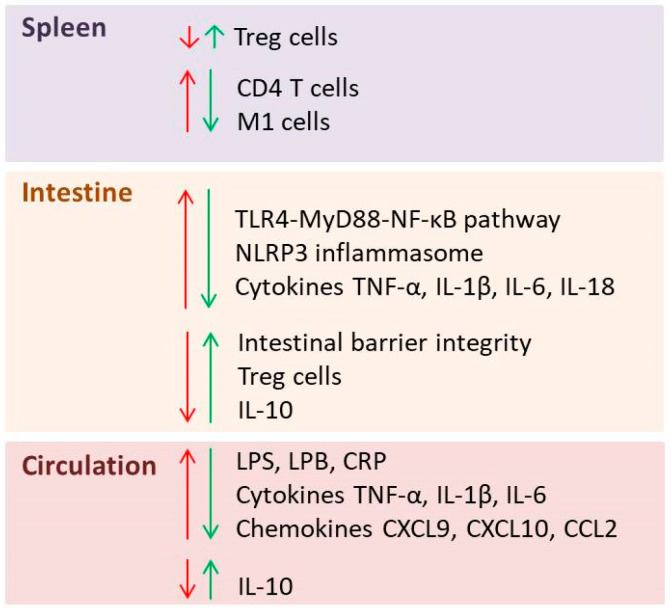 Figure 2
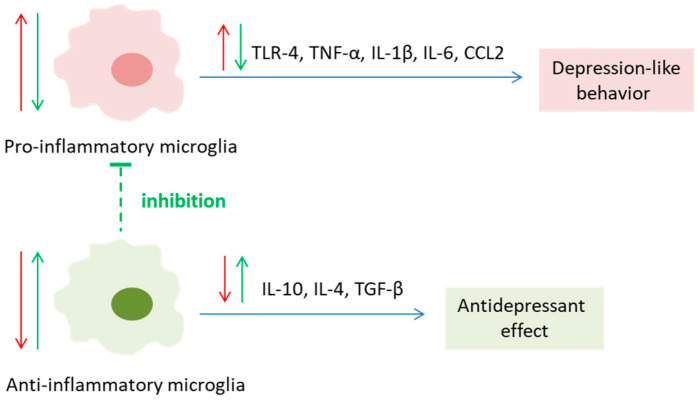 Figure 3
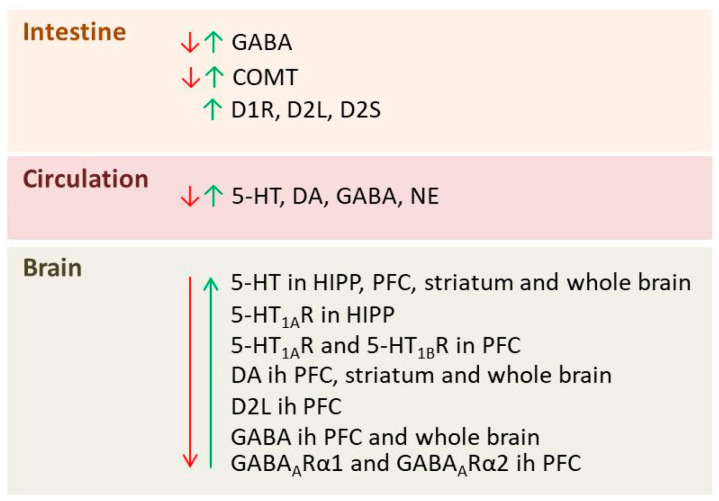 Figure 4
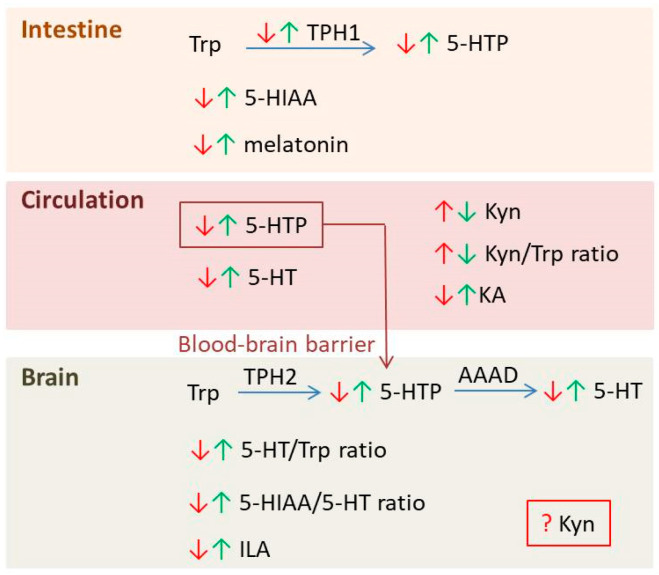 Figure 5
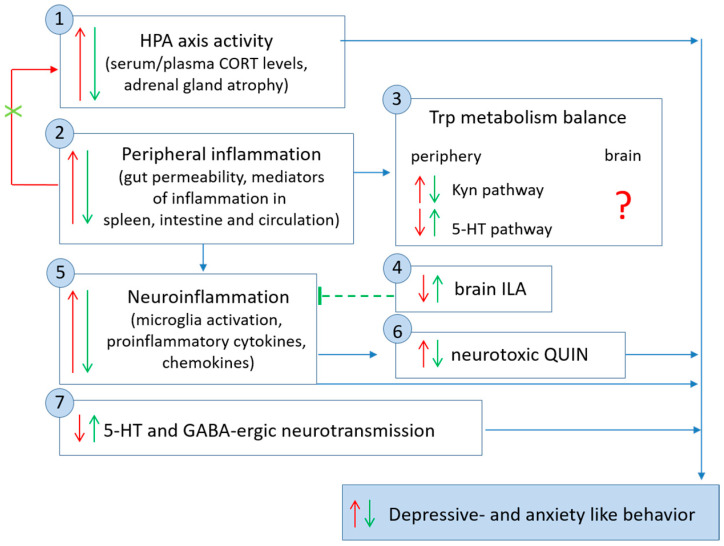 Figure 6
Peer Reviews
No public reviews on file for this paper yet. If you reviewed it on a platform where reviews are public (OpenReview, ICLR, NeurIPS, ICML), you can paste yours below so the community can read it here.
Videos
No videos yet. Explain this paper in a talk, walkthrough, or lecture? Add one.
Taxonomy
TopicsTryptophan and brain disorders · Stress Responses and Cortisol · Gut microbiota and health