Inhibitory Activity of LDT10 and LDT119, New Saturated Cardanols, Against Trypanosoma cruzi
Renato Granado, Brenda de Lucena Costa, Cleonice Andrade Holanda, Daniel Carneiro Moreira, Luiz Antonio Soares Romeiro, Emile Santos Barrias, Wanderley de Souza

TL;DR
This paper explores new compounds derived from cashew nut shell liquid that show strong anti-parasitic effects against Trypanosoma cruzi, the cause of Chagas disease, with low toxicity to human cells.
Contribution
The study introduces and evaluates two novel cardanol-derived phospholipid analogs, LDT10 and LDT119, as potential new treatments for Chagas disease.
Findings
LDT10 and LDT119 showed potent inhibition of T. cruzi at low micromolar concentrations with minimal cytotoxicity to mammalian cells.
The compounds caused significant morphological and ultrastructural damage to the parasite, including membrane defects and organelle disruption.
Both compounds induced reactive oxygen species production in T. cruzi, suggesting oxidative stress as a mechanism of action.
Abstract
Background/Objectives: Chagas disease, caused by Trypanosoma cruzi, remains a major neglected tropical disease with limited therapeutic options restricted to benznidazole and nifurtimox, both associated with significant toxicity and reduced efficacy during chronic infection. Seeking novel, safe, and sustainable chemotherapeutic candidates, two new saturated cardanol-derived phospholipid analogs—LDT10 and LDT119—were rationally designed based on the molecular scaffold of miltefosine and biosourced from cashew nut shell liquid (CNSL). This study aimed to evaluate the pharmacokinetic properties of these compounds in silico and assess their antiparasitic activity, cytotoxicity, and morphological and ultrastructural effects on all developmental forms of T. cruzi in vitro. Materials and Methods: In silico ADMET predictions (SwissADME, pkCSM) were performed to determine bioavailability,…
Genes, proteins, chemicals, diseases, species, mutations and cell lines named across the full text — each resolved to its canonical identifier and authoritative record.
Click any figure to enlarge with its caption.
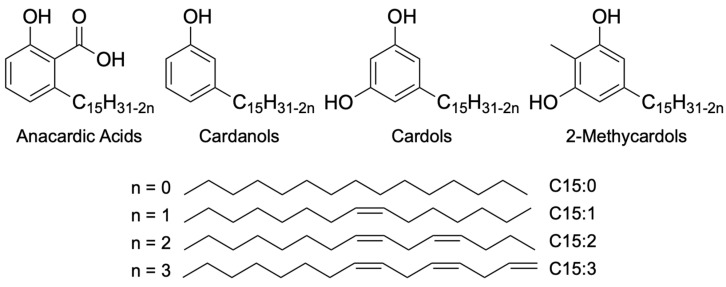 Figure 1
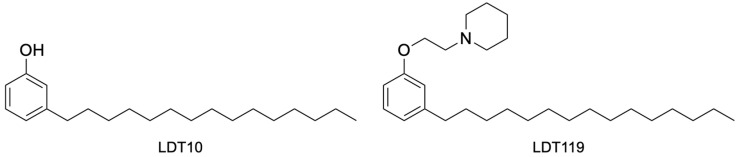 Figure 2
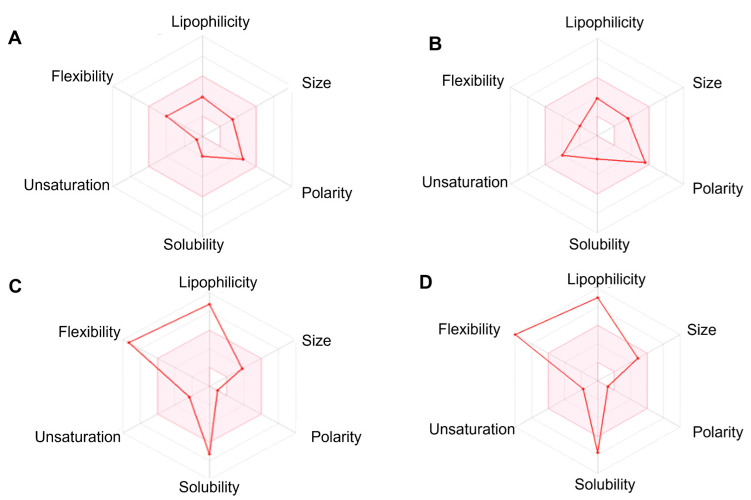 Figure 3
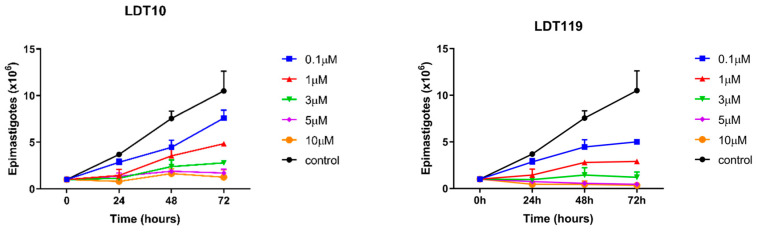 Figure 4
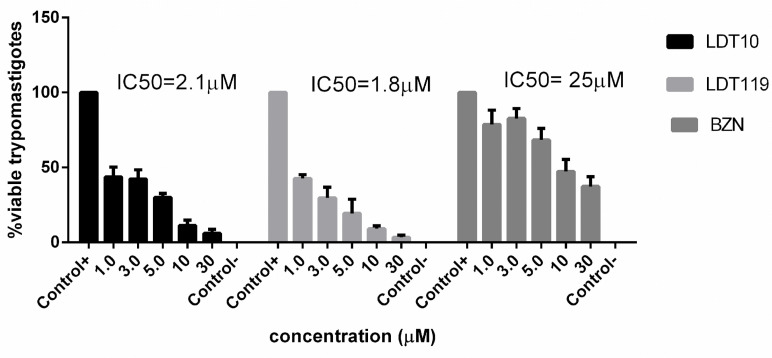 Figure 5
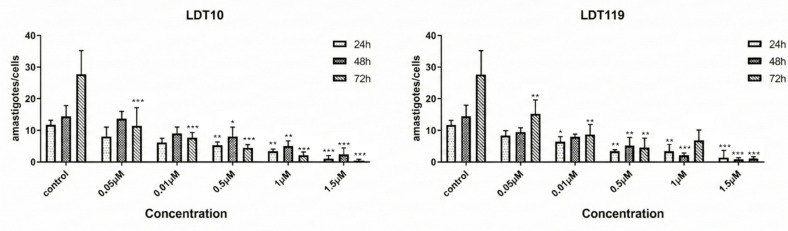 Figure 6
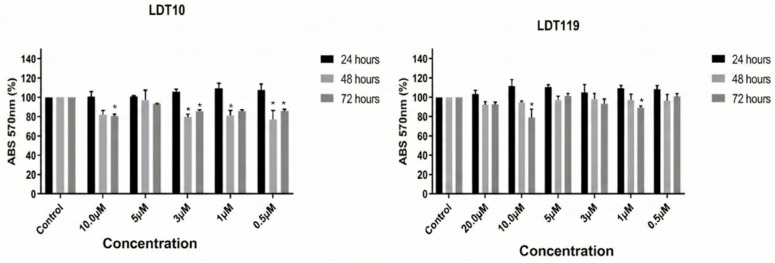 Figure 7
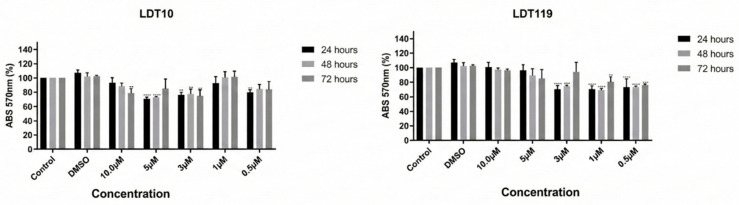 Figure 8
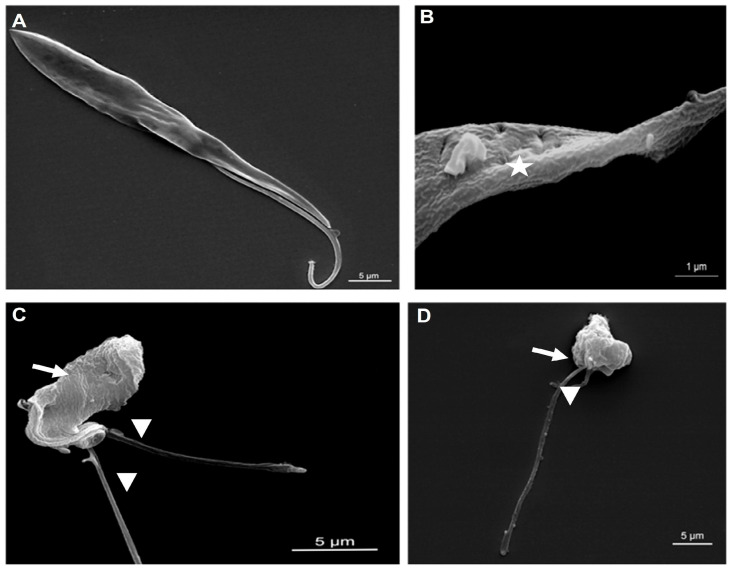 Figure 9
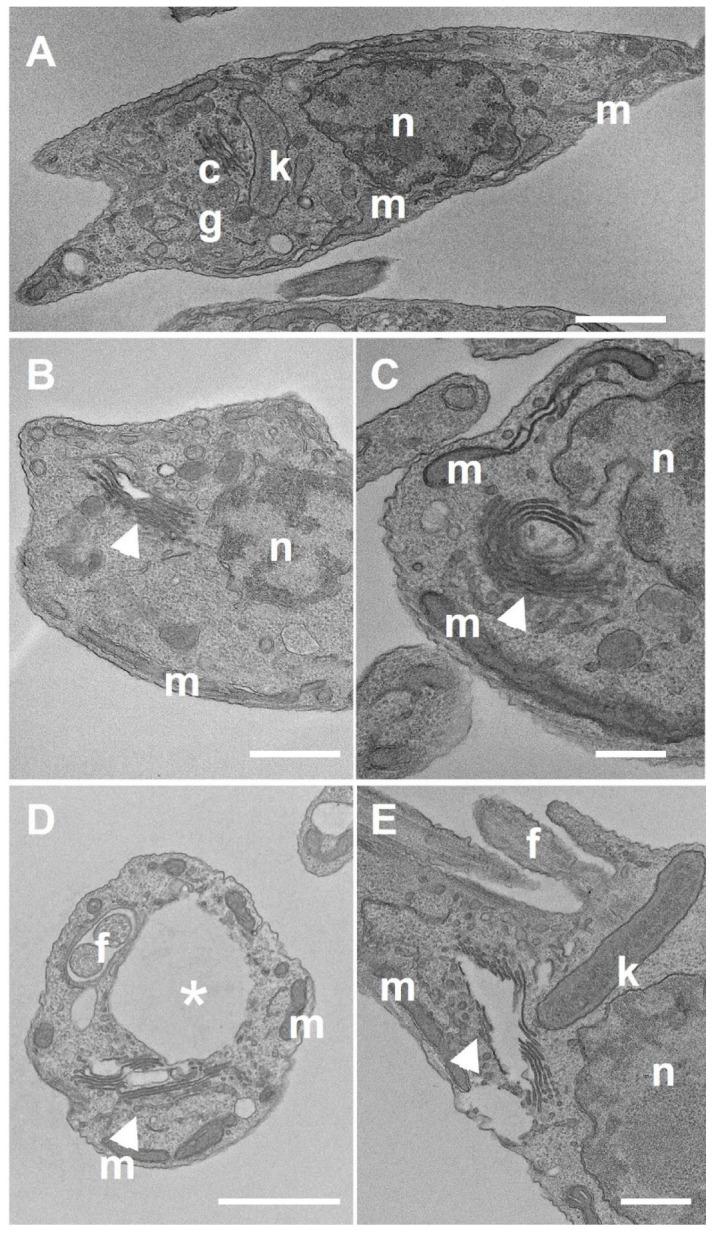 Figure 10
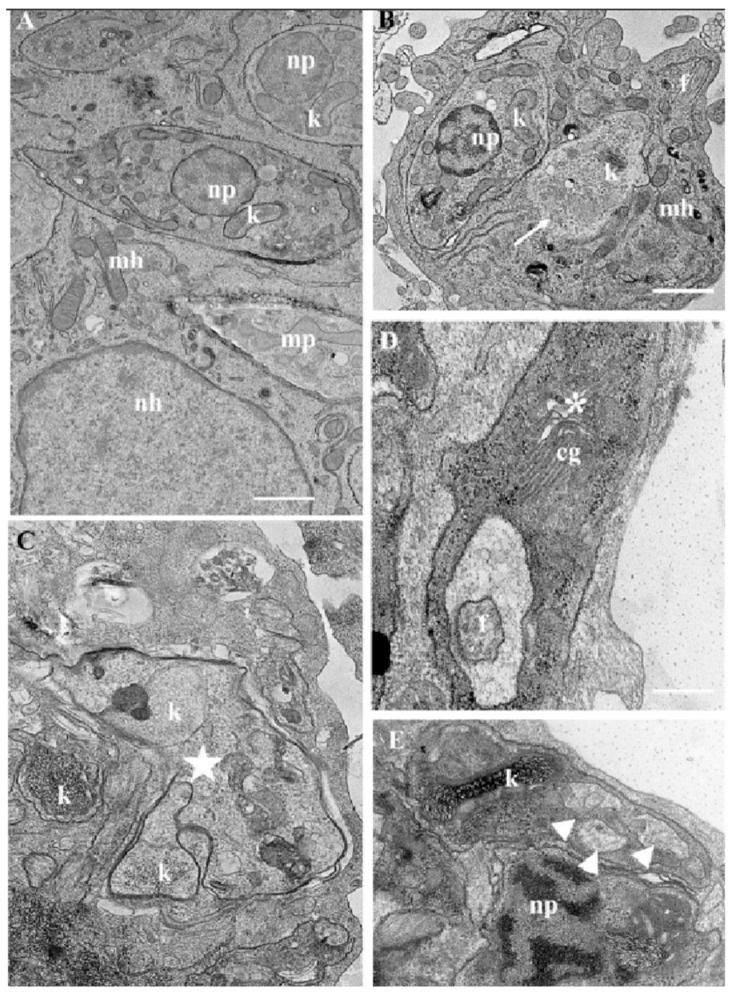 Figure 11
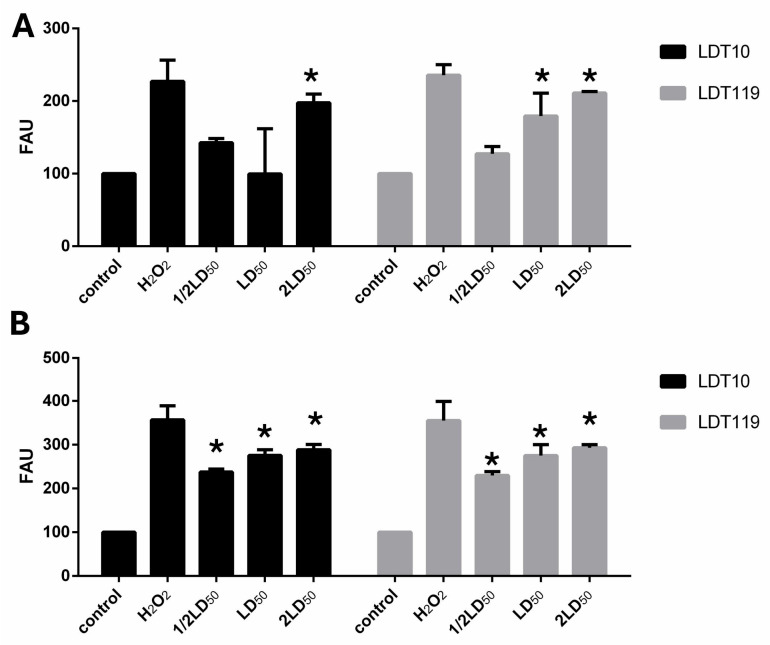 Figure 12
Peer Reviews
No public reviews on file for this paper yet. If you reviewed it on a platform where reviews are public (OpenReview, ICLR, NeurIPS, ICML), you can paste yours below so the community can read it here.
Videos
No videos yet. Explain this paper in a talk, walkthrough, or lecture? Add one.
Taxonomy
TopicsTrypanosoma species research and implications · Ginkgo biloba and Cashew Applications · Phytochemistry Medicinal Plant Applications