Descriptive Temporal Epidemiology of Tularemia Using Case Reports and Hospitalization Data in the United States, 2000–2022
Chad L. Cross, Bryson Carrier, Louisa A. Messenger

TL;DR
This study analyzes trends in tularemia cases in the U.S. from 2000 to 2022 using CDC and hospital data, highlighting demographic and geographic patterns.
Contribution
The study evaluates the use of hospital discharge records as a tool for indirect surveillance of rare diseases like tularemia.
Findings
Tularemia case numbers in the U.S. have shown an upward trend over 23 years.
White males and American Indian/Alaska Native populations are at the highest risk for tularemia.
Hospital discharge records provide useful but imprecise estimates of tularemia incidence.
Abstract
Tularemia is a well-known zoonotic disease around the world, with particularly high rates in certain geographic areas of the U.S. Though the disease is regularly reported, it is classified as a rare condition owing to the relatively low number of cases detected annually. Interestingly, however, the number of cases in the U.S. has shown a positive upward trend through time. The aim of this study was to summarize, interpret, compare, and contextualize temporal trends in tularemia epidemiology at the national scale within the U.S. utilizing long-term data sets encompassing the 23-year span from 2000 to 2022. We used two secondary data sets: (1) case data reports from the National Notifiable Disease Surveillance System (NNDSS) of the Centers for Disease Control and Prevention (CDC) and (2) the National Inpatient Sample (NIS) of hospitalization discharge records. In addition to investigating…
Genes, proteins, chemicals, diseases, species, mutations and cell lines named across the full text — each resolved to its canonical identifier and authoritative record.
Click any figure to enlarge with its caption.
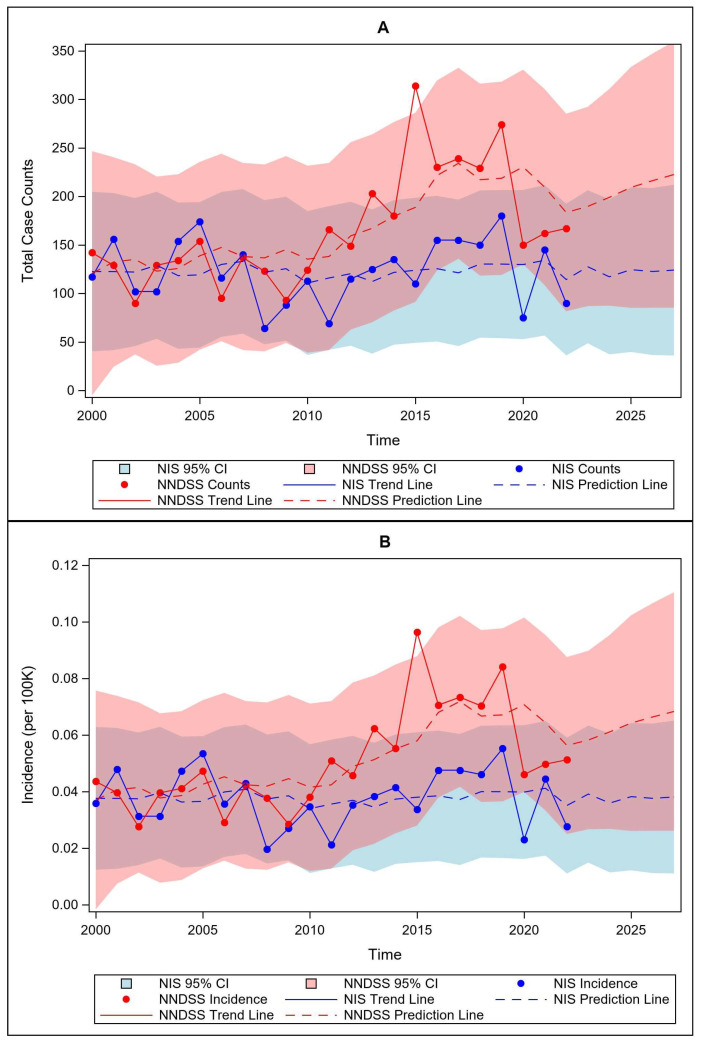 Figure 1
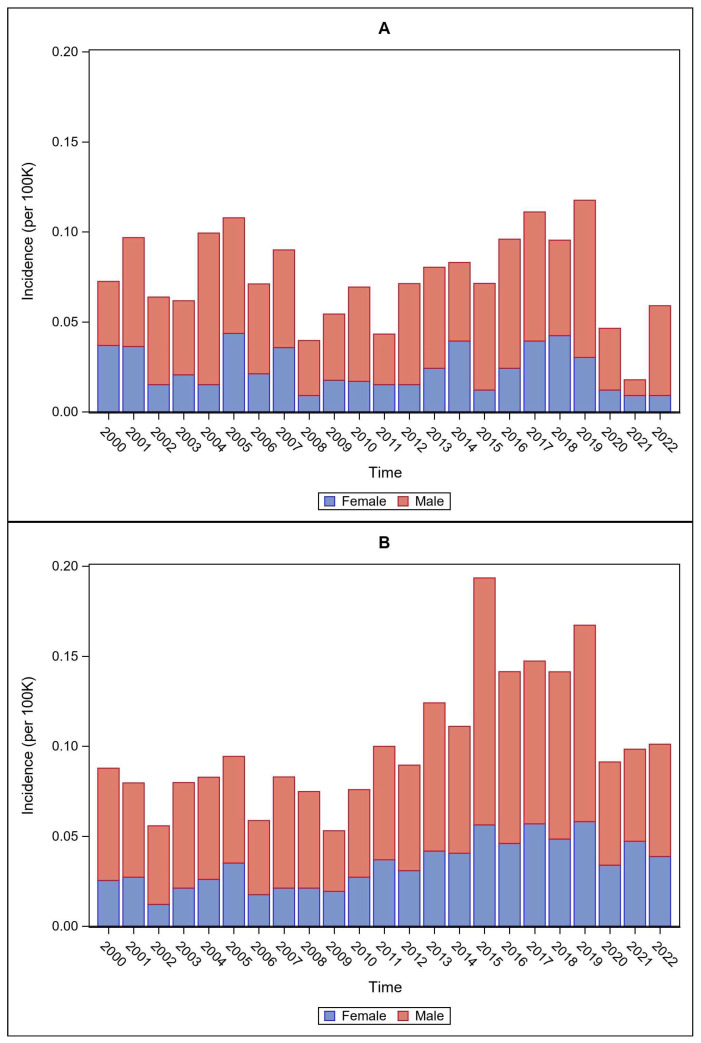 Figure 2
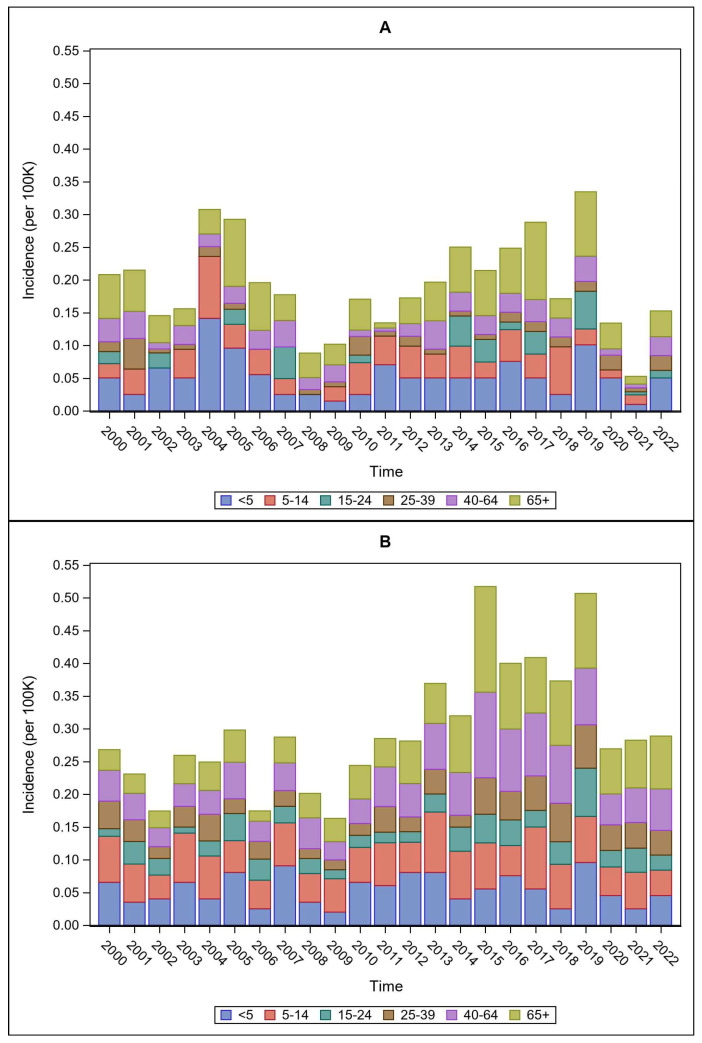 Figure 3
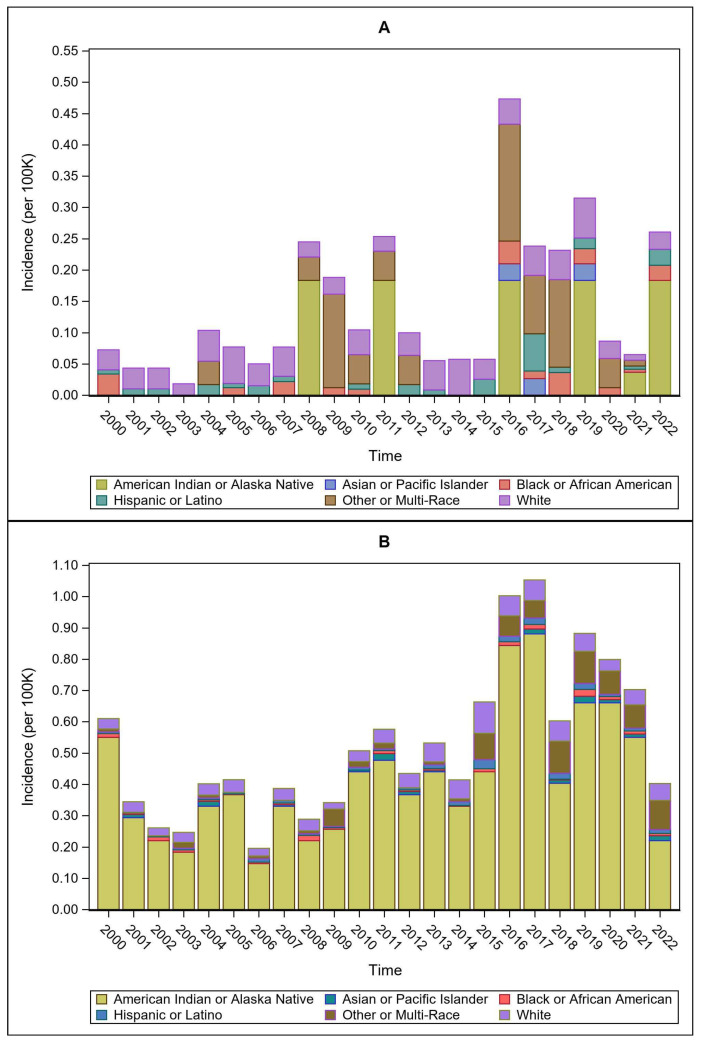 Figure 4
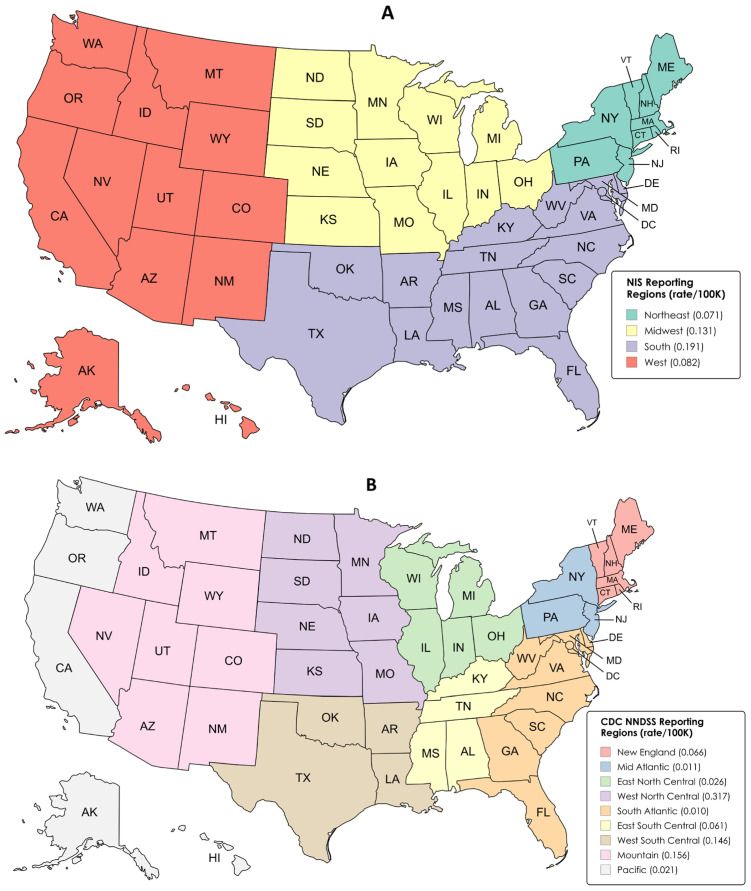 Figure 5
Peer Reviews
No public reviews on file for this paper yet. If you reviewed it on a platform where reviews are public (OpenReview, ICLR, NeurIPS, ICML), you can paste yours below so the community can read it here.
Videos
No videos yet. Explain this paper in a talk, walkthrough, or lecture? Add one.
Taxonomy
TopicsBacillus and Francisella bacterial research · Yersinia bacterium, plague, ectoparasites research · Viral Infections and Outbreaks Research