Induction of Embryogenic Callus, Protoplast Isolation, and PEG-Mediated Transformation Protocols in Eucommia ulmoides
Hongrun Zhou, Zibo Zhou, Jiangyuan Zhang, Haoran Kan, Mengqi Yin, Han Zhang, Luyao Wang, Jie Zhao, Jing Ye

TL;DR
This study develops a reliable method for genetic transformation in Eucommia ulmoides, a Chinese tree species, using embryogenic callus and protoplasts for gene research and breeding.
Contribution
The paper introduces a stable and efficient protoplast isolation and PEG-mediated transformation system for E. ulmoides.
Findings
The optimal medium for embryogenic callus induction achieved a 97.50% callus induction rate and 86.30% embryogenic callus formation.
Protoplast isolation yielded 1.82 × 10⁶ protoplasts/g FW with 91.13% viability under specific enzymatic and osmotic conditions.
The highest transfection efficiency (53.23%) was achieved using 10 µg of plasmid and 40% PEG4000 for 20 minutes.
Abstract
Eucommia ulmoides, a tree species native to China, holds considerable medicinal, ecological, and industrial importance. However, the absence of an efficient and stable genetic transformation system poses significant challenges to gene function studies and molecular breeding in E. ulmoides. Protoplasts, which lack cell walls, serve as effective receptors for transient transformation and are thus ideal for genetic engineering research. In this study, the optimal conditions for callus induction were identified, and formation of the embryogenic callus was confirmed by histological analysis. Furthermore, we developed an efficient protoplast isolation and PEG-mediated transient transformation system using suitable embryogenic callus as the starting material. Our findings revealed that the optimal medium for inducing embryogenic callus was B5 + 1.5 mg/L 6-BA + 0.5 mg/L NAA + 30 g/L sucrose + 7…
Genes, proteins, chemicals, diseases, species, mutations and cell lines named across the full text — each resolved to its canonical identifier and authoritative record.
Click any figure to enlarge with its caption.
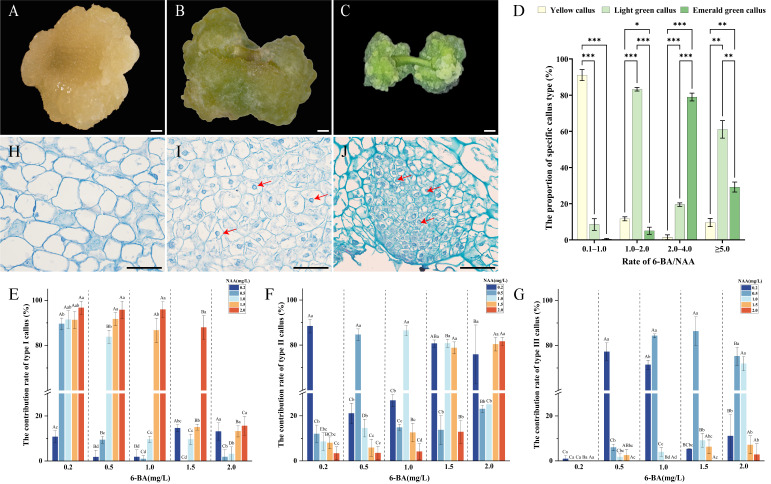 Figure 1
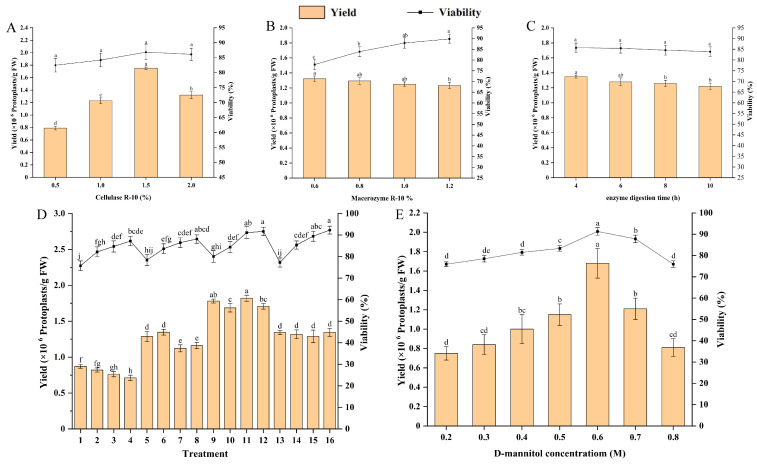 Figure 2
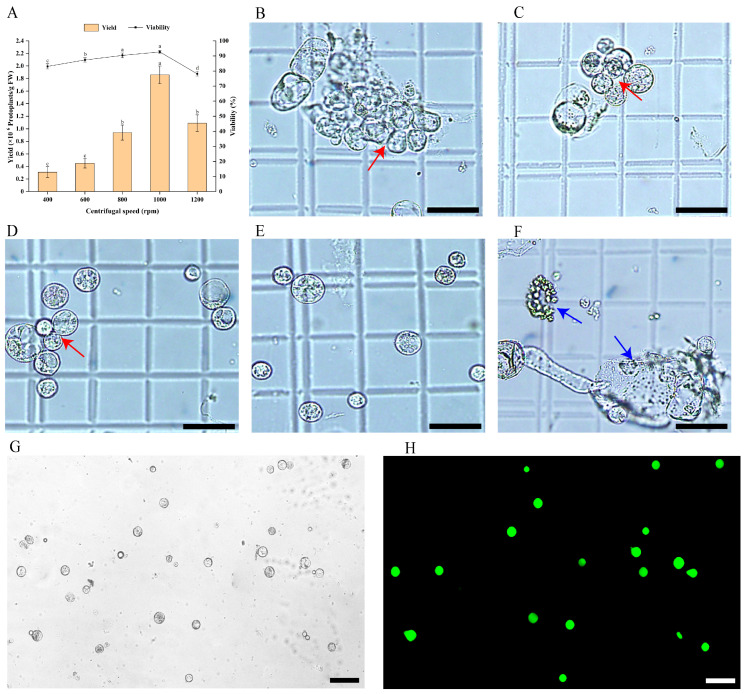 Figure 3
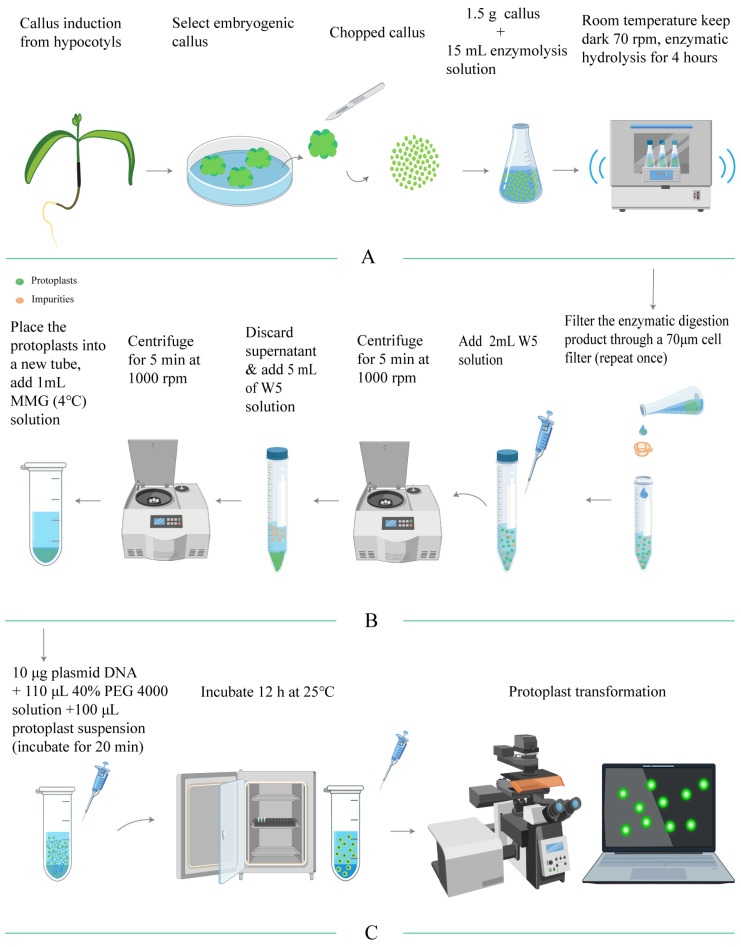 Figure 4
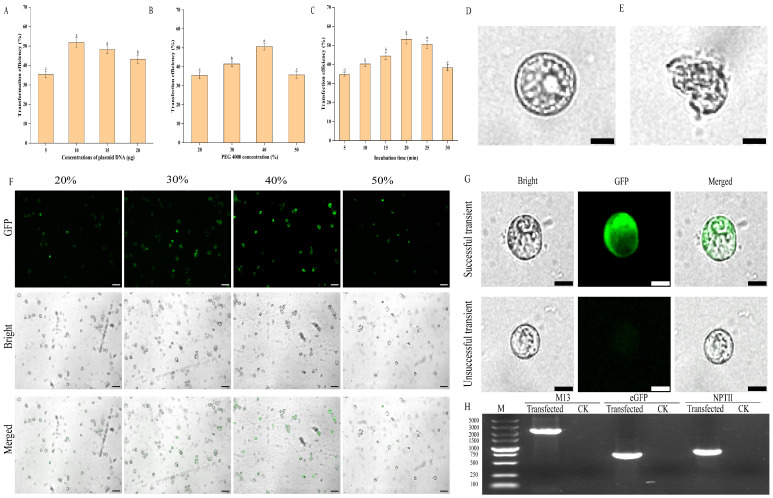 Figure 5
Peer Reviews
No public reviews on file for this paper yet. If you reviewed it on a platform where reviews are public (OpenReview, ICLR, NeurIPS, ICML), you can paste yours below so the community can read it here.
Videos
No videos yet. Explain this paper in a talk, walkthrough, or lecture? Add one.
Taxonomy
TopicsPlant tissue culture and regeneration · Transgenic Plants and Applications · Medicinal Plants and Bioactive Compounds