Effects of Strip Width on Inter-Row Heterogeneity in Light Interception and Utilization of Intercropped Soybeans
Yue Li, Yao Zhang, Jiamiao Shi, Ruizhe Zhang, Lisha Zhang, Yuan Yang, Haichang Li, Lihua Wang, Tianyu Yuan, Sirong Huang, Xiaochun Wang, Feng Yang, Jiang Liu, Taiwen Yong, Yanhong Yan, Wenyu Yang, Yushan Wu

TL;DR
This study shows how varying strip widths in soybean-maize intercropping affects light interception and productivity.
Contribution
The study quantifies how strip width influences light interception and productivity in intercropped soybeans.
Findings
Western rows of intercropped soybeans intercepted 6.1% more PAR than eastern rows across all strip widths.
Grain yields in eastern rows increased significantly with wider strip widths compared to 2.2 m.
PAR and RUE had the strongest influence on dry matter and leaf area at specific strip widths.
Abstract
Strip intercropping improves productivity through enhanced light interception. In this study, we quantified the effects of strip width on light interception of soybean across six strip widths (2.2 m, 2.5 m, 2.8 m, 3.1 m, 3.4 m, 3.7 m) when intercropped with maize. Results showed that photosynthetically active radiation (PAR) in western rows of intercropped soybeans peaked at 11:30 a.m., whereas in eastern rows, it occurred at 1:00 p.m. Across 2.2 m to 3.7 m, PAR in the western rows of intercropped soybeans was 6.1% higher than that of the eastern rows for the whole growth period. During the R5 stage, compared to eastern rows, radiation use efficiency (RUE), dry matter accumulation, and leaf area of soybean in western rows increased by 4.0%, 7.4%, and 6.7%, respectively. Compared to the 2.2 m strip width, grain yields in eastern rows of 2.5–3.7 m strip widths were 8.5%, 54.7%, 56.5%,…
Genes, proteins, chemicals, diseases, species, mutations and cell lines named across the full text — each resolved to its canonical identifier and authoritative record.
Click any figure to enlarge with its caption.
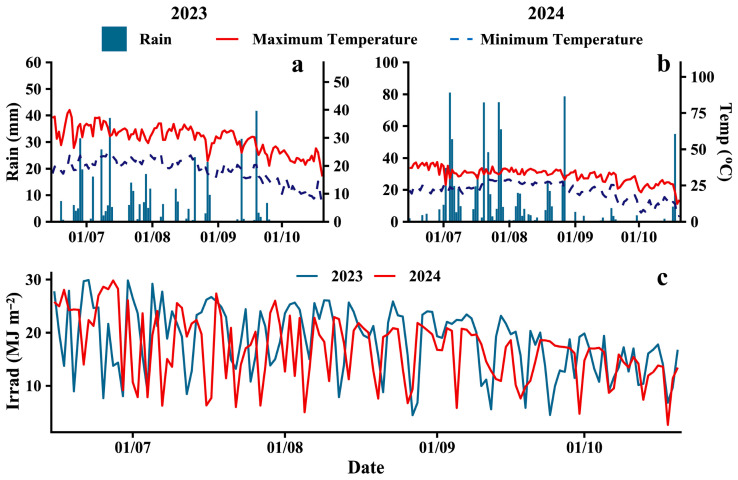 Figure 1
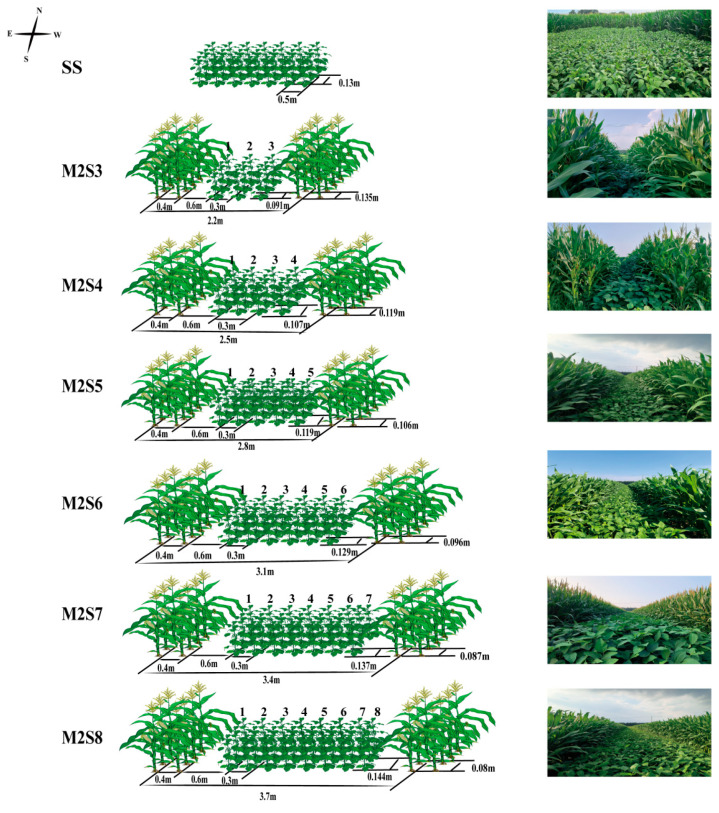 Figure 2
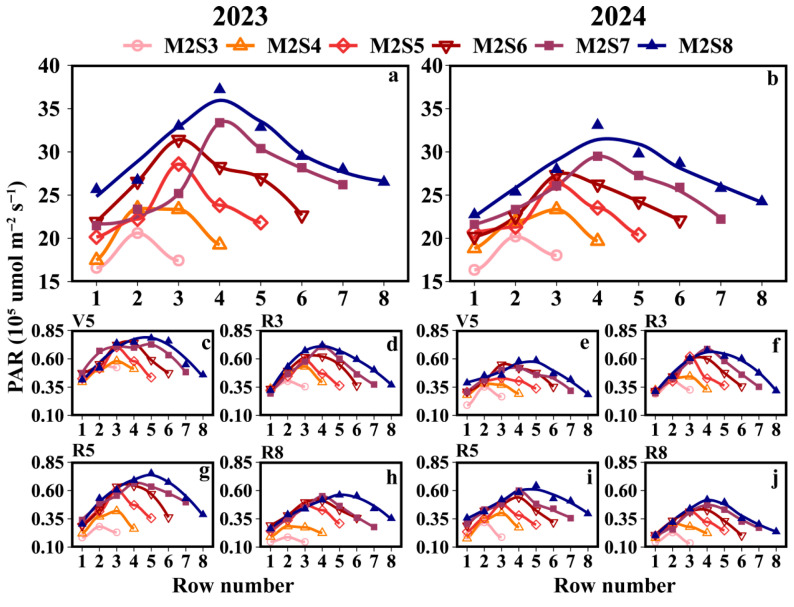 Figure 3
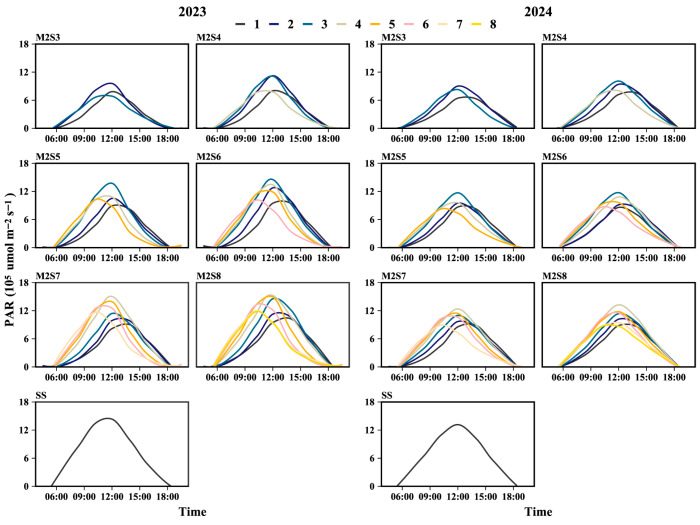 Figure 4
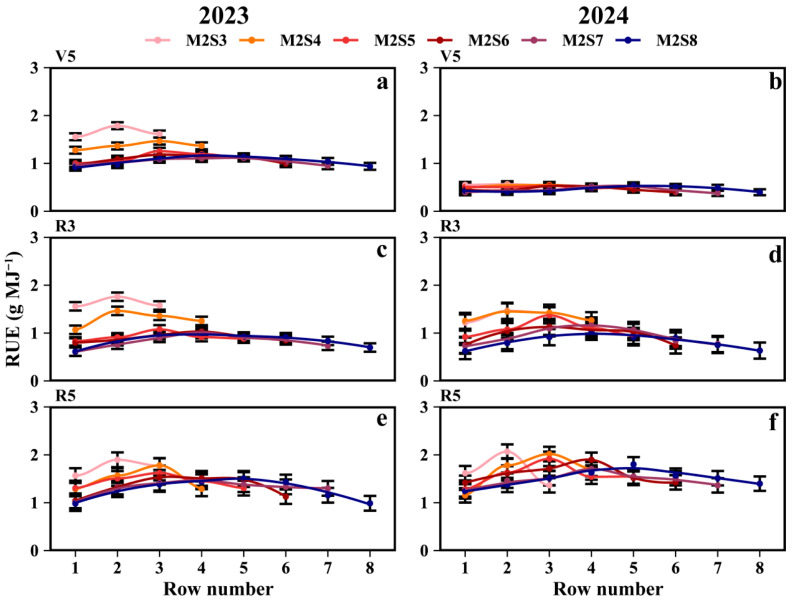 Figure 5
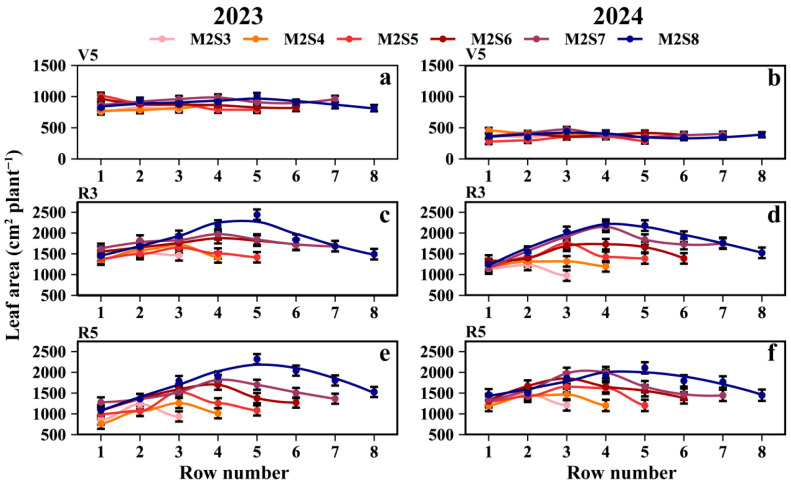 Figure 6
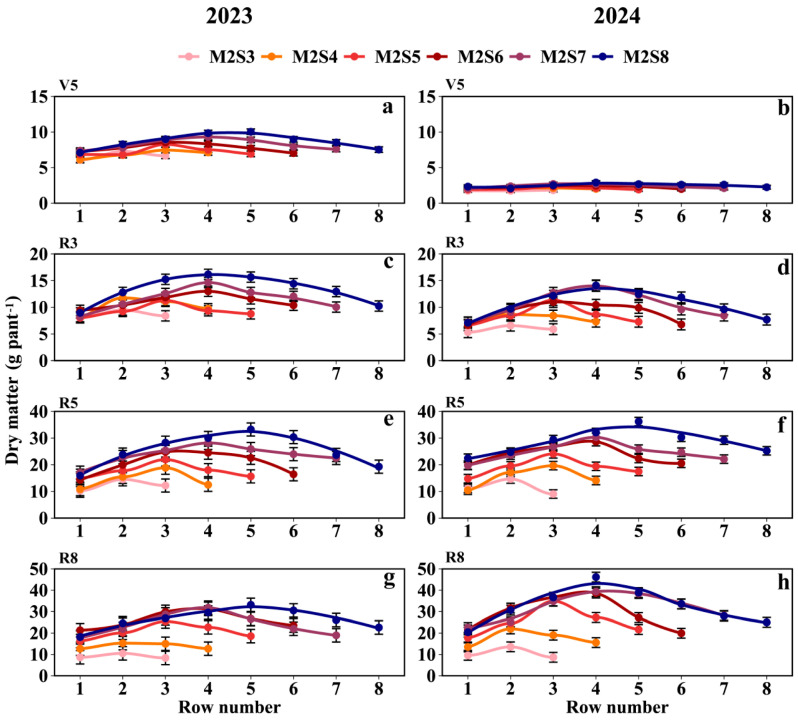 Figure 7
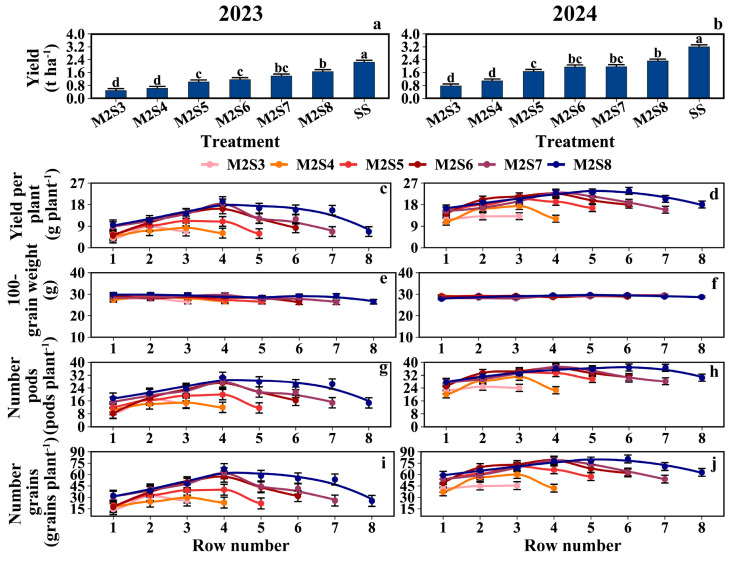 Figure 8
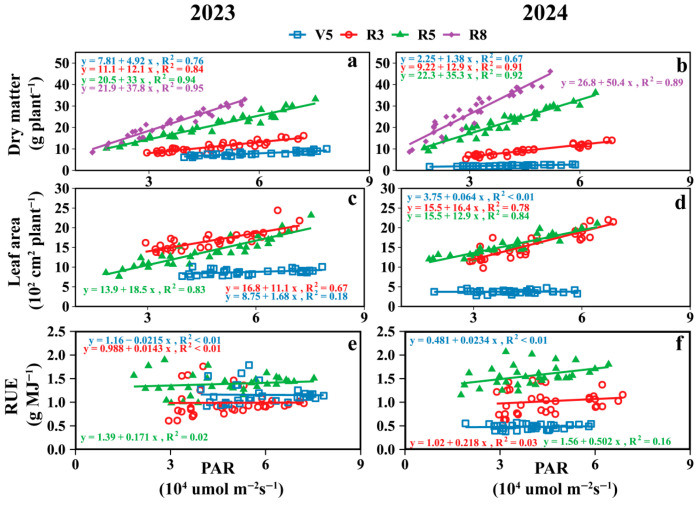 Figure 9
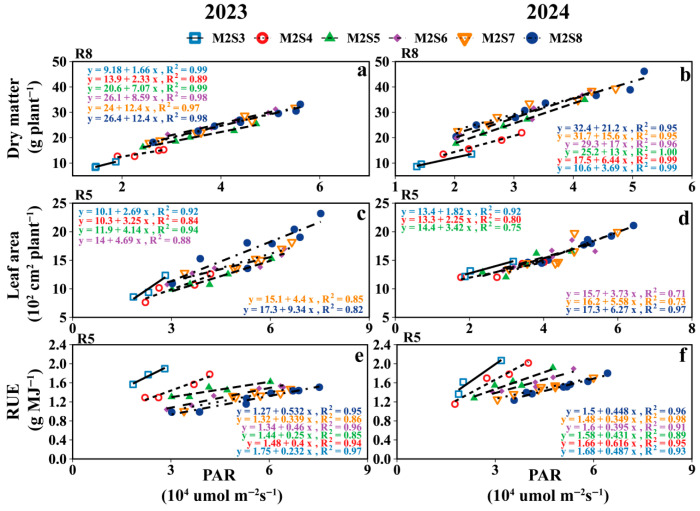 Figure 10
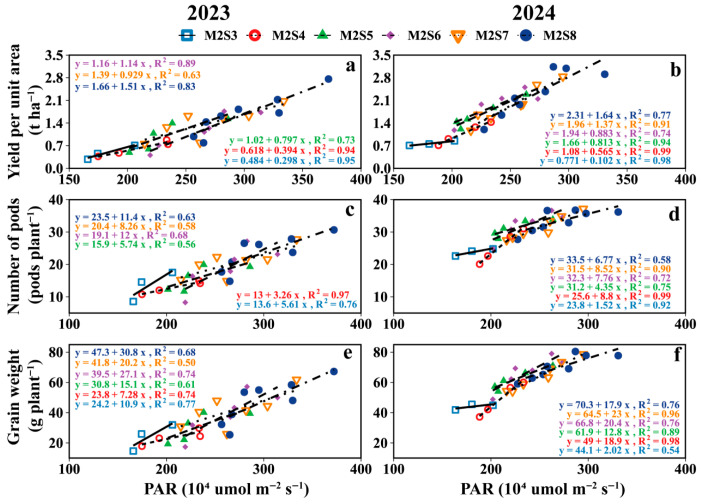 Figure 11
Peer Reviews
No public reviews on file for this paper yet. If you reviewed it on a platform where reviews are public (OpenReview, ICLR, NeurIPS, ICML), you can paste yours below so the community can read it here.
Videos
No videos yet. Explain this paper in a talk, walkthrough, or lecture? Add one.
Taxonomy
TopicsAgronomic Practices and Intercropping Systems · Soybean genetics and cultivation · Agroforestry and silvopastoral systems