Evaluation of the Functional Suitability of Carboxylate Chlorin e6 Derivatives for Use in Radionuclide Diagnostics
Mariia Larkina, Anastasia Demina, Nikita Suvorov, Petr Ostroverkhov, Evgenii Plotnikov, Ruslan Varvashenya, Vitalina Bodenko, Gleb Yanovich, Anastasia Prach, Viktor Pogorilyy, Sergey Tikhonov, Alexander Popov, Maxim Usachev, Beatrice Volel, Yuriy Vasil’ev, Mikhail Belousov

TL;DR
Researchers tested modified chlorin compounds as potential carriers for a radioactive tracer used in cancer imaging, focusing on their ability to target tumors.
Contribution
The study introduces water-soluble carboxylate chlorin e6 derivatives as novel SPECT radiopharmaceuticals for radionuclide diagnostics.
Findings
Carboxylate chlorin e6 derivatives were successfully radiolabeled with 99mTc for potential SPECT imaging.
The compounds showed tumor-targeting properties in preclinical models.
Modifications to the chlorin macrocycle enabled complexing with a range of metals, including 99mTc.
Abstract
Radionuclide-based molecular imaging modalities are active and developing areas of functional and molecular diagnosis. Among the radionuclides used for SPECT imaging in oncology, 99mTc is a leading candidate for radiolabeling. At present, a sufficient number of complexons for 99mTc have been described; however, the development of effective delivery systems for this isotope to the area of interest is a complex research task. The use of tumor-targeting molecules as carriers for radioactive tracers is an effective strategy that has enabled the development of many novel radiopharmaceuticals for cancer imaging. Background: To date, a number of studies have shown tumorotropicity of tetrapyrrole compounds to tumor tissues, in particular derivatives of natural chlorophyll A. Methods: Purification was performed using solid-phase extraction. Assessment of radiochemical yield and purity was…
Genes, proteins, chemicals, diseases, species, mutations and cell lines named across the full text — each resolved to its canonical identifier and authoritative record.
Click any figure to enlarge with its caption.
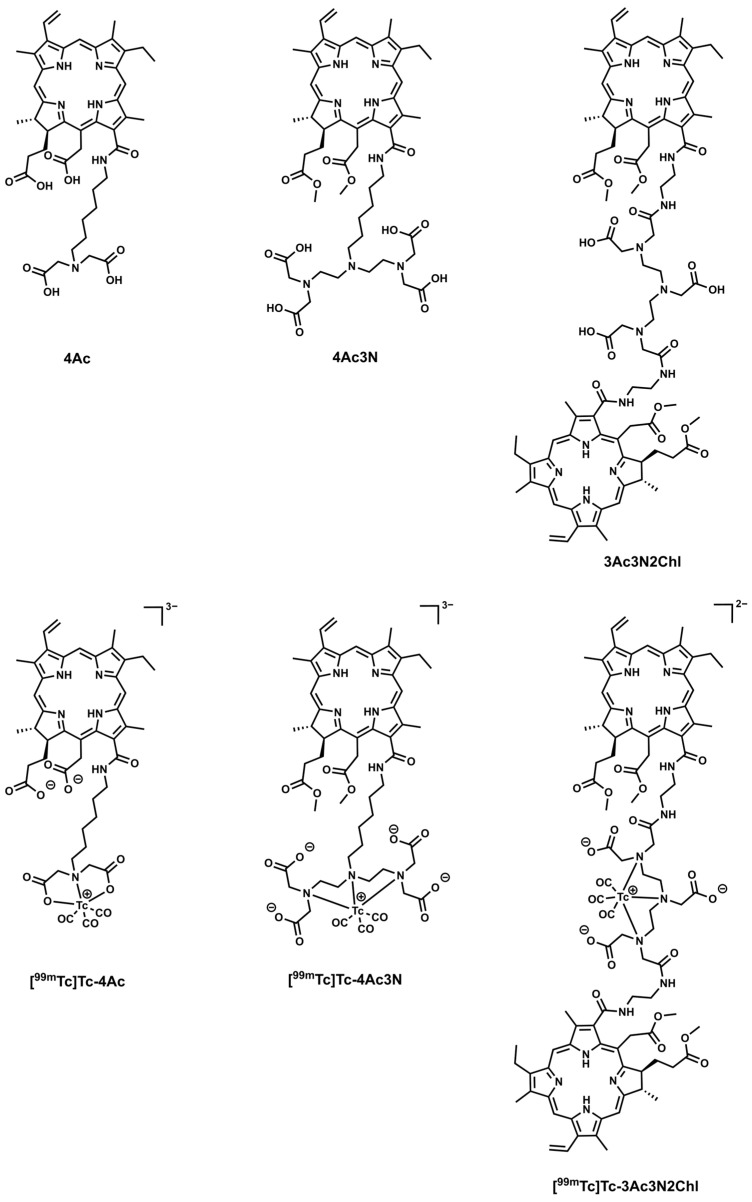 Figure 1
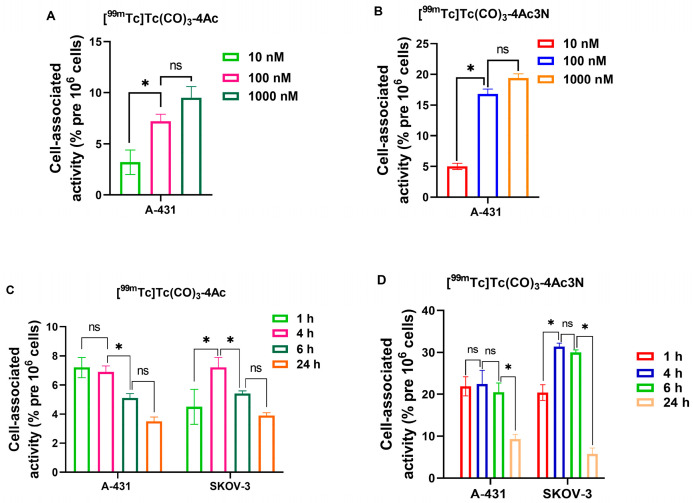 Figure 2
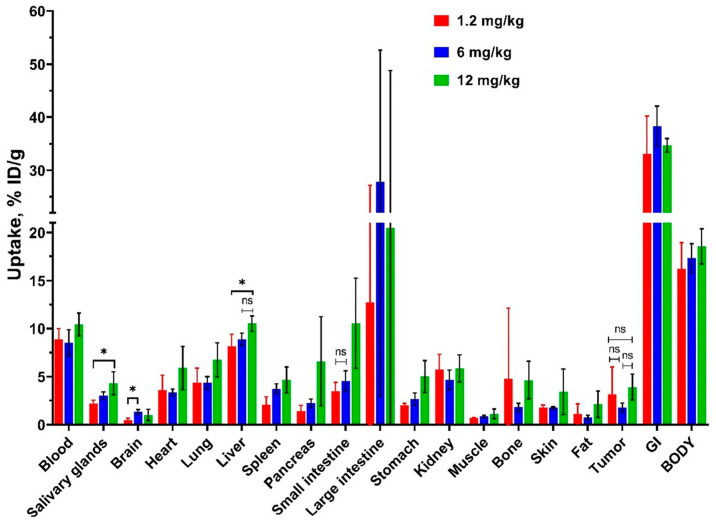 Figure 3
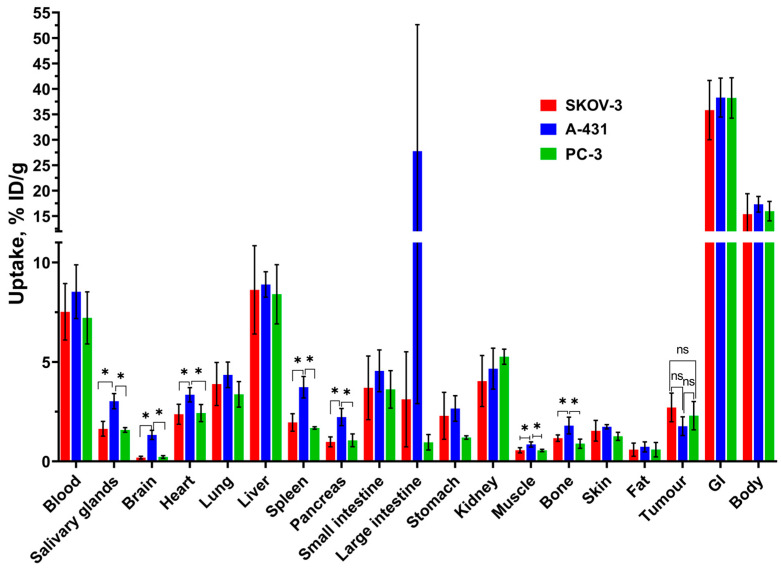 Figure 4
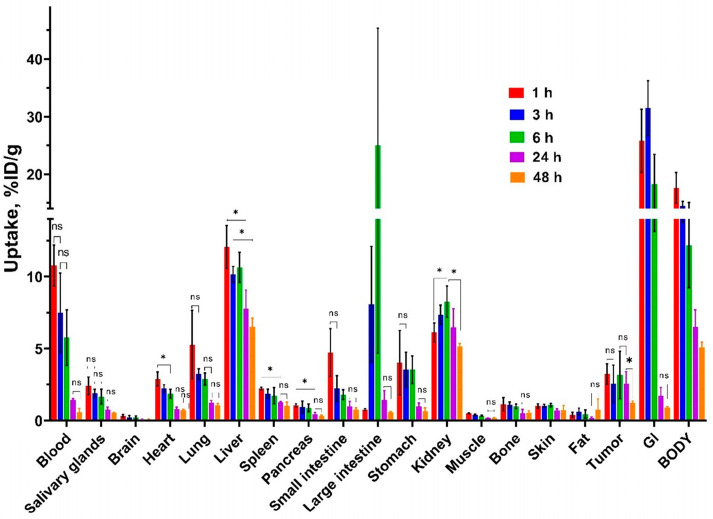 Figure 5
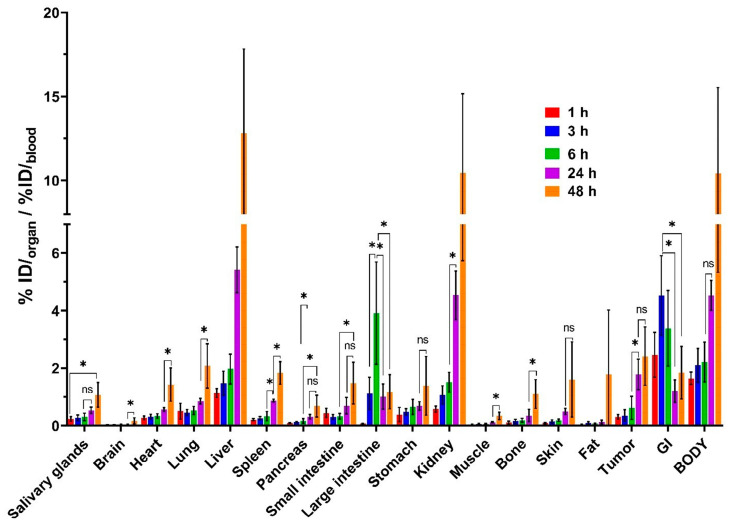 Figure 6
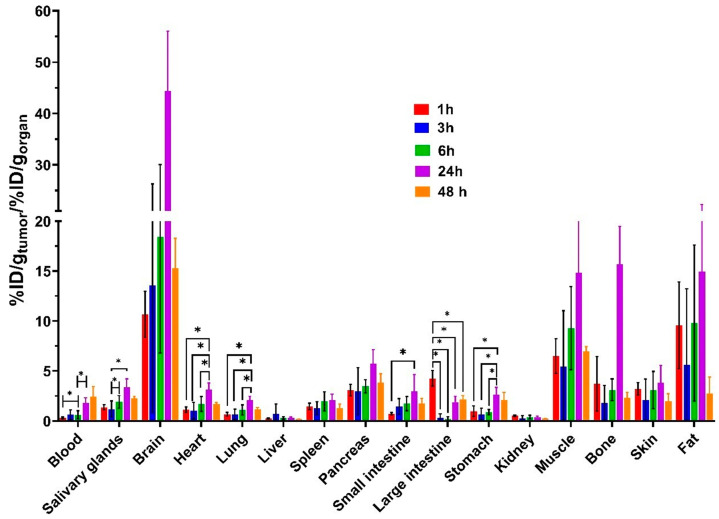 Figure 7
Peer Reviews
No public reviews on file for this paper yet. If you reviewed it on a platform where reviews are public (OpenReview, ICLR, NeurIPS, ICML), you can paste yours below so the community can read it here.
Videos
No videos yet. Explain this paper in a talk, walkthrough, or lecture? Add one.
Taxonomy
TopicsRadiopharmaceutical Chemistry and Applications · Photodynamic Therapy Research Studies · Microbial metabolism and enzyme function