Chrysin and Luteolin from Moroccan Propolis to Prevent Aggressive Periodontitis Caused by Aggregatibacter actinomycetemcomitans Leukotoxin: A Computer-Aided Drug Design Approach
Doha EL Meskini, Fettouma Chraa, Jihane Touhtouh, Mouna Ouadghiri, Monica Gallo, Abdelhakim Bouyahya, Tarik Aanniz

TL;DR
Researchers used computer modeling to find that chrysin and luteolin from Moroccan propolis may inhibit a toxin causing aggressive periodontitis.
Contribution
The study identifies chrysin and luteolin as potential inhibitors of Aggregatibacter actinomycetemcomitans leukotoxin using computational methods.
Findings
Chrysin and luteolin showed strong binding affinities to all four active sites of LtxA.
MD simulations confirmed the stability of chrysin-LtxA complexes with low RMSD values.
Chrysin demonstrated more stable interactions than luteolin due to Van der Waals and lipophilic forces.
Abstract
Background: Aggregatibacter actinomycetemcomitans is a Gram-negative, facultative anaerobic, immobile oral bacterium responsible for the secretion of virulence factors, namely leukotoxin (LtxA), a large exotoxin of the RTX family that enables the bacterium to evade the immune system by destroying leukocytes, resulting in aggressive periodontitis (AP) leading to tooth loss. Methods: This study aimed to screen 106 molecules derived from Moroccan propolis in order to identify potential inhibitors of the active sites of LtxA based on molecular docking, ADMET property evaluation, and molecular dynamics (MD) simulation. Results: Epigallocatechin gallate (EGCg), used as a reference compound, showed binding energies of −6.9 kcal/mol, −6.1 kcal/mol, −6.5 kcal/mol, and −5.9 kcal/mol with the four active sites P1, P2, P3, and P4, respectively. By establishing conventional hydrogen bonds, pi-alkyl…
Genes, proteins, chemicals, diseases, species, mutations and cell lines named across the full text — each resolved to its canonical identifier and authoritative record.
Click any figure to enlarge with its caption.
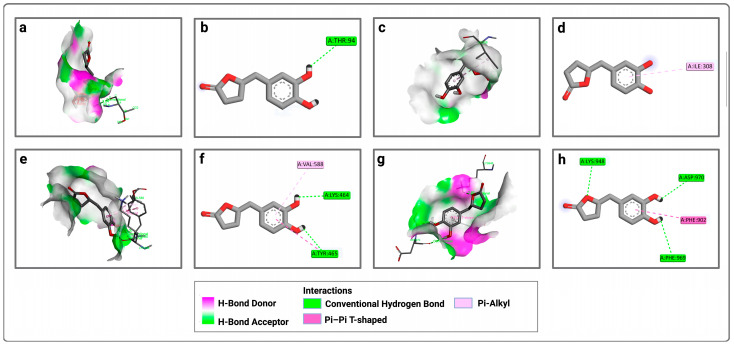 Figure 1
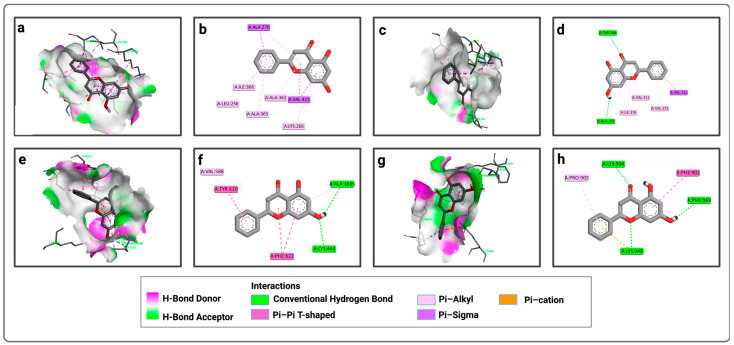 Figure 2
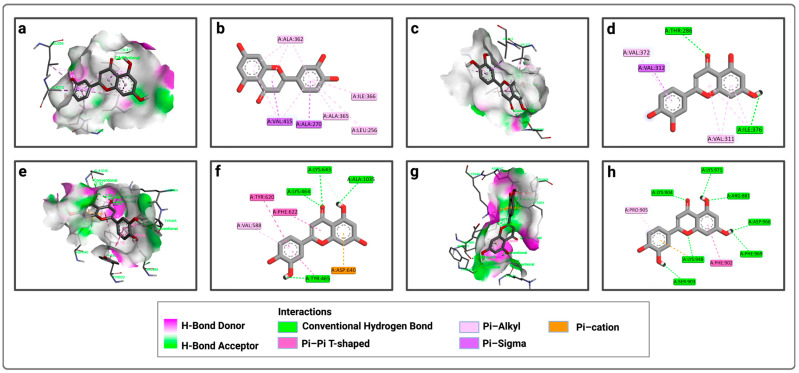 Figure 3
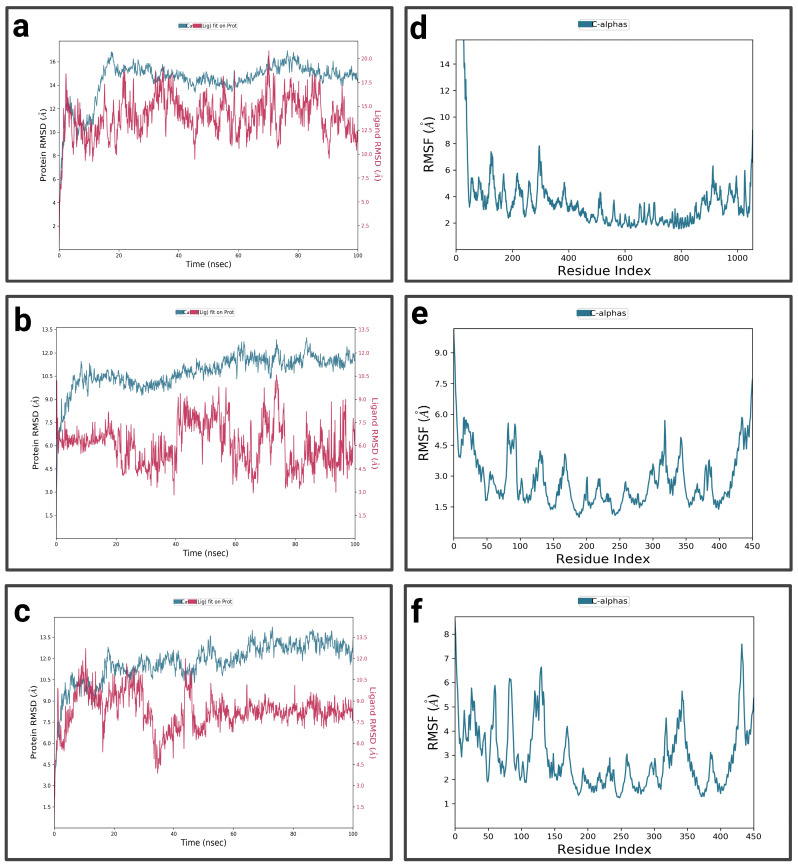 Figure 4
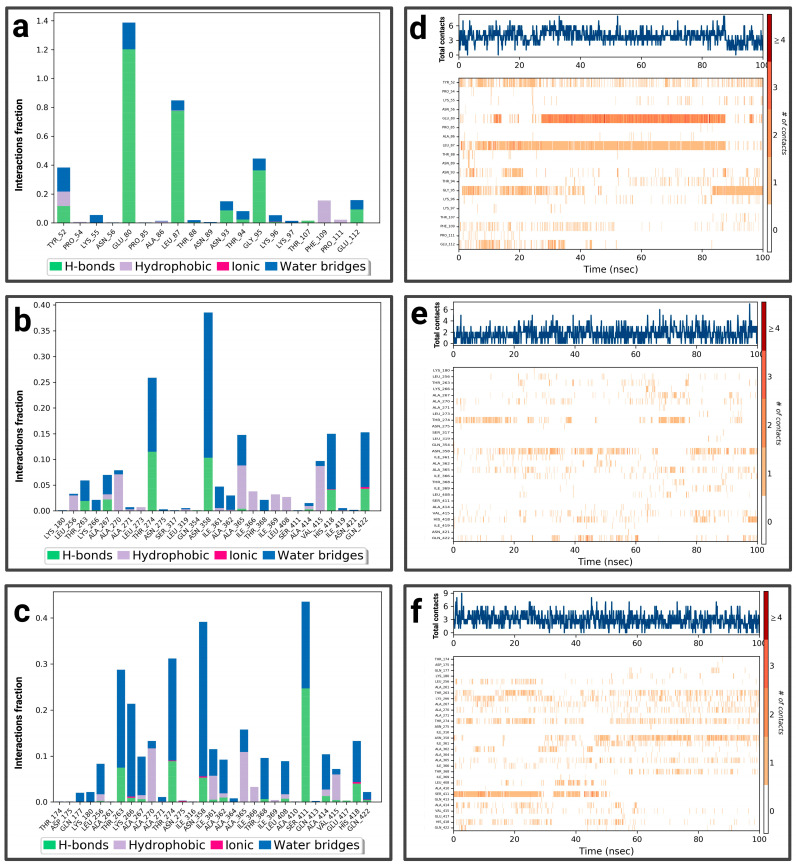 Figure 5
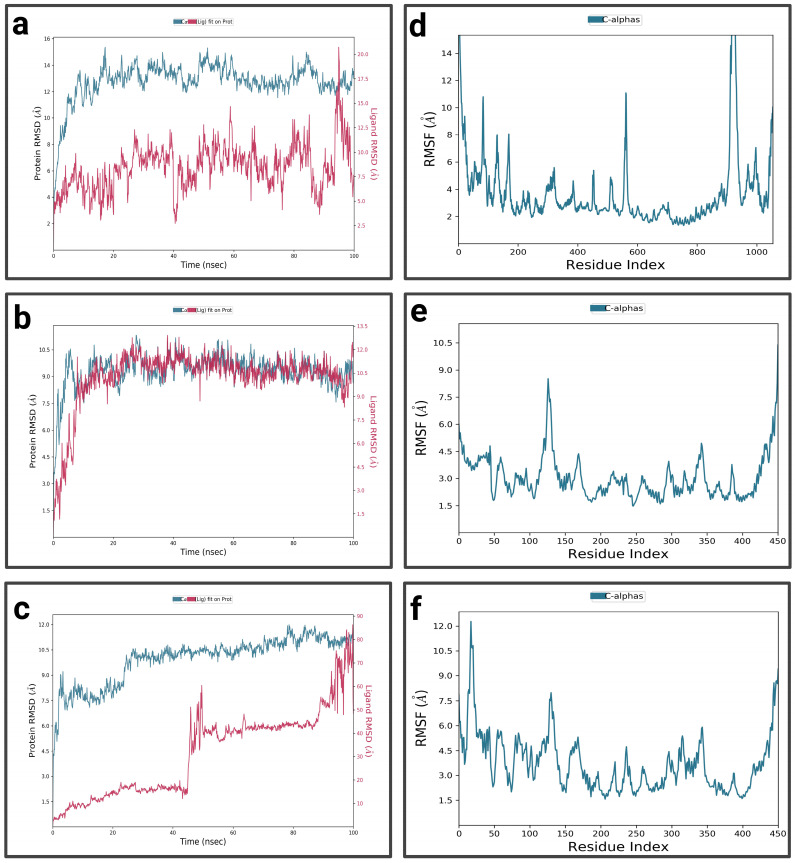 Figure 6
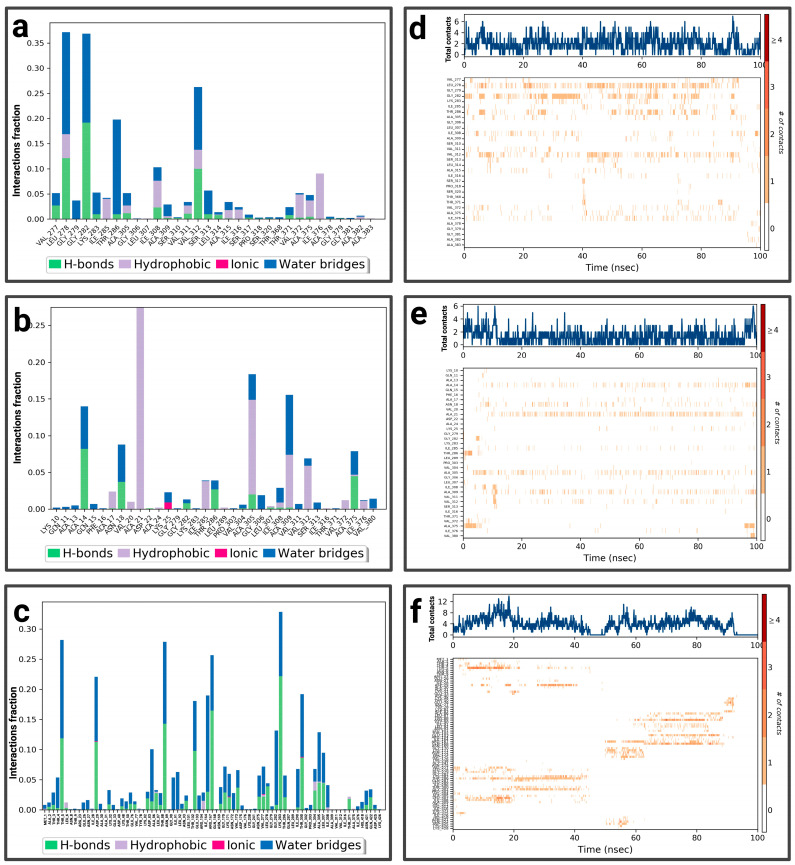 Figure 7
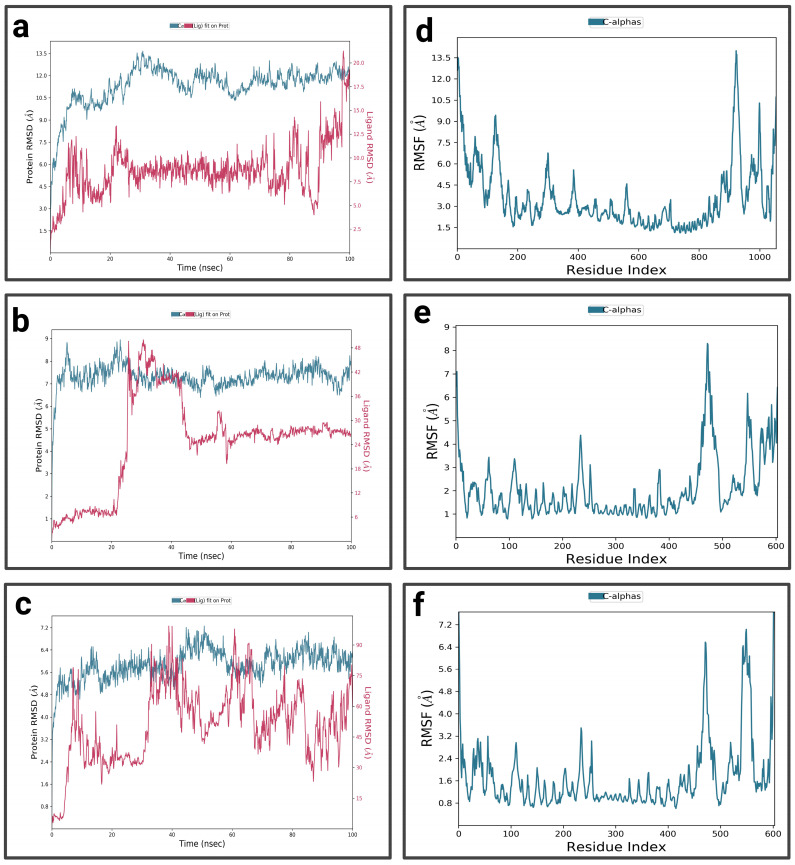 Figure 8
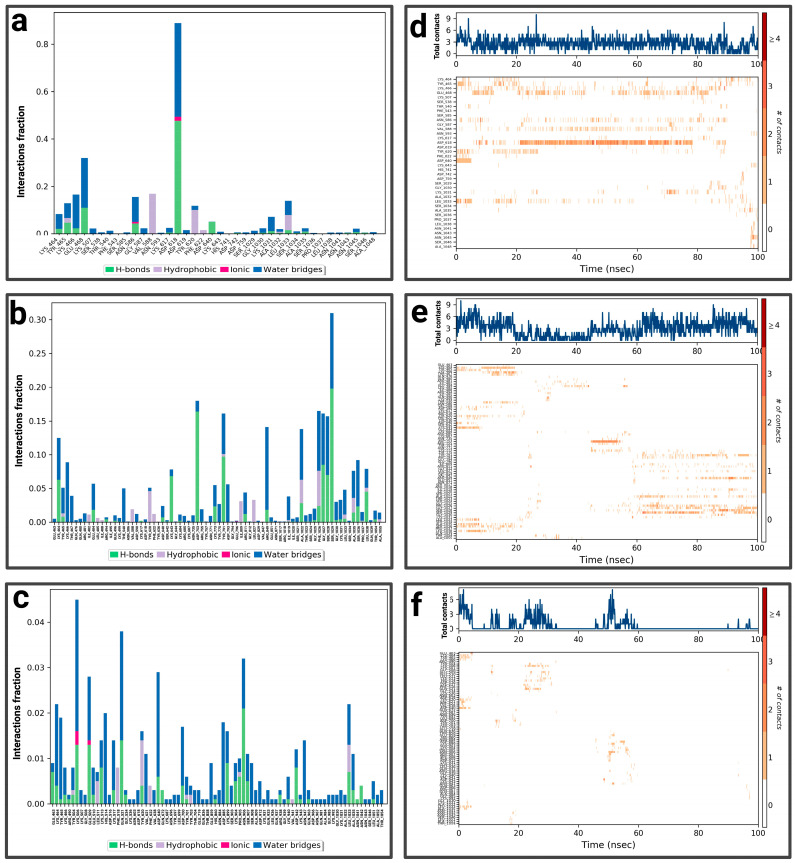 Figure 9
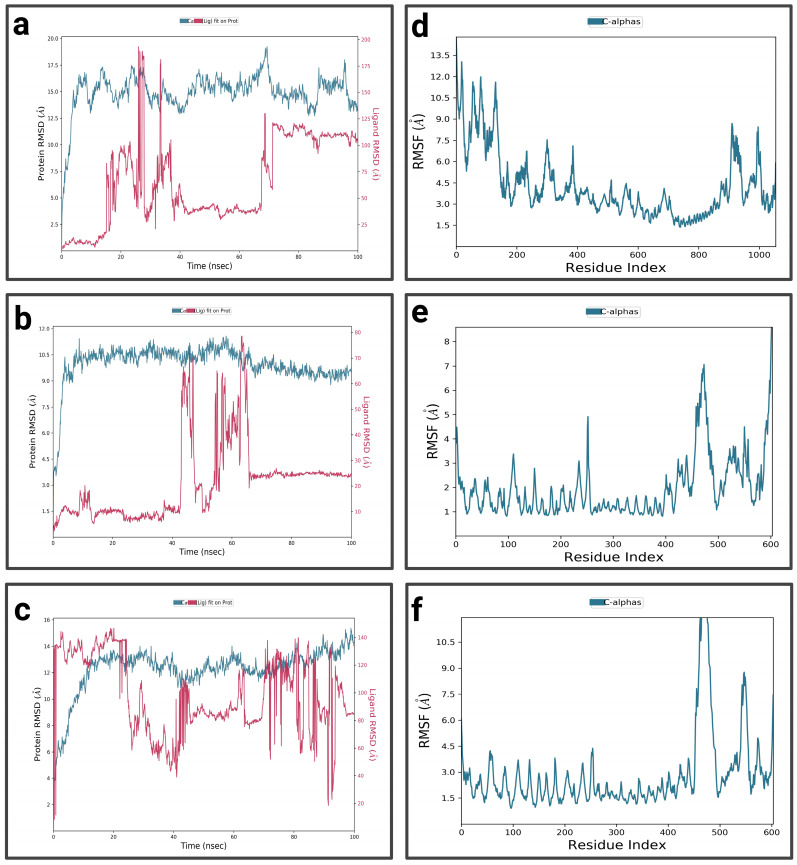 Figure 10
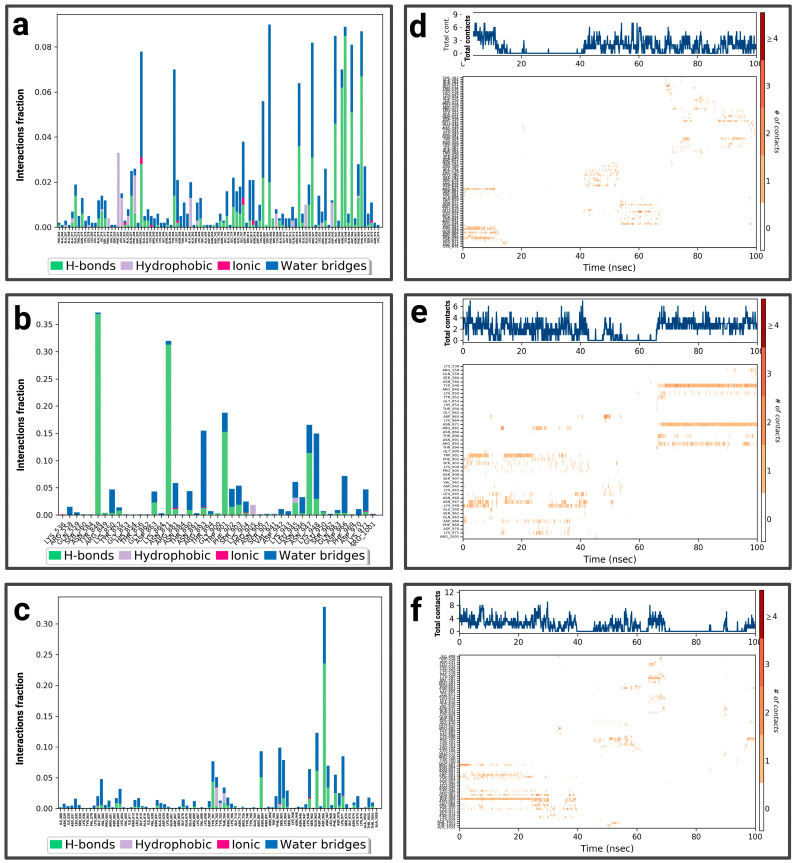 Figure 11
Peer Reviews
No public reviews on file for this paper yet. If you reviewed it on a platform where reviews are public (OpenReview, ICLR, NeurIPS, ICML), you can paste yours below so the community can read it here.
Videos
No videos yet. Explain this paper in a talk, walkthrough, or lecture? Add one.
Taxonomy
TopicsOral microbiology and periodontitis research · Bee Products Chemical Analysis · Flavonoids in Medical Research