Study on Dual-Targeted Liposomes Containing Curcumin-Copper Chelate in the Treatment of Triple-Negative Breast Cancer
Lina Wu, Xueli Guo, Pan Guo

TL;DR
This study develops a targeted liposome containing curcumin and copper to treat triple-negative breast cancer by inducing copper-mediated cell death with minimal toxicity.
Contribution
A novel dual-targeted liposome formulation that induces copper-mediated cell death in triple-negative breast cancer.
Findings
Cu-Cur DTLPs significantly enhanced drug accumulation in tumor tissues and inhibited tumor growth.
The formulation induces copper death by upregulating FDX1 and promoting DLAT oligomerization.
No significant toxicity was observed in major organs, indicating favorable safety.
Abstract
Background: Triple-negative breast cancer (TNBC) remains primarily treated with chemotherapy due to the lack of effective therapeutic targets, but this approach carries significant systemic toxicity and a high risk of drug resistance. Curcumin (Cur), despite its multifaceted antitumor activity, faces limitations in clinical application due to poor water solubility and weak targeting properties. This study aims to develop a folate/mitochondria dual-targeted curcumin–copper chelate liposome (Cu-Cur DTLPs) formulation that enables copper accumulation within tumor cells and induces copper-mediated cell death, thereby providing an effective and relatively low-toxicity therapeutic strategy for triple-negative breast cancer. Methods: Curcumin–copper chelates (Cu-Cur) were first synthesized and characterized using mass spectrometry, NMR, and infrared spectroscopy. Subsequently, dual-targeted…
Genes, proteins, chemicals, diseases, species, mutations and cell lines named across the full text — each resolved to its canonical identifier and authoritative record.
Click any figure to enlarge with its caption.
 Figure 1
 Figure 2
 Figure 3
 Figure 4
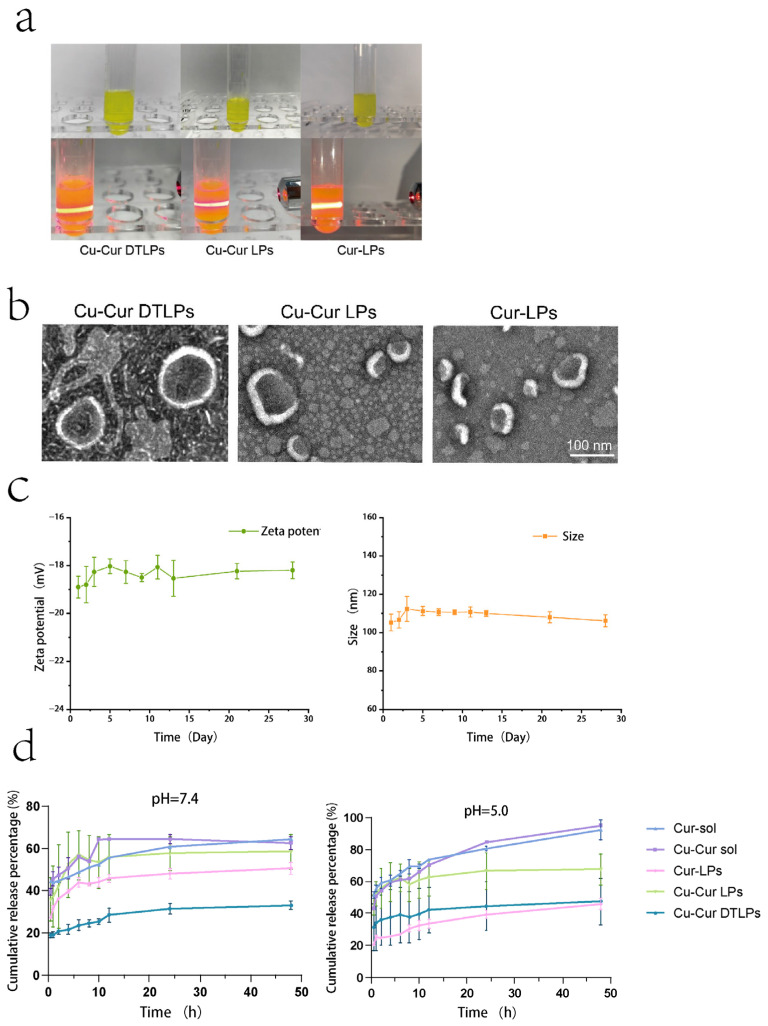 Figure 5
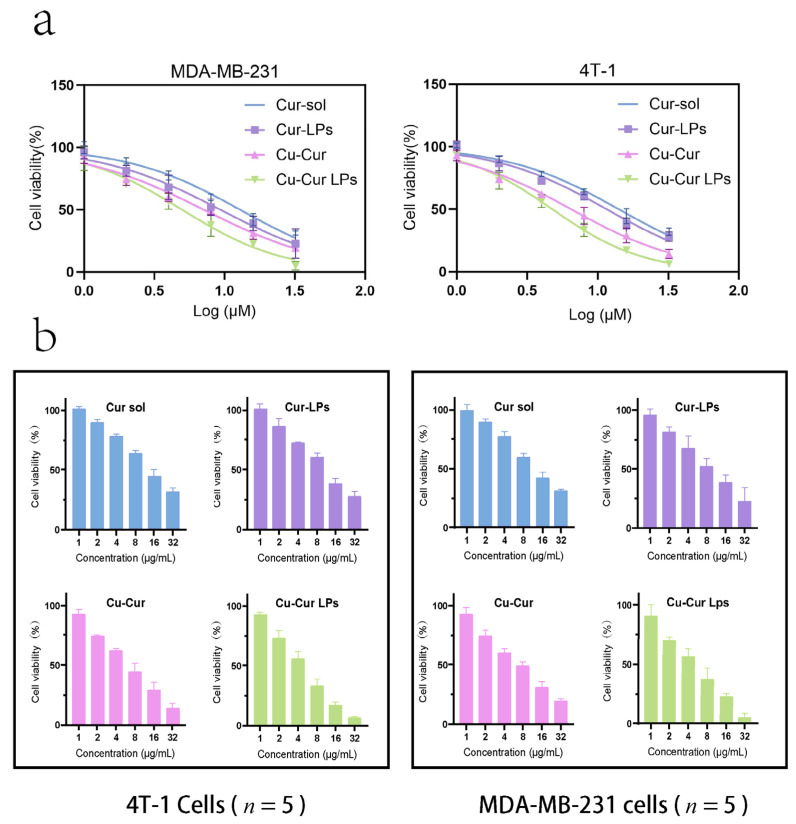 Figure 6
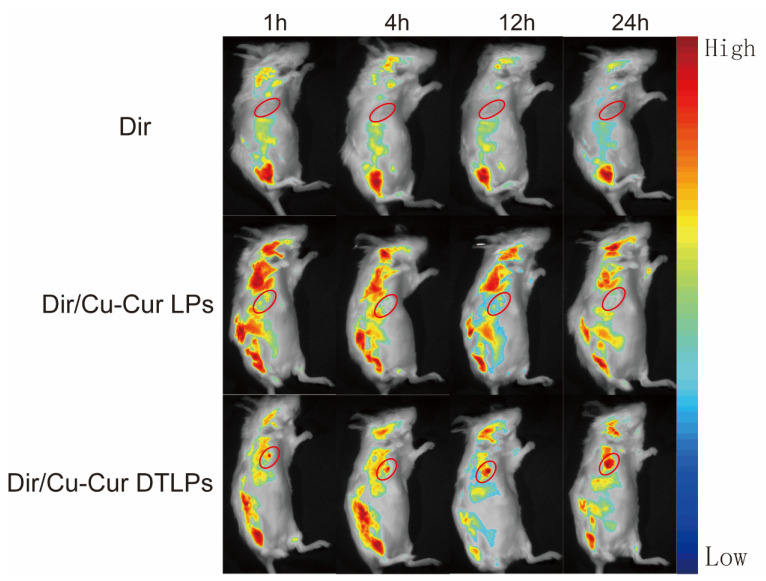 Figure 7
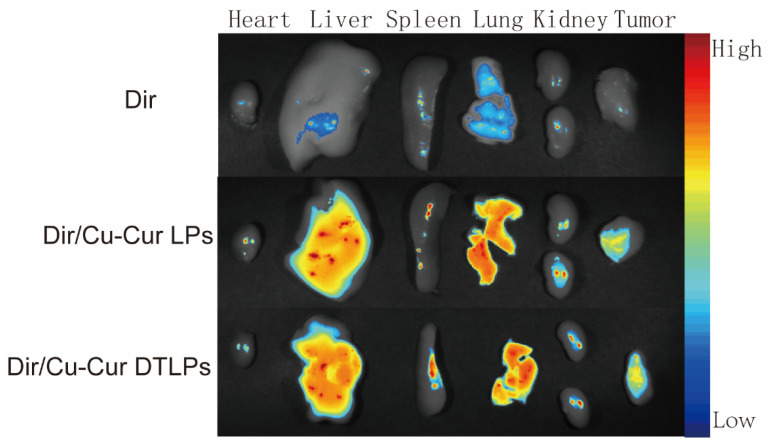 Figure 8
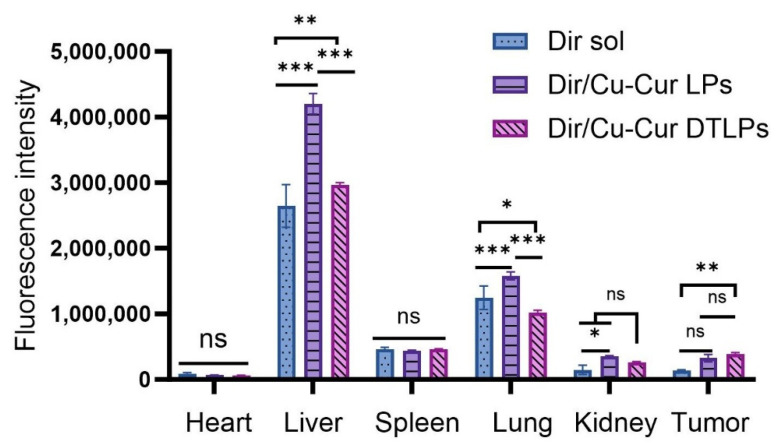 Figure 9
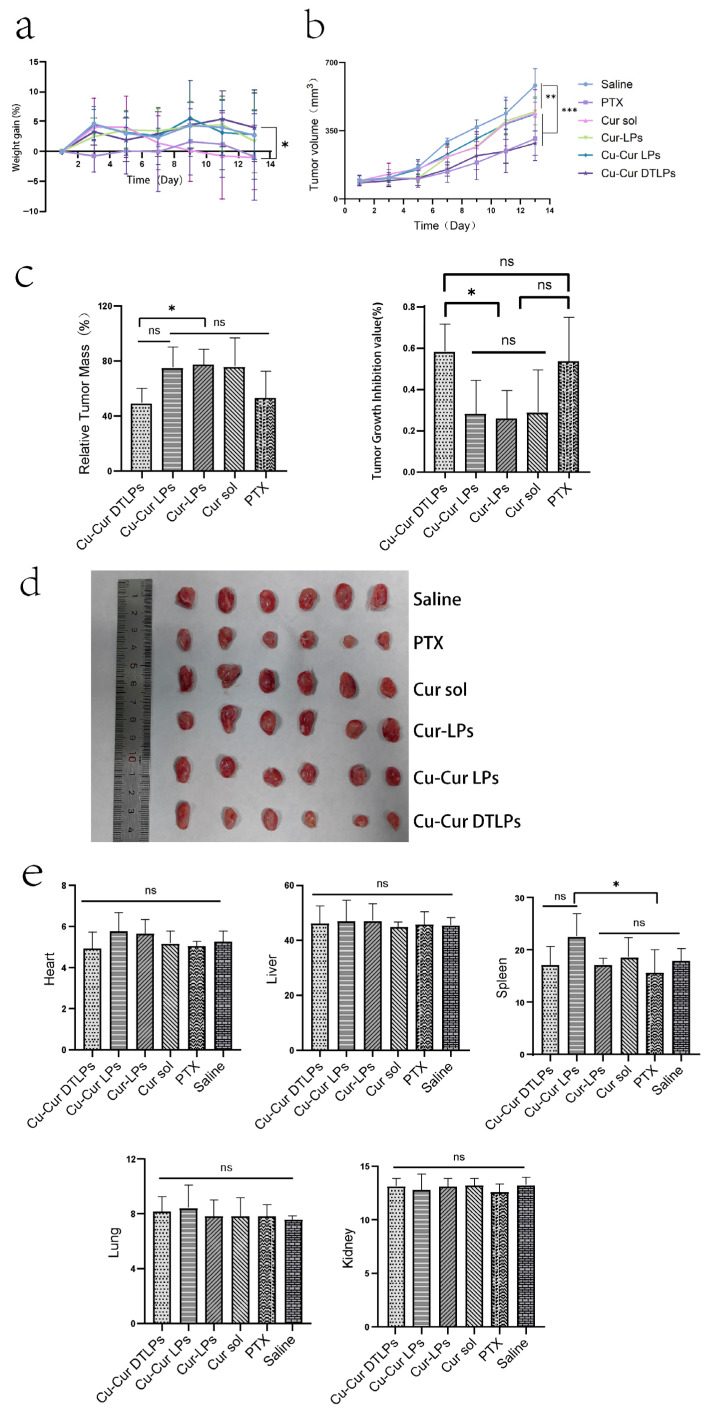 Figure 10
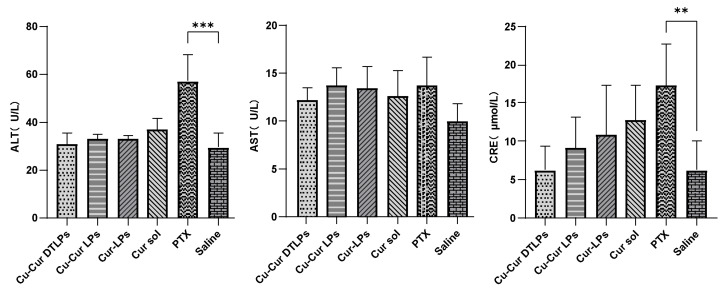 Figure 11
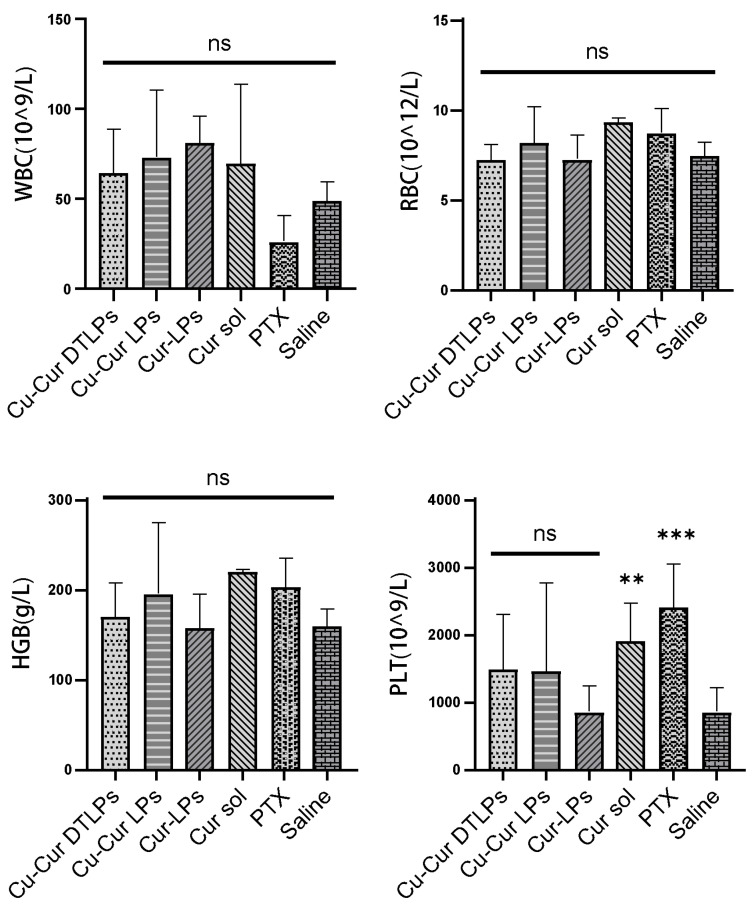 Figure 12
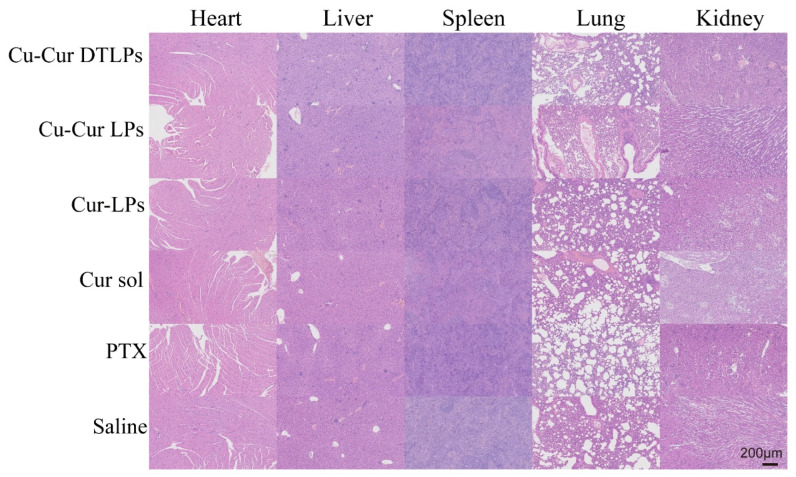 Figure 13
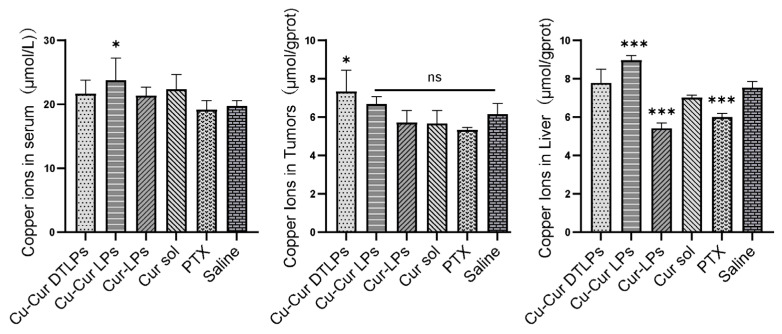 Figure 14
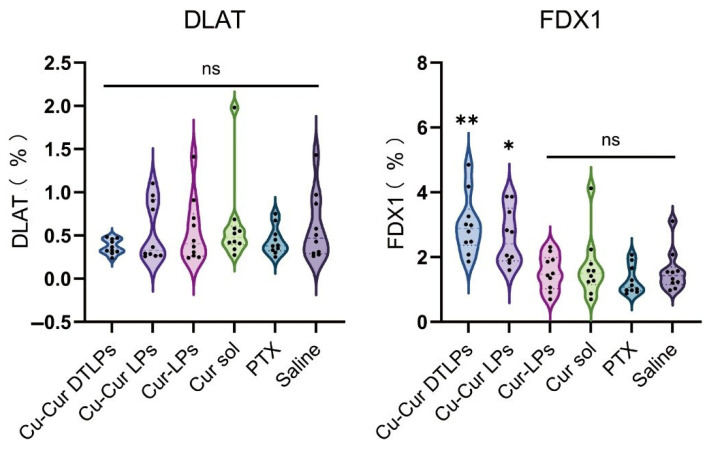 Figure 15
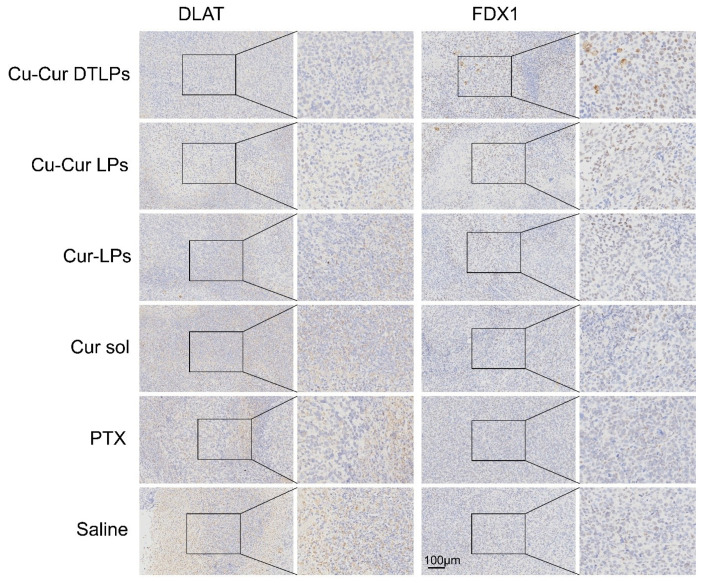 Figure 16
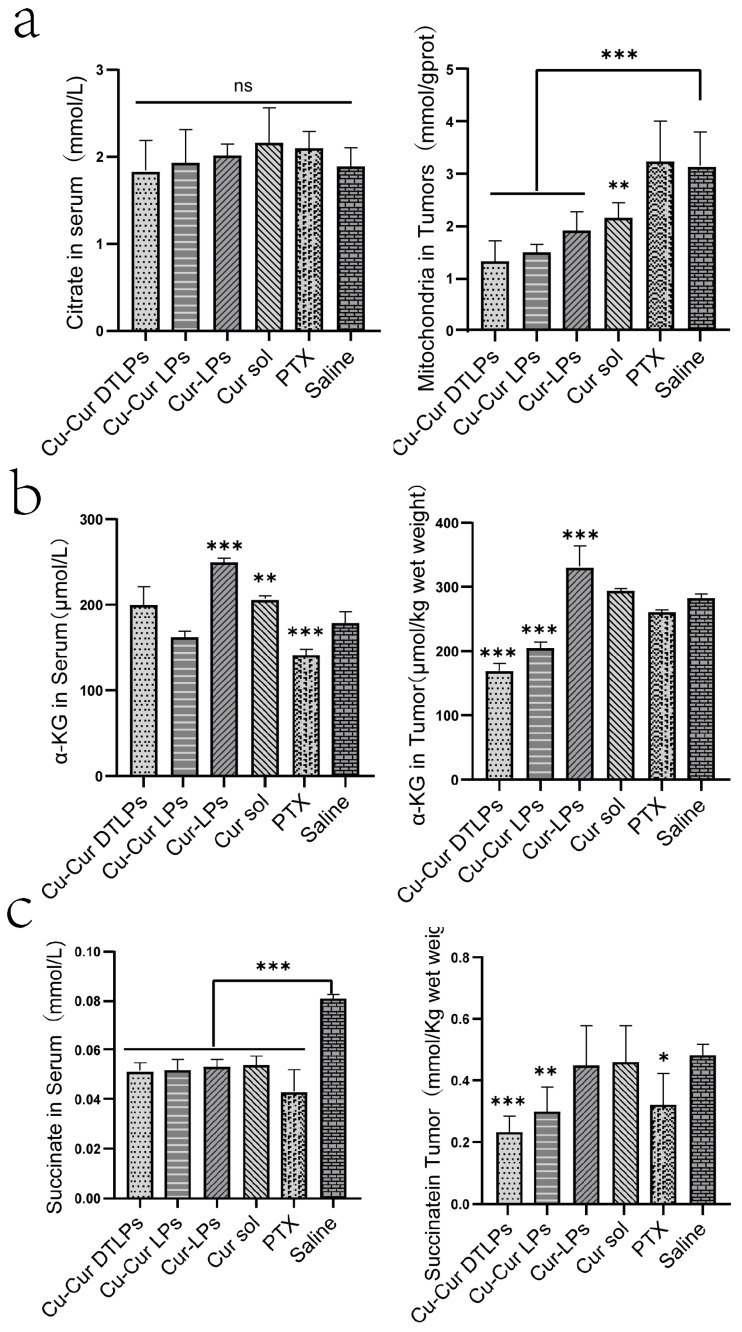 Figure 17
 Figure 18
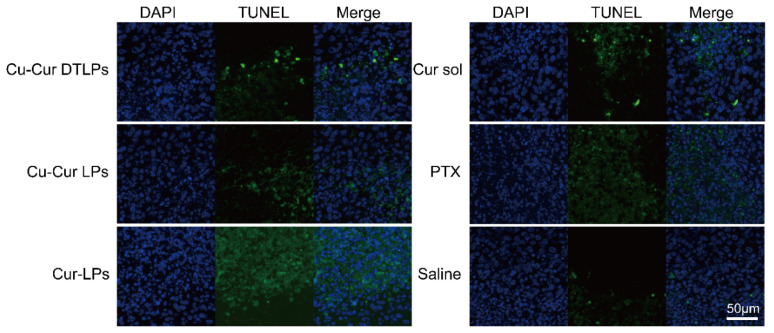 Figure 19
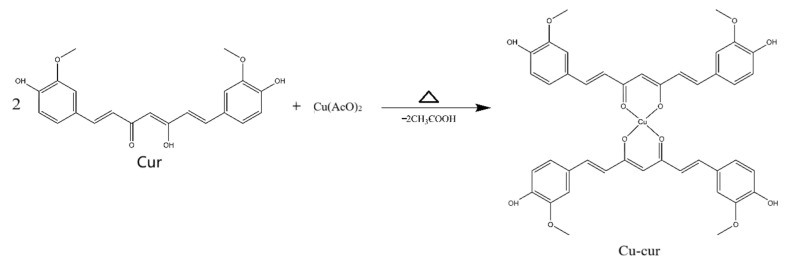 Figure 20
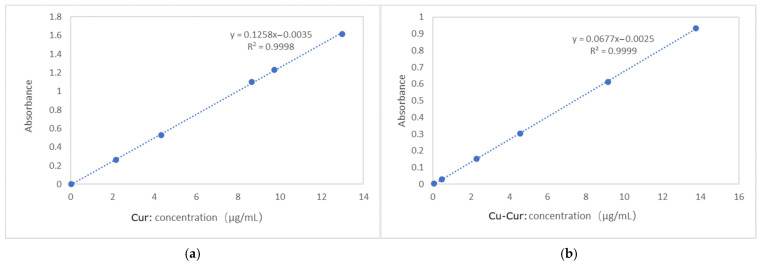 Figure 21
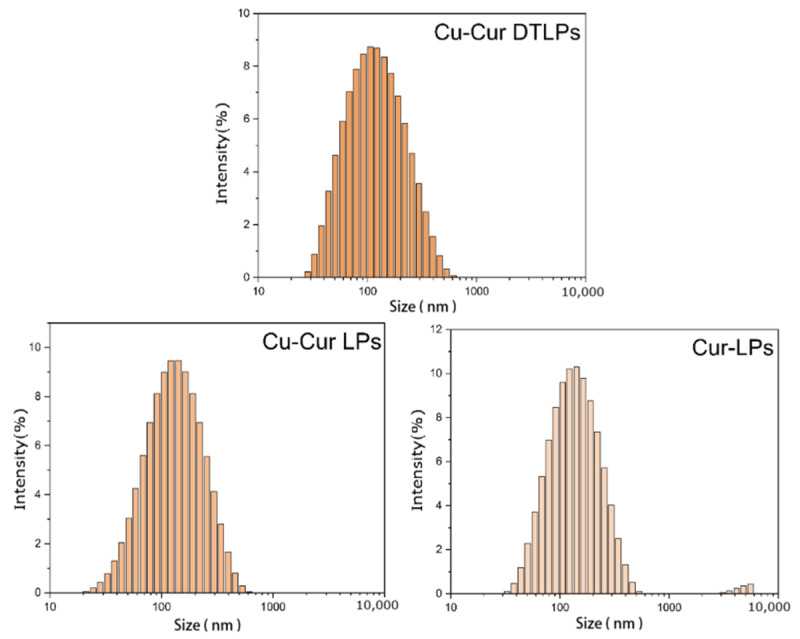 Figure 22
Peer Reviews
No public reviews on file for this paper yet. If you reviewed it on a platform where reviews are public (OpenReview, ICLR, NeurIPS, ICML), you can paste yours below so the community can read it here.
Videos
No videos yet. Explain this paper in a talk, walkthrough, or lecture? Add one.
Taxonomy
TopicsCurcumin's Biomedical Applications · Nanoparticle-Based Drug Delivery · Cancer Research and Treatment