Elucidating the Mechanism of the Liqi Yangyin Formula in Treating Depression–Constipation Comorbidity: An Integrative Approach Using Network Pharmacology and Experimental Validation
Lianjie Xu, Shun Seng Ong, Xiaoyue Deng, Yunzhi Qian, Zhao Tang, Ming Li, Tianshu Xu

TL;DR
This study explores how a traditional Chinese formula works to treat depression and constipation by combining computational and experimental methods.
Contribution
The study identifies molecular mechanisms of LQYY in treating depression-constipation comorbidity using network pharmacology and experimental validation.
Findings
LQYY reduced depressive-like behaviors and improved intestinal function in a mouse model.
LQYY inhibited neuronal apoptosis and colonic injury while modulating the JAK/STAT pathway.
LQYY suppressed pro-inflammatory and apoptotic signaling in the prefrontal cortex and colon.
Abstract
Background: The traditional formula Liqi Yangyin (LQYY) has shown clinical and preclinical efficacy for depression with constipation, yet its molecular mechanisms remain incompletely defined. This study aimed to elucidate its mechanisms using an integrative approach. Methods: Constituents of LQYY were profiled by UPLC-MS/MS and integrated with network pharmacology and molecular docking to identify brain-accessible components and putative targets. A chronic unpredictable mild stress (CUMS) model was used for experimental validation. Outcomes included behavioral tests (sucrose preference test, open field test, and forced swimming test), gastrointestinal indices, including fecal water content, time of first black stool, and intestinal propulsion rate, histopathology of the prefrontal cortex (PFC) and colon, TUNEL staining, NeuN immunofluorescence, Western blotting, and qRT-PCR. Results:…
Genes, proteins, chemicals, diseases, species, mutations and cell lines named across the full text — each resolved to its canonical identifier and authoritative record.
Click any figure to enlarge with its caption.
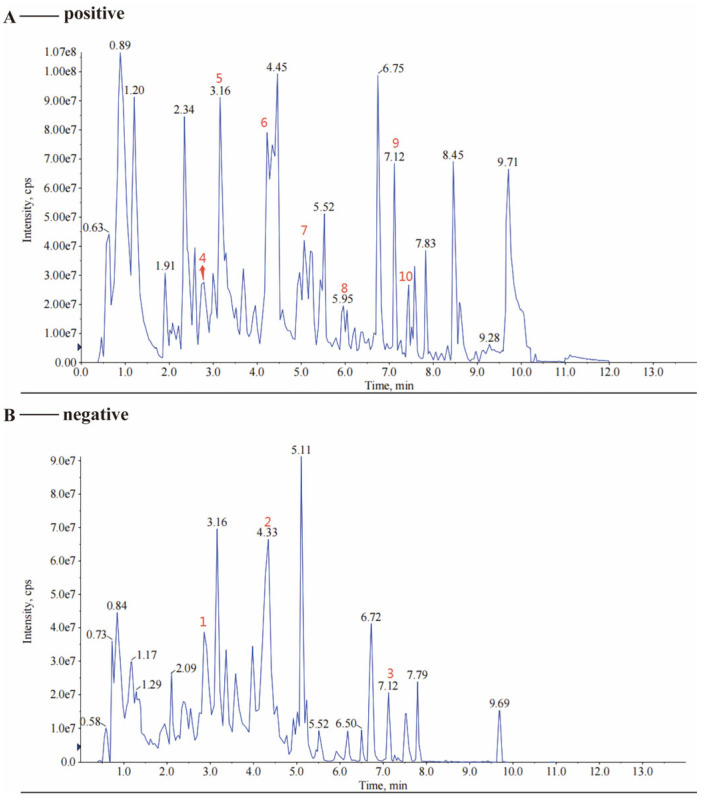 Figure 1
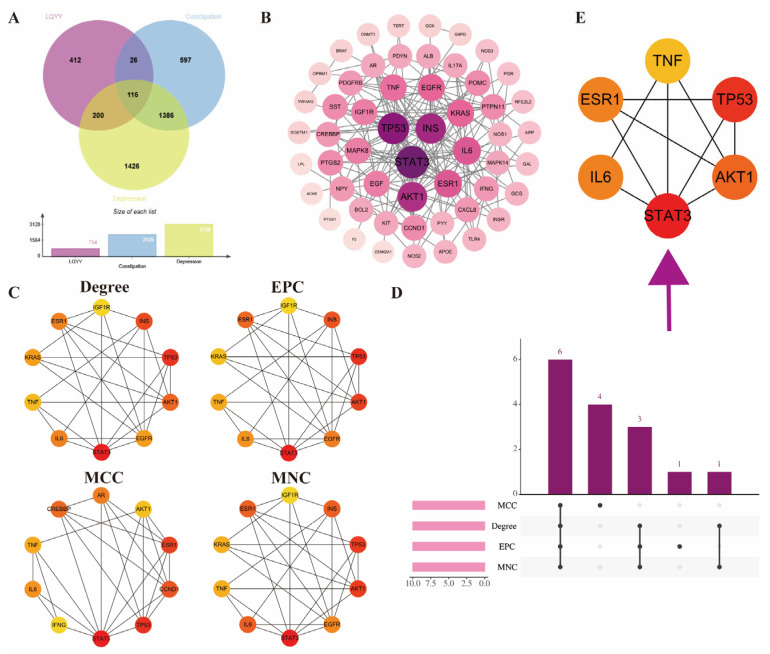 Figure 2
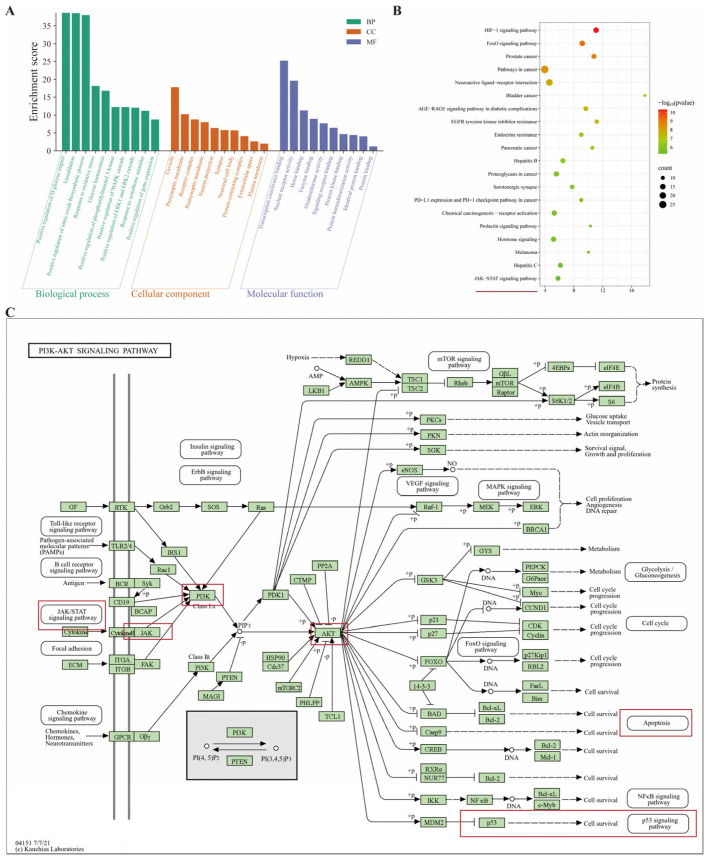 Figure 3
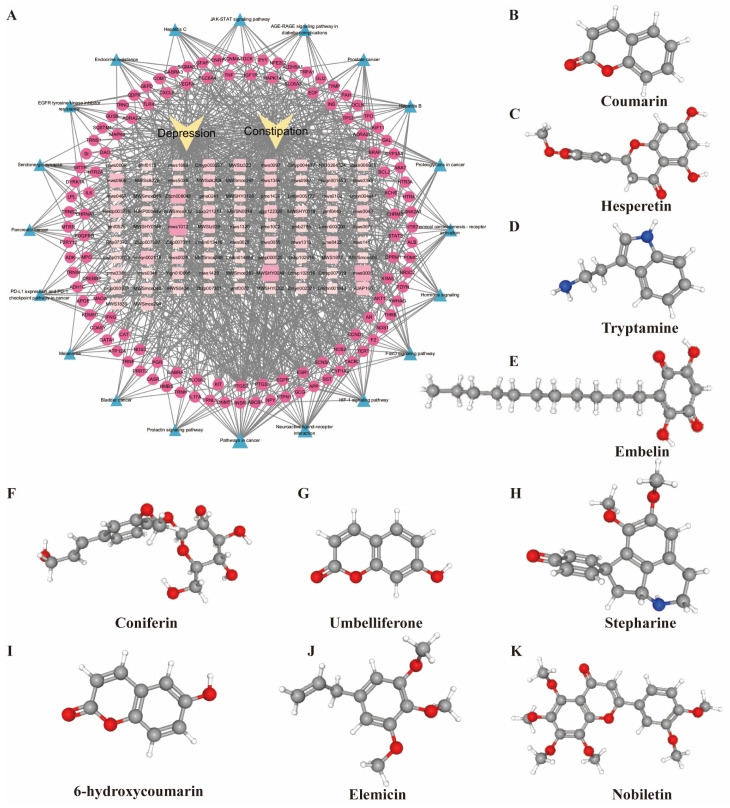 Figure 4
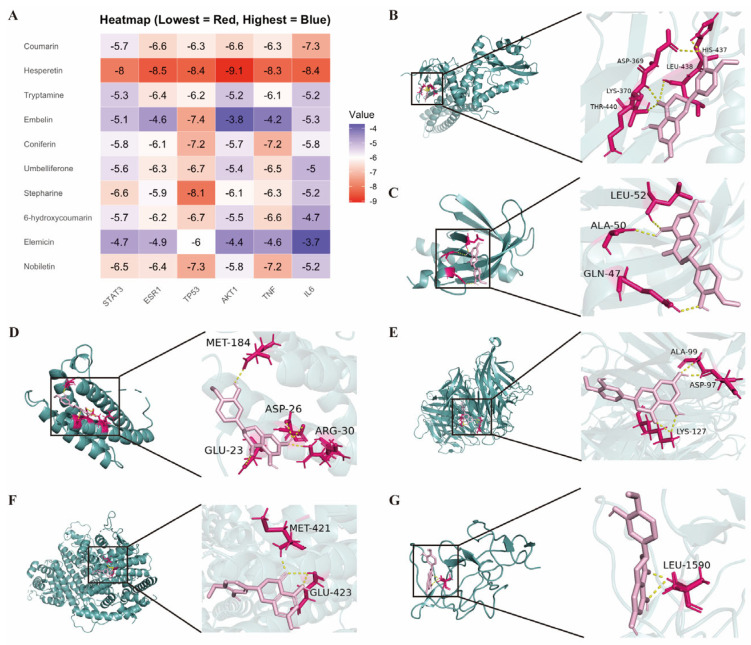 Figure 5
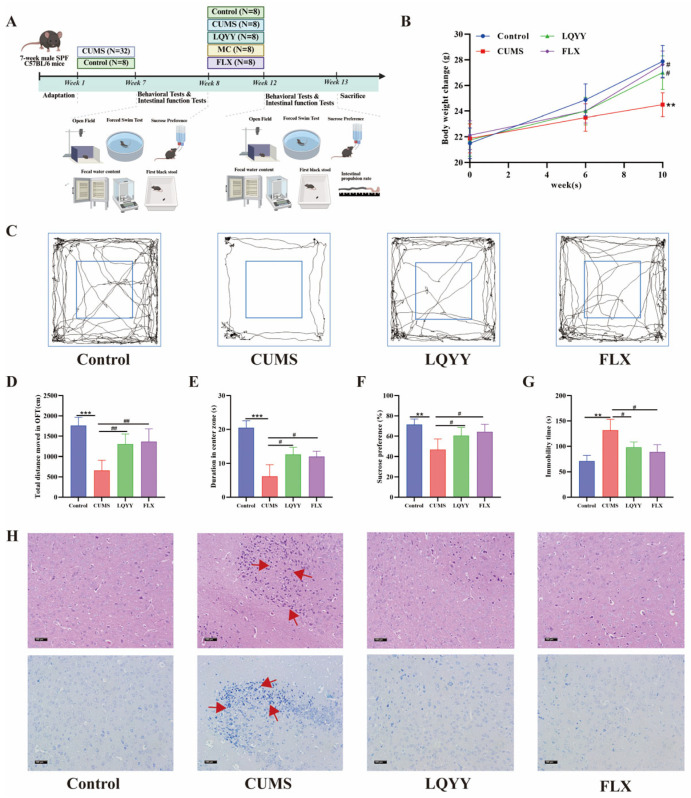 Figure 6
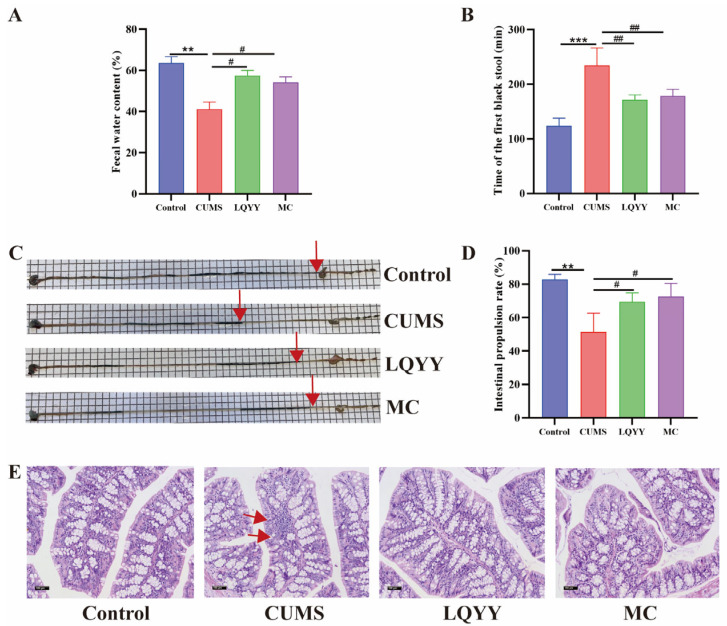 Figure 7
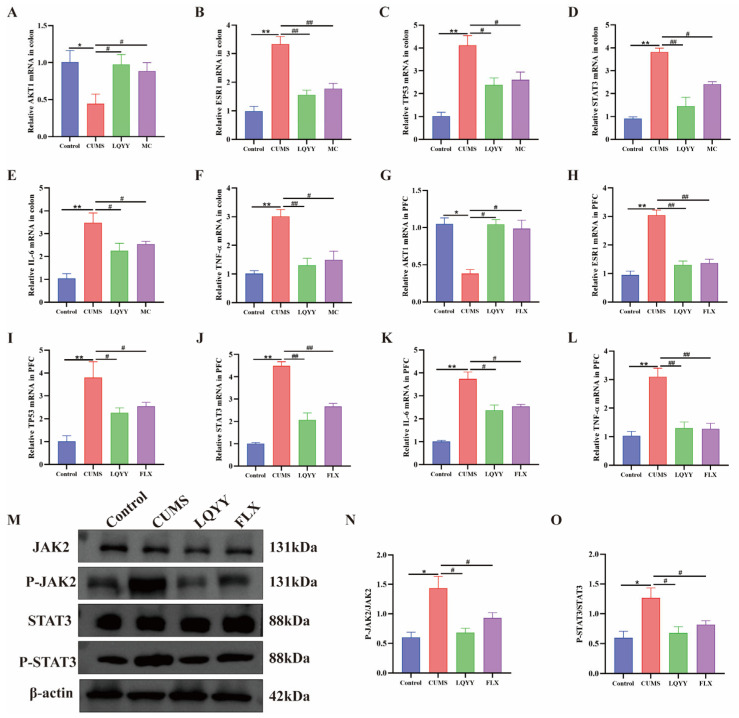 Figure 8
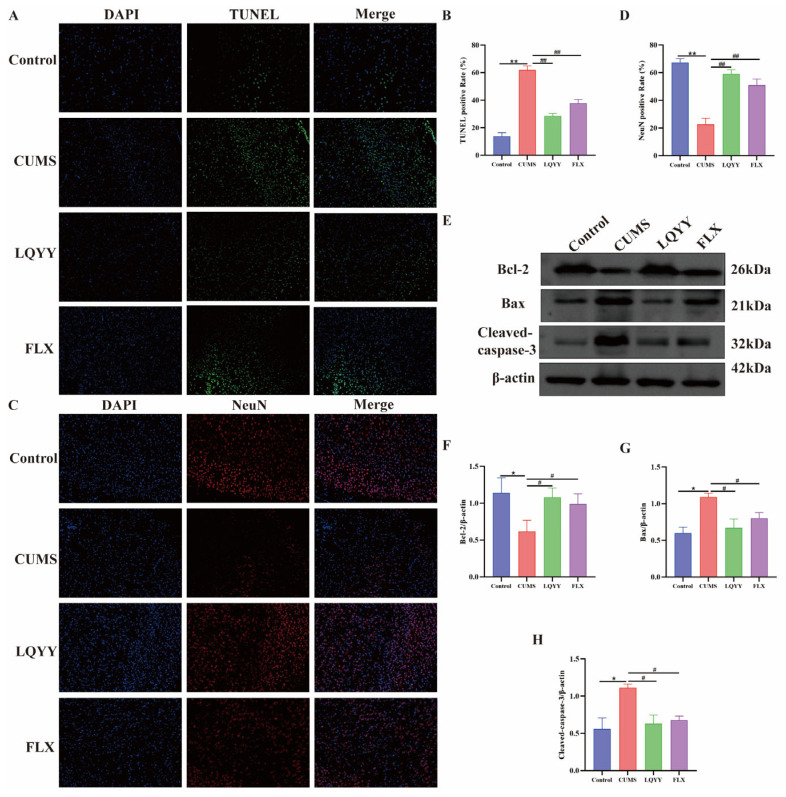 Figure 9
Peer Reviews
No public reviews on file for this paper yet. If you reviewed it on a platform where reviews are public (OpenReview, ICLR, NeurIPS, ICML), you can paste yours below so the community can read it here.
Videos
No videos yet. Explain this paper in a talk, walkthrough, or lecture? Add one.
Taxonomy
TopicsGastrointestinal motility and disorders · Tryptophan and brain disorders · Gut microbiota and health