Development of a Microwell System for Reproducible Formation of Homogeneous Cell Spheroids
Miguel A. Reina Mahecha, Ginevra Mariani, Pauline E. M. van Schaik, Paulien Schaafsma, Theo G. van Kooten, Prashant K. Sharma, Inge S. Zuhorn

TL;DR
Researchers developed a 3D-printed microwell system that reliably creates uniform cell spheroids for tissue studies and drug screening.
Contribution
A cost-effective, high-resolution 3D-printed microwell system for reproducible cell spheroid formation.
Findings
3D-printed microwells produced uniform pluripotent stem cell aggregates better than commercial methods.
The system also generated consistent tumor spheroids from adherent cancer cells.
The microwells are biocompatible, economical, and versatile for multiple cell types.
Abstract
Background/Objectives: Three-dimensional (3D) cell cultures are increasingly used because 3D cell aggregates better mimic tissue-level biological mechanisms and support studies of tissue physiology and drug screening. However, existing laboratory methods and commercial microwell platforms often yield inconsistent results and can be error-prone, time-consuming, or costly. The objective of this work was to develop a reproducible, high-yield, and cost-effective approach for generating homogeneous cell aggregates using custom 3D-printed microwell stamps. Methods: Custom conical and semi-spherical microwell stamps were fabricated using 3D printing. Stamp resolution was characterized by scanning electron microscopy (SEM). Negative imprints were cast in polydimethylsiloxane (PDMS), a biocompatible and hydrophobic polymer conducive to cell aggregation. These PDMS microwells were then used to…
Genes, proteins, chemicals, diseases, species, mutations and cell lines named across the full text — each resolved to its canonical identifier and authoritative record.
Click any figure to enlarge with its caption.
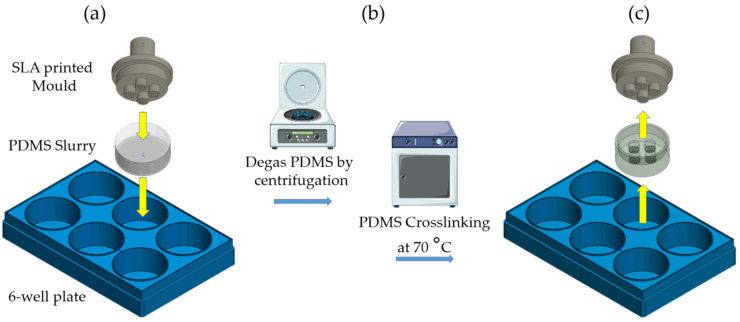 Figure 1
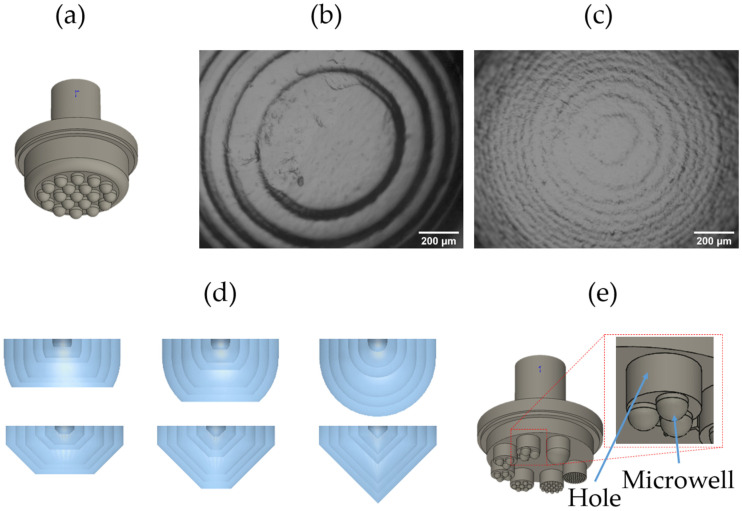 Figure 2
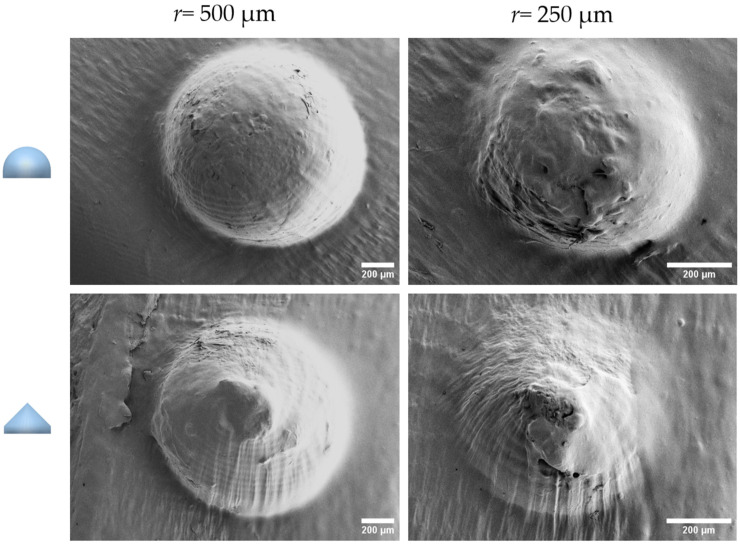 Figure 3
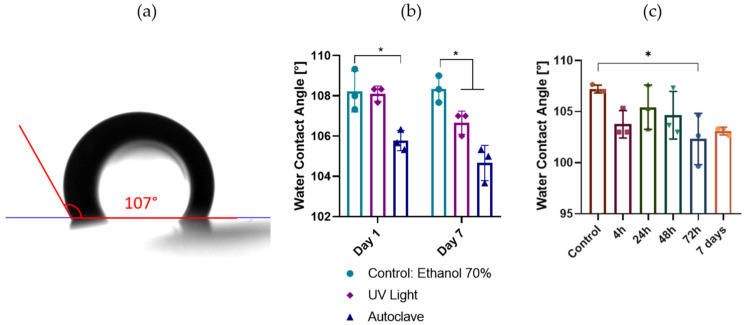 Figure 4
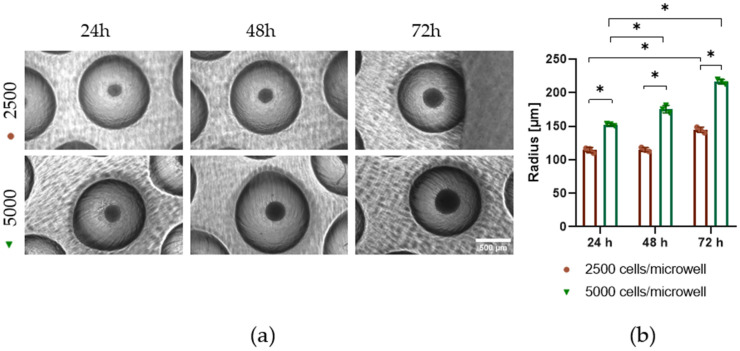 Figure 5
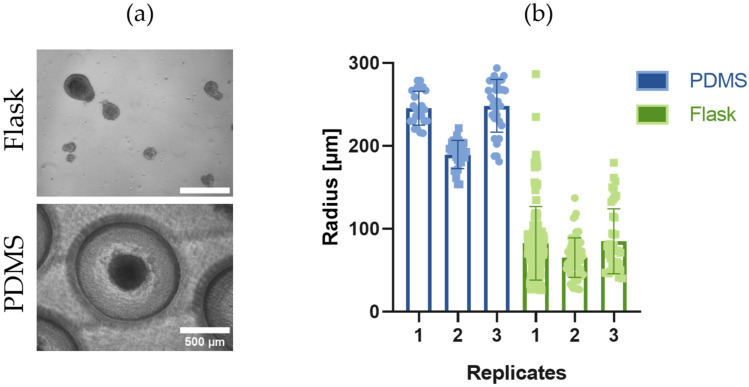 Figure 6
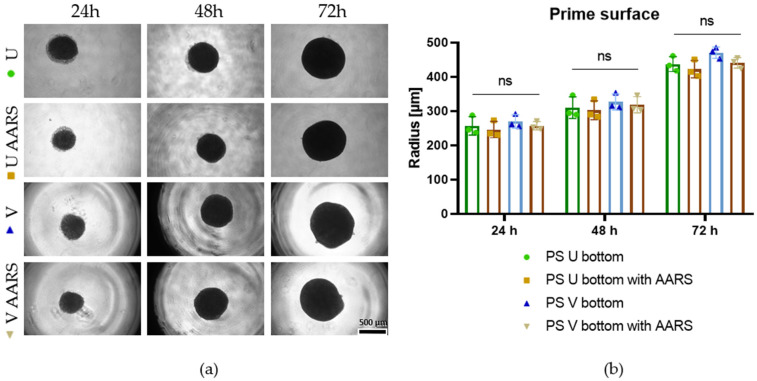 Figure 7
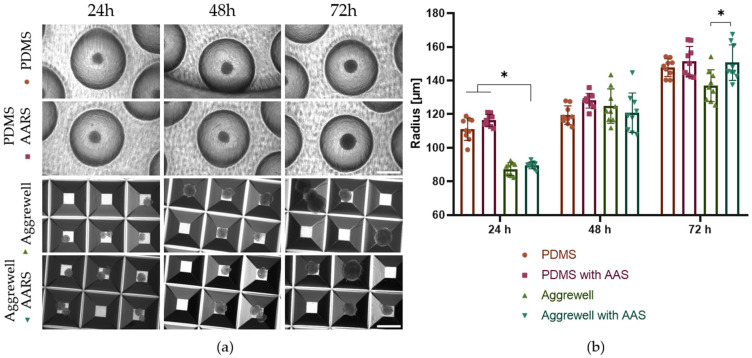 Figure 8
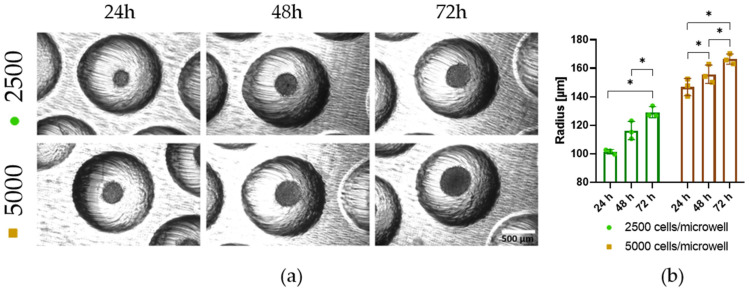 Figure 9
Peer Reviews
No public reviews on file for this paper yet. If you reviewed it on a platform where reviews are public (OpenReview, ICLR, NeurIPS, ICML), you can paste yours below so the community can read it here.
Videos
No videos yet. Explain this paper in a talk, walkthrough, or lecture? Add one.
Taxonomy
Topics3D Printing in Biomedical Research · Nanofabrication and Lithography Techniques · Innovative Microfluidic and Catalytic Techniques Innovation