GLUT1-DS Brain Organoids Exhibit Increased Sensitivity to Metabolic and Pharmacological Induction of Epileptiform Activity
Loïc Lengacher, Sylvain Lengacher, Pierre J. Magistretti, Charles Finsterwald

TL;DR
Brain organoids from GLUT1-DS patients show higher seizure-like activity when glucose is low, offering a new model to study epilepsy and test treatments.
Contribution
A novel human brain organoid model of GLUT1-DS with a unified analytical pipeline to study metabolic and pharmacological effects on hyperexcitability.
Findings
GLUT1-DS organoids show increased baseline hyperexcitability compared to healthy controls.
Reduced glucose amplifies hyperexcitability features selectively in GLUT1-DS organoids.
The model captures the pathological link between hypometabolism and seizure-like activity in GLUT1-DS.
Abstract
Background/Objectives: Glucose Transporter 1 Deficiency Syndrome (GLUT1-DS) is a neurodevelopmental disorder caused by mutations in the gene encoding glucose transporter 1 (GLUT1), which leads to impaired glucose transport into the brain and is characterized by drug-resistant epilepsy. Limited glucose supply disrupts neuronal and astrocytic energy homeostasis, but how hypometabolism translates into network hyperexcitability remains poorly understood. Here, we used induced pluripotent stem cells (iPSCs)-derived brain organoids to examine how reduced metabolic substrate availability shapes epileptiform dynamics in human neuronal circuits from GLUT1-DS. Methods: Brain organoids were generated from a healthy donor or a GLUT1-DS patient and interfaced with multielectrode arrays (MEA) for recording of neuronal activity. A unified Python (v3.10)-based analytical pipeline was developed to…
Genes, proteins, chemicals, diseases, species, mutations and cell lines named across the full text — each resolved to its canonical identifier and authoritative record.
Click any figure to enlarge with its caption.
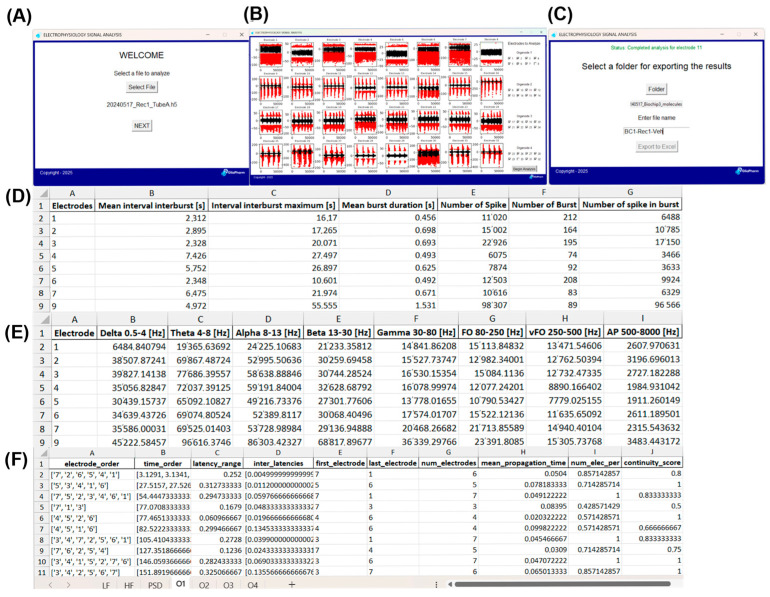 Figure 1
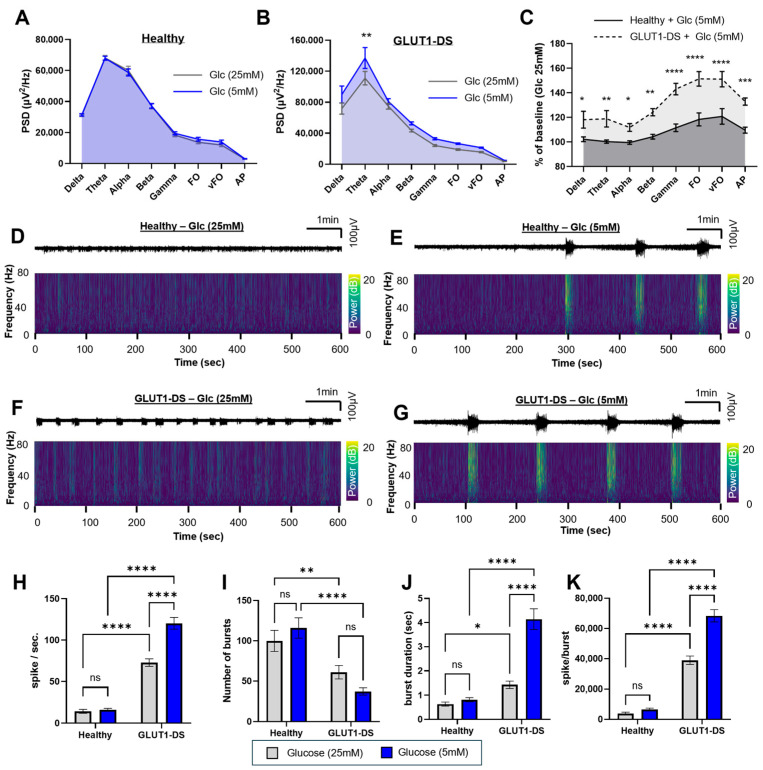 Figure 2
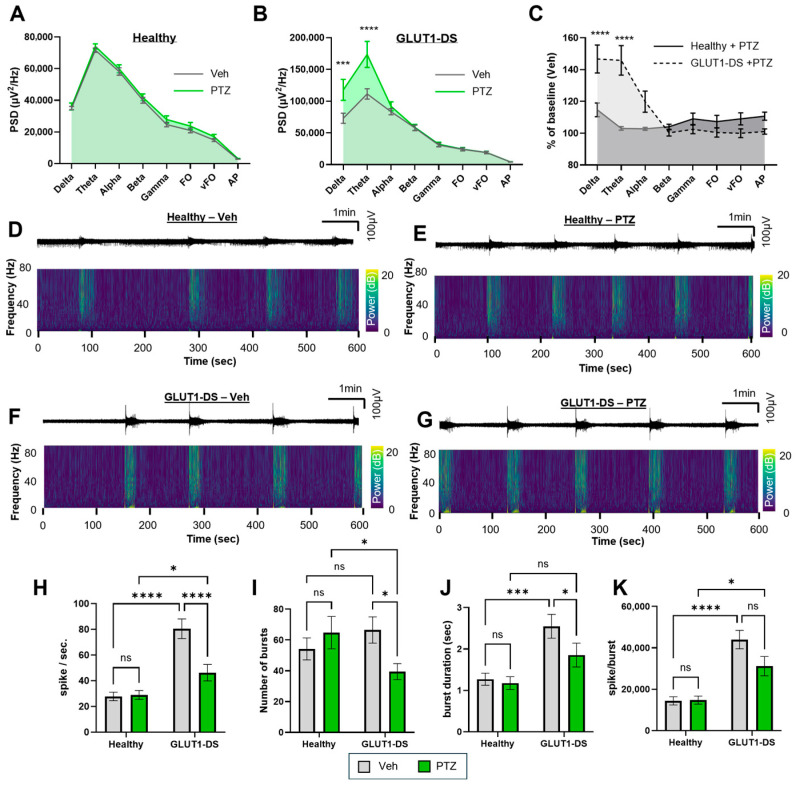 Figure 3
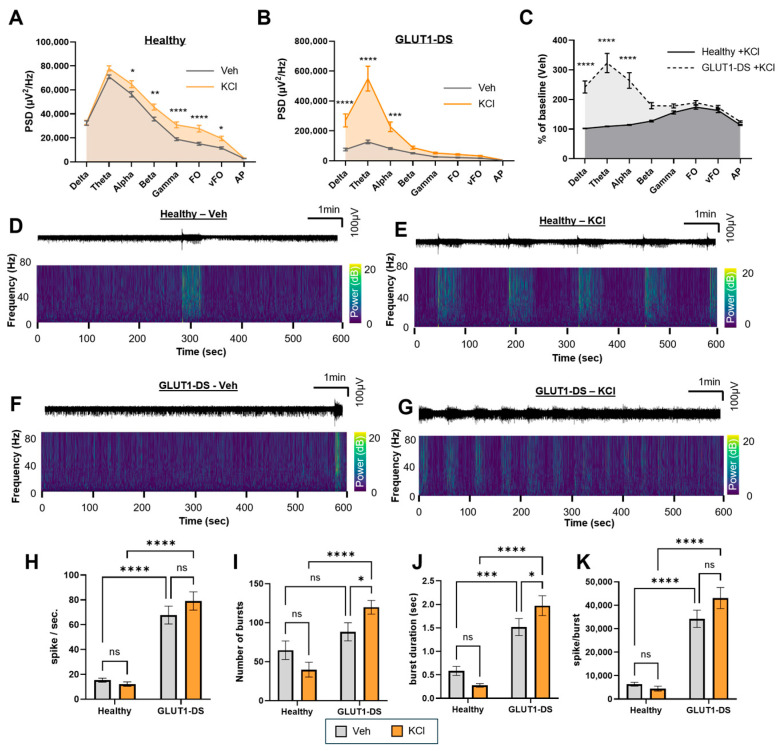 Figure 4
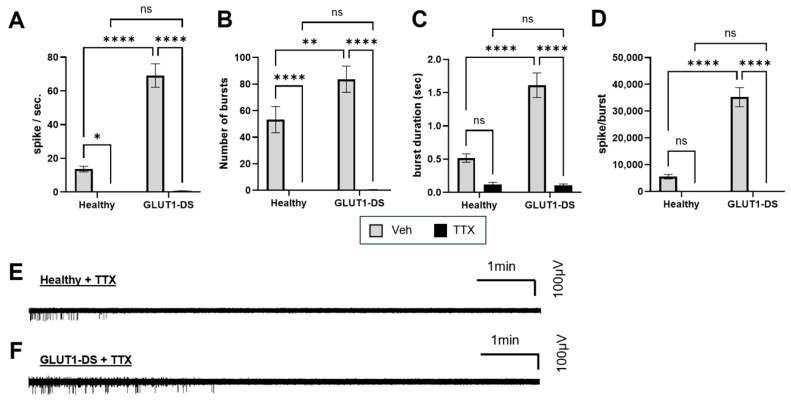 Figure 5
Peer Reviews
No public reviews on file for this paper yet. If you reviewed it on a platform where reviews are public (OpenReview, ICLR, NeurIPS, ICML), you can paste yours below so the community can read it here.
Videos
No videos yet. Explain this paper in a talk, walkthrough, or lecture? Add one.
Taxonomy
TopicsDiet and metabolism studies · Amino Acid Enzymes and Metabolism · Metabolism, Diabetes, and Cancer