Adaptive Feeding Robot With Multisensor Feedback and Predictive Control Using Autoregressive Integrated Moving Average–Feed-Forward Neural Network: Simulation Study
Shabnam Sadeghi-Esfahlani, Vahaj Mohaghegh, Alireza Sanaei, Zainib Bilal, Nathon Arthur, Hassan Shirvani

TL;DR
This paper introduces an adaptive feeding robot that uses advanced algorithms to improve feeding precision and personalization for people with motor impairments.
Contribution
The novel contribution is the integration of ARIMA and FFNN for predictive control in a feeding robot, enhancing adaptability and performance.
Findings
The ARIMA+FFNN model achieved high accuracy with an R2 of 94% and MSE of 0.008.
Feeding success rate improved from 75% to 90% over 150 iterations.
Response time decreased by 28%, and object detection showed high precision and recall.
Abstract
Eating is a primary daily activity crucial for maintaining independence and quality of life. Individuals with neuromuscular impairments often struggle with eating due to limitations in current assistive devices, which are predominantly passive and lack adaptive capabilities. This study aims to introduce an adaptive feeding robot that integrates time series decomposition, autoregressive integrated moving average (ARIMA), and feed-forward neural networks (FFNN). The goal is to enhance feeding precision, efficiency, and personalization, thereby promoting autonomy for individuals with motor impairments. The proposed feeding robot combines information from sensors and actuators to collect real-time data, that is, facial landmarks, mouth status (open or closed), fork-to-mouth and plate distances, as well as the force and angle required for food handling based on the food type. ARIMA and…
Genes, proteins, chemicals, diseases, species, mutations and cell lines named across the full text — each resolved to its canonical identifier and authoritative record.
Click any figure to enlarge with its caption.
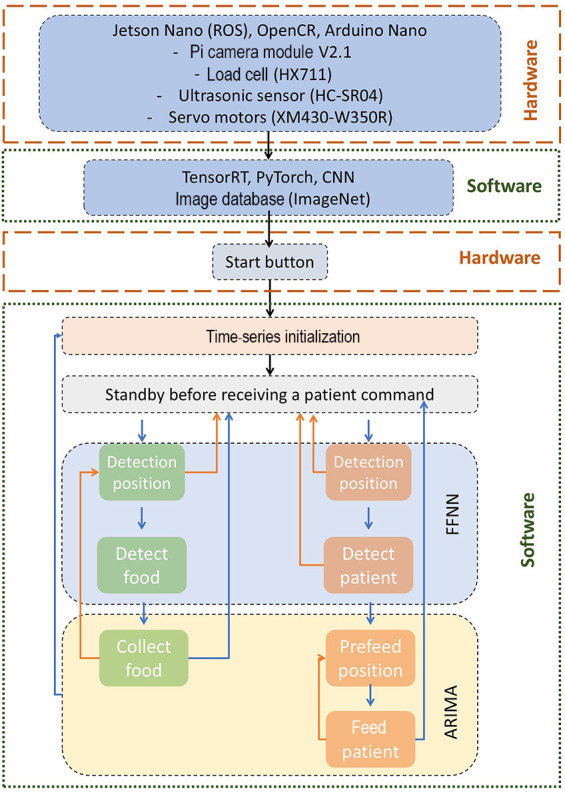 Figure 1
 Figure 2
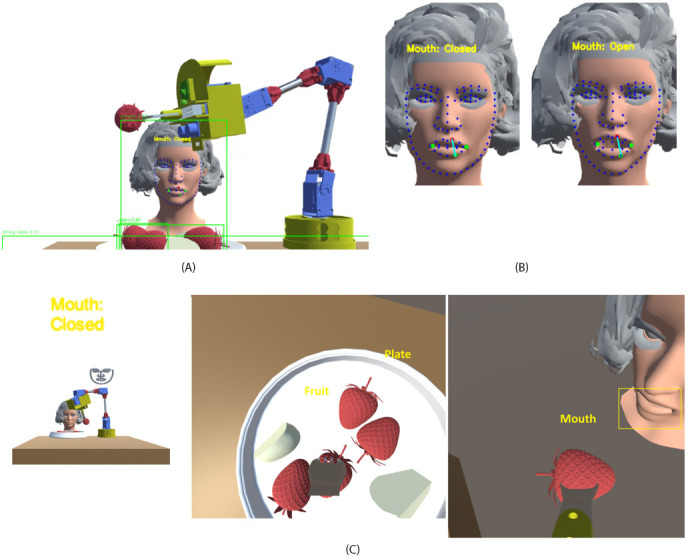 Figure 3
 Figure 4
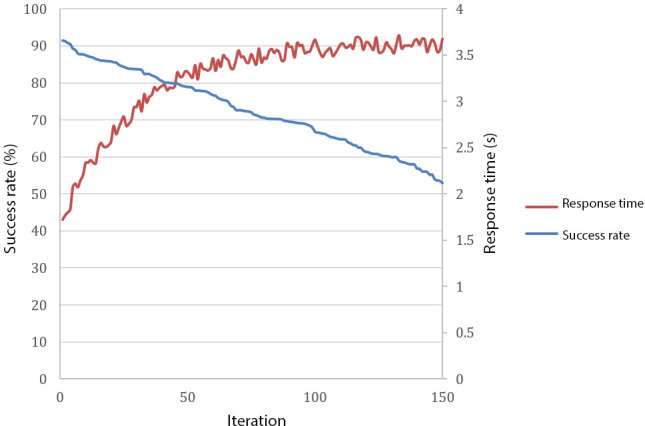 Figure 5
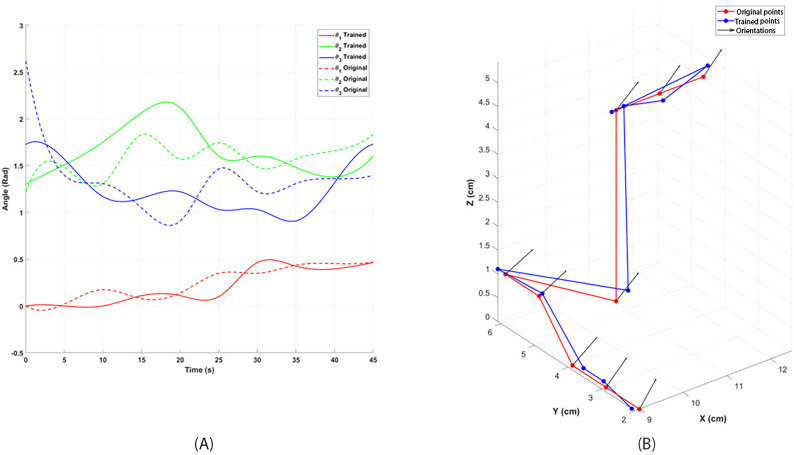 Figure 6
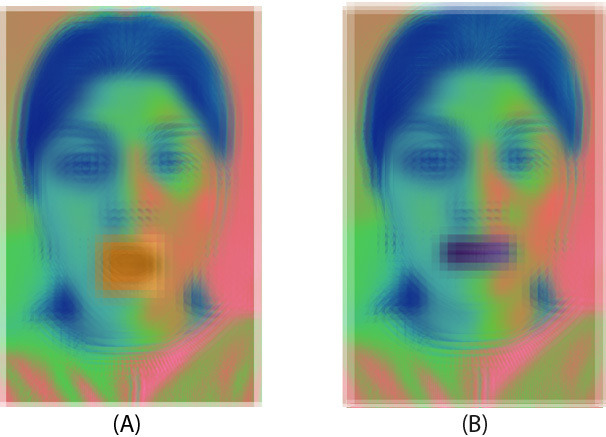 Figure 7
Peer Reviews
No public reviews on file for this paper yet. If you reviewed it on a platform where reviews are public (OpenReview, ICLR, NeurIPS, ICML), you can paste yours below so the community can read it here.
Videos
No videos yet. Explain this paper in a talk, walkthrough, or lecture? Add one.
Taxonomy
TopicsCerebral Palsy and Movement Disorders · Assistive Technology in Communication and Mobility · Social Robot Interaction and HRI