Comparative Analysis of Sonication, Microfluidics, and High-Turbulence Microreactors for the Fabrication and Scaling-Up of Diclofenac-Loaded Liposomes
Iria Naveira-Souto, Roger Fabrega Alsina, Elisabet Rosell-Vives, Eloy Pena-Rodríguez, Francisco Fernandez-Campos, Jessica Malavia, Xavier Julia Camprodon, Maximilian Schelden, Nazende Günday-Türeli, Andrés Cruz-Conesa, Maria Lajarin-Reinares

TL;DR
This paper compares three methods for making liposomes loaded with diclofenac, showing how each method can be scaled up while maintaining quality.
Contribution
The study introduces a systematic comparison of sonication, microfluidics, and high-turbulence microreactors for scalable liposome fabrication under a Quality-by-Design framework.
Findings
Sonication at 8 L scale produced ~87–92 nm liposomes with high drug encapsulation efficiency.
Microfluidics yielded ~64 nm liposomes with precise size control and high encapsulation.
Microreactors achieved ~50 nm liposomes at high throughput with excellent encapsulation.
Abstract
Background: Liposomes are attractive topical carriers, yet translating laboratory fabrication to scalable, well-controlled processes remains challenging. Objectives: We compared three manufacturing methods for diclofenac-loaded liposomes: probe sonication, microfluidic mixing, and a high-turbulence microreactor, under a Quality-by-Design framework. Methods: Differential scanning calorimetry (DSC) was used to define a processing-relevant liquid-crystalline temperature window for the lipid excipients. For sonication scale-up, a Plackett-Burman screening design identified key process factors and supported an energy-density (W·s·L−1) control approach. For microfluidics, the effects of flow-rate ratio (FRR) and total flow rate (TFR) were mapped and optimized using a desirability function. Microreactor trials were performed at elevated throughput. Residual ethanol during post-processing was…
Genes, proteins, chemicals, diseases, species, mutations and cell lines named across the full text — each resolved to its canonical identifier and authoritative record.
Click any figure to enlarge with its caption.
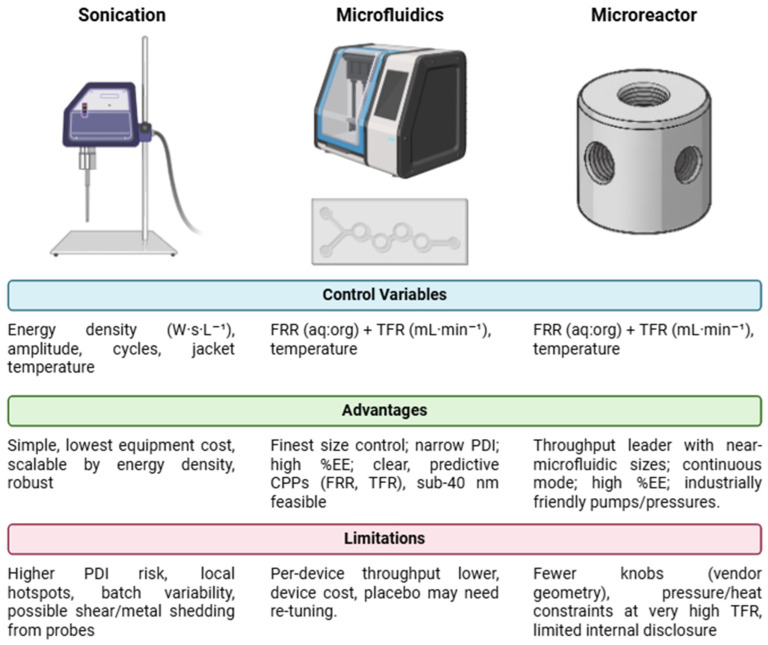 Figure 1
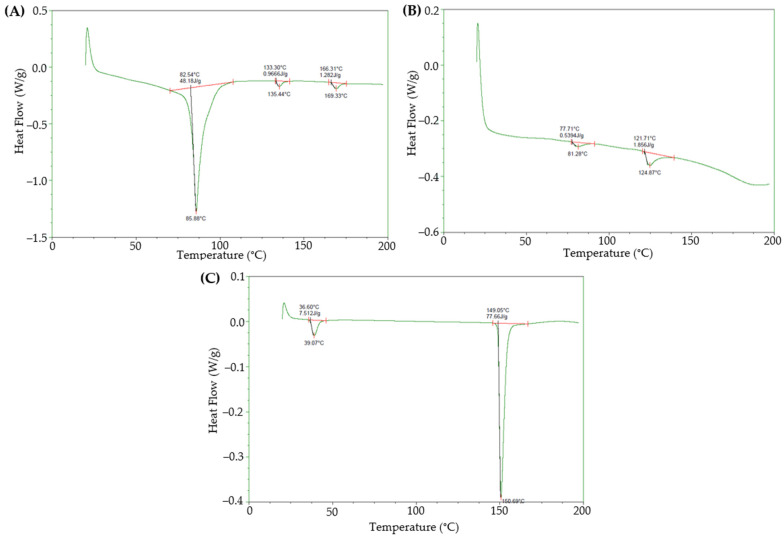 Figure 2
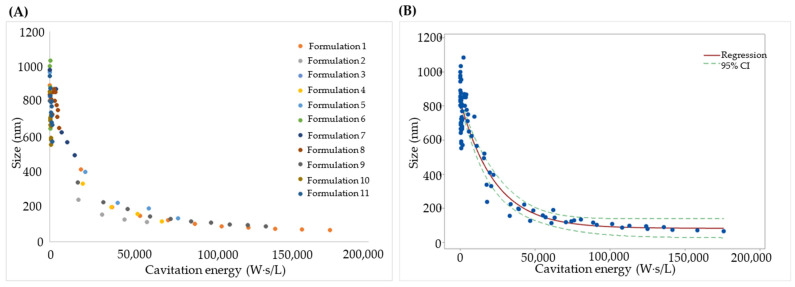 Figure 3
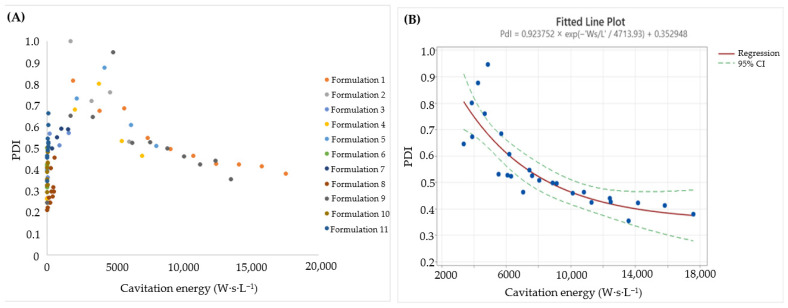 Figure 4
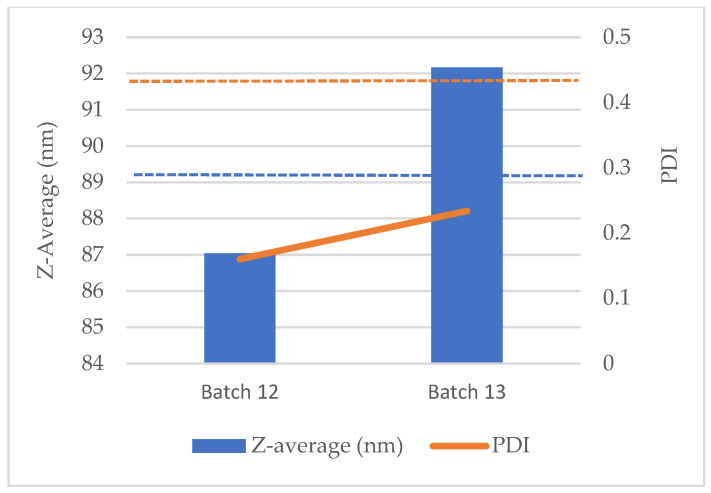 Figure 5
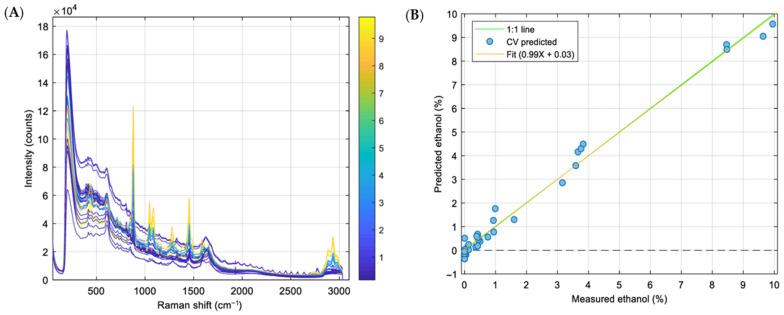 Figure 6
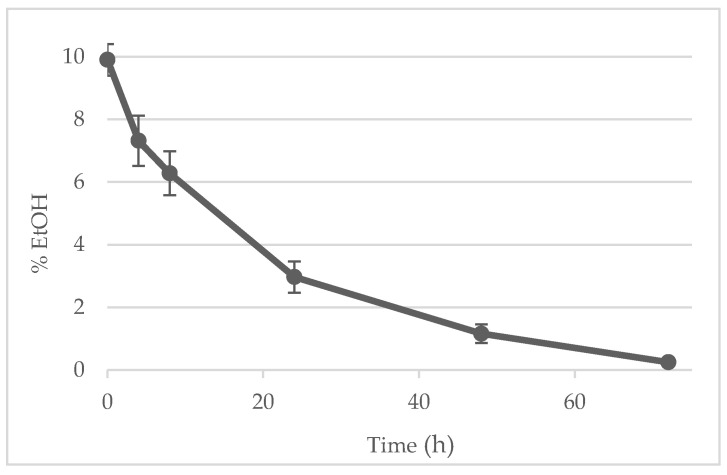 Figure 7
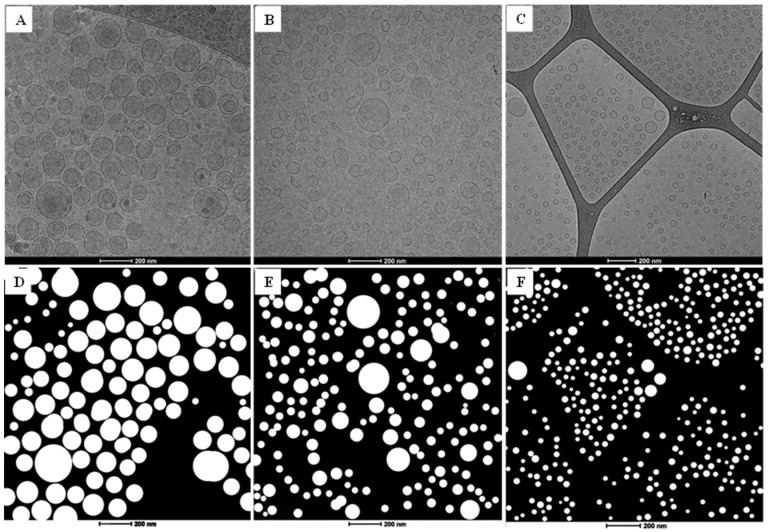 Figure 8
Peer Reviews
No public reviews on file for this paper yet. If you reviewed it on a platform where reviews are public (OpenReview, ICLR, NeurIPS, ICML), you can paste yours below so the community can read it here.
Videos
No videos yet. Explain this paper in a talk, walkthrough, or lecture? Add one.
Taxonomy
TopicsAdvancements in Transdermal Drug Delivery · Lipid Membrane Structure and Behavior · Advanced Drug Delivery Systems