Determining the Critical Period of Continuous Waterlogging in Maize: An Analysis of Physiological, Biochemical, and Transcriptomic Traits
Denglong Chen, Cong Peng, Zhiming Liu, Wanrong Gu, Fanyun Yao, Lichun Wang, Yujun Cao, Yongjun Wang

TL;DR
This study identifies 6 days as the critical threshold for waterlogging stress during maize's jointing stage, beyond which yield drops significantly due to impaired energy synthesis.
Contribution
The study determines the critical duration of waterlogging stress in maize and reveals physiological and transcriptomic mechanisms affecting photosynthesis and energy synthesis.
Findings
Grain weight significantly decreased by 17.49% to 100.00% when waterlogging lasted more than 4 days.
Transcriptomic analysis showed downregulation of photosynthetic and energy-related genes after 8-10 days of waterlogging.
Starch content remained stable up to 6 days of waterlogging but dropped significantly afterward.
Abstract
Waterlogging stress severely limits crop photosynthesis and energy supplies, resulting in significant yield reductions. However, the critical duration of waterlogging stress during the maize jointing stage remains unclear, and the physiological and molecular mechanisms underlying its effects on photosynthetic efficiency and energy synthesis in maize require further investigation. In this study, we systematically analyzed the responses of physiological traits, transcriptomic profiles, and the yield formation in maize (Zea mays L.) to varying waterlogging durations imposed during the jointing stage, including 0 days (CK), 2 days (F2), 4 days (F4), 6 days (F6), 8 days (F8), and 10 days (F10). Our results indicate that the (1) grain weight (GW) showed no significant difference between F2 and CK. However, the GW in F4, F6, F8, and F10 decreased significantly by 17.49%, 26.45%, 60.24%, and…
Genes, proteins, chemicals, diseases, species, mutations and cell lines named across the full text — each resolved to its canonical identifier and authoritative record.
Click any figure to enlarge with its caption.
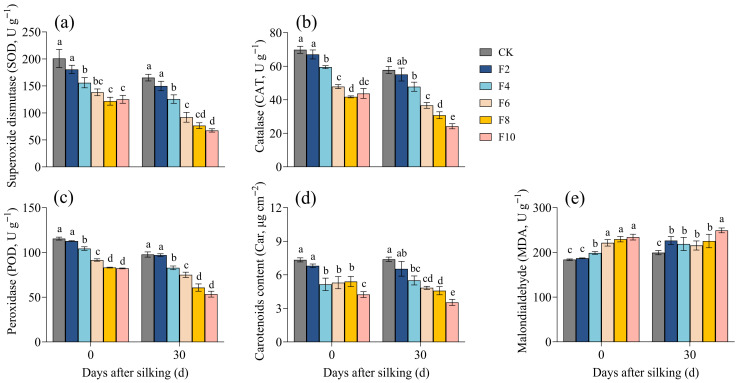 Figure 1
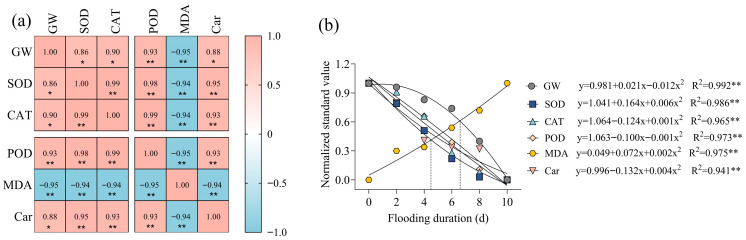 Figure 2
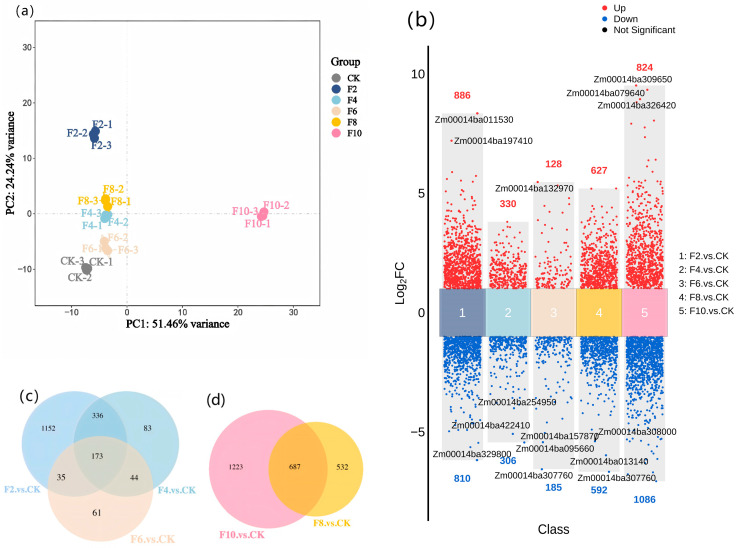 Figure 3
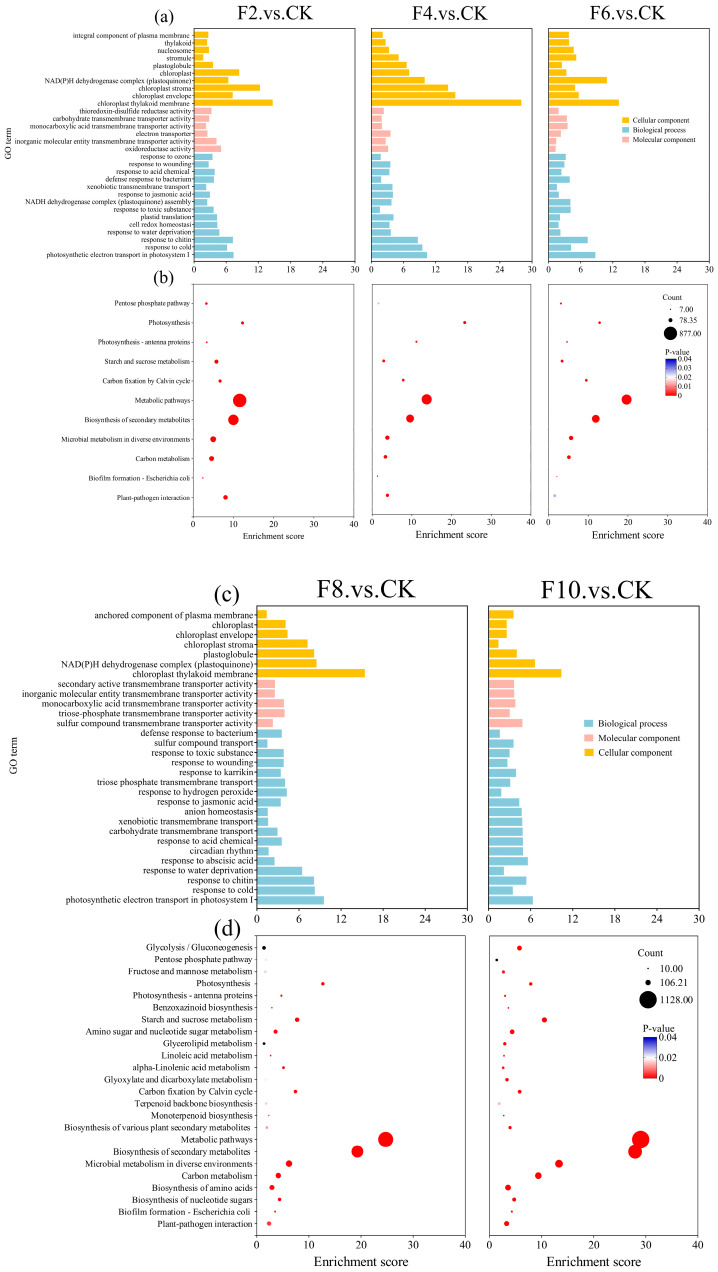 Figure 4
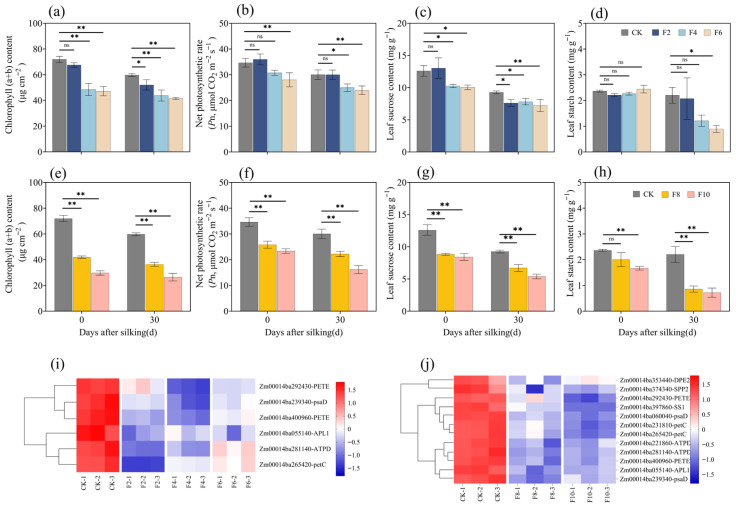 Figure 5
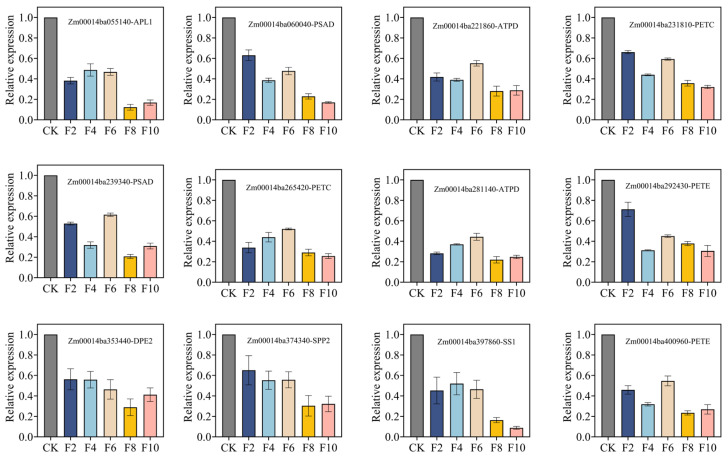 Figure 6
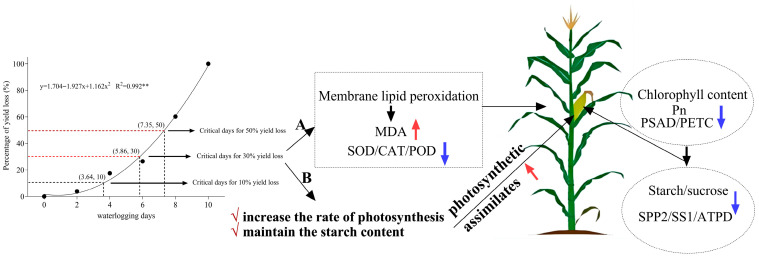 Figure 7
Peer Reviews
No public reviews on file for this paper yet. If you reviewed it on a platform where reviews are public (OpenReview, ICLR, NeurIPS, ICML), you can paste yours below so the community can read it here.
Videos
No videos yet. Explain this paper in a talk, walkthrough, or lecture? Add one.
Taxonomy
TopicsPlant responses to water stress · Plant Stress Responses and Tolerance · Cassava research and cyanide