Modeling Late-Onset Sporadic Alzheimer’s Disease Using Patient-Derived Cells: A Review
Alisar Katbe, Ismaïla Diagne, Gilbert Bernier

TL;DR
This paper reviews how patient-derived cells can be used to model late-onset Alzheimer’s disease, focusing on neurons and comparing two cell reprogramming methods.
Contribution
The paper provides a comparative analysis of two reprogramming methods for generating Alzheimer’s disease patient neurons.
Findings
Induced pluripotent stem cells and induced neurons are used to model late-onset Alzheimer’s disease.
These models can recapitulate cellular and molecular pathologies seen in Alzheimer’s patient brains.
LOAD models are essential for understanding the disease’s origin and pathophysiology.
Abstract
Late-onset sporadic Alzheimer’s disease (LOAD) is the most common form of dementia. The disease is characterized by progressive loss of memory and behavioral changes followed by neurodegeneration of all cortical areas. While the contribution of genetic and environmental factors is important, advanced aging remains the most important disease risk factor. Because LOAD does not naturally occur in most animal species, except humans, studies have traditionally relied on the use of transgenic mouse models recapitulating early-onset familial Alzheimer’s disease (EOAD). Hence, the development of more representative LOAD models through reprograming of patient-derived cells into neuronal, glial, and immune cells became a necessity to better understand the disease’s origin and pathophysiology. Herein, and focusing on neurons, we review current work in the field and compare results obtained with…
Genes, proteins, chemicals, diseases, species, mutations and cell lines named across the full text — each resolved to its canonical identifier and authoritative record.
Click any figure to enlarge with its caption.
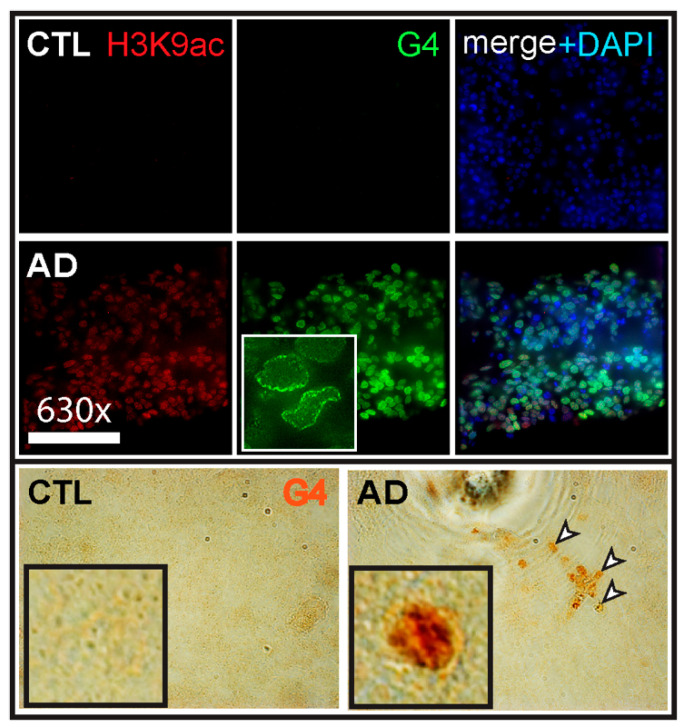 Figure 1
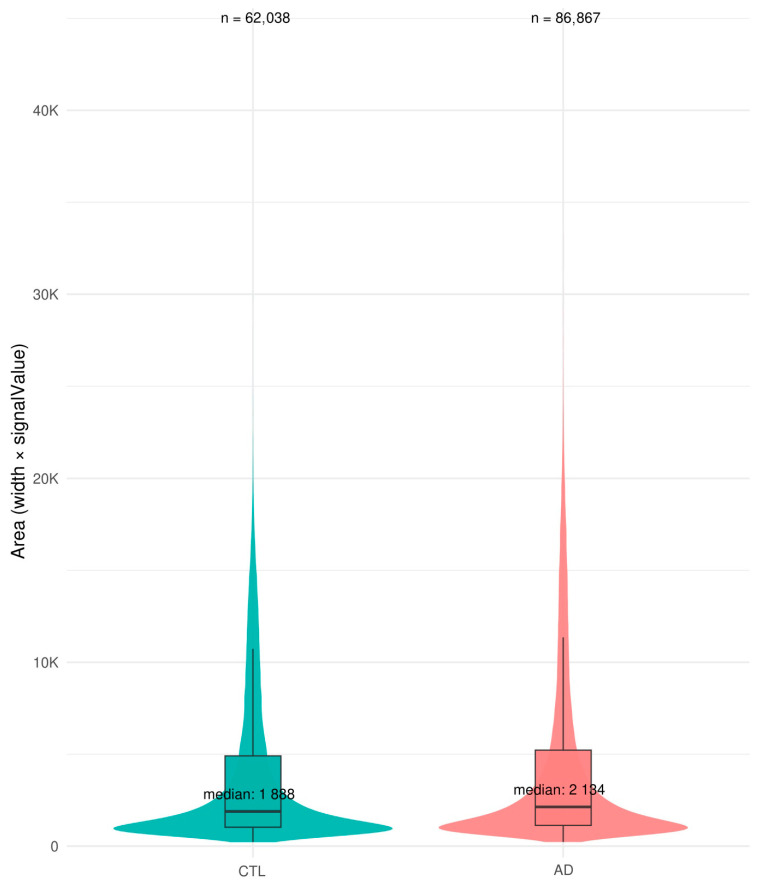 Figure 2
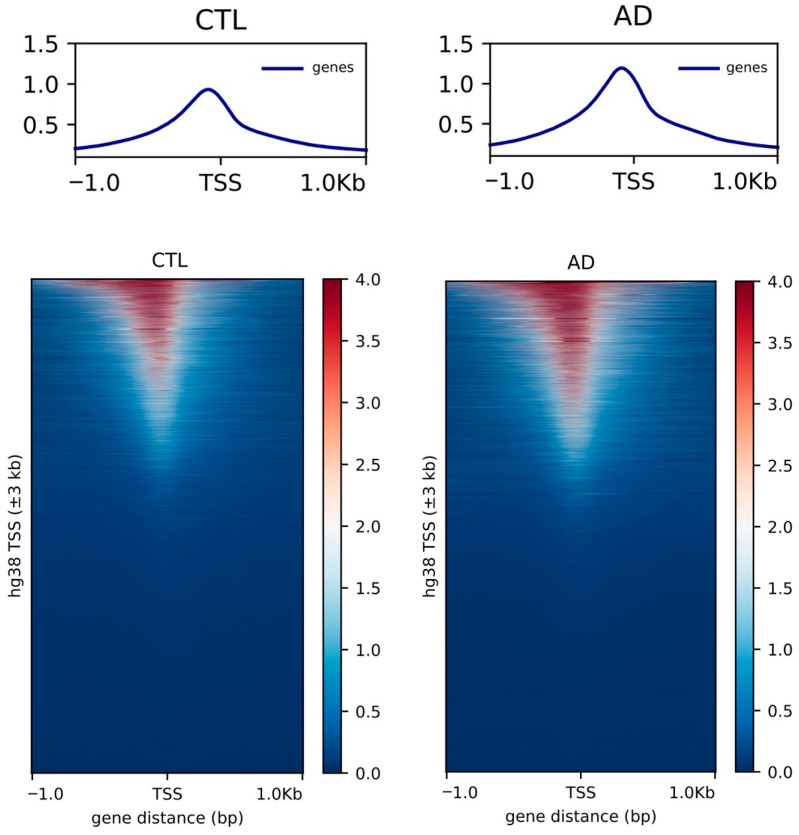 Figure 3
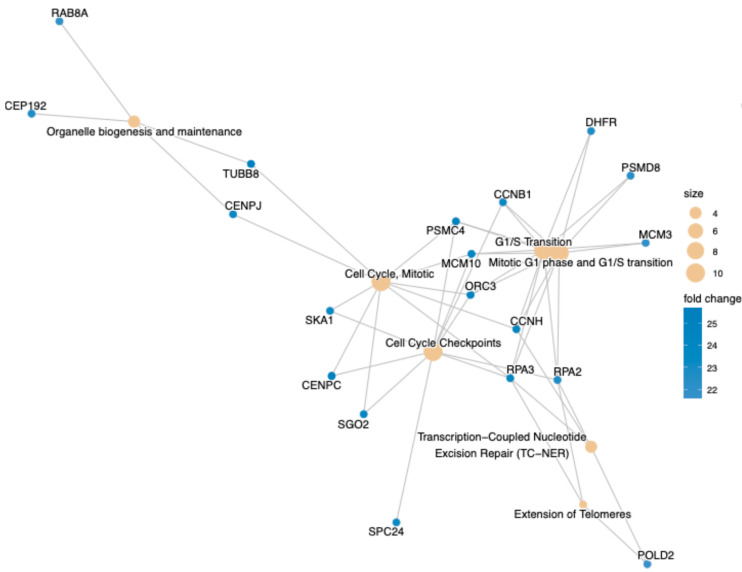 Figure 4
Peer Reviews
No public reviews on file for this paper yet. If you reviewed it on a platform where reviews are public (OpenReview, ICLR, NeurIPS, ICML), you can paste yours below so the community can read it here.
Videos
No videos yet. Explain this paper in a talk, walkthrough, or lecture? Add one.
Taxonomy
TopicsPluripotent Stem Cells Research · Alzheimer's disease research and treatments · Neurogenesis and neuroplasticity mechanisms