Phage PM16 Therapy Induce Long-Term Protective Immunity Against Proteus mirabilis via Macrophage Priming
Lina Al Allaf, Anton V. Chechushkov, Vera V. Morozova, Yulia N. Kozlova, Tatiana A. Ushakova, Nina V. Tikunova

TL;DR
Phage PM16 therapy not only fights Proteus mirabilis infection but also boosts long-term immunity by activating macrophages.
Contribution
Phage PM16 primes macrophages to enhance adaptive immunity and long-term protection against bacterial reinfection.
Findings
PM16 phage therapy controls Proteus mirabilis infection and induces long-term humoral immunity in mice.
PM16 activates macrophages to produce proinflammatory cytokines and improves bactericidal activity against P. mirabilis.
The phage primes innate immune cells, leading to better bacterial clearance and immunological memory formation.
Abstract
Bacteriophages, traditionally viewed solely as antibacterial agents, are increasingly being studied for their immunomodulatory properties. In this study, we demonstrate that PM16 phage therapy not only effectively controls subcutaneous Proteus mirabilis infection in mice but also induces long-term specific humoral immunity against subsequent reinfection. This immunomodulatory effect was dose-dependent. In vitro, PM16 directly activates macrophages, leading to increased production of proinflammatory cytokines (tumor necrosis factor-α and interleukin-1β) and inducible nitric oxide synthase, and enhances macrophage bactericidal activity against P. mirabilis. We assume that the enhancement of the adaptive immune response is mediated not by the phage acting as a classical antigenic adjuvant but by its ability to prime innate immune cells, specifically macrophages. This priming leads to more…
Genes, proteins, chemicals, diseases, species, mutations and cell lines named across the full text — each resolved to its canonical identifier and authoritative record.
Click any figure to enlarge with its caption.
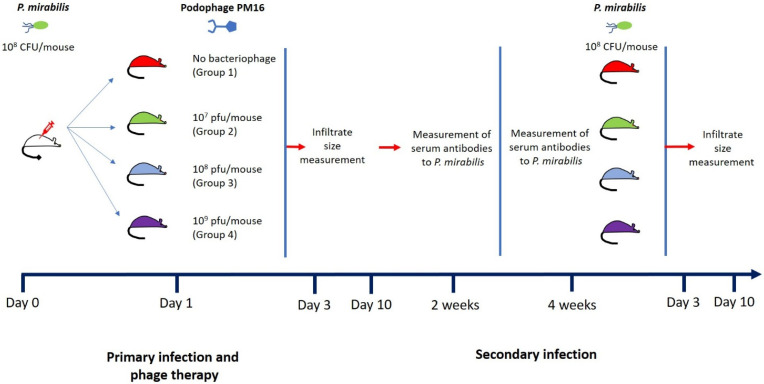 Figure 1
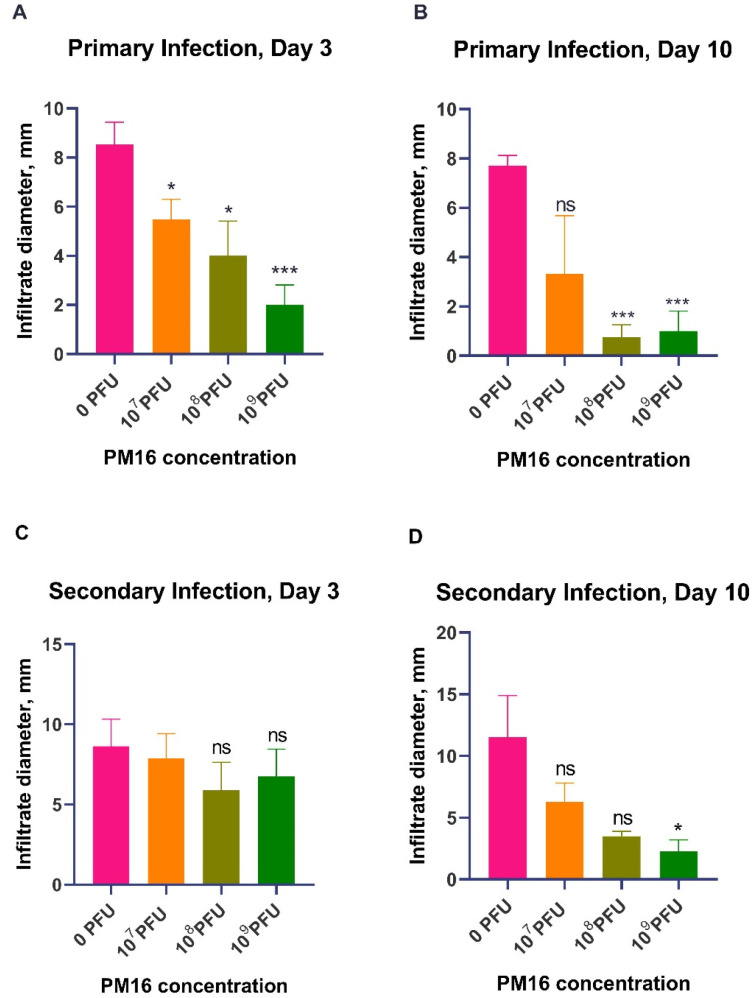 Figure 2
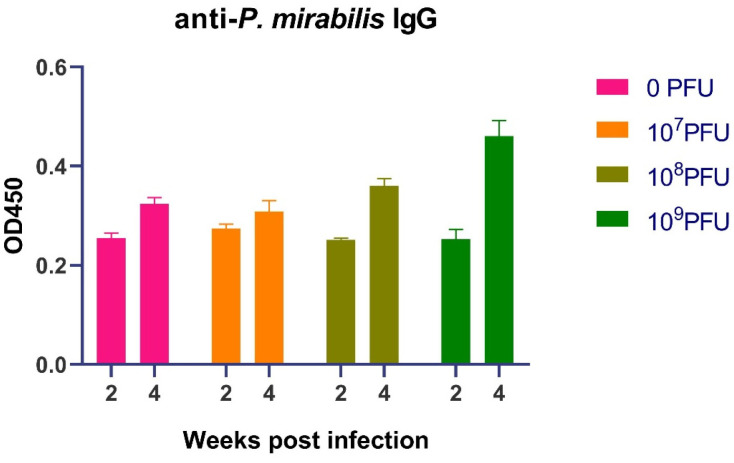 Figure 3
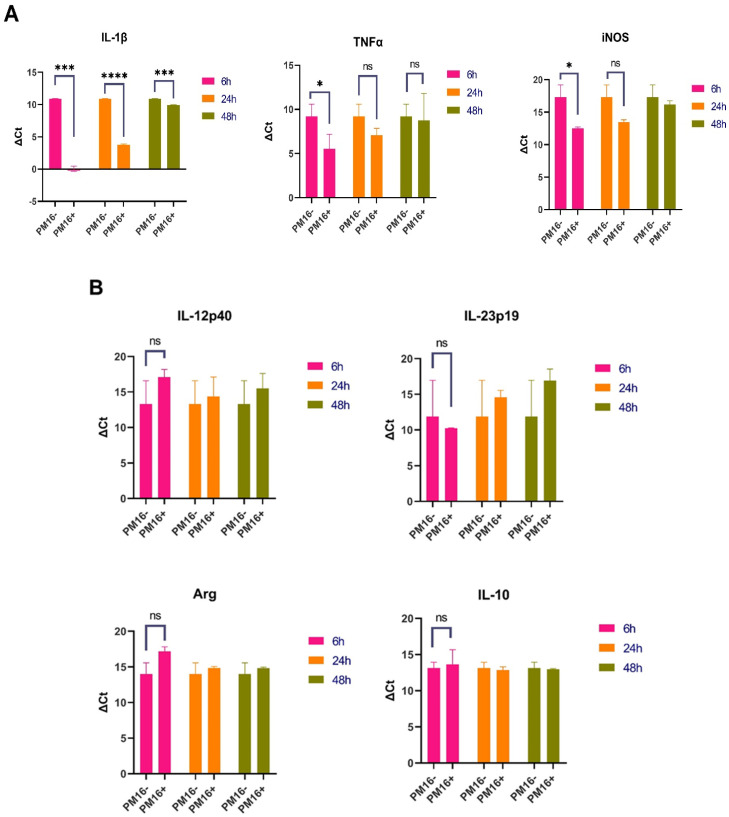 Figure 4
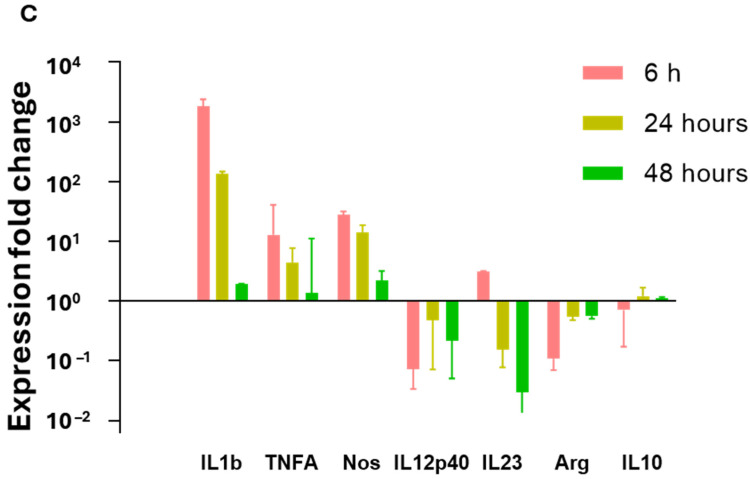 Figure 5
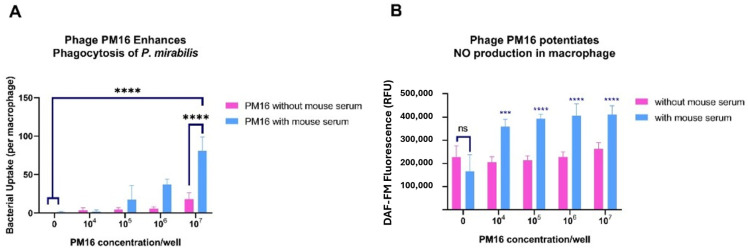 Figure 6
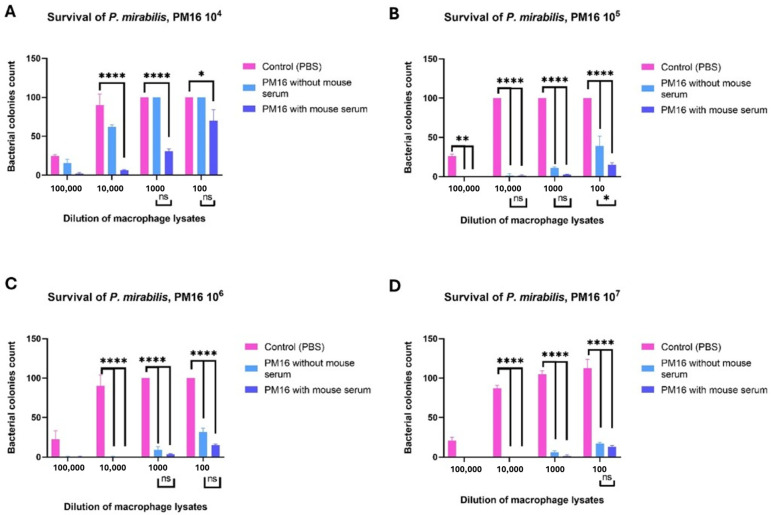 Figure 7
Peer Reviews
No public reviews on file for this paper yet. If you reviewed it on a platform where reviews are public (OpenReview, ICLR, NeurIPS, ICML), you can paste yours below so the community can read it here.
Videos
No videos yet. Explain this paper in a talk, walkthrough, or lecture? Add one.
Taxonomy
TopicsBacteriophages and microbial interactions · Cancer Research and Treatments · Monoclonal and Polyclonal Antibodies Research