Anti-Inflammatory and Antioxidant Activity of Litsea glaucescens Kunth in Rodents, an Aztec Medicinal Plant Used in Pre-Columbian Times
Dulce Yehimi López-Miranda, Ricardo Reyes-Chilpa, Antonio Nieto-Camacho, Silvia Laura Guzmán-Gutiérrez, Oscar Salvador Barrera-Vázquez, María Sofía Jiménez-Mendoza, Eréndira García-Ríos, Gil Alfonso Magos-Guerrero

TL;DR
This study shows that an extract from the leaves of Litsea glaucescens, an Aztec medicinal plant, has anti-inflammatory and antioxidant effects in mice.
Contribution
The study provides empirical evidence supporting the historical use of L. glaucescens as an anti-inflammatory agent and identifies potential active compounds like quercitrin and pinocembrin.
Findings
Methanolic extract of L. glaucescens reduced carrageenan-induced paw swelling and TPA-induced ear inflammation in mice.
The extract showed antioxidant activity and reduced myeloperoxidase activity, indicating anti-neutrophilic effects.
Flavonoid compounds like quercitrin and pinocembrin were identified as potential contributors to the observed effects.
Abstract
Background/Objectives: Litsea glaucescens Kunth, commonly known as “laurel,” is a tree native to Mexico. The Codex Cruz-Badiano, from 1552, described it as the main ingredient of a topical anti-inflammatory recipe. This study aims to determine whether L. glaucescens leaf extract can reduce experimental inflammation, supporting its use in Aztec medicine. Methods: Methanolic extracts and fractions from the leaves of L. glaucescens were analyzed using techniques such as normal and reverse-phase TLC, 1H-NMR, HPLC-UV, MS, and GC-MS. The anti-inflammatory systemic activity of this methanolic extract was evaluated in mice using carrageenan-induced paw inflammation and TPA-induced ear topical inflammation models. Myeloperoxidase activity, DPPH, and TBARS assays were performed. L. guatemalensis, a closely related species, served as a positive control, as its biological activity has been…
Genes, proteins, chemicals, diseases, species, mutations and cell lines named across the full text — each resolved to its canonical identifier and authoritative record.
Click any figure to enlarge with its caption.
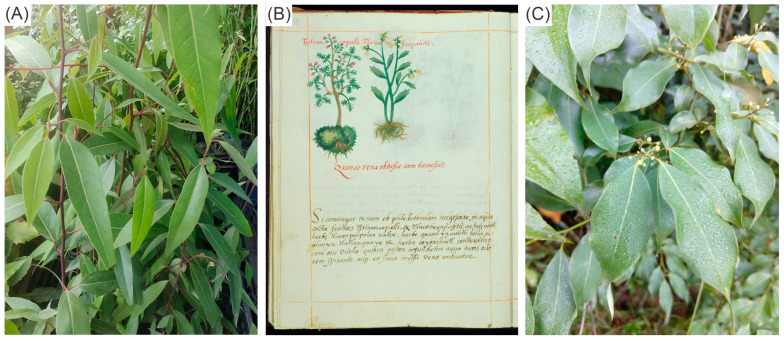 Figure 1
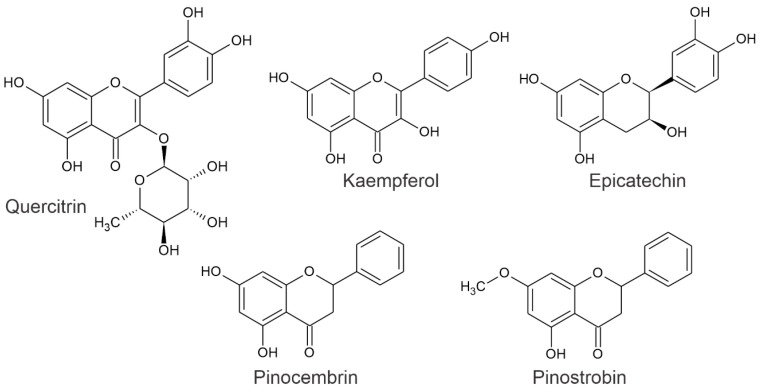 Figure 2
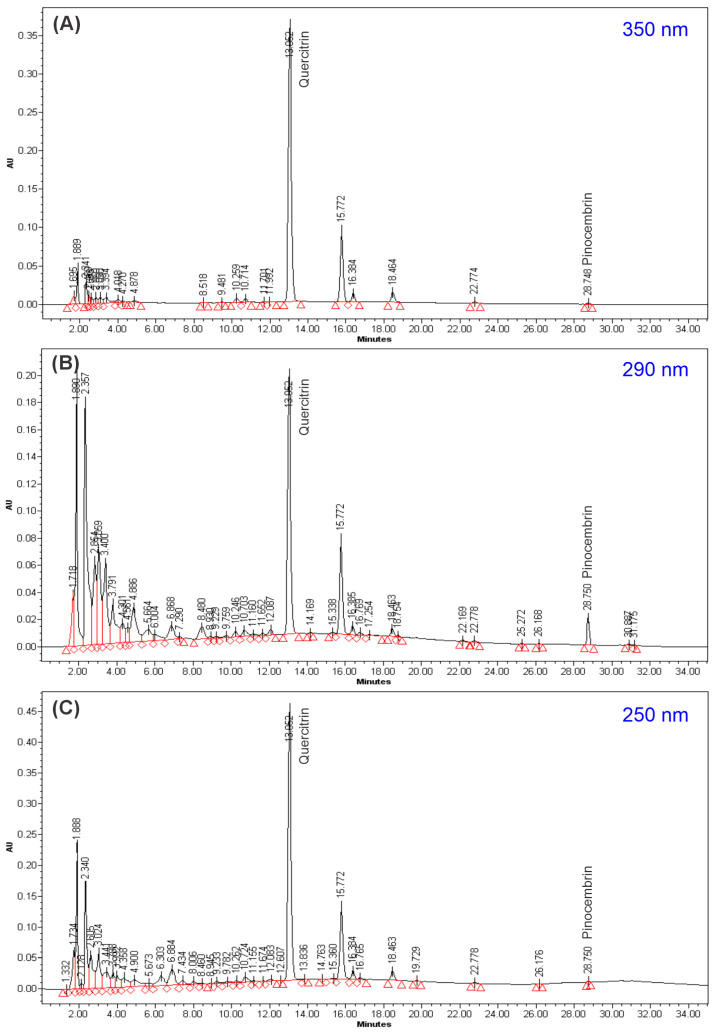 Figure 3
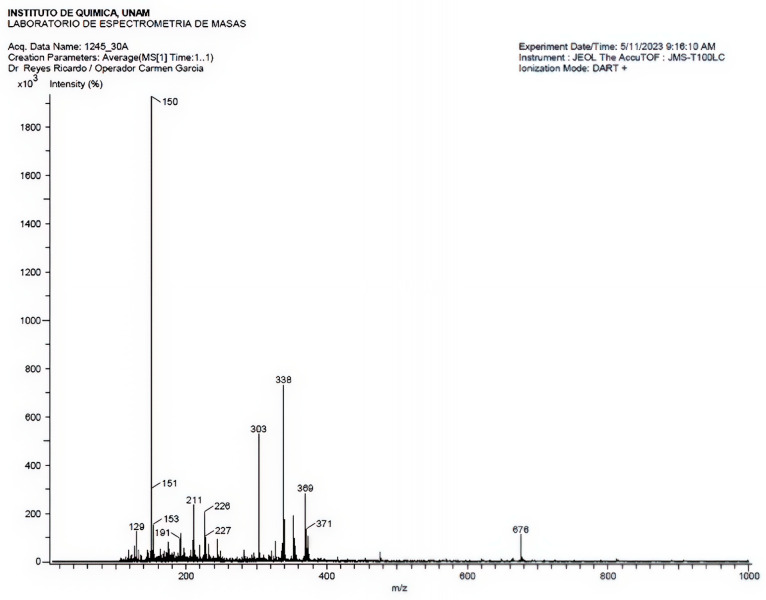 Figure 4
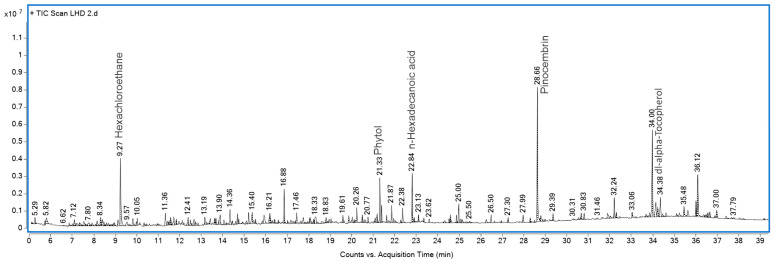 Figure 5
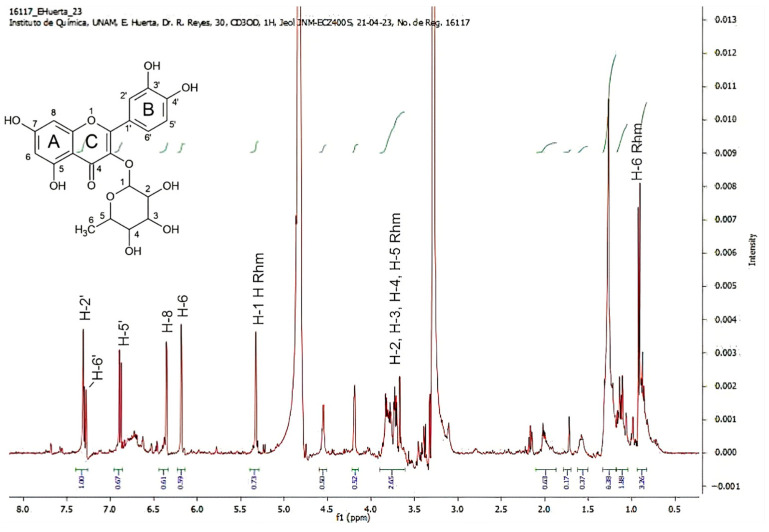 Figure 6
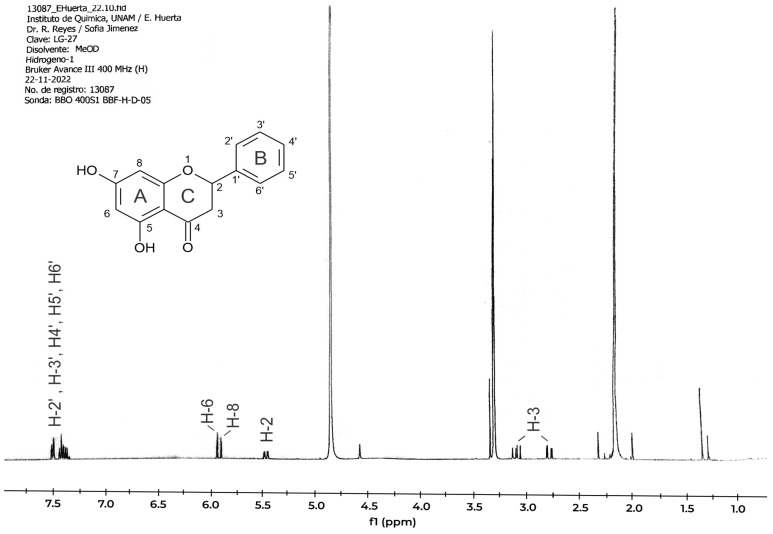 Figure 7
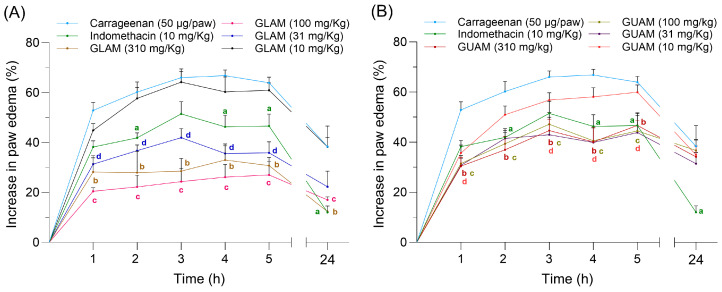 Figure 8
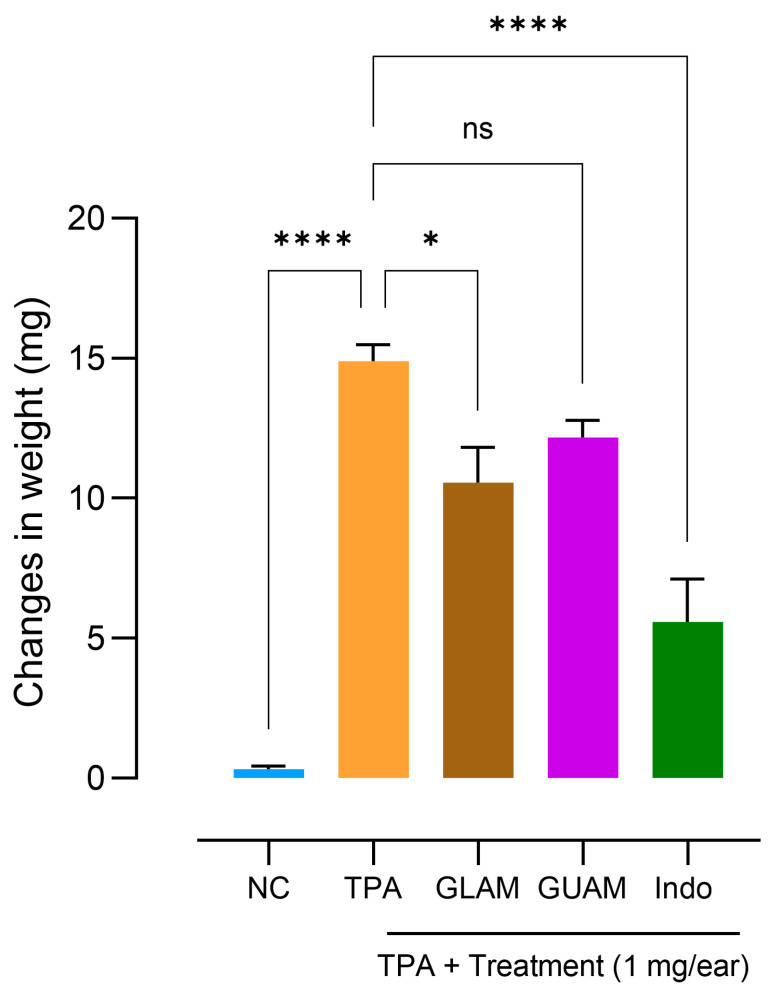 Figure 9
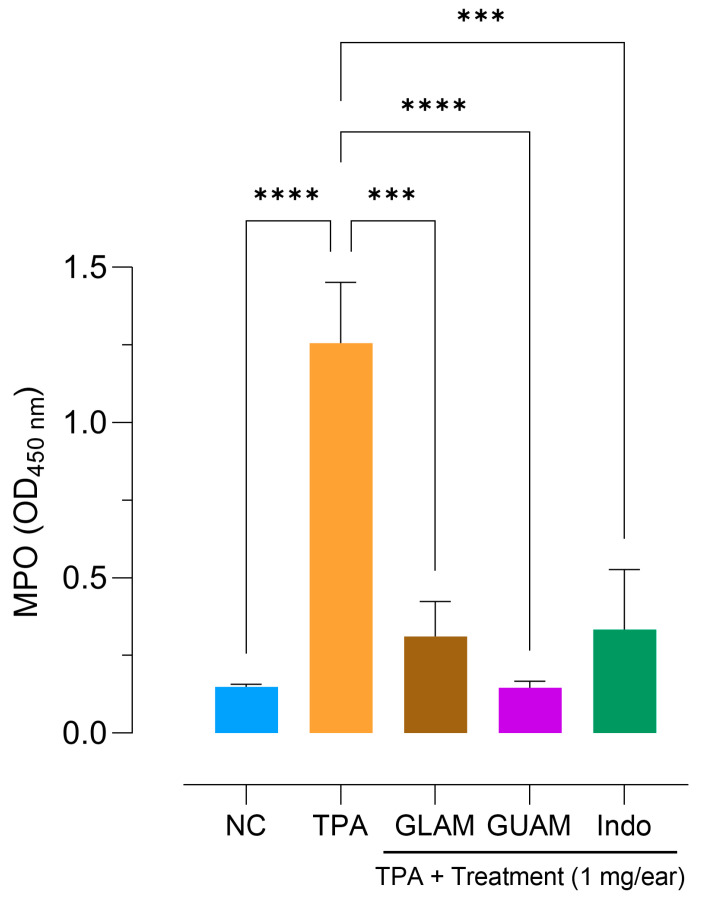 Figure 10
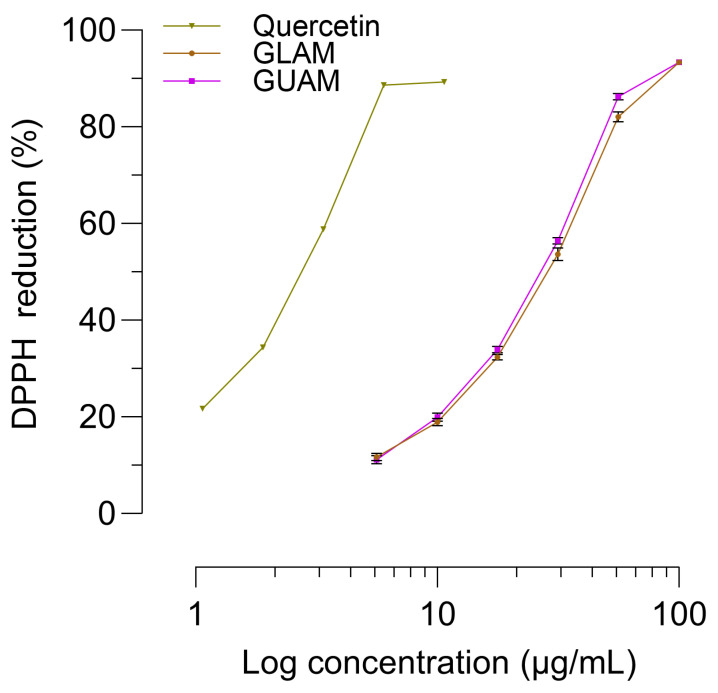 Figure 11
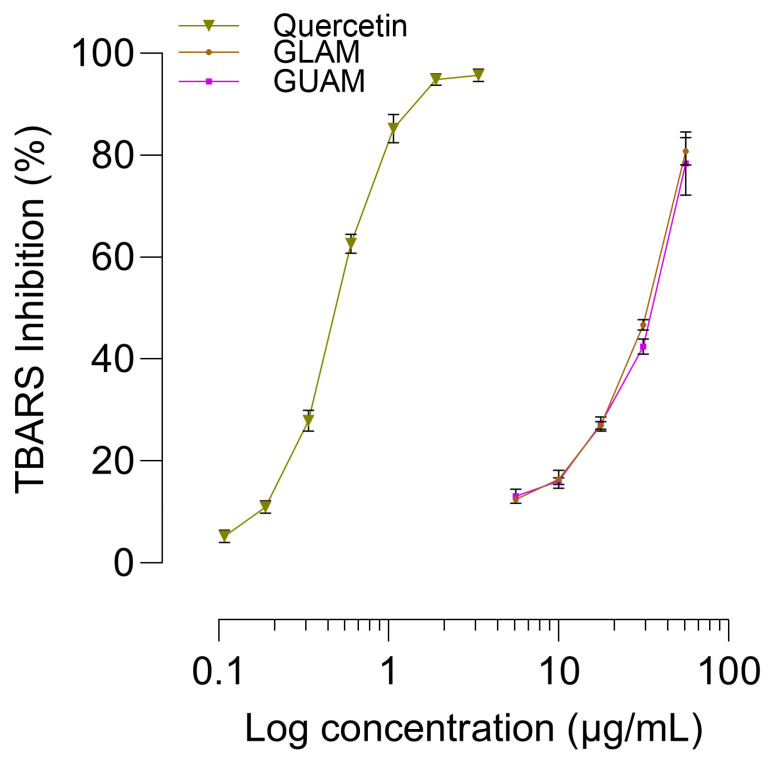 Figure 12
Peer Reviews
No public reviews on file for this paper yet. If you reviewed it on a platform where reviews are public (OpenReview, ICLR, NeurIPS, ICML), you can paste yours below so the community can read it here.
Videos
No videos yet. Explain this paper in a talk, walkthrough, or lecture? Add one.
Taxonomy
TopicsTraditional and Medicinal Uses of Annonaceae · Phytochemical compounds biological activities · Phytochemistry Medicinal Plant Applications