The Activity of FDA-Approved Prodrug Isavuconazonium Sulfate and Its Major Metabolite Isavuconazole Against Naegleria fowleri
Hayley Fong, Anjan Debnath

TL;DR
This study explores the effectiveness of isavuconazonium and its metabolite isavuconazole against the deadly amoeba Naegleria fowleri, suggesting they could be promising treatments for a rare but fatal brain infection.
Contribution
The study evaluates the antiamoebic activity of an FDA-approved antifungal prodrug and its metabolite against Naegleria fowleri for potential repurposing in treating PAM.
Findings
Isavuconazole showed potent activity against N. fowleri with minimal toxicity to mammalian cells.
Combining isavuconazole or isavuconazonium with amphotericin B was synergistic and non-toxic to mammalian cells.
Both compounds achieved nanomolar potency after 24 hours of exposure.
Abstract
Objectives: Free-living amoeba Naegleria fowleri causes primary amoebic meningoencephalitis (PAM). While infection is rare, PAM’s fatality rate exceeds 97%. The recommended treatment includes combination therapy, which does not result in uniform survival. Thus, there is a critical unmet need for finding better therapy for PAM. Drug repurposing can expedite the discovery of effective treatment for PAM. Isavuconazonium is approved for the treatment of fungal infections. Given that isavuconazole is the major metabolite of isavuconazonium and isavuconazole penetrates into the brain with high efficiency, our objective was to determine the activity of both isavuconazonium and isavuconazole on N. fowleri trophozoites. Methods: To test the effect of both compounds, we determined their dose–responses against N. fowleri and two mammalian cells. To establish how fast the prodrug and the metabolite…
Genes, proteins, chemicals, diseases, species, mutations and cell lines named across the full text — each resolved to its canonical identifier and authoritative record.
Click any figure to enlarge with its caption.
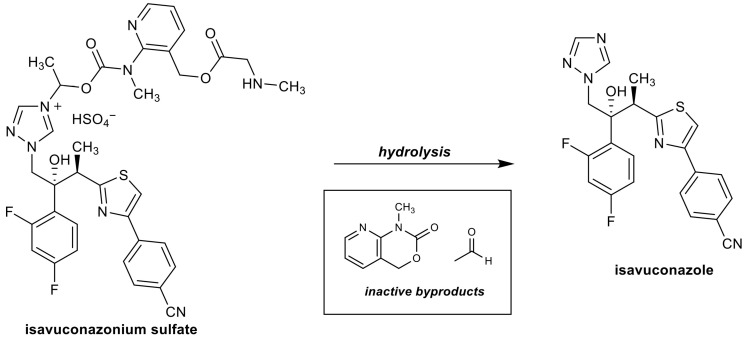 Figure 1
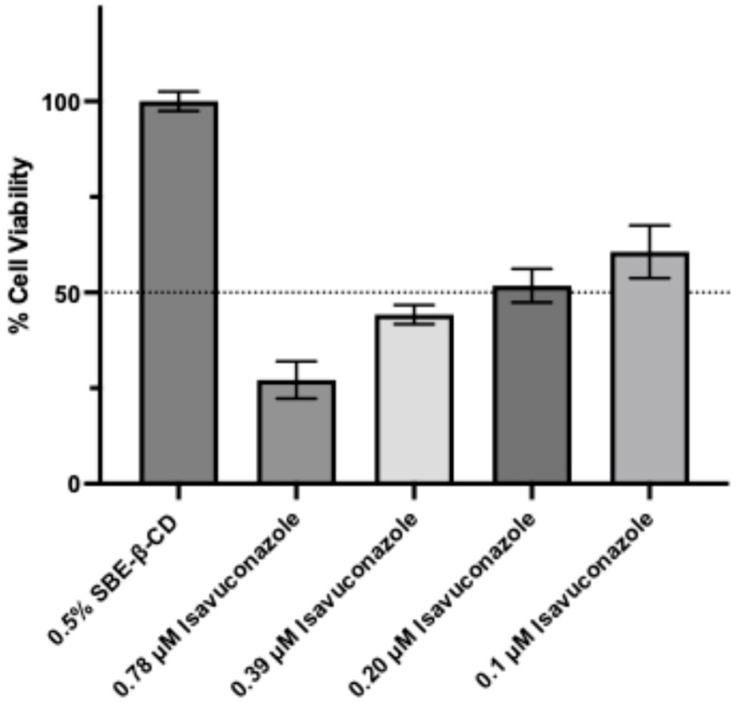 Figure 2
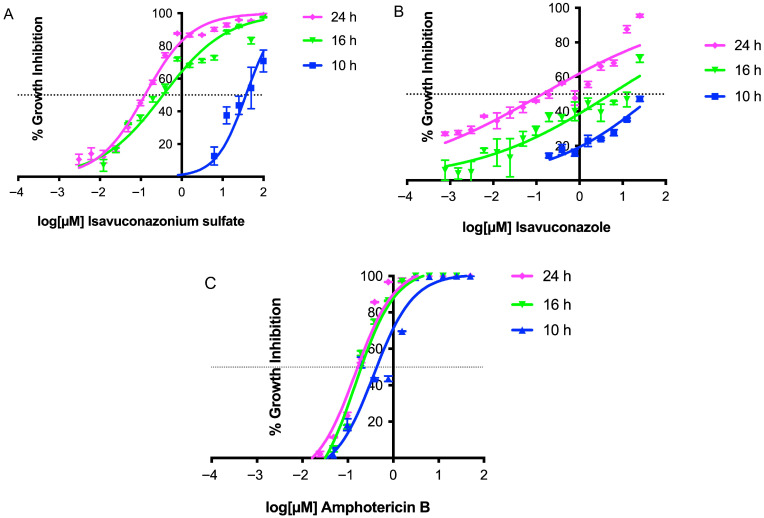 Figure 3
 Figure 4
 Figure 5
 Figure 6
 Figure 7
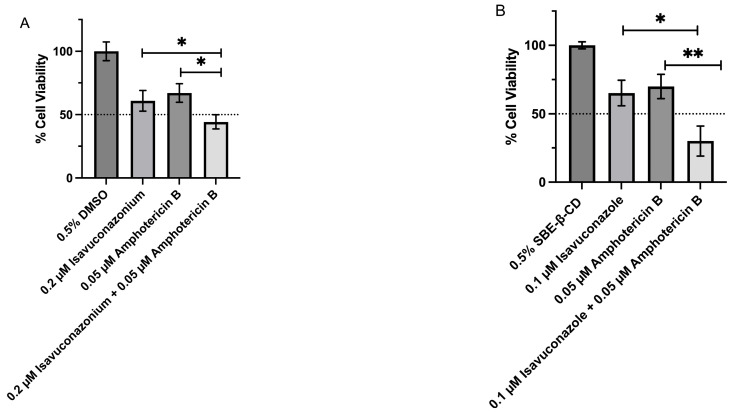 Figure 8
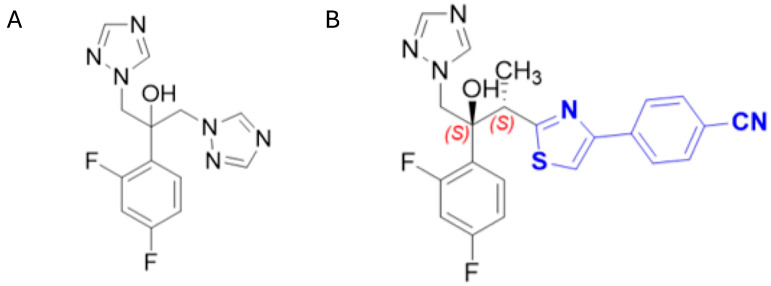 Figure 9
Peer Reviews
No public reviews on file for this paper yet. If you reviewed it on a platform where reviews are public (OpenReview, ICLR, NeurIPS, ICML), you can paste yours below so the community can read it here.
Videos
No videos yet. Explain this paper in a talk, walkthrough, or lecture? Add one.
Taxonomy
TopicsLegionella and Acanthamoeba research · Amoebic Infections and Treatments · Antifungal resistance and susceptibility