Sustained Release Varnish of Chlorhexidine for Prevention of Biofilm Formation on Non-Absorbable Nasal and Ear Sponges
Sari Risheq, Athira Venugopal, Andres Sancho, Michael Friedman, Irit Gati, Ron Eliashar, Doron Steinberg, Menachem Gross

TL;DR
A new varnish coating with chlorhexidine can prevent bacterial growth on nasal and ear sponges for up to 39 days, reducing infection risk and antibiotic use.
Contribution
A sustained-release chlorhexidine varnish coating for sponges that provides long-term antibacterial and anti-biofilm activity.
Findings
SRV-CHX-coated sponges inhibited biofilm formation for up to 33 days against Staphylococcus aureus and 16 days against Pseudomonas aeruginosa.
HR-SEM and confocal imaging showed sparse, non-viable biofilms on SRV-CHX-coated sponges compared to dense biofilms on controls.
The coating provided bactericidal effects for up to 16 days against S. aureus and 5 days against P. aeruginosa.
Abstract
Background: Non-absorbable polyvinyl alcohol sponges (Merocel) are widely used in otolaryngology for nasal and ear packing but are prone to bacterial colonization and biofilm formation, which may increase infection risk and drive frequent use of systemic antibiotics. Sustained-release drug delivery systems enable prolonged local antiseptic activity at the site of packing while minimizing systemic exposure. Methods: We developed a sustained-release varnish containing chlorhexidine (SRV-CHX) and coated sterile Merocel sponges. Antibacterial, in vitro, activity against Staphylococcus aureus and Pseudomonas aeruginosa was evaluated using kinetic diffusion assays on agar, optical density (OD600) measurements of planktonic cultures, drop plate, ATP-based viability assays, biofilm analysis by MTT metabolic assay, crystal violet bio-mass staining, high-resolution scanning electron microscopy…
Genes, proteins, chemicals, diseases, species, mutations and cell lines named across the full text — each resolved to its canonical identifier and authoritative record.
Click any figure to enlarge with its caption.
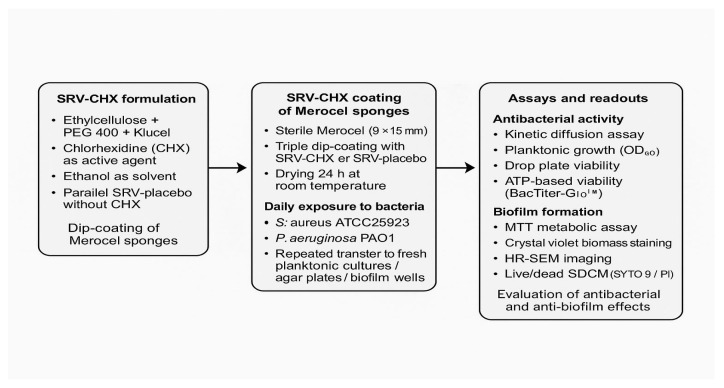 Figure 1
 Figure 2
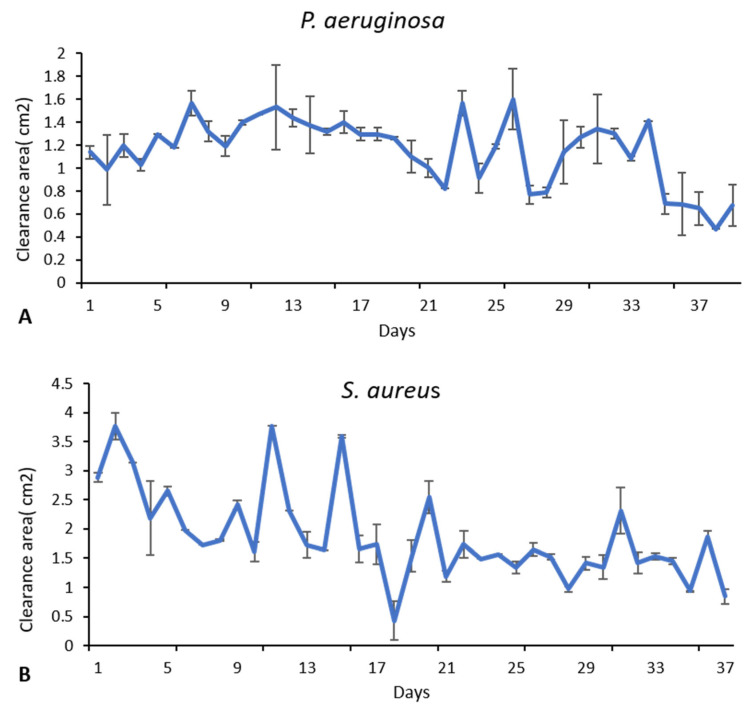 Figure 3
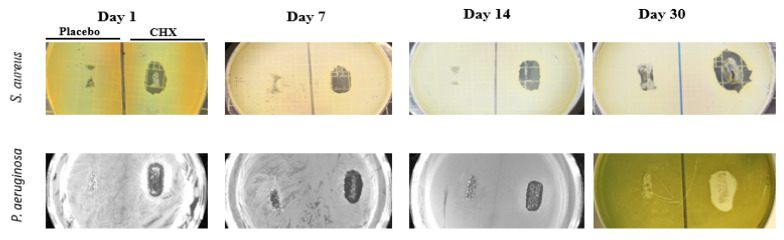 Figure 4
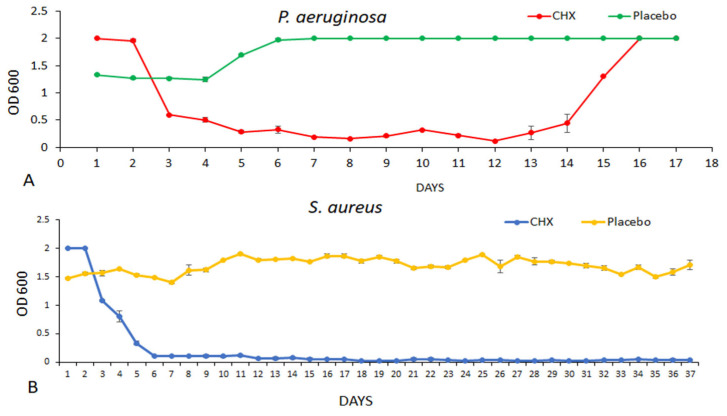 Figure 5
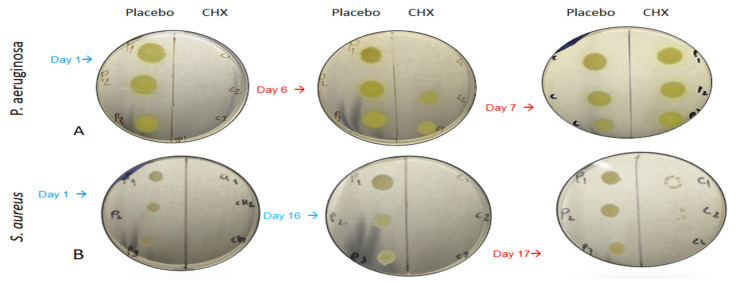 Figure 6
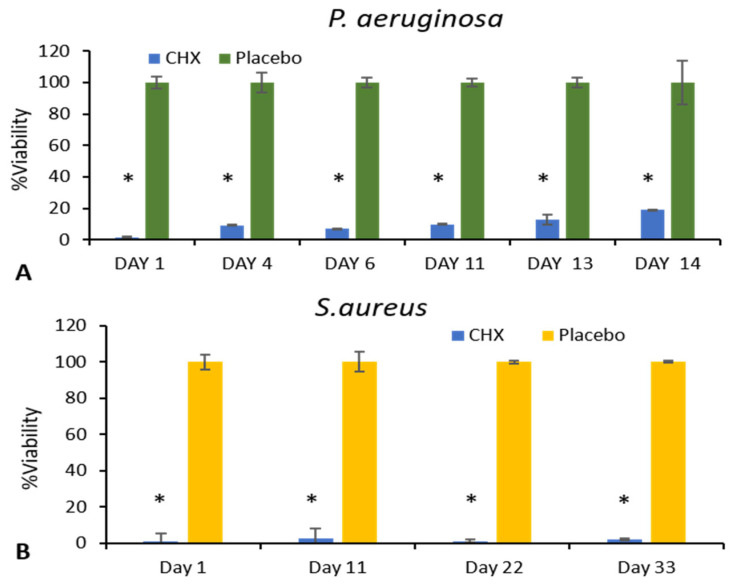 Figure 7
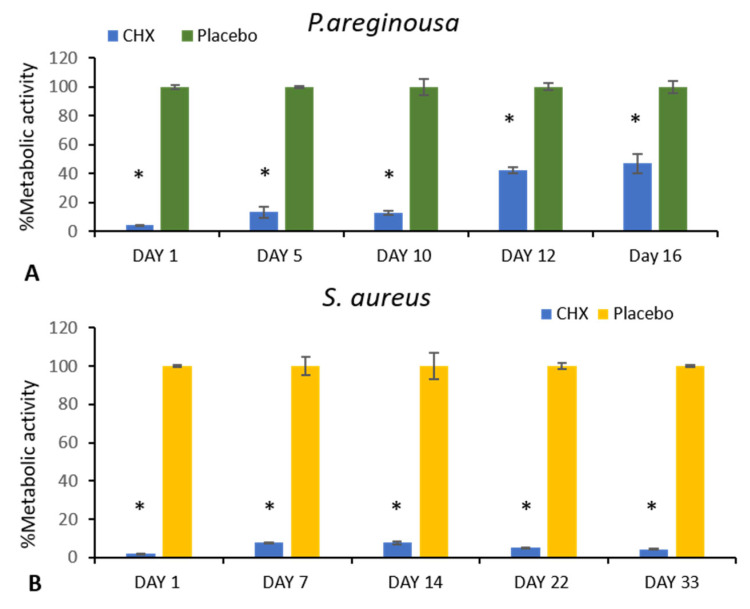 Figure 8
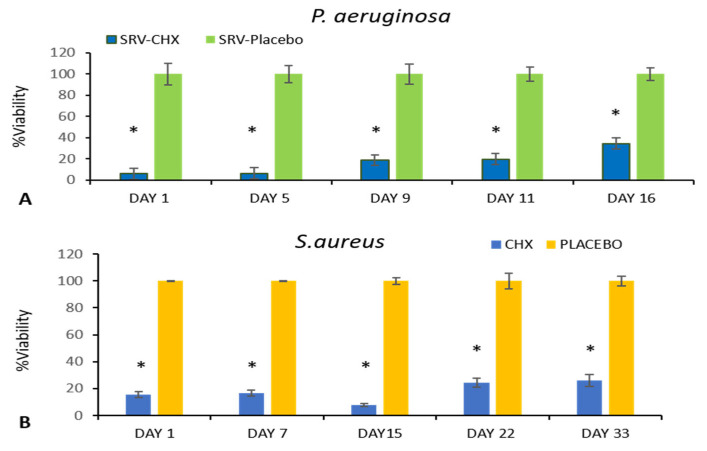 Figure 9
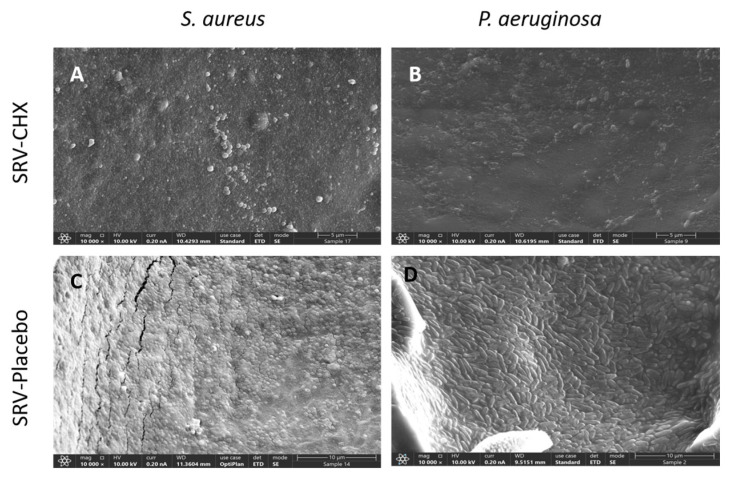 Figure 10
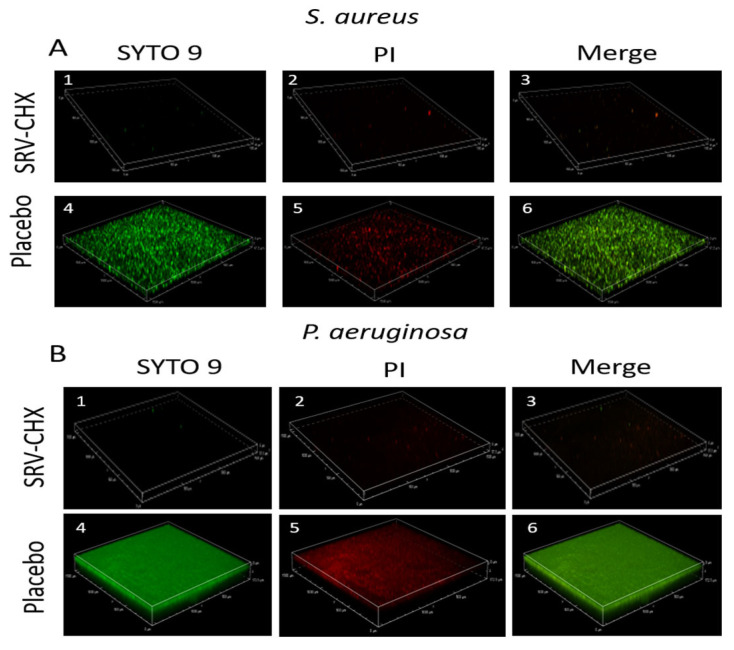 Figure 11
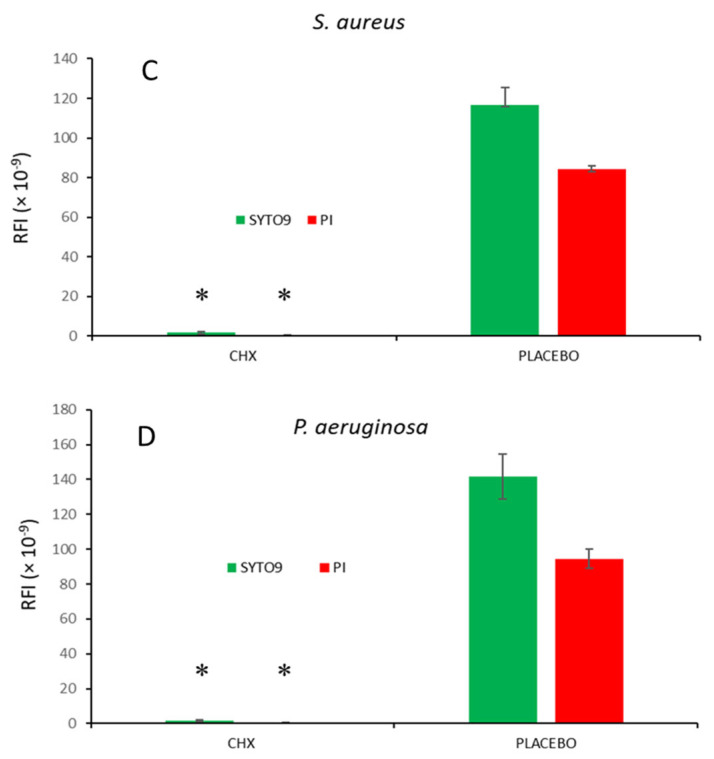 Figure 12
Peer Reviews
No public reviews on file for this paper yet. If you reviewed it on a platform where reviews are public (OpenReview, ICLR, NeurIPS, ICML), you can paste yours below so the community can read it here.
Videos
No videos yet. Explain this paper in a talk, walkthrough, or lecture? Add one.
Taxonomy
TopicsAdvanced Drug Delivery Systems · Sinusitis and nasal conditions · Nosocomial Infections in ICU