Combining Fluorescence and Magnetic Resonance Imaging in Drug Discovery—A Review
Barbara Smolak, Klaudia Dynarowicz, Dorota Bartusik-Aebisher, Gabriela Henrykowska, David Aebisher, Wiesław Guz

TL;DR
This review discusses how combining fluorescence and MRI in drug discovery improves preclinical evaluation and therapeutic design by offering detailed molecular and anatomical insights.
Contribution
The paper highlights the novel use of hybrid imaging probes for simultaneous molecular and anatomical data acquisition in drug discovery.
Findings
Hybrid probes like SPIONs and gadolinium-based complexes enable combined fluorescence and MRI data collection.
Multimodal imaging supports better visualization in oncology, neurology, and cardiology.
Challenges include toxicity of contrast agents and limited fluorescence penetration.
Abstract
Drug discovery is a complex and multi-stage process that requires advanced analytical technologies capable of accelerating preclinical evaluation and improving the precision of therapeutic design. The combination of fluorescence and magnetic resonance imaging (MRI) within multimodal imaging plays an increasingly important role in modern pharmacokinetics, integrating the high molecular sensitivity of fluorescence with the non-invasive anatomical visualization offered by MRI. Fluorescence enables real-time monitoring of cellular processes, including drug–target interactions and molecular dynamics, whereas MRI provides detailed structural information on tissues without exposure to ionizing radiation. Hybrid probes—such as superparamagnetic iron oxide nanoparticles (SPIONs) functionalized with near-infrared (NIR) fluorophores or gadolinium-based complexes linked to optical dyes—enable…
Genes, proteins, chemicals, diseases, species, mutations and cell lines named across the full text — each resolved to its canonical identifier and authoritative record.
Click any figure to enlarge with its caption.
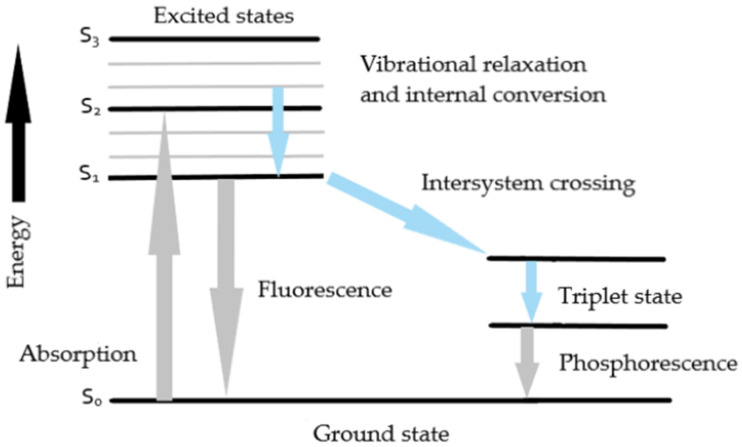 Figure 1
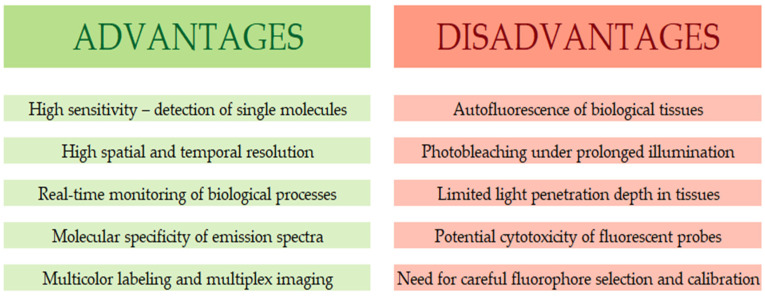 Figure 2
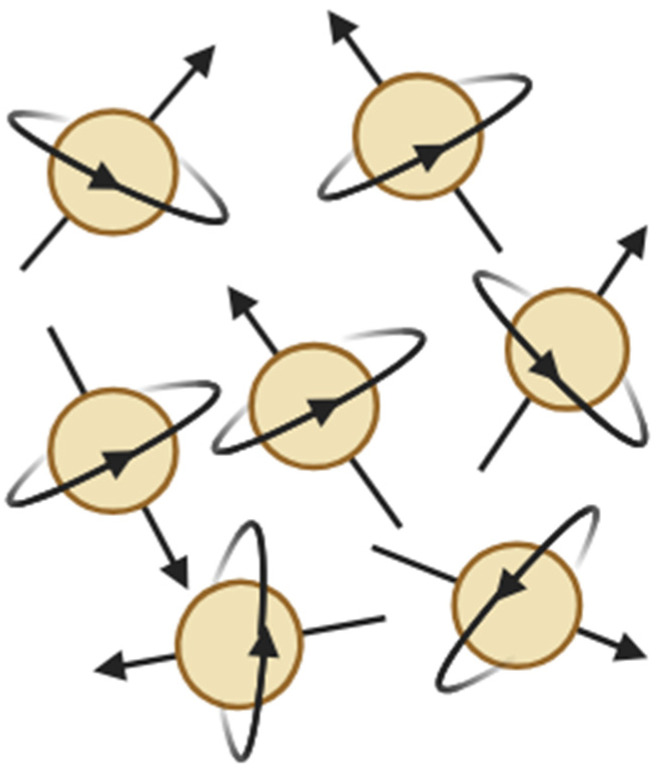 Figure 3
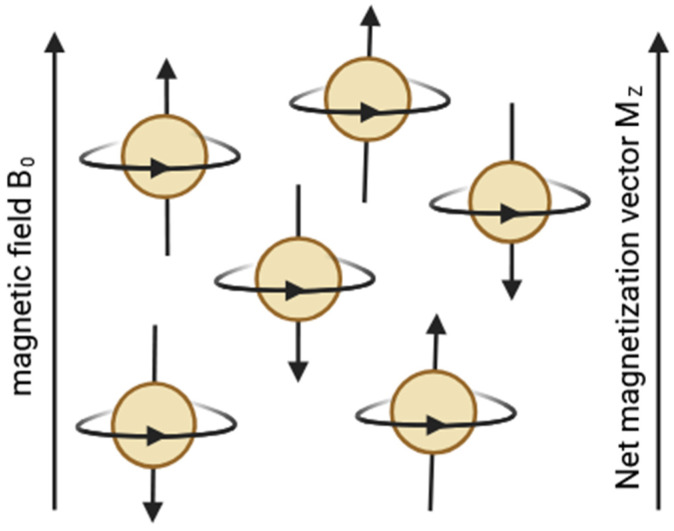 Figure 4
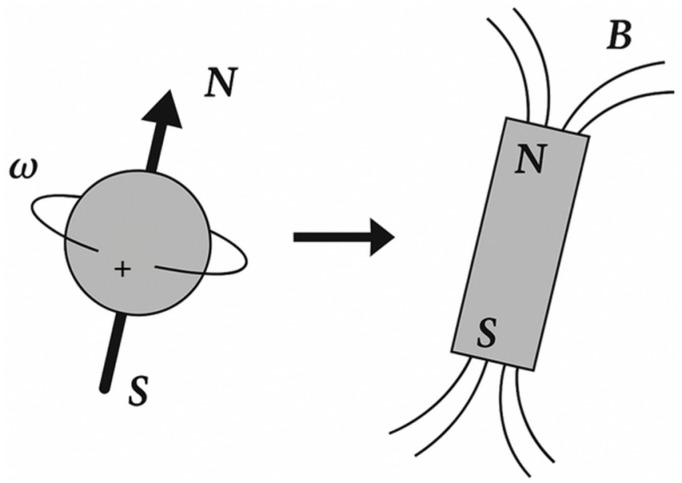 Figure 5
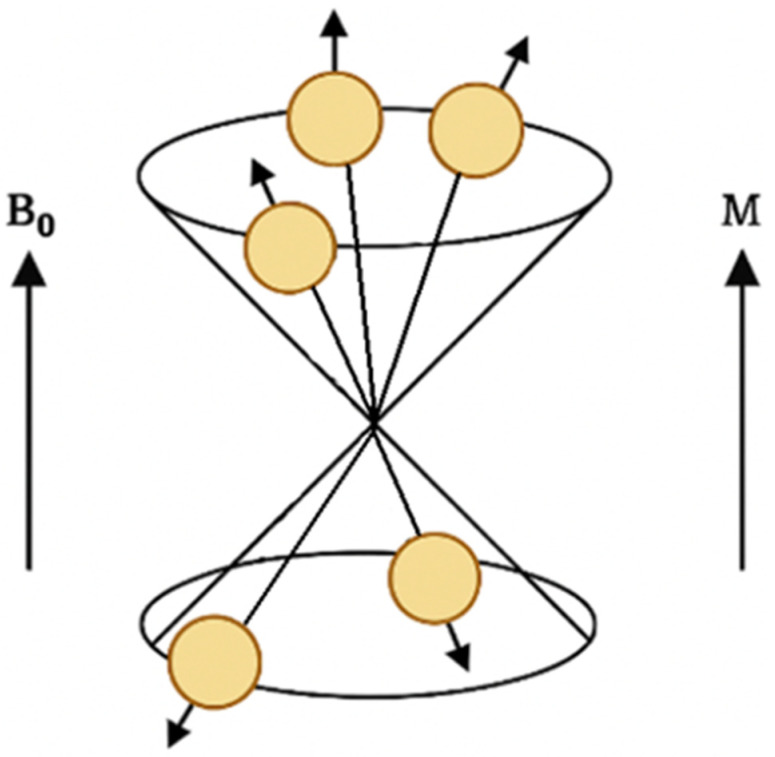 Figure 6
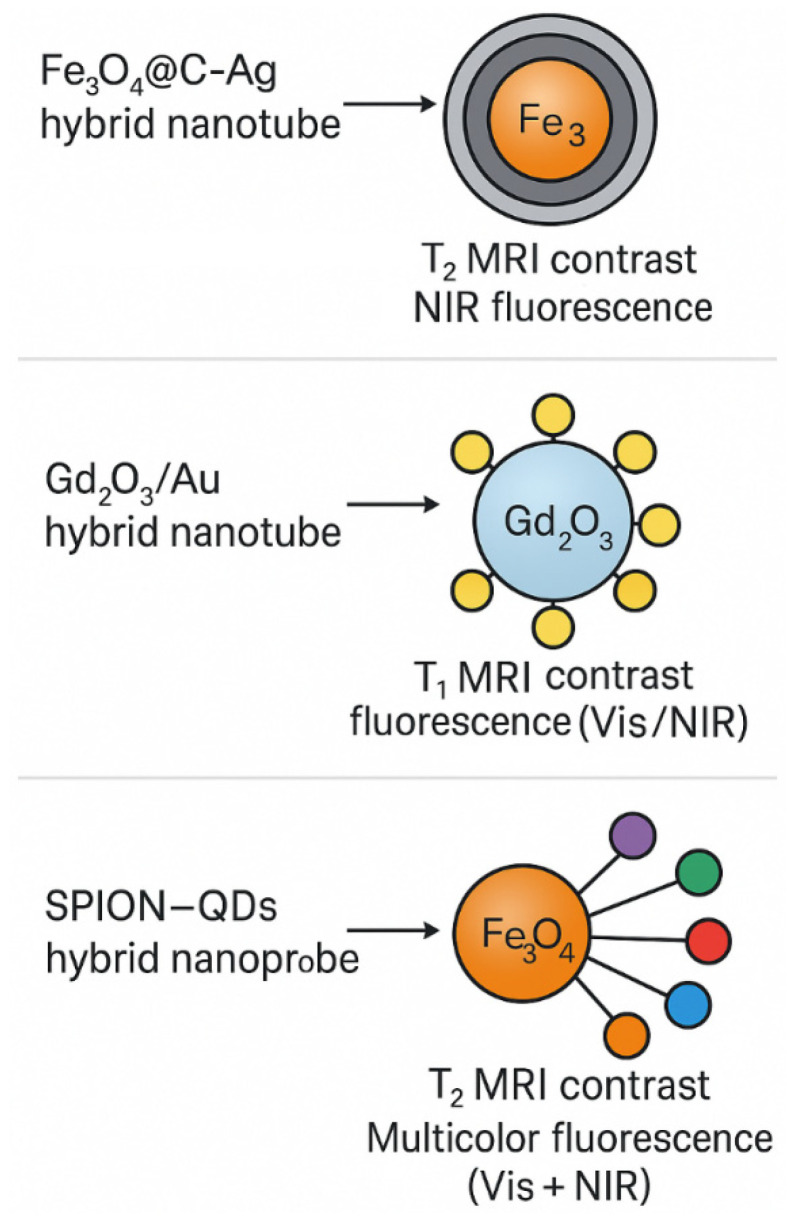 Figure 7
Peer Reviews
No public reviews on file for this paper yet. If you reviewed it on a platform where reviews are public (OpenReview, ICLR, NeurIPS, ICML), you can paste yours below so the community can read it here.
Videos
No videos yet. Explain this paper in a talk, walkthrough, or lecture? Add one.
Taxonomy
TopicsNanoparticle-Based Drug Delivery · Nanoplatforms for cancer theranostics · Lanthanide and Transition Metal Complexes