Rehabilitation After Severe Traumatic Brain Injury with Acute Symptomatic Seizure: Neurofeedback and Motor Therapy in a 6-Month Follow-Up Case Study
Annamaria Leone, Luna Digioia, Rosita Paulangelo, Nicole Brugnera, Luciana Lorenzon, Fabiana Montenegro, Pietro Fiore, Petronilla Battista, Stefania De Trane, Gianvito Lagravinese

TL;DR
This case study shows that combining neurofeedback with motor therapy can improve cognitive and motor recovery in a TBI patient with early seizures.
Contribution
The study demonstrates sustained benefits of neurofeedback and motor therapy in a TBI patient with acute symptomatic seizures.
Findings
qEEG showed reduced Delta and Theta power, indicating improved neural activation and cortical stability.
Neuropsychological improvements in cognition, memory, and visuospatial skills were maintained at 6-month follow-up.
Motor performance and functional independence improved significantly after the combined therapy.
Abstract
Background/Objectives: Post-traumatic epileptogenesis is a frequent and clinically relevant consequence of traumatic brain injury (TBI), often contributing to worsened neurological and functional outcomes. In patients experiencing early post-injury seizures, rehabilitative strategies that support recovery while considering increased epileptogenic risk are needed. This case study explores the potential benefits of combining neurofeedback (NFB) with motor therapy on cognitive and motor recovery. Methods: A patient hospitalized for severe TBI who experienced an acute symptomatic seizure in the early post-injury phase underwent baseline quantitative EEG (qEEG), neuromotor, functional, and neuropsychological assessments. The patient then completed a three-week rehabilitation program (five days/week) including 30 sensorimotor rhythm (SMR) NFB sessions (35 min each) combined with daily…
Genes, proteins, chemicals, diseases, species, mutations and cell lines named across the full text — each resolved to its canonical identifier and authoritative record.
Click any figure to enlarge with its caption.
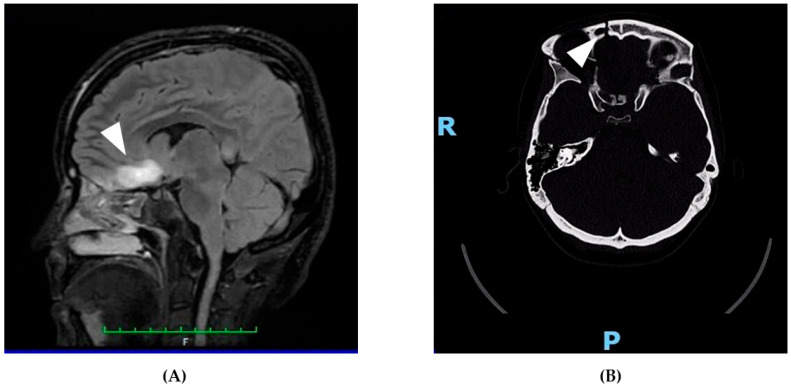 Figure 1
Peer Reviews
No public reviews on file for this paper yet. If you reviewed it on a platform where reviews are public (OpenReview, ICLR, NeurIPS, ICML), you can paste yours below so the community can read it here.
Videos
No videos yet. Explain this paper in a talk, walkthrough, or lecture? Add one.
Taxonomy
TopicsTraumatic Brain Injury Research · EEG and Brain-Computer Interfaces · Traumatic Brain Injury and Neurovascular Disturbances