Complexed Linalool with Beta-Cyclodextrin Improve Antihypertensive Activity: Pharmacokinetic and Pharmacodynamic Insights
Samuel Camargo, Carla Medeiros, Liliane Silva, Rafael Leonne Jesus, Fênix Araujo, Daniele Brito, Quiara Alves, Raiana Moraes, Valdeene Santos, Francine Azeredo, Adriano Araújo, Lucindo Quintans-Júnior, Darizy Silva

TL;DR
A linalool complex with beta-cyclodextrin improves linalool's effectiveness in treating hypertension in rats, offering better absorption and long-term benefits.
Contribution
The study introduces a beta-cyclodextrin complex of linalool that significantly enhances its bioavailability and antihypertensive effects in a chronic model.
Findings
Complexation with beta-cyclodextrin increased linalool's plasma exposure and bioavailability by about 20-fold.
Oral LIN/β-CD showed superior and sustained antihypertensive effects compared to free linalool in hypertensive rats.
LIN/β-CD improved endothelial and smooth muscle function and reduced cardiac mass index in treated animals.
Abstract
Background: Arterial hypertension (AH) remains a global health concern due to its multifactorial etiology, limited therapeutic success, and high cardiovascular risk. In this context, plant-derived compounds such as essential oils have gained attention as alternative strategies. The monoterpene (-)-linalool (LIN) demonstrates antihypertensive effects. However, its clinical application is hampered by poor solubility and low bioavailability. Methods: This study aimed to investigate the chronic cardiovascular effects of free LIN and its inclusion complex with β-cyclodextrin (LIN/β-CD) in spontaneously hypertensive rats (SHR) and normotensive Wistar rats. Results: Pharmacokinetic analysis showed that complexation with β-CD markedly improved LIN plasma exposure, increasing systemic bioavailability by approximately 20-fold and prolonging its circulation time. In acute assays, intravenous LIN…
Genes, proteins, chemicals, diseases, species, mutations and cell lines named across the full text — each resolved to its canonical identifier and authoritative record.
Click any figure to enlarge with its caption.
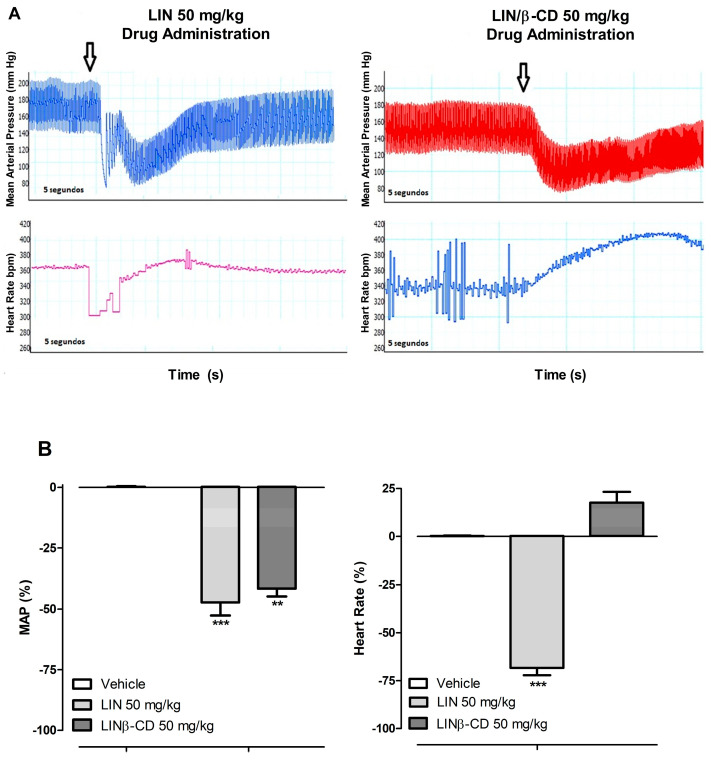 Figure 1
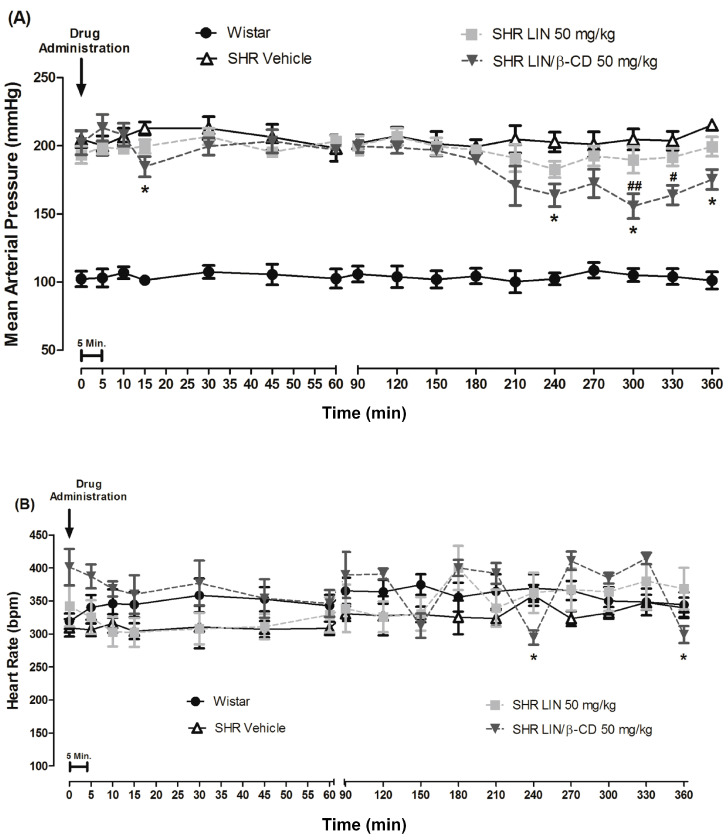 Figure 2
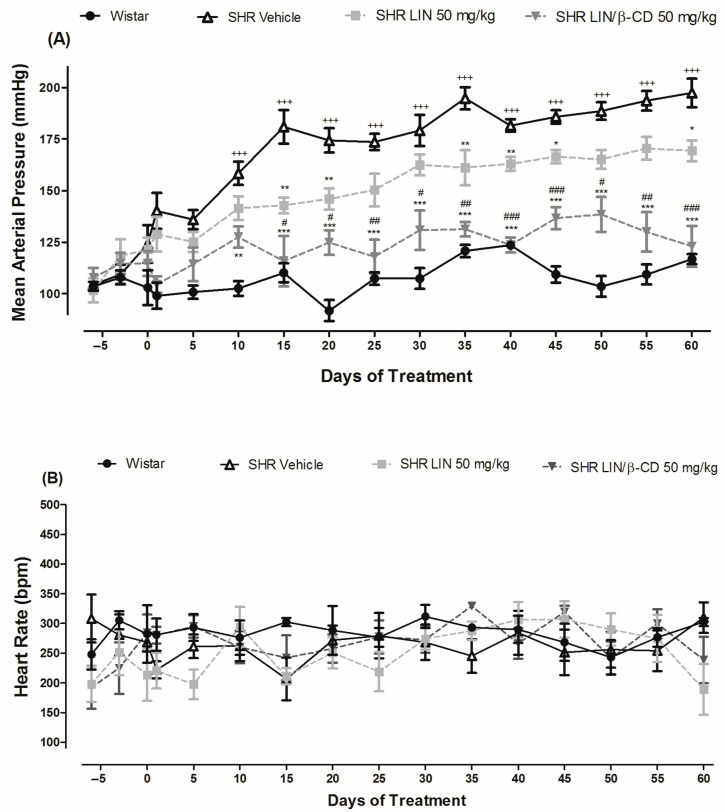 Figure 3
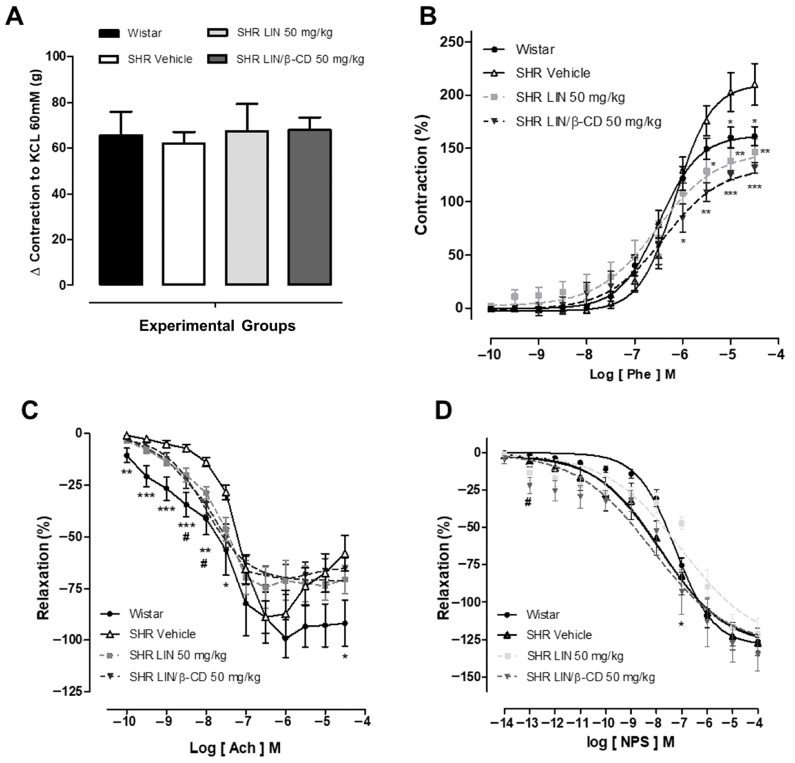 Figure 4
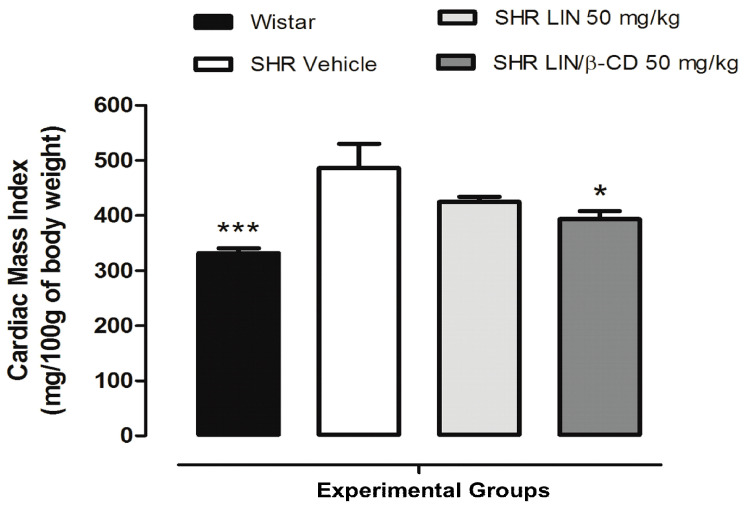 Figure 5
 Figure 6
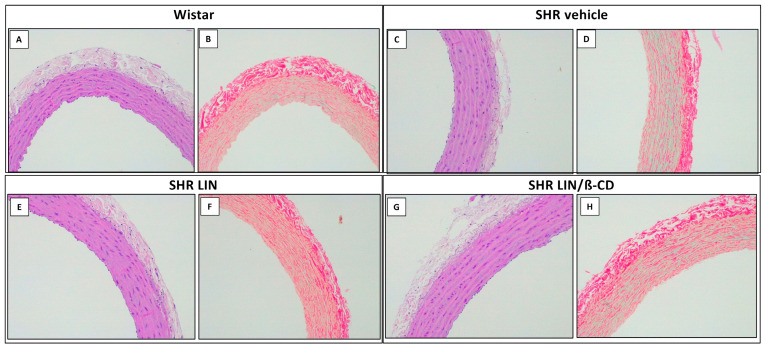 Figure 7
Peer Reviews
No public reviews on file for this paper yet. If you reviewed it on a platform where reviews are public (OpenReview, ICLR, NeurIPS, ICML), you can paste yours below so the community can read it here.
Videos
No videos yet. Explain this paper in a talk, walkthrough, or lecture? Add one.
Taxonomy
TopicsCynara cardunculus studies · Essential Oils and Antimicrobial Activity · Morinda citrifolia extract uses