A New Trichlorinated Xanthone and Compounds Isolated from Cladonia skottsbergii with Antimicrobial Properties
Marvin J. Rositzki, Achara Raksat, Charles J. Simmons, Clifford Smith, Reverend Danette V. Choi, Supakit Wongwiwatthananukit, Leng Chee Chang

TL;DR
This study discovers a new antimicrobial compound from a Hawaiian lichen, which shows promise against drug-resistant bacteria.
Contribution
A new trichlorinated xanthone, clarosione, was isolated and characterized from Cladonia skottsbergii.
Findings
Compounds (S)-usnic acid and perlatolic acid showed strong inhibition against MRSA and MSSA with MICs of 2–4 µg/mL.
Cytotoxicity testing revealed higher sensitivity in A549 cells, indicating favorable selectivity indices for the active compounds.
The new compound clarosione expands the known chemical profile of C. skottsbergii and its potential for antibacterial applications.
Abstract
Background/Objectives: The global rise in multidrug-resistant (MDR) bacteria, particularly methicillin-resistant and methicillin-susceptible Staphylococcus aureus (MRSA and MSSA), continues to pose a major public health challenge, including in Hawaii. This underscores the need to discover new antimicrobial agents from natural sources. Guided by teachings from a Buddhist master regarding the medicinal value of lichens, we investigated the endemic Hawaiian lichen Cladonia skottsbergii. Methods: Specimens of C. skottsbergii were collected from the Lotus Buddhist Monastery in Mountain View, Hawaii. A methanolic extract was prepared and purified using chromatographic techniques, and compound structures were elucidated through spectroscopic analyses and single-crystal X-ray diffraction. The antibacterial activity of the compounds was assessed against Gram-positive strains (MRSA, MSSA) and…
Genes, proteins, chemicals, diseases, species, mutations and cell lines named across the full text — each resolved to its canonical identifier and authoritative record.
Click any figure to enlarge with its caption.
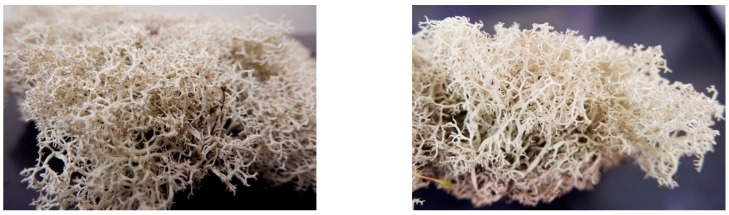 Figure 1
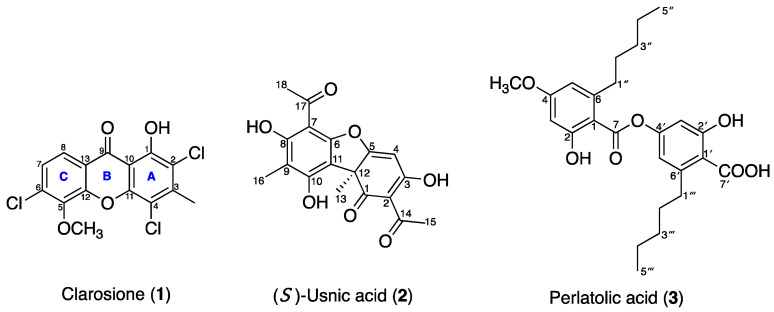 Figure 2
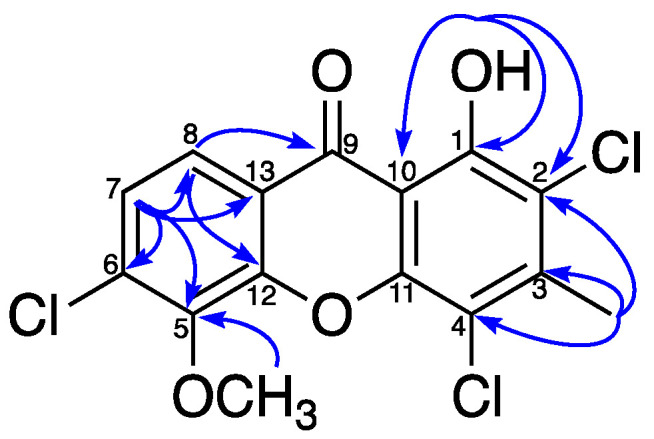 Figure 3
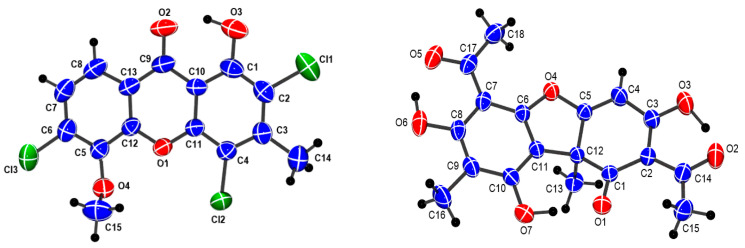 Figure 4
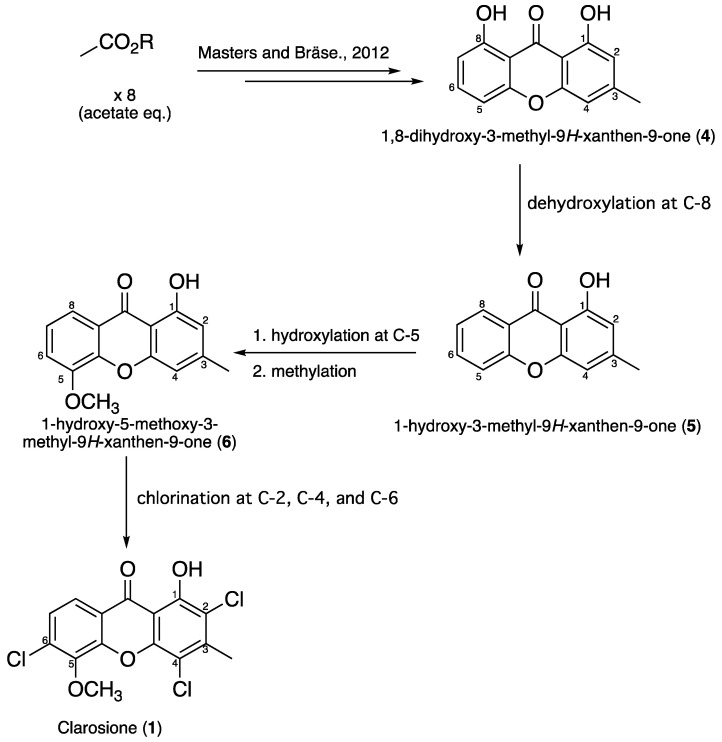 Figure 5
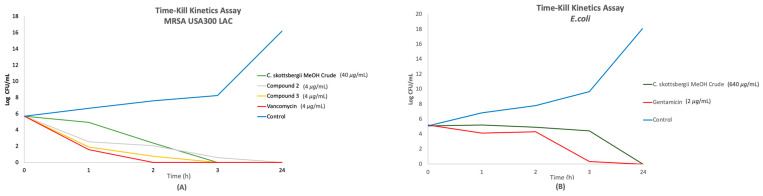 Figure 6
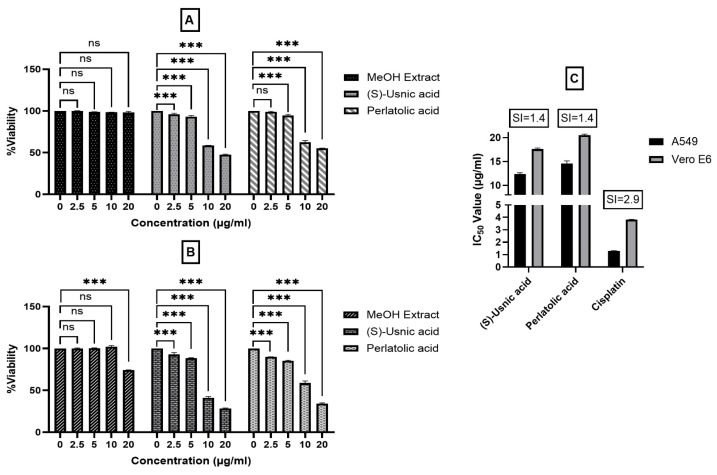 Figure 7
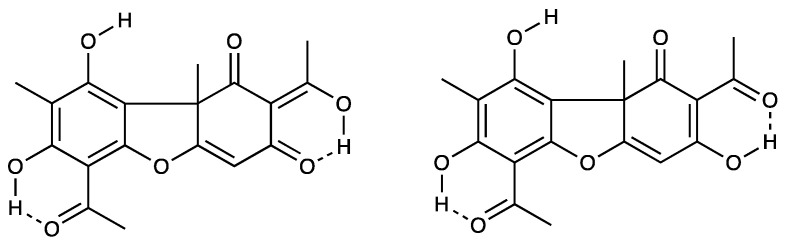 Figure 8
Peer Reviews
No public reviews on file for this paper yet. If you reviewed it on a platform where reviews are public (OpenReview, ICLR, NeurIPS, ICML), you can paste yours below so the community can read it here.
Videos
No videos yet. Explain this paper in a talk, walkthrough, or lecture? Add one.
Taxonomy
TopicsLichen and fungal ecology · Biological Activity of Diterpenoids and Biflavonoids · Medicinal plant effects and applications