HPMC-ZnO Nanorods Enhance Hydrophilicity and Contact-Killing Activity on Polypropylene Meshes and Sutures
Sangita Jana, Akshit Malhotra, Honey Mittal, Sambuddha Chakraborty, Manika Khanuja, Gyanendra Singh, Ram Karan, Elvira Rozhina, Ashwini Chauhan

TL;DR
A new coating made of HPMC and ZnO nanorods improves the safety of surgical meshes and sutures by reducing bacterial adhesion and killing bacteria effectively.
Contribution
A novel HPMC-ZnO nanorod coating is developed to enhance the antibacterial and anti-adhesive properties of polypropylene medical devices.
Findings
The HPMC-ZnO coating reduced water contact angles by ~41°, significantly improving hydrophilicity.
The coating inhibited bacterial attachment by up to 99.6% for Klebsiella pneumoniae and showed long-term efficacy for six months.
In vivo tests showed negligible systemic toxicity of ZnO nanorods in murine models.
Abstract
Background: Biomedical device-associated infections pose major challenges in surgical care, particularly in hernia repair where polypropylene (PP) meshes and sutures are prone to bacterial colonization and biofilm formation. The limitations of antibiotic resistance and toxicity warrants the need of developing innovative antibacterial strategies. Methods: We developed a composite coating of hydroxypropyl methylcellulose (HPMC) and zinc oxide nanorods (ZnO NP) synthesized via thermal decomposition. This coating was applied to PP meshes and sutures to enhance anti-adhesive properties. The study evaluated surface hydrophilicity through water contact angles, estimation of Zn2+ ions using inductively coupled plasma–mass spectrometry (ICP-MS), and long-term efficacy over six months. Safety was assessed via systemic toxicity studies in murine models. Results: The ZnO NPs exhibited potent…
Genes, proteins, chemicals, diseases, species, mutations and cell lines named across the full text — each resolved to its canonical identifier and authoritative record.
Click any figure to enlarge with its caption.
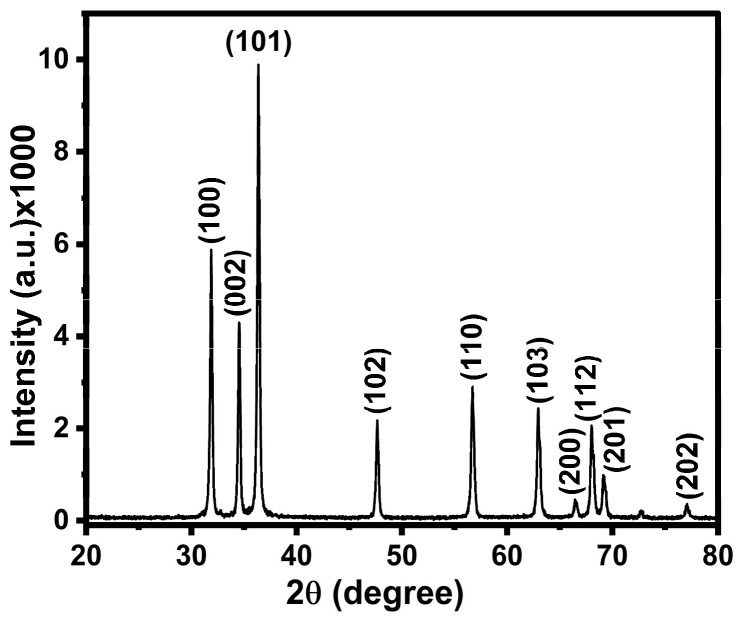 Figure 1
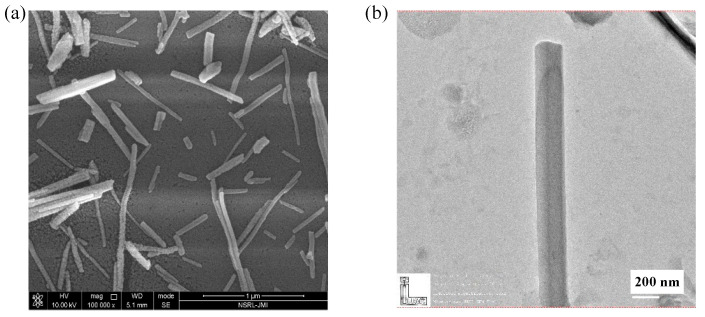 Figure 2
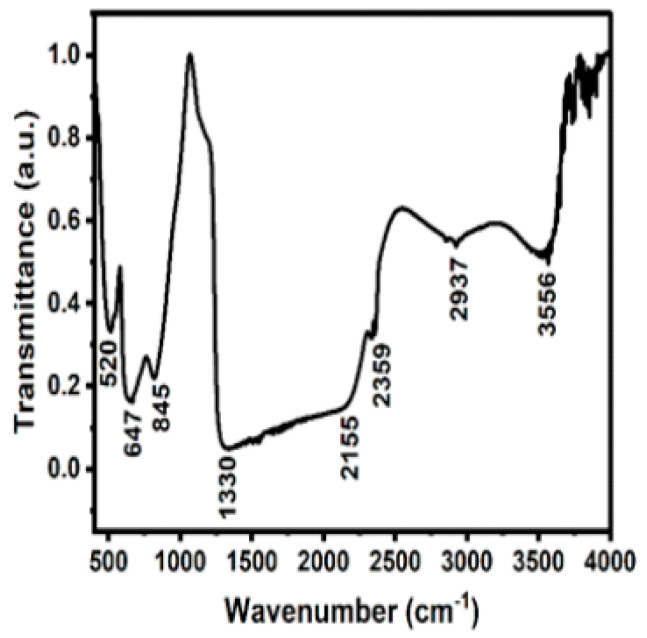 Figure 3
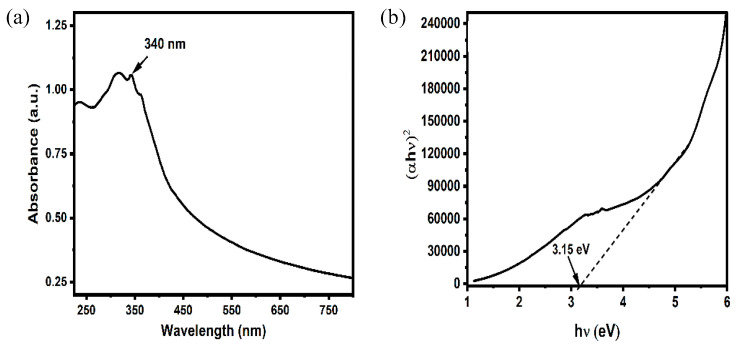 Figure 4
 Figure 5
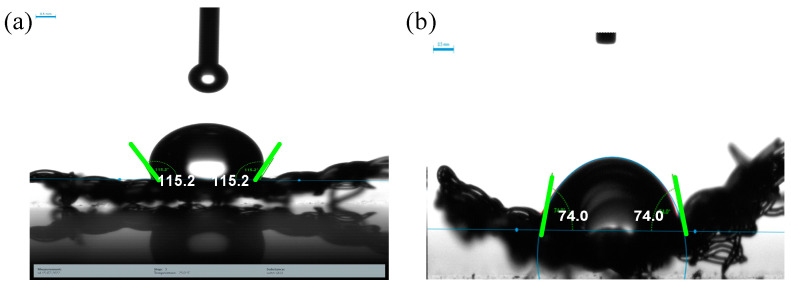 Figure 6
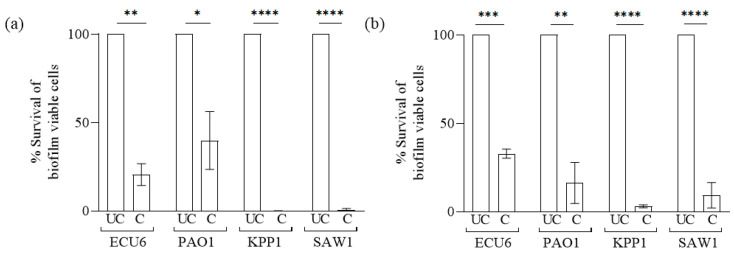 Figure 7
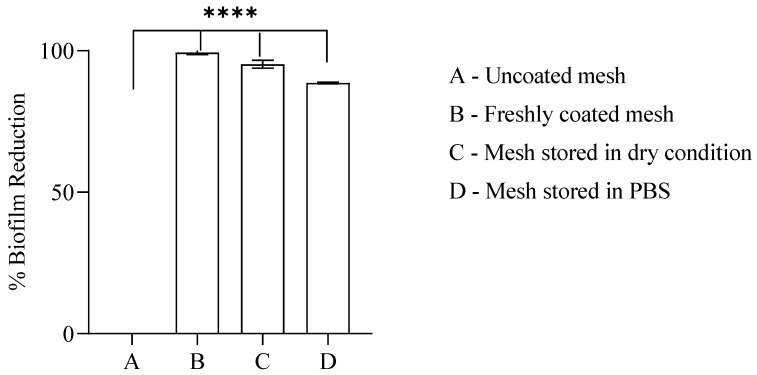 Figure 8
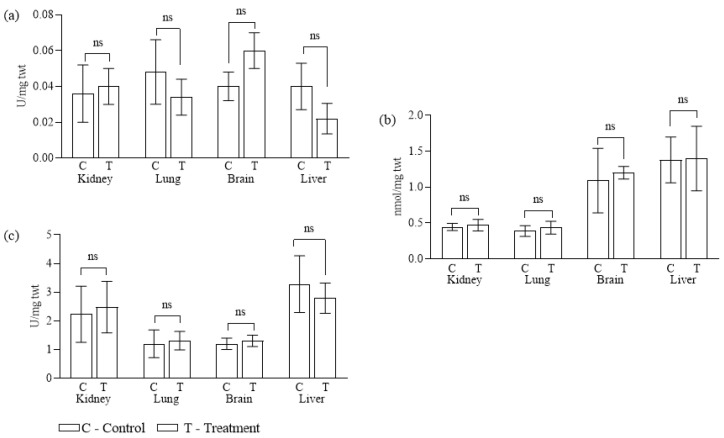 Figure 9
Peer Reviews
No public reviews on file for this paper yet. If you reviewed it on a platform where reviews are public (OpenReview, ICLR, NeurIPS, ICML), you can paste yours below so the community can read it here.
Videos
No videos yet. Explain this paper in a talk, walkthrough, or lecture? Add one.
Taxonomy
TopicsSurgical Sutures and Adhesives · Surface Modification and Superhydrophobicity · Polymer Surface Interaction Studies