Topical Delivery of Autochthonous Lactic Acid Bacteria Using Calcium Alginate Microspheres as a Probiotic Carrier System with Enhanced Therapeutic Potential
Sigita Jeznienė, Emilija Mikalauskienė, Aistė Jekabsone, Aušra Šipailienė

TL;DR
This study explores using local lactic acid bacteria in calcium alginate microspheres for topical probiotic applications, showing they can inhibit pathogens and survive in formulations.
Contribution
The study introduces a novel encapsulation method for topical probiotics using local LAB strains, enabling their survival in preservative-containing formulations.
Findings
LAB strains significantly inhibited pathogen biofilm formation, with complete inhibition in some cases.
L. reuteri 182 showed the highest adhesion rate to human keratinocyte cells at 77.94 ± 1.84%.
Encapsulation in calcium alginate microspheres protected LAB from preservatives, maintaining viability after 35 days.
Abstract
Background/Objectives: Three distinct strains of lactic acid bacteria (LAB), isolated from naturally fermented bread sourdough and representing the local autochthonous microflora, were selected to evaluate their potential probiotic properties. In addition, we evaluated whether these strains could be used in topical formulations. Methods: We evaluated probiotic properties such as the ability to co-aggregate with pathogens, antimicrobial activity, inhibition of pathogenic biofilms, and ability to adhere to human keratinocyte cells. Further, bacteria were encapsulated in calcium alginate microspheres using the emulsification/external gelation method, and their viability in topical formulations was assessed. Results: LAB significantly inhibited biofilm formation by the tested pathogens with complete inhibition observed in certain cases. The strength and specificity of these probiotic…
Genes, proteins, chemicals, diseases, species, mutations and cell lines named across the full text — each resolved to its canonical identifier and authoritative record.
Click any figure to enlarge with its caption.
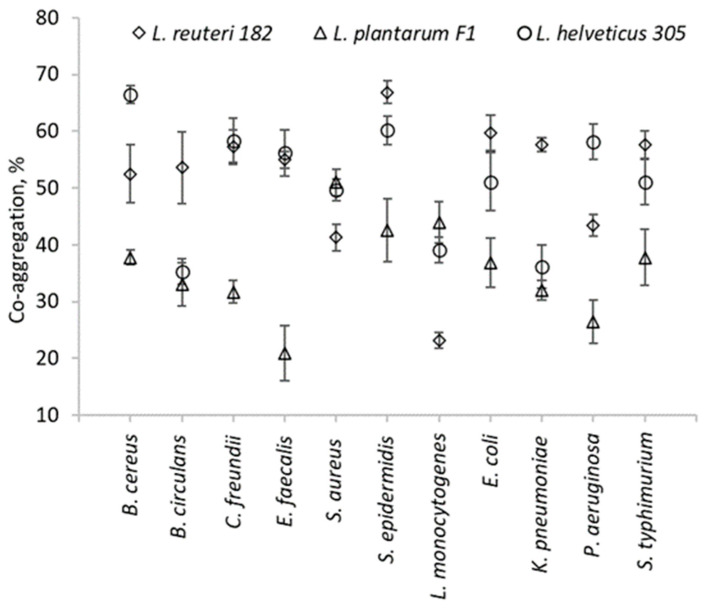 Figure 1
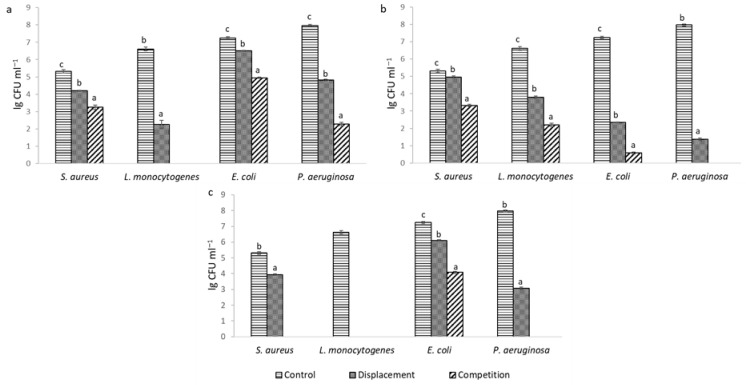 Figure 2
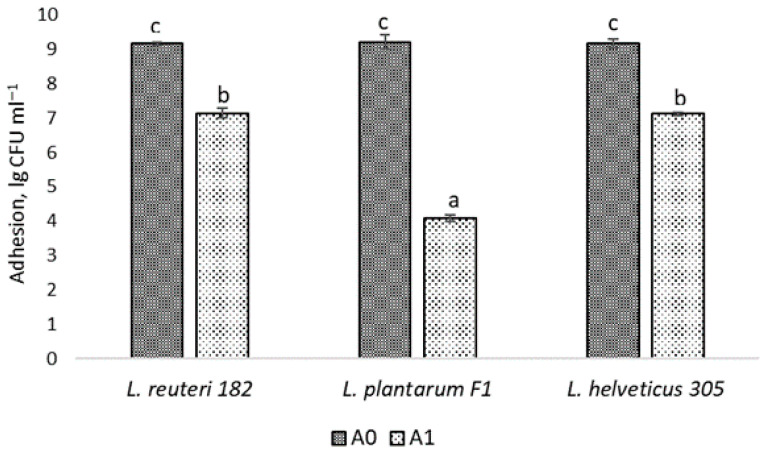 Figure 3
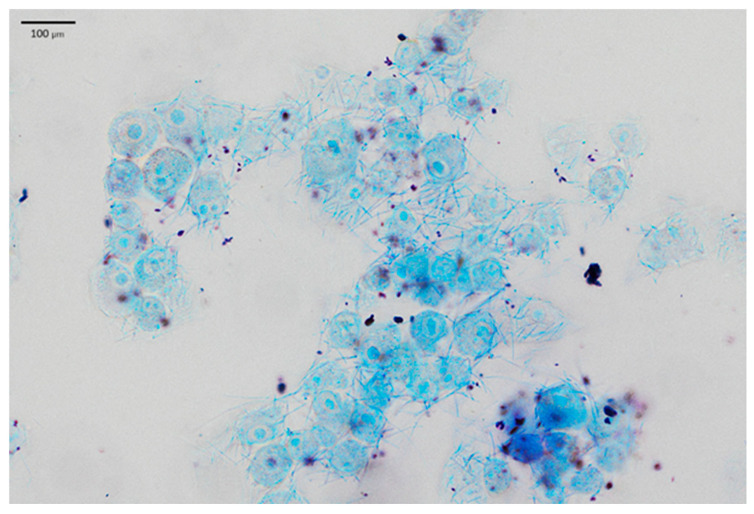 Figure 4
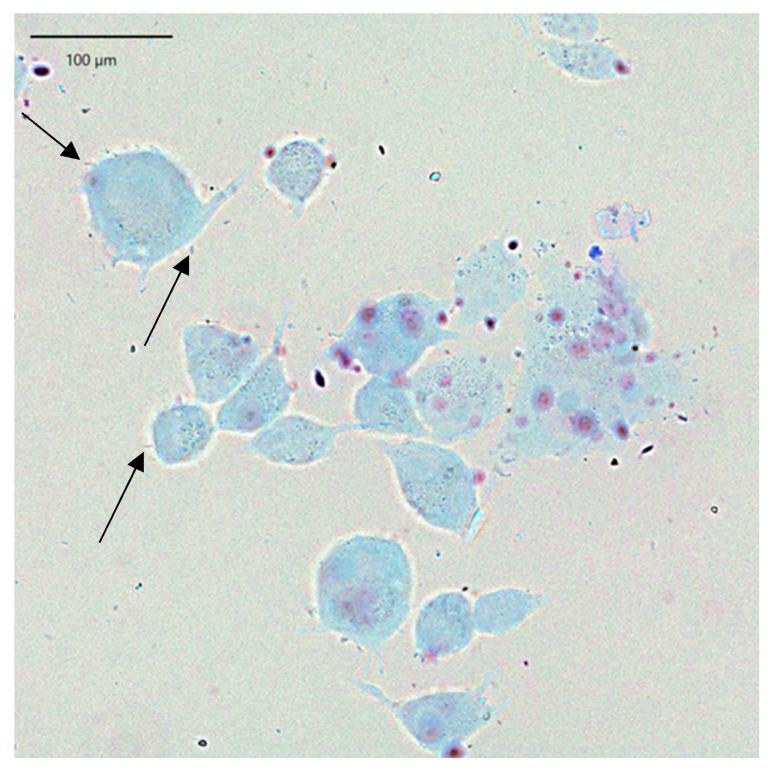 Figure 5
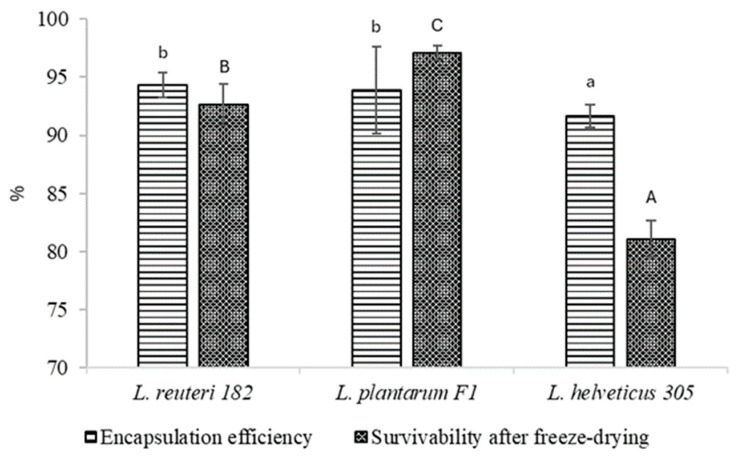 Figure 6
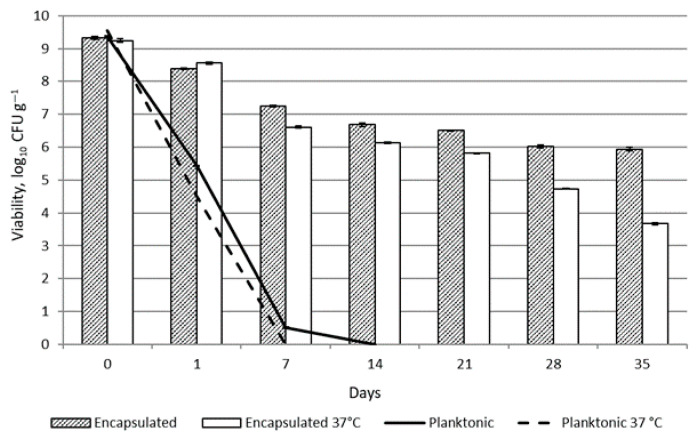 Figure 7
Peer Reviews
No public reviews on file for this paper yet. If you reviewed it on a platform where reviews are public (OpenReview, ICLR, NeurIPS, ICML), you can paste yours below so the community can read it here.
Videos
No videos yet. Explain this paper in a talk, walkthrough, or lecture? Add one.
Taxonomy
TopicsProbiotics and Fermented Foods · Microencapsulation and Drying Processes · Pediatric health and respiratory diseases