Preclinical Investigation of PLGA Nanocapsules and Nanostructured Lipid Carriers for Organoselenium Delivery: Comparative In Vitro Toxicological Profile and Anticancer Insights
Bianca Costa Maia-do-Amaral, Taís Baldissera Pieta, Luisa Fantoni Zanon, Gabriele Cogo Carneosso, Laísa Pes Nascimento, Nayra Salazar Rocha, Bruna Fracari do Nascimento, Letícia Bueno Macedo, Tielle Moraes de Almeida, Oscar Endrigo Dorneles Rodrigues, Scheila Rezende Schaffazick

TL;DR
This study explores new nanocarriers for delivering an organoselenium compound, showing potential to enhance cancer treatment by sensitizing drug-resistant cells.
Contribution
The novelty lies in combining organoselenium-loaded nanocarriers with conventional drugs to overcome cancer resistance.
Findings
The nanocarriers showed suitable physicochemical properties and biocompatibility.
Combining the nanocarriers with doxorubicin or docetaxel sensitized drug-resistant cancer cells.
The formulations exhibited significant cytotoxicity in A549 cells but not in resistant NCI/ADR-RES cells alone.
Abstract
Background/Objectives: Cancer is a major health concern involving abnormal cell growth. Combining anticancer agents can enhance efficacy and overcome resistance by targeting multiple pathways and creating synergistic effects. Methods: This study used in silico approaches to evaluate the physicochemical and pharmacokinetic profiles of the innovative organoselenium nucleoside analog Di3a, followed by the design of two nanocarriers. Di3a-loaded PLGA nanocapsules and nanostructured lipid carriers based on compritol were prepared and evaluated alone and combined with doxorubicin (DOX) and docetaxel (DTX) for a synergistic effect. Results: Di3a subtly violated some of Lipinski’s rules, but still showed suitable pharmacokinetic properties. Both nanoparticles presented nanometric size, negative zeta potential and polydispersity index values < 0.20. Hemolysis assay suggested a pH-dependent…
Genes, proteins, chemicals, diseases, species, mutations and cell lines named across the full text — each resolved to its canonical identifier and authoritative record.
Click any figure to enlarge with its caption.
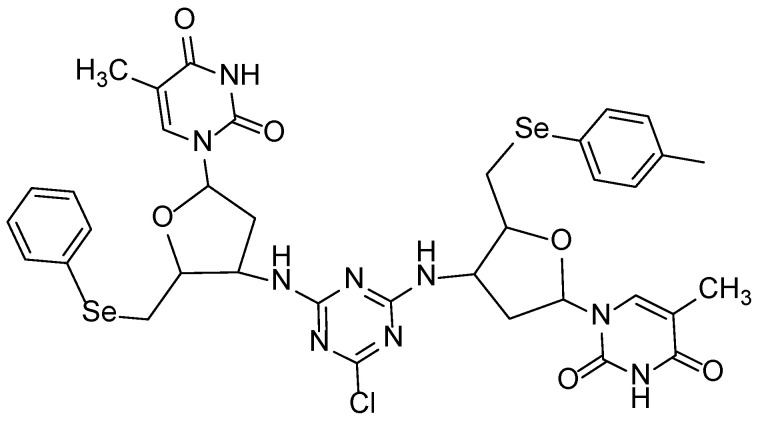 Figure 1
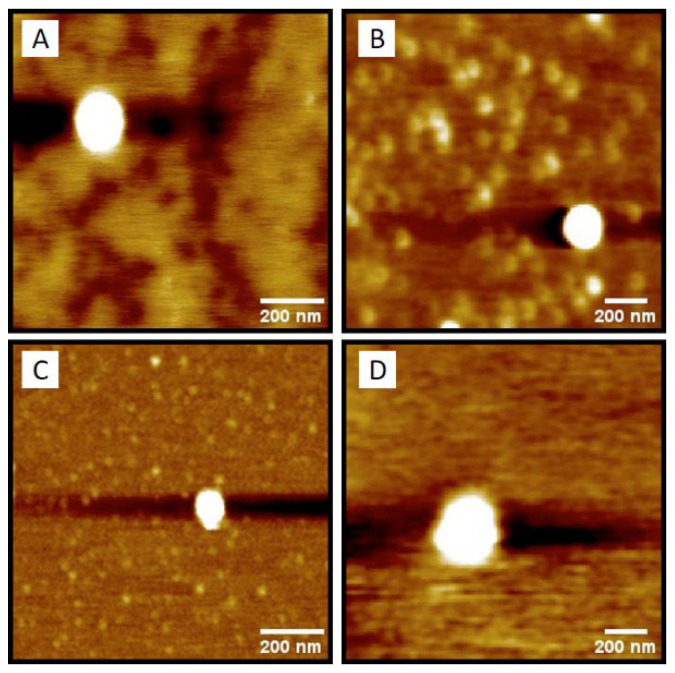 Figure 2
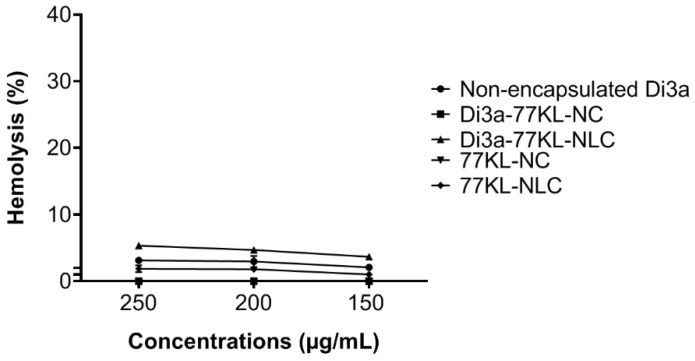 Figure 3
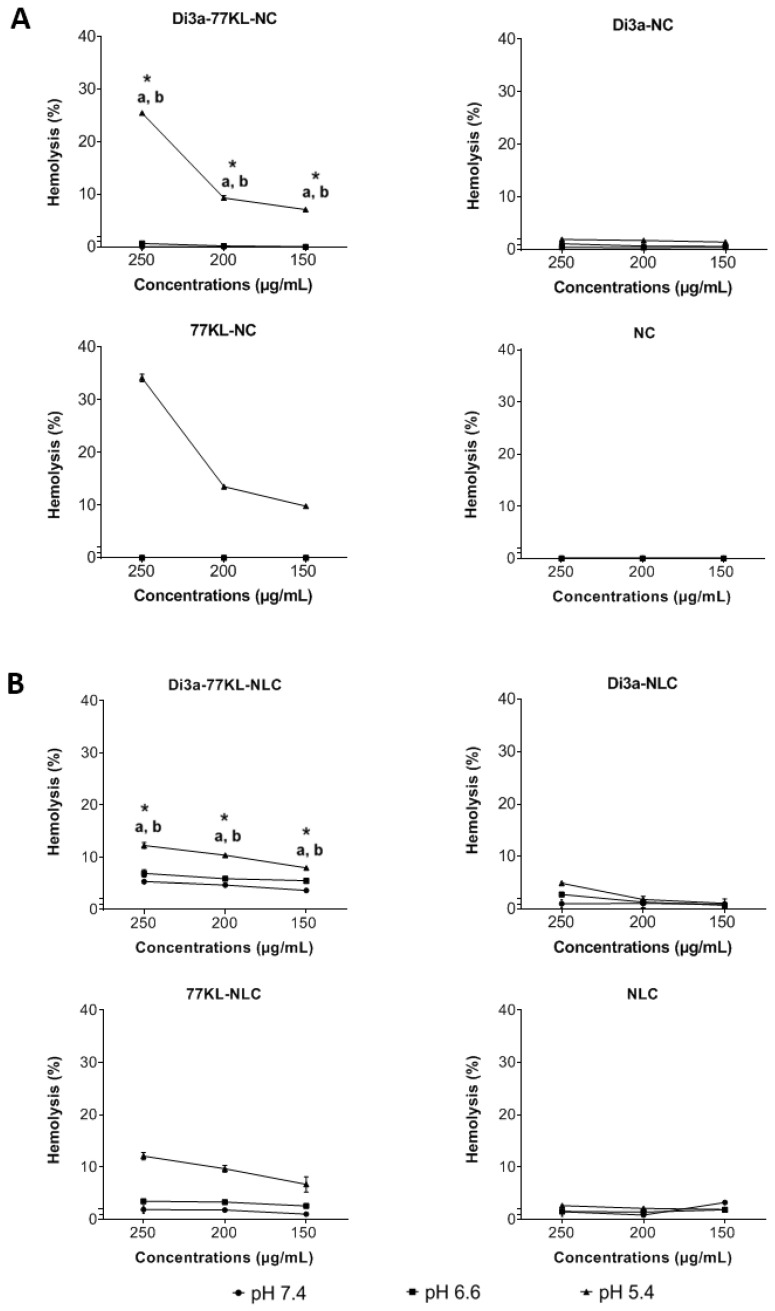 Figure 4
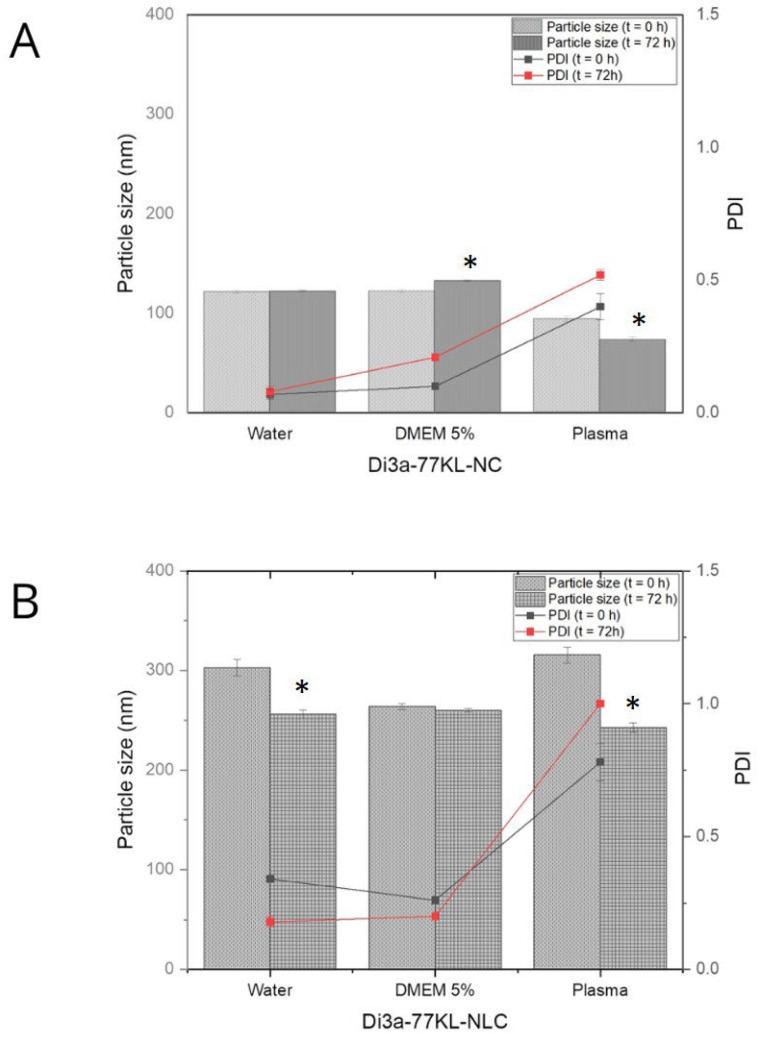 Figure 5
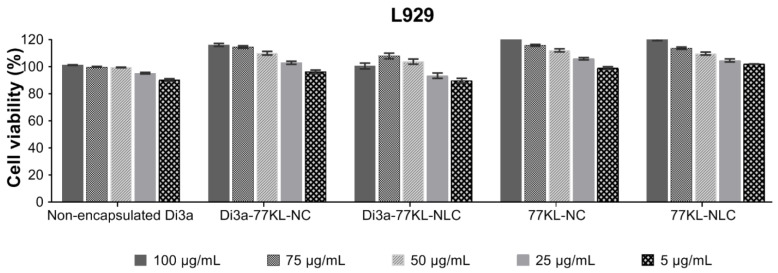 Figure 6
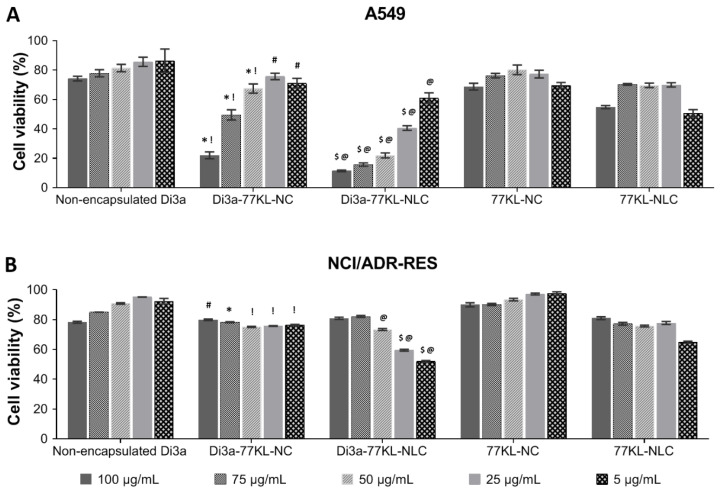 Figure 7
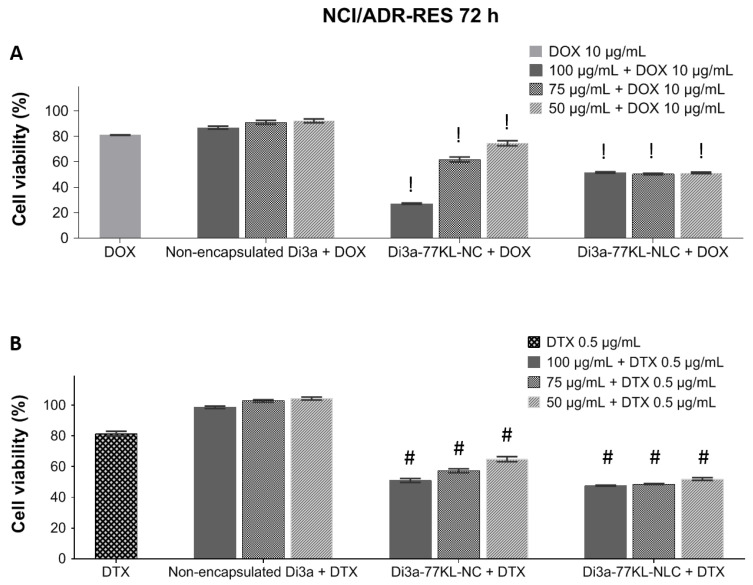 Figure 8
Peer Reviews
No public reviews on file for this paper yet. If you reviewed it on a platform where reviews are public (OpenReview, ICLR, NeurIPS, ICML), you can paste yours below so the community can read it here.
Videos
No videos yet. Explain this paper in a talk, walkthrough, or lecture? Add one.
Taxonomy
TopicsSelenium in Biological Systems · Thallium and Germanium Studies · Cancer Research and Treatment