Tilianin Attenuates Myocardial Ischemia–Reperfusion Injury by Targeting RIP3-Mediated Necroptosis
Ruifang Zheng, Jie Yang, Xuemeng Wang, Yuanyuan Jin, Yue Wang, Wenling Su, Naihong Chen, Shifeng Chu, Jianguo Xing, Ming Xu

TL;DR
Tilianin reduces heart damage after blood flow restoration by blocking a cell death pathway involving RIP3 and mitochondria.
Contribution
This study reveals that Tilianin inhibits RIP3-mediated necroptosis and mitochondrial dysfunction to protect against heart injury.
Findings
Tilianin reduces myocardial infarct size and histopathological injury in a rat model of MIRI.
Tilianin inhibits necroptosis in cardiomyocytes by suppressing RIP3 and MLKL phosphorylation.
Tilianin's protective effects are reversed by RIP3 overexpression and blocked by CaMKII inhibition.
Abstract
Background/Objectives: Necroptosis is a critical process in the pathogenesis of myocardial ischemia–reperfusion injury (MIRI). Tilianin (Til), a natural flavonoid glycoside derived from Dracocephalum moldavica L., exhibits significant therapeutic potential in cardiovascular diseases. However, its efficacy and mechanisms in mitigating necroptosis-induced MIRI remain incompletely understood. This study aimed to elucidate the molecular mechanisms by which Til regulates cardiomyocyte necroptosis to alleviate MIRI. Methods: A rat model of MIRI was established by ligating the left anterior descending coronary artery. Necroptosis in H9c2 cardiomyocytes was induced by oxygen–glucose deprivation/reoxygenation (H/R) combined with Z-VAD-FMK. Myocardial infarct size was assessed using 2,3,5-triphenyltetrazolium chloride (TTC) staining. Histopathological injury in cardiac tissue was examined by…
Genes, proteins, chemicals, diseases, species, mutations and cell lines named across the full text — each resolved to its canonical identifier and authoritative record.
Click any figure to enlarge with its caption.
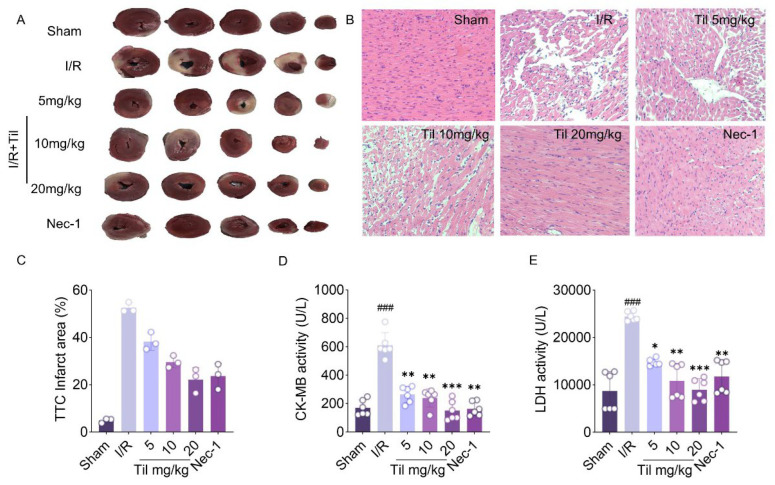 Figure 1
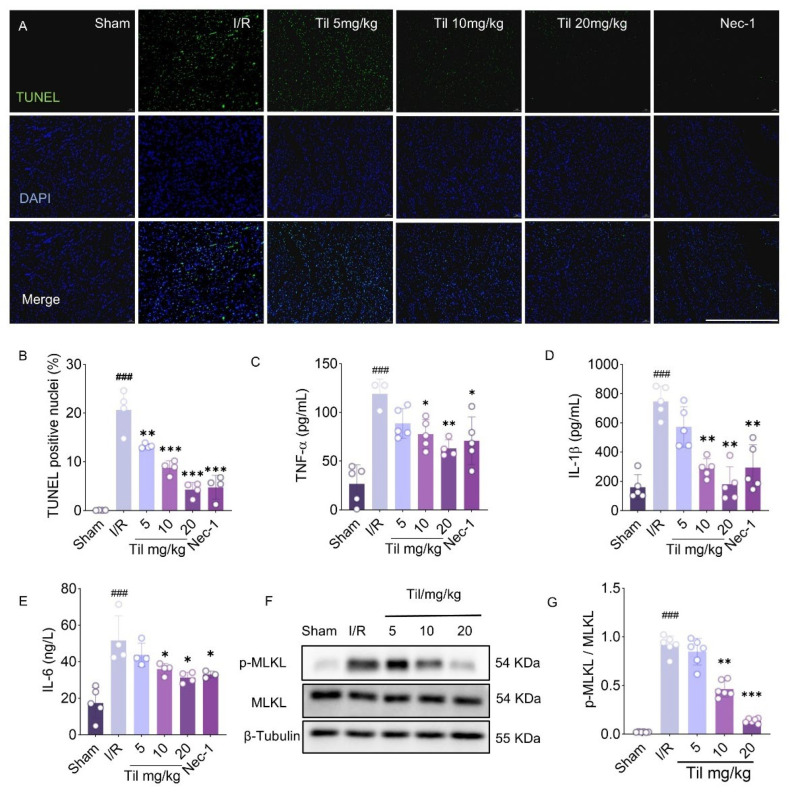 Figure 2
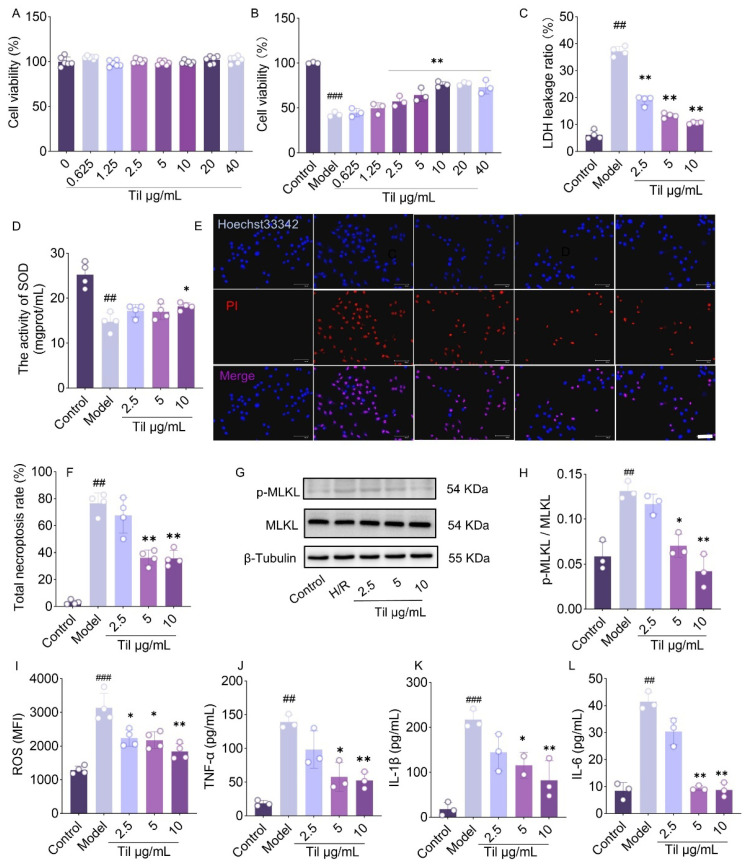 Figure 3
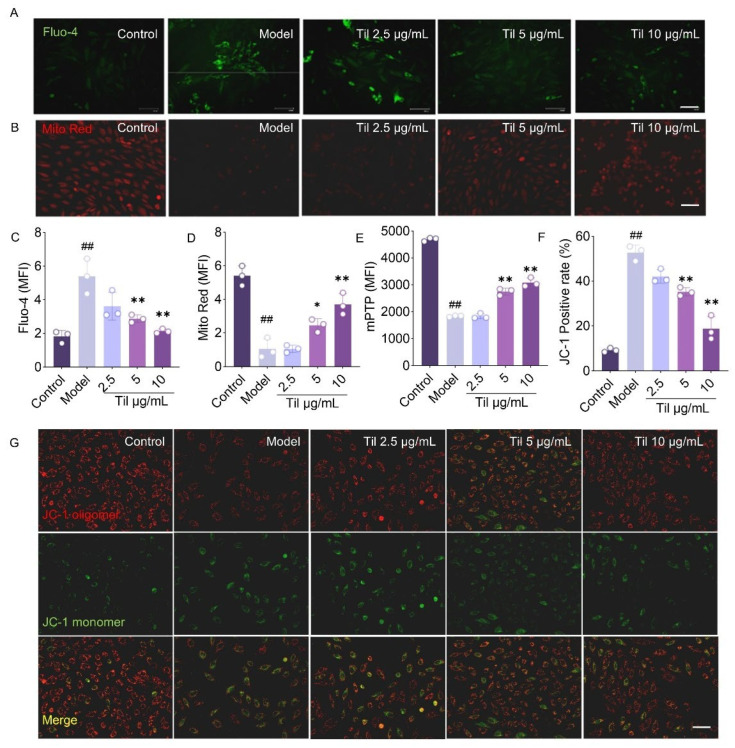 Figure 4
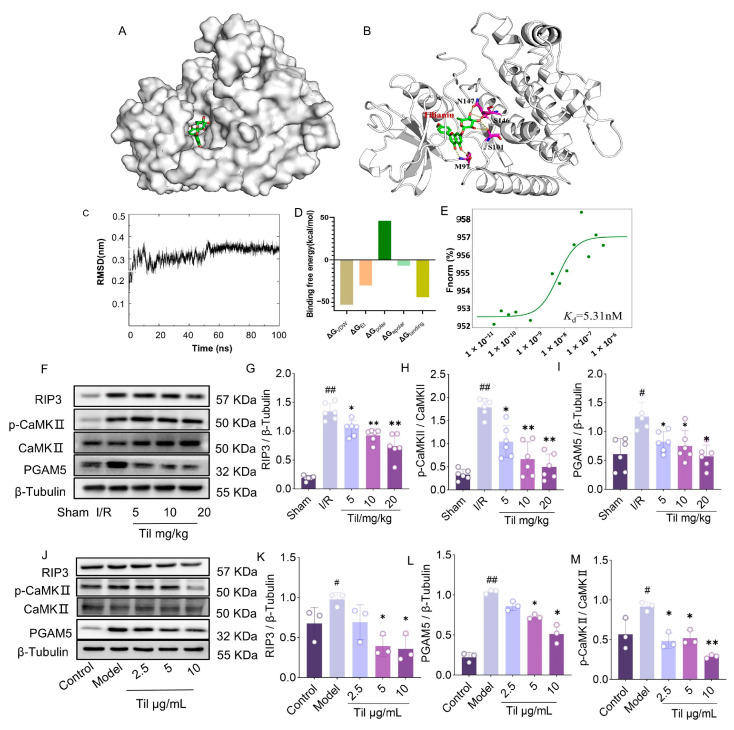 Figure 5
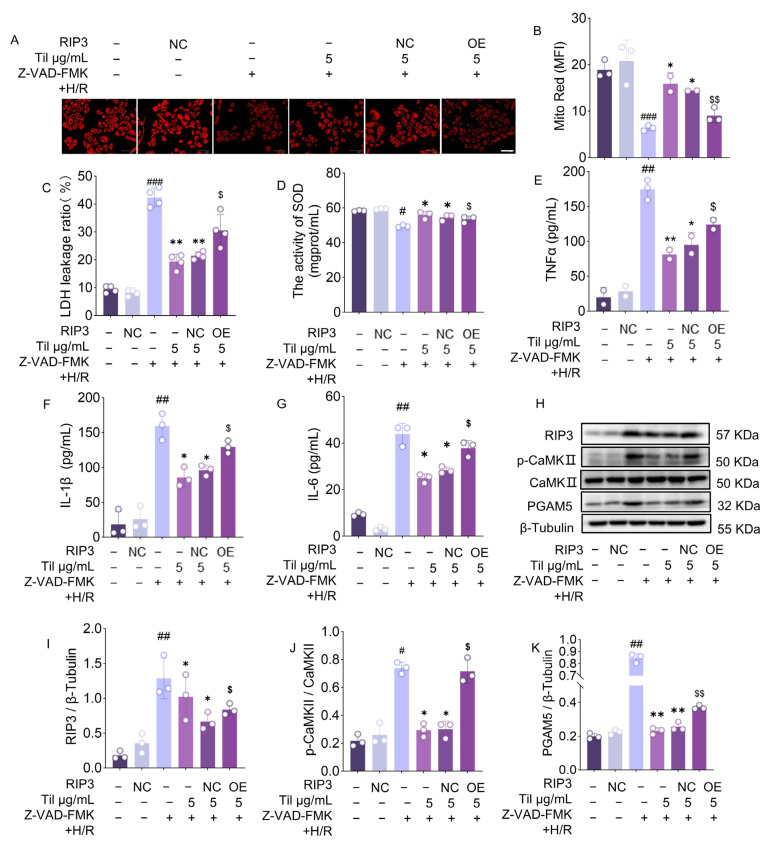 Figure 6
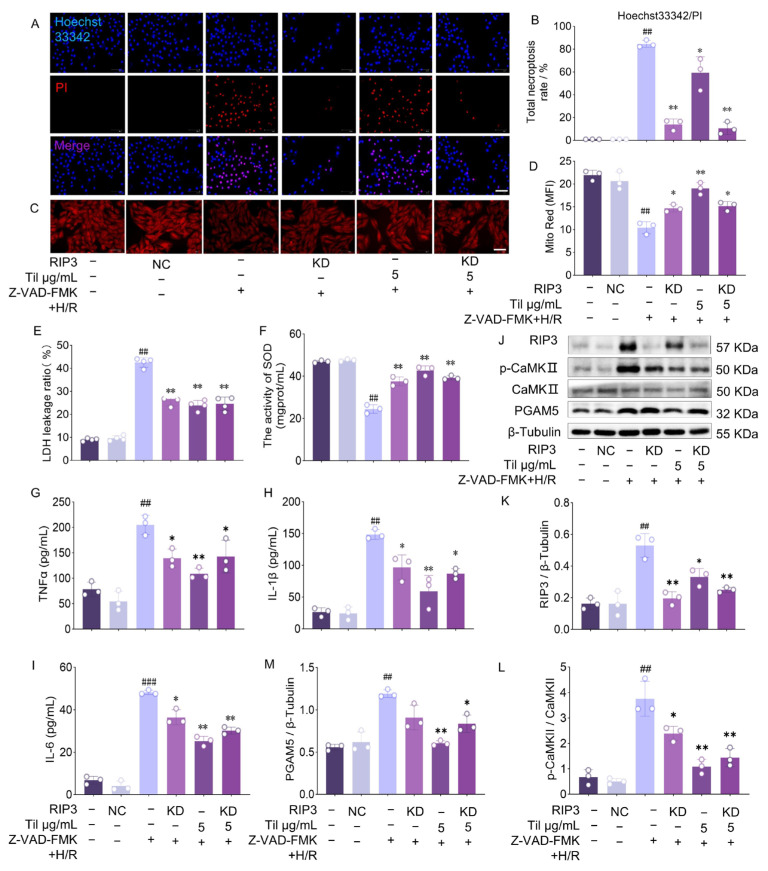 Figure 7
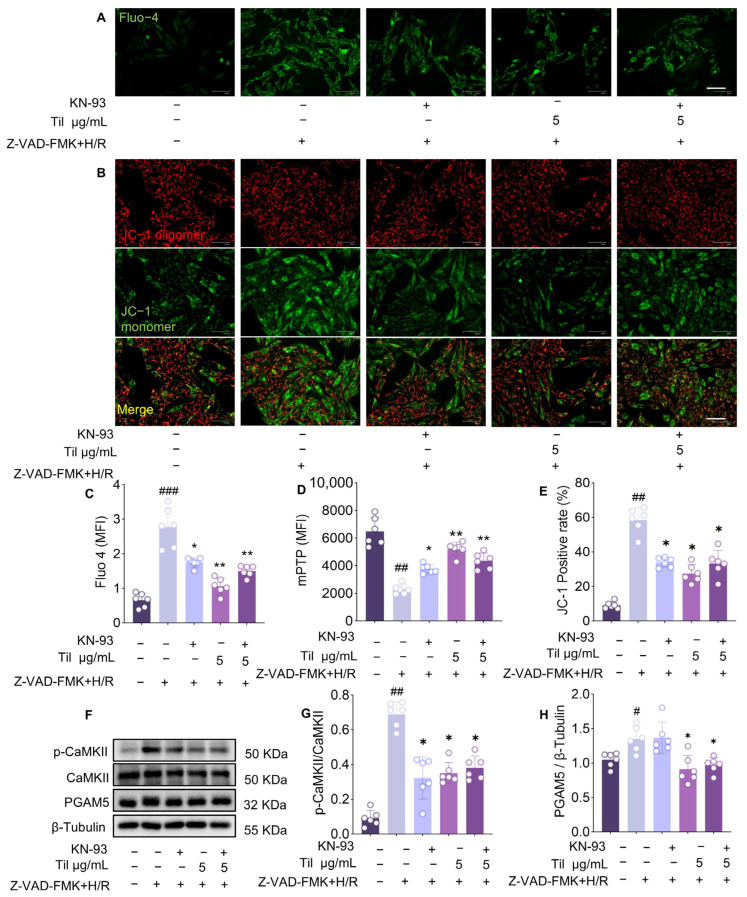 Figure 8
Peer Reviews
No public reviews on file for this paper yet. If you reviewed it on a platform where reviews are public (OpenReview, ICLR, NeurIPS, ICML), you can paste yours below so the community can read it here.
Videos
No videos yet. Explain this paper in a talk, walkthrough, or lecture? Add one.
Taxonomy
TopicsCell death mechanisms and regulation · Mitochondrial Function and Pathology · GDF15 and Related Biomarkers