Dihydroartemisinin Promotes N1 Polarization of Tumor-Associated Neutrophils and Enhances Their Anti-Tumor Activity via Hub Gene Modulation
Wenjia Guo, Yu’e Liu, Wencong Ma, Jinghan Wang, Bingdi Chen, Lieying Fan

TL;DR
This study shows that dihydroartemisinin (DHA) can shift tumor-associated neutrophils toward an anti-tumor state, potentially improving cancer treatment.
Contribution
The paper identifies DHA as a novel agent that modulates tumor-associated neutrophil polarization through specific hub gene regulation.
Findings
DHA promotes N1 polarization of neutrophil-like cells by upregulating anti-tumor markers like TNF and IL1B.
DHA-treated cells show enhanced cytotoxic activity against hepatocellular carcinoma cells.
Molecular docking suggests DHA interacts with key hub proteins involved in TAN polarization.
Abstract
Background: Tumor-associated neutrophils (TANs) exhibit remarkable functional plasticity within tumor microenvironment (TME), with N1-like subtypes promoting anti-tumor immunity and N2-like subtypes facilitating tumor progression. Despite their critical role in cancer immunology, strategies to selectively modulate TAN polarization remain limited. Methods: We integrated transcriptomic analyses of TAN subtypes to identify potential hub molecules. Molecular docking and experimental assays were used to evaluate DHA’s effect on neutrophil-like cell polarization. Results: Hub genes (TNF, IL1B, PTGS2, BCL2A1, MSR1, ACOD1, CXCL16, CLEC10A, and SOCS3) were identified, with TNF serving as a potential core regulator. Molecular docking indicated that DHA forms stable interactions hub proteins. Experimentally, DHA treatment of neutrophil-like dNB4 cells promoted N1 polarization, evidenced by…
Genes, proteins, chemicals, diseases, species, mutations and cell lines named across the full text — each resolved to its canonical identifier and authoritative record.
Click any figure to enlarge with its caption.
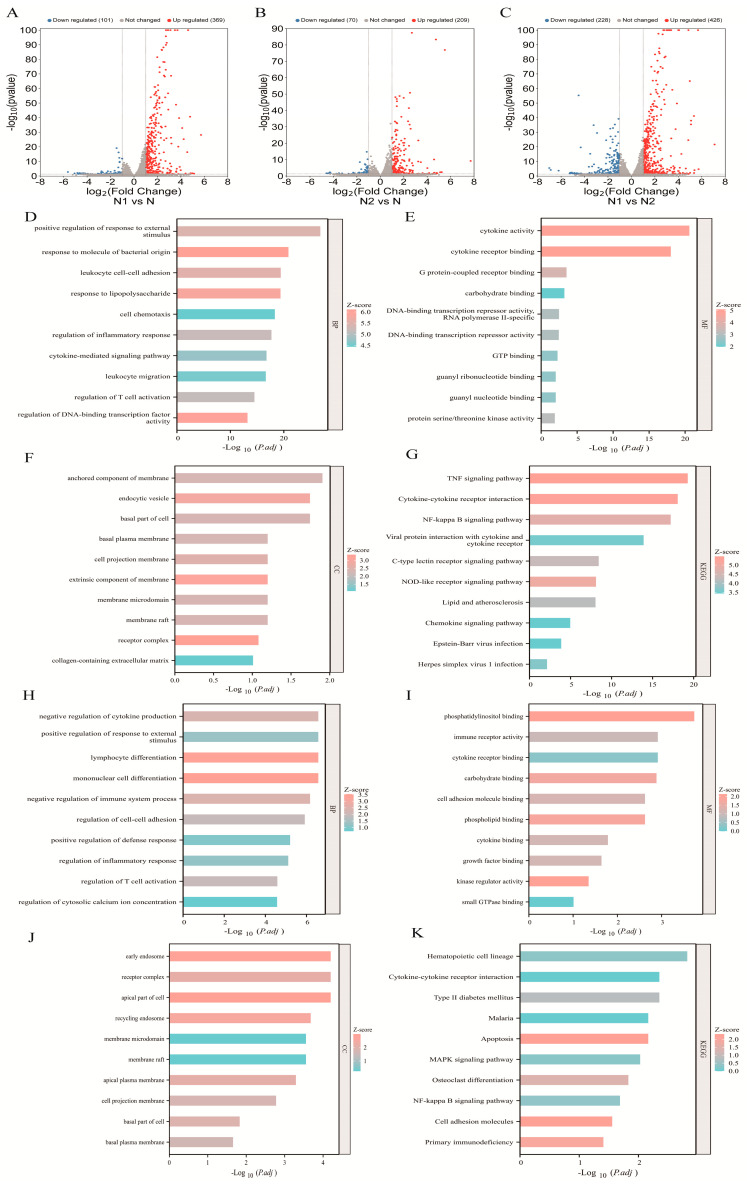 Figure 1
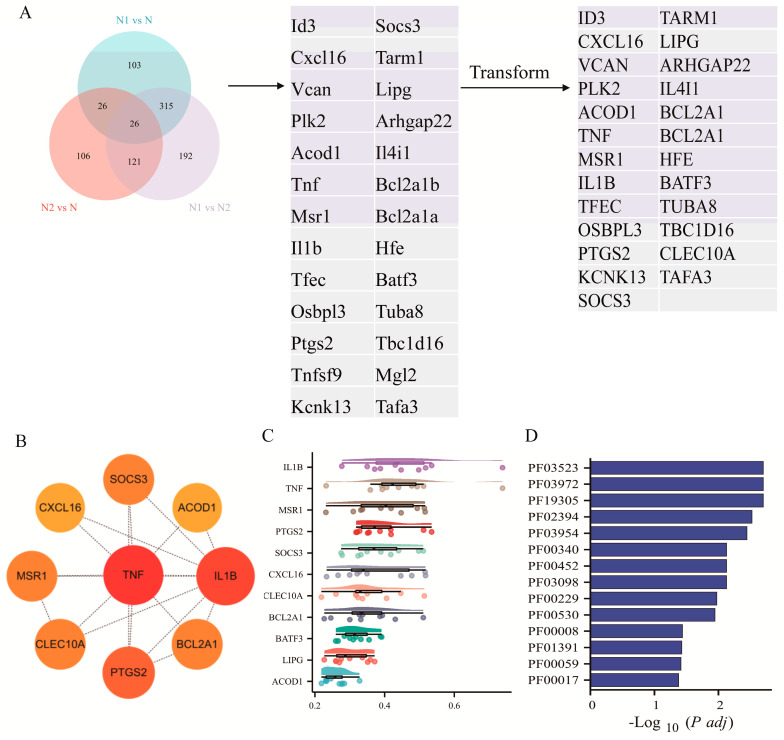 Figure 2
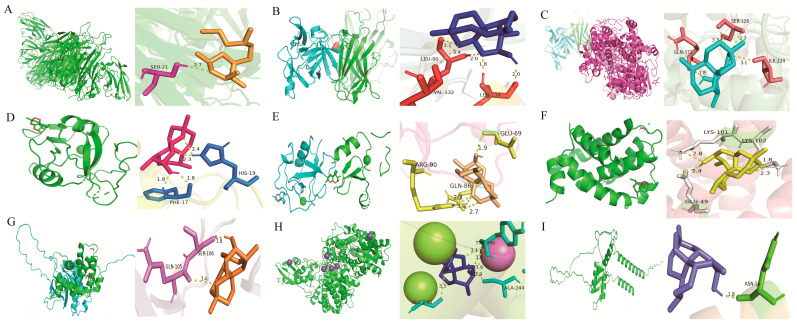 Figure 3
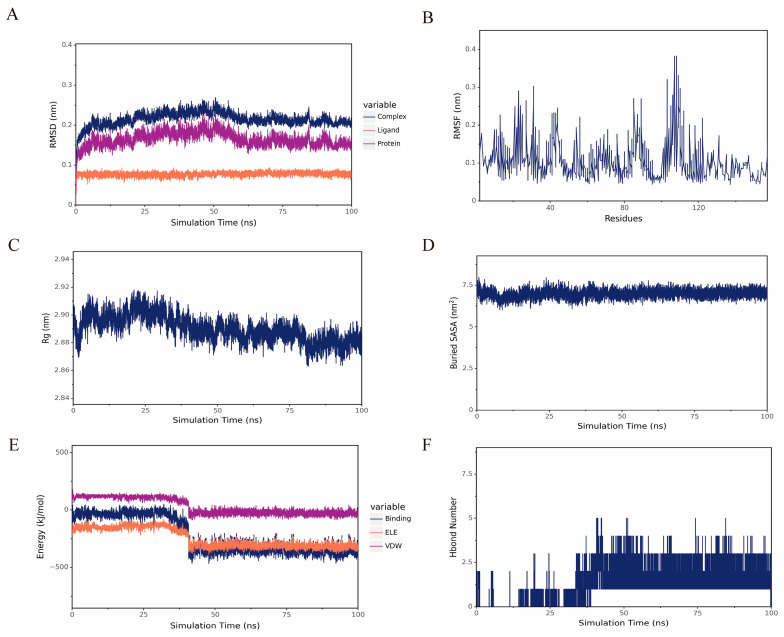 Figure 4
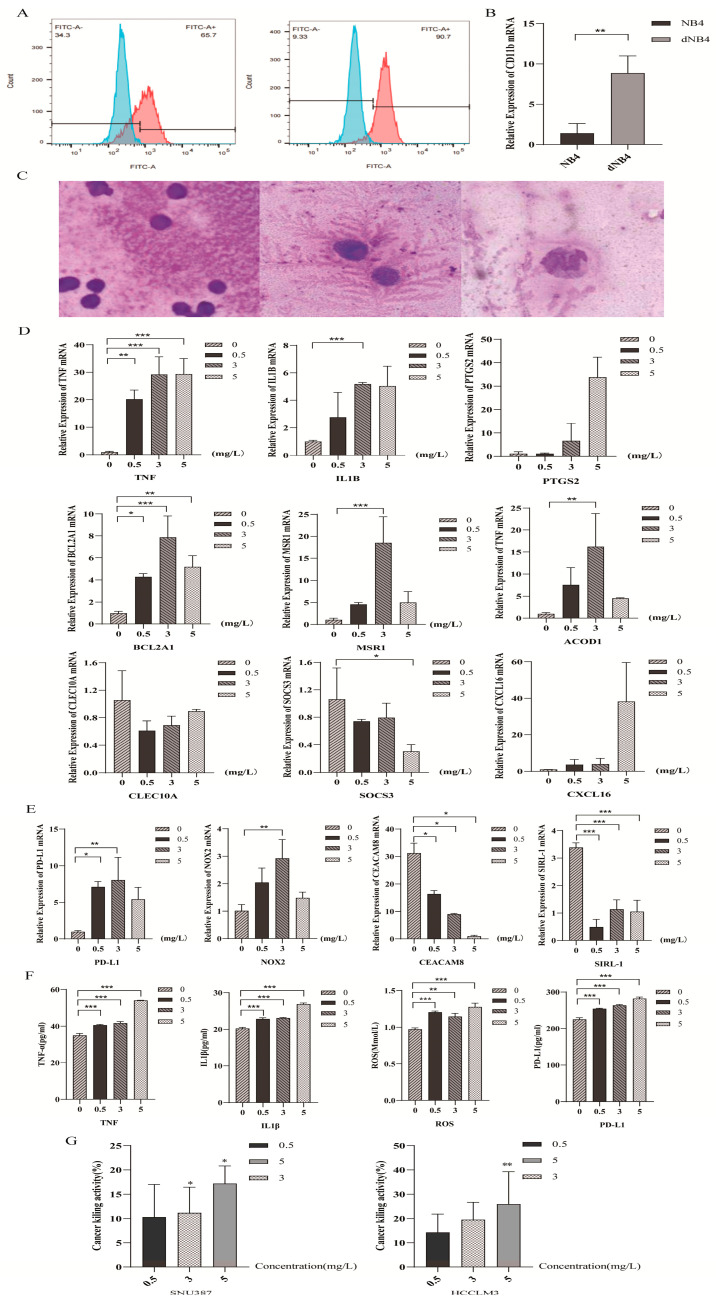 Figure 5
Peer Reviews
No public reviews on file for this paper yet. If you reviewed it on a platform where reviews are public (OpenReview, ICLR, NeurIPS, ICML), you can paste yours below so the community can read it here.
Videos
No videos yet. Explain this paper in a talk, walkthrough, or lecture? Add one.
Taxonomy
TopicsImmune cells in cancer · Neutrophil, Myeloperoxidase and Oxidative Mechanisms · Cancer Research and Treatments