Multitarget Mechanisms of (‒)‒Epigallocatechin-3-Gallate Against MRSA: From SraP L-Lectin Targeting to Synergistic Antibiotic Effects
Ping Zheng, Peihua Zhang, Yuan Li, Jinzhao Long, Fang Liu, Haiyan Yang

TL;DR
This study shows that EGCG, a natural compound, fights MRSA by targeting a key protein and working well with antibiotics.
Contribution
The study reveals EGCG's multitarget mechanism against MRSA, including SraP L-Lectin targeting and synergistic antibiotic effects.
Findings
EGCG binds to SraP L-Lectin with high affinity and inhibits MRSA colonization.
EGCG suppresses pyrimidine metabolism and downregulates genes related to bacterial growth and β-lactam resistance.
Combining EGCG with ceftriaxone significantly reduces the required antibiotic dosage and prolongs its effect.
Abstract
Methicillin-resistant Staphylococcus aureus (MRSA), a major global public health threat due to its broad resistance, urgently requires the development of new antibiotic alternatives. (‒)‒Epigallocatechin-3-gallate (EGCG) is considered a natural bioactive compound with anti-MRSA properties. The L-Lectin module of serine-rich adhesin for platelets (SraP) is considered an important target for blocking MRSA-infected hosts. This study aims to investigate the mechanism of action of EGCG against MRSA. Surface plasmon resonance (SPR), cell adhesion and invasion, biofilm formation, checkerboard assays, RNA sequencing (RNA-seq) and quantitative real-time polymerase chain reaction (qRT-PCR) were performed. The results showed that EGCG bound to SraP L Lectin with high affinity and effectively inhibited MRSA colonization. Additionally, EGCG significantly suppressed pyrimidine metabolism and…
Genes, proteins, chemicals, diseases, species, mutations and cell lines named across the full text — each resolved to its canonical identifier and authoritative record.
Click any figure to enlarge with its caption.
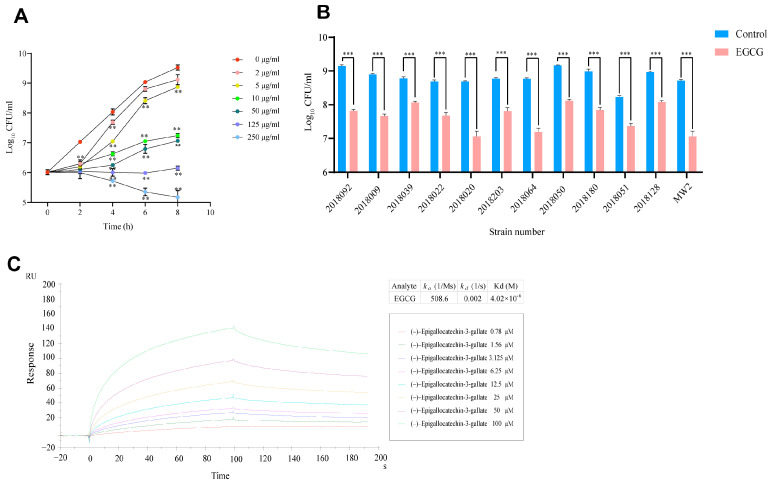 Figure 1
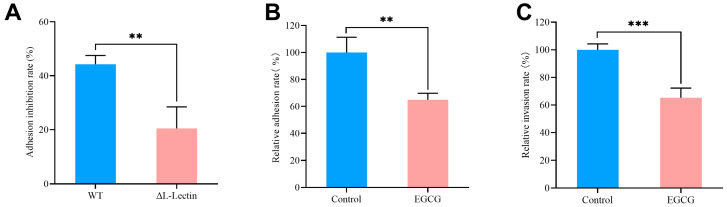 Figure 2
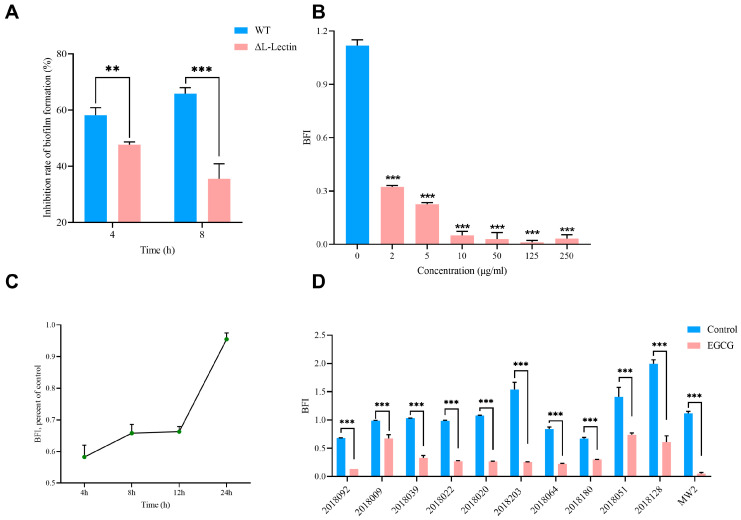 Figure 3
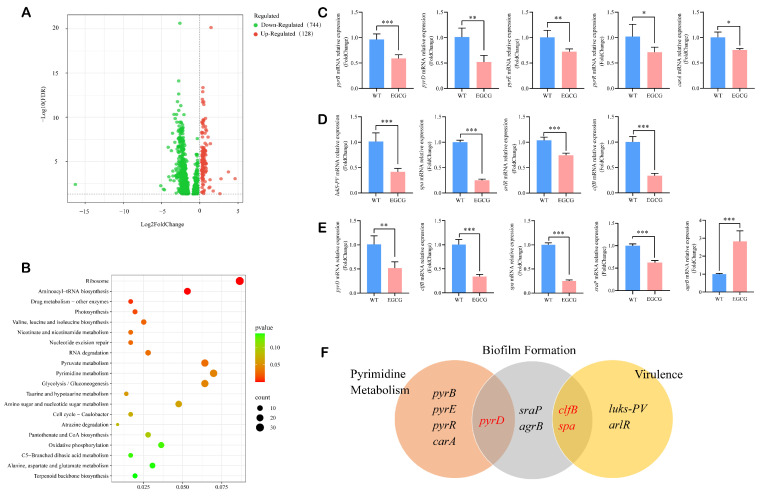 Figure 4
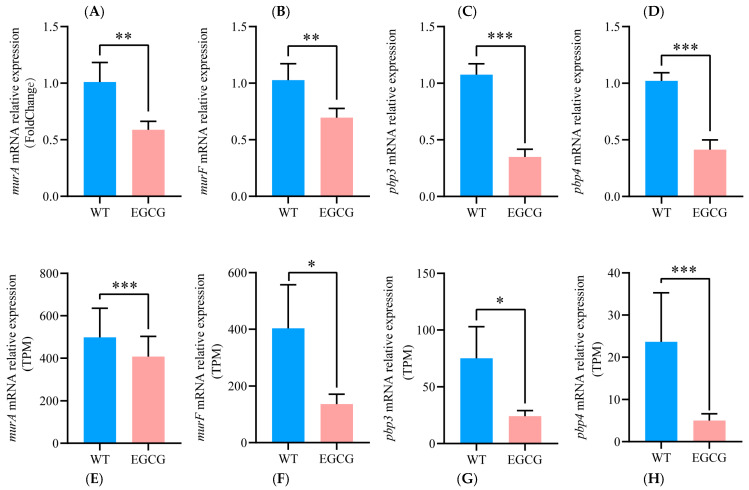 Figure 5
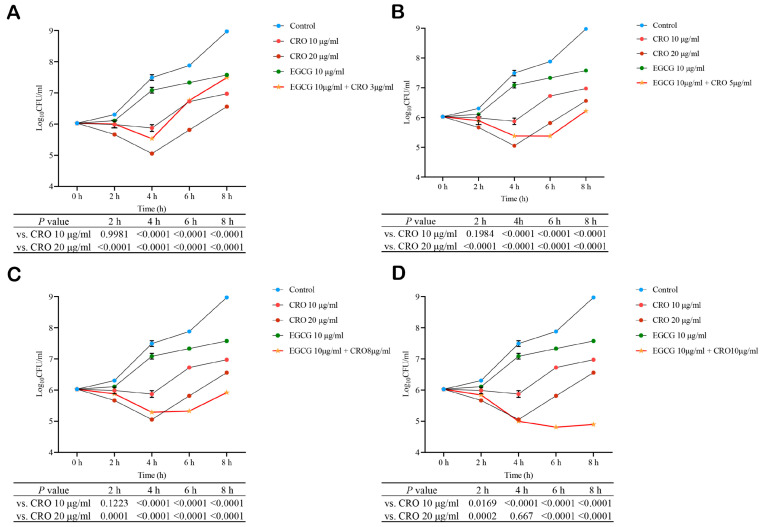 Figure 6
Peer Reviews
No public reviews on file for this paper yet. If you reviewed it on a platform where reviews are public (OpenReview, ICLR, NeurIPS, ICML), you can paste yours below so the community can read it here.
Videos
No videos yet. Explain this paper in a talk, walkthrough, or lecture? Add one.
Taxonomy
TopicsTea Polyphenols and Effects · Biochemical and Structural Characterization · Neutrophil, Myeloperoxidase and Oxidative Mechanisms