Microglia-Targeted Nanotherapeutics in Major Depressive Disorder: An Integrative Perspective on Neuroinflammation and Drug Delivery
Pablo R. da Silva, Nayana M. M. V. Barbosa, Joandra M. da Silva Leite, Larissa P. Alves, Jéssica C. de Andrade, Allessya L. D. Formiga, Ana Flávia C. Uchôa, Luiza C. D. Neri, Arthur Lins Dias, Adriana M. F. de Oliveira-Golzio, Francisco H. Xavier-Júnior, Ricardo D. de Castro

TL;DR
This paper reviews how nanotechnology can target microglia to treat depression by reducing brain inflammation and improving drug delivery.
Contribution
The paper introduces microglia-targeted nanotherapeutics as a novel approach to treating major depressive disorder.
Findings
Nanoparticles can modulate microglial activation and promote an anti-inflammatory phenotype.
Nanocarriers improve drug delivery to the brain and enhance antidepressant efficacy.
They also reduce oxidative stress and support neurogenesis and synaptic plasticity.
Abstract
Major depressive disorder (MDD) is a highly prevalent psychiatric condition characterized by complex neurobiological mechanisms, including oxidative stress and neuroinflammation, with microglial activation playing a key role in its pathophysiology. Conventional antidepressants, though widely used, often fail to achieve remission due to limited efficacy, adverse effects, and poor patient adherence. In this context, nanotechnology-based drug delivery systems have emerged as promising strategies to overcome pharmacological limitations, enhance blood–brain barrier (BBB) penetration, and target neuroinflammatory pathways. This narrative review explores the role of microglia as both mediators of neuroinflammation and potential therapeutic targets in MDD. We examine different nanocarriers and their ability to modulate microglial activation, promote a shift from a pro-inflammatory (M1) to an…
Genes, proteins, chemicals, diseases, species, mutations and cell lines named across the full text — each resolved to its canonical identifier and authoritative record.
Click any figure to enlarge with its caption.
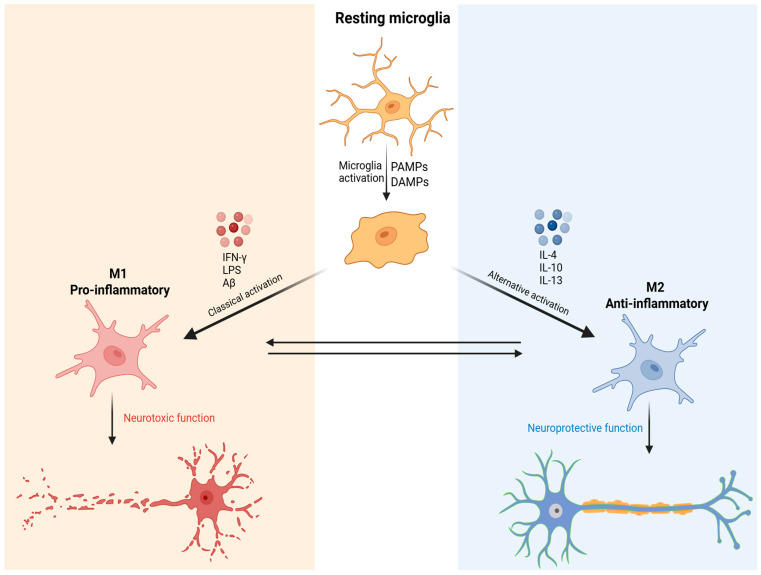 Figure 1
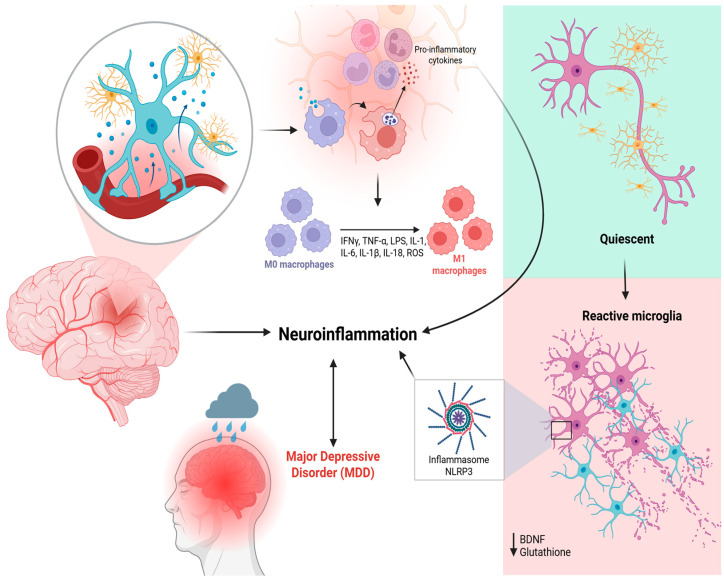 Figure 2
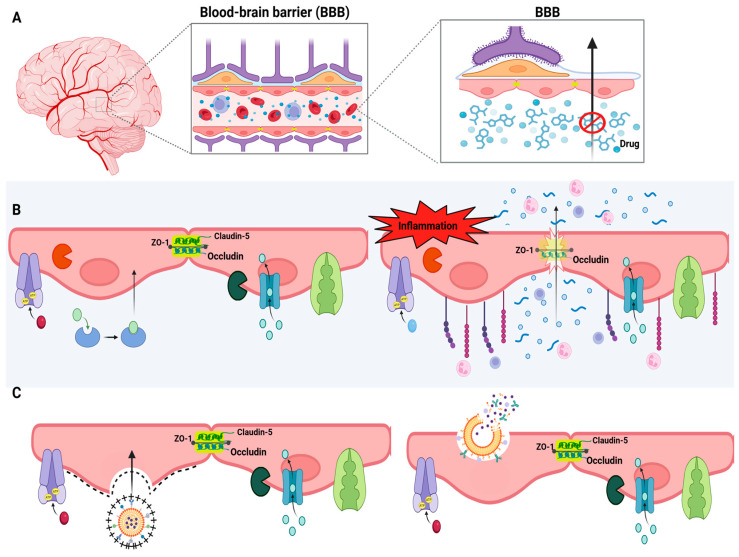 Figure 3
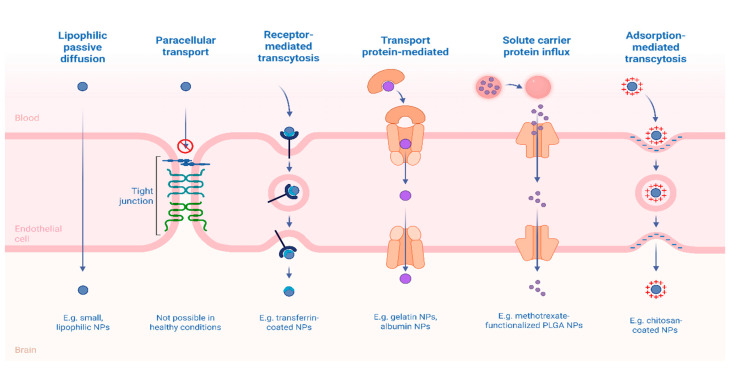 Figure 4
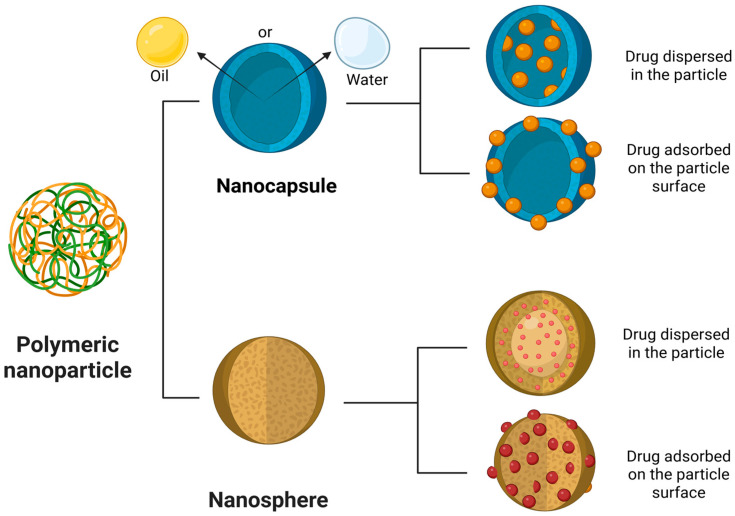 Figure 5
Peer Reviews
No public reviews on file for this paper yet. If you reviewed it on a platform where reviews are public (OpenReview, ICLR, NeurIPS, ICML), you can paste yours below so the community can read it here.
Videos
No videos yet. Explain this paper in a talk, walkthrough, or lecture? Add one.
Taxonomy
TopicsTryptophan and brain disorders · Neuroinflammation and Neurodegeneration Mechanisms · Immune cells in cancer